
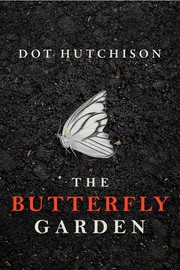
The Butterfly Garden
2,096-word summary 9 min read 276 pages in the book
- First published
- 2016
- Publisher
- Thomas & Mercer
- Pages
- 276
- ISBN
- 9781503934719
- Series
- The Collector (#1)
Reading options
What's inside (12 sections)
I read The Butterfly Garden in one night with all the lights on, which the book earns and then questions. Dot Hutchison published it with Thomas and Mercer in 2016, a 276 page thriller with ISBN 9781503934719. FBI agents interview a young woman found near a mansion where girls were kept as living butterflies, tattooed to resemble their namesakes. She calls herself Maya. She may be lying about everything except the garden. The novel alternates her tangled testimony with the agents investigation, slowly revealing how the garden worked, who maintained it, and what Maya did to survive and to free the youngest. Disturbing, propulsive, and more interested in survivor logic than in gore.
Maya opens the story wrapped in a blanket, older than the other girls, calm in ways that unsettle. Agents Victor Hanoverian, experienced and steady, and Brandon Eddison, younger and quicker to anger, question her in a hospital room with food she barely touches. She tells the story out of order. The Gardener who took her years ago. The mansion with a walled garden. Girls given new names of butterflies. Wings tattooed across backs in long sessions. Rules about beauty and obedience. Punishments for aging out at twenty one. Maya speaks flatly about horror and vividly about flowers. The agents notice gaps. She knows more about the sons than she admits. She protects certain girls by misdirecting. Is she victim, accomplice, or something the law has no name for. Hutchison keeps all three open for most of the book.
The garden
The garden itself is described with terrible beauty that the book never lets you enjoy cleanly. Lush plantings. Glasshouse. Paths where girls walk for an hour of outside time. Each Butterfly has a name to match wings, with sisters called things like Raven, Jade, and Bliss. Tattoos cover backs in monarch oranges, blue morpho blues, swallowtail yellows. Inking sessions take hours and infections kill. The Gardener, a wealthy man obsessed with preserving beauty against decay, believes he rescues girls from ugly lives by making them art. His logic arrives through Maya retelling, calm and insane at once. Outside ages you. Here you stay lovely. The book refuses to make him a raving monster. He is polite, patient, and absolute. That ordinariness makes him worse than any mask. Evil as curation.
His sons maintain the collection with different cruelties. The elder son, smooth and entitled, treats Butterflies as toys and breaks them when bored. The younger, quieter, keeps the grounds and looks away until looking away fails. Their dynamic with the Gardener, obedient in public and resentful in private, shows abuse as inheritance. Maya learns which son to avoid and which to manipulate. She trades information for extra food. She volunteers for tasks that let her move between rooms. Survival here is administrative. Know schedules. Memorize keys. Befriend the girl who cleans. Those skills, learned over years, become the tools of the garden fall. Hutchison respects survivor intelligence without glamorizing captivity. No one escapes through pluck alone. They escape through attention paid while enduring.
The interviews
The interview structure is the book craft win. Present chapters follow Victor and Brandon verifying Maya claims. They find the mansion. They count graves behind the garden wall. They match tattoos to missing persons files. Past chapters follow Maya story in the garden, from capture to adaptation to planning. The two timelines correct each other. Maya says the Gardener never hit her. Records show a broken rib. She says a girl ran. Agents find no such girl. Each lie has a reason that emerges later. Protecting a pregnancy. Hiding a murder she committed to save a child. The agents argue about method. Victor listens longer. Brandon pushes harder. Their partnership, prickly and professional, models how to hear trauma without demanding clean narrative. Believe the wound first. Sort facts second. That order matters and the book practices it.
Maya fellow Butterflies get distinct portraits despite numbers. Youngest, barely teens, who Maya mothers at cost. Older ones who broke and comply. One who befriends a son to gain favor and pays for it. One who keeps a hidden razor for years waiting for a moment. Their garden society runs on small kindnesses that the Gardener allows because they keep girls docile. Sharing food. Braiding hair. Telling outside stories at night. Those kindnesses become resistance when Maya organizes. Who will hide a tool. Who will lie about counts. No grand rebellion. Just girls agreeing to misremember together. That collective lying, usually a survival shame, becomes the plan that frees the youngest. Hutchison honors it without speeches. Nods in hallways. Hands squeezed passing. Agreement without meeting.
What Maya did
Without detailing the final twist, Maya killed in the garden and the book asks whether to call it murder or rescue. She ended girls who were dying from infection to spare them the Gardener prolonged preservation. She killed a son during escape to open a door. She lies to agents about order and motive to protect the living. Hutchison does not resolve the ethics with a trial verdict. The ending frees survivors into care while leaving Maya legal status uncertain. Agents disagree. Victor sees a victim who did what captivity required. Brandon sees a killer who enjoyed competence. Both cite true evidence. Readers will split the same way. That split is the point. Captivity breaks categories law needs. Guilt and innocence grow tangled as garden vines. Cut carefully or not at all.
What works and what strains
What works is pacing and restraint around horror. At 276 pages with short chapters alternating timelines, the book moves fast without rushing dread. Hutchison describes tattoos and punishments plainly without lingering on suffering for thrill. The worst acts happen off page or in summary. Fear comes from system rather than scenes. A birthday means death at twenty one. A cough means infection that kills. That structure scares more sustainably than gore would. Maya voice, flat and dry with sudden flowers of detail, holds attention across interviews that could have dragged. She is funny once, about FBI coffee, and the joke lands because nothing else is funny.
The strain is plausibility and repetition. A private garden holding dozens of girls for years without detection stretches belief even with wealth and bribes. The sons villainy sometimes tips into type. Interview chapters circle the same trust question. Is Maya lying now. That loop works for 200 pages then tries patience before the endgame accelerates. Some readers find the final twist about Maya identity telegraphed. Others find it hidden too well to play fair. I landed between. Clues were present in tattoo details and age math most will skim. Rereading interview scenes after finishing is rewarding. Lies were flagged by tense changes and flower talk. Watch the flowers. Maya tells truth about plants when she lies about people.
Who it is for
Read it if you like thrillers about captivity with survivor sense, or want FBI procedurals centered on listening rather than raids. It opens The Collector series, so expect setup for Victor and Brandon partnership beyond this case. Content notes are heavy. Kidnapping and long term confinement, sexual assault discussed without graphic detail, forced tattooing, murder of children and adults, suicide discussed, and medical trauma. Adult book. Not for teens. Read with care and daylight.
I finished thinking about wings. Girls painted as butterflies to be admired and never released. Maya, who learned every path and lock, walks out without flying metaphors to comfort. She limps. She lies. She protects. Hutchison denies the genre its usual transformation scene where trauma becomes strength. Strength here is scar tissue and memory. Keep the tattoos, the book suggests. They mark what was done, not who she is. The garden is raided. The girls are counted. Some will heal. Some will not. That honesty about aftermath lifts the book above shock. Beauty kept captive rots. Beauty that survives testifies. Listen the way Victor learns to. Believe the wound. Follow the flowers back to the wall. Dig there.
Victor and Brandon
The agent partnership deserves a closer look because procedurals live or die on pairs. Victor Hanoverian, veteran, patient, divorced with a daughter he fails kindly, interviews by listening past lies for needs. He brings Maya food she likes. He remembers which girl prefers which blanket. Brandon Eddison, younger, sharp, quick to call out manipulation, pushes where Victor waits. Their arguments about Maya happen in cars where she cannot hear. Believe her. Verify everything. Both are right. That tension keeps 276 pages from becoming one long interview. Raids interrupt. Forensics confirm. A greenhouse search yields receipts for soil and wire. Victor age shows in his back pain and his refusal to rush survivors. Brandon youth shows in all nighters and fury at the Gardener wealth. Together they model good work. Feel with victims. Think like accountants. Follow money and soil. The garden fell to receipts as much as testimony. Keep both in the file.
The youngest
The youngest Butterflies carry the book moral weight without much dialogue. Barely teens, taken youngest, tattooed least, they cling to Maya as mother. She feeds them first. She takes their punishments by volunteering for sessions. She teaches them to lie about ages to seem less valuable. Those choices cost her body and credibility. Agents find her stories inconsistent around the youngest because she hides what she did to free them. Killing a son who threatened a child. Trading her own safety for a blanket. Readers should watch the small hands in scenes rather than the horror. A girl braiding another girl hair before inking. Sharing dessert under tables. Those kindnesses are the resistance the Gardener never understood. He curated beauty. They practiced care. Care outlasts curation when doors open. The youngest remember who fed them. That memory convicts better than any tattoo photo.
The mansion money
The Gardener wealth mechanics deserve a note because money explains years of silence. Rich from inheritance, connected to officials through donations, he buys seclusion with fences, lawyers, and gifts to local police funds. Deliveries arrive without questions. Medical waste leaves discreetly. A private doctor treats infections off books. Hutchison sketches this without ledgers because Maya sees effects rather than accounts. New locks after inspections. Fewer questions after donations. That vagueness frustrates readers who want forensic finance. It serves theme better. Evil here runs on respectability rather than cunning. A rich man with a garden draws admiration, not suspicion. Neighbors praise his flowers. Officials attend his parties. No one asks about girls because no one wants to lose invitations. The book indicts that politeness alongside the Gardener. Watch who attends garden parties in your own town. Ask who is missing from photos. Wealth hides the same way everywhere. Behind hedges, with good wine.
Rape logic refused
Hutchison handling of assault deserves explicit credit for what it refuses. The Gardeners sons demand sex as right, and the book never frames compliance as consent or survival bargain as romance. Maya narrates assaults flatly as events endured, not relationships. Agents document without lingering. No love story grows in the garden between captive and keeper. That refusal matters in a genre that often romanticizes monsters. The Gardener calls his collection love. The book calls it curation of bodies. Words stay clinical where other thrillers turn purple. Readers get facts without titillation. That discipline extends to the FBI interviews, where Victor stops Brandon from asking details survivors need not provide for case files. Need to know governs. Curiosity does not. Take that rule to other books in the genre. Ask what the scene proves. If only thrill, skip it. Hutchison rarely fails the test.
Maya age math rewards attention and I will state it plainly without spoiling the turn. She claims years in the garden that do not match her body and schooling. Agents notice but attribute gaps to trauma. Readers should notice too and hold the question lightly rather than accusing. Trauma scrambles timelines honestly. Lies also scramble them deliberately. Maya does both at once, which is why Victor and Brandon split on her. The book plants the discrepancy early in a throwaway line about lessons. Reread that line after finishing. It glows. Fair play mysteries hide truth in plain dull sentences. Hutchison learned the trick well. Trust plain sentences least when they explain ages. Count on fingers. Ask again later.
Series note
The Collector order is The Butterfly Garden, The Roses of May, The Summer Children, The Vanishing Season. Read in order. Victor and Brandon cases build across books with Maya echoes. Skipping ahead spoils who survives the garden count.
FAQ
When was The Butterfly Garden published?
Thomas and Mercer published it in 2016. The paperback runs 276 pages and the ISBN is 9781503934719.
Who are the main characters?
Maya, FBI agents Victor Hanoverian and Brandon Eddison, and the Gardener.
Is it part of a series?
Yes. It opens The Collector series, followed by The Roses of May.
Similar books
More from The Collector first, then related titles.

Still Missing
A realtor is abducted at a Vancouver Island open house and held for more than a year. Told through therapy sessions, the novel follows her escape and the hunt…
2,466-word summary · 11 min read

The Last Mile
Melvin Mars is hours from execution for his parents' murder when another man confesses, and FBI cold case detective Amos Decker goes looking for the trap.
2,746-word summary · 12 min read
The Girl Who Was Taken
A survivor returns alone while a reporter digs for her lost sister.
2,261-word summary · 10 min read

Stillhouse Lake
Acquitted wife of a serial killer becomes armed Gwen Proctor, but trolls and followers find her lake refuge.
2,086-word summary · 9 min read

The Naturals
Teen profiler Cassie Hobbes joins an FBI program for gifted teens and hunts a killer tied to her past.
2,401-word summary · 11 min read

Paint It All Red
Lana Myers faces her final targets as FBI agent Logan Bennett closes in, forcing a choice between love and law.
2,827-word summary · 13 min read

All the Lies
Logan doubts everything he trusted as Lana returns to the town that buried the truth, in Mindf*ck book four.
2,633-word summary · 12 min read

Sidetracked
Lana Myers helps Logan Bennett on an FBI case while hiding her own revenge killings.
2,794-word summary · 12 min read

Scarlet Angel
Lana edge closer to Logan while her list and flashbacks get darker in book three.
1,942-word summary · 9 min read

The Risk
Quiet Lana hunts past attackers by night while falling for Logan Bennett, the FBI agent tracking her.
2,360-word summary · 10 min read

The Silence of the Lambs
Clarice Starling seeks Hannibal Lecter's help to catch Buffalo Bill before Catherine Martin runs out of time.
2,616-word summary · 12 min read

What She Knew
Rachel lets her eight-year-old son run ahead in a Bristol park, and the nine-day search turns her into a suspect in the public eye.
2,952-word summary · 13 min read

The Beach House
A young valet is beaten to death at a Hamptons party, and his law-student brother spends a year building a case against the family that covered it up.
2,049-word summary · 9 min read

Six Years
A professor who promised to forget the woman he loved sees her husband's obituary and discovers that the wedding, the marriage, and the woman herself may never…
2,076-word summary · 9 min read

The Trespasser
A Dublin Murder Squad detective investigates a staged dinner-party killing and finds a cover-up that reaches into her own department.
2,051-word summary · 9 min read

Rules of Prey
Minneapolis detective Lucas Davenport hunts a killer who leaves a new rule at every scene and treats murder as a game of wits.
1,914-word summary · 9 min read

The Late Show
Exiled to the LAPD night shift after accusing her supervisor, Renée Ballard keeps two cases that were meant to be handed off at dawn: a brutal assault and a…
2,563-word summary · 11 min read

4th of July
Lindsay Boxer shoots two armed teenagers in self-defense, faces a wrongful-death trial, and spends her leave chasing a string of throat-slashing murders in…
2,192-word summary · 10 min read

The Camel Club
Four Washington misfits witness a murder on Roosevelt Island and stumble into a conspiracy that reaches the Oval Office, with a hostage president and a nuclear…
2,354-word summary · 10 min read
Persuader
Reacher goes undercover in a Maine crime family to find a missing DEA agent and the man he once failed to kill, and Lee Child keeps the whole thing tight,…
2,278-word summary · 10 min read

61 Hours
A bus crash strands Jack Reacher in a snowbound South Dakota town where a drug gang, a corrupt police force, and a single witness are on a collision course.
2,227-word summary · 10 min read
The Troop
A Boy Scout troop on a Canadian island takes in a stranger who cannot stop eating, and the worm inside him turns a camping trip into a war.
2,457-word summary · 11 min read

Bad Luck and Trouble
A deposit of $1,030 summons Jack Reacher back to his old army unit, which is being picked off one name at a time.
2,366-word summary · 11 min read

3rd Degree
The third Women's Murder Club novel follows a San Francisco terror cell and a three-day killing schedule, and it costs the club a member.
2,685-word summary · 12 min read

Worth Dying For
Reacher stops for one night in rural Nebraska and finds a family that runs the county, a missing girl and a shipment worth killing for.
2,021-word summary · 9 min read

The Ex
Cassie thinks her new boyfriend's ex is the woman harassing her, but Freida McFadden's thriller keeps rearranging who the ex actually is.
2,103-word summary · 9 min read
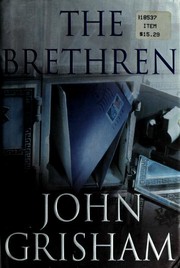
The Brethren
Three disgraced judges run a blackmail scam from a federal prison and accidentally trap a presidential candidate, pulling the CIA into their scheme.
1,967-word summary · 9 min read

Say You're Sorry
A widowed prosecutor defends the teenager accused of killing her babysitter, uncovering a small town's secrets and a killer hiding in plain sight.
2,116-word summary · 9 min read

Finlay Donovan Knocks 'Em Dead
Someone has put a contract on Finlay Donovan's ex-husband, and the novelist and her nanny have to find the hitman before the school pickup.
1,990-word summary · 9 min read

Echo Burning
Reacher hitches a ride with a Texas woman who wants her abusive husband killed, then has to prove she did not murder him when he comes home.
2,209-word summary · 10 min read