
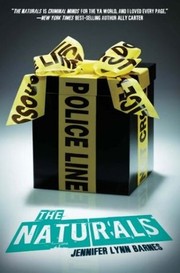
The Naturals
2,401-word summary 11 min read 320 pages in the book
- First published
- 2013
- Publisher
- Disney Hyperion
- Pages
- 320
- ISBN
- 9781423168232
- Series
- The Naturals (#1)
Reading options
What's inside (8 sections)
I picked up The Naturals because a friend who loves Criminal Minds told me this was the teen version that actually respects profiling. I expected a light mystery with a little romance. What I got was darker and sadder, about a girl who learned to read strangers because she could not make sense of what happened at home. I read it in two sittings, mostly late, because the killer chapters made the house feel too quiet.
This is the first book in The Naturals series by Jennifer Lynn Barnes, published November 5, 2013 by Disney Hyperion. The hardcover runs 320 pages with ISBN 9781423168232. It follows seventeen year old Cassie Hobbes. She can look at a person and tell you who they are and what they want, from shoes to posture to word choice. The FBI recruits her for a classified program that uses teens with sharp gifts to work cold cases. It is aimed at young adults, with murder and abduction detail but little explicit romance. No superpowers here. Just attention, pushed far.
Cassie learned profiling from her mother Lorelai, who performed as a psychic and taught her to notice everything. Then Lorelai was killed. No body was found for a long time in Cassie memory, and the case stayed open and cold. Cassie ended up waitressing and living with her grandmother while her father served overseas. She told herself noticing was just a habit. The book argues it was survival.
The girl who reads people
Cassie works at a diner when the story starts. She is seventeen, tired, good at her job because she anticipates. A boy slides into a booth and tells her to guess how he wants his eggs. She does. She clocks his clothes, his tan, his easy grin, his way of watching the door. She calls sunny side up and gets it right.
He leaves a card. Agent Briggs, FBI.
She calls because her mother would have wanted her to be brave, and because a small part of her hopes the FBI files hold answers about Lorelai. Briggs does not promise closure. He describes a house in Virginia where teens with natural gifts live and train. They study old murders. They practice reading people and scenes. They do not carry badges. They help from the side.
Her grandmother argues against it, then helps her pack. That scene made me pause. It is not a big speech. It is folding clothes and saying lock your door and call on Sundays. Cassie flies to Quantico with a duffel and a head full of profiles she cannot turn off.
She profiles because she cannot stop, not because she thinks it makes her special. That distinction carries the whole book. In class she notices who lies about homework. At the diner she knew which couples would tip. Now that skill has a file number.
I liked that Barnes does not make her fearless. Cassie throws up before her first training exercise. She misses her grandmother kitchen. She keeps Lorelai red lipstick shade in her bag, the same bold color her mother wore, and she does not wear it yet.
A house in Virginia
The house holds five teens and two handlers. Michael Townsend reads emotions. He is charming and quick, the kind of boy who teases to see what flinches. Dean Redding is also a profiler like Cassie, quiet and guarded, with a past he does not offer. Lia Zhang spots lies fast and uses bluntness as armor. Sloane Tavish parses numbers and patterns, brilliant with stats and awkward with people. They share a kitchen and a living room full of fake crime scenes.
Agents Briggs and Locke run the program. Briggs recruits and sets rules. Locke, herself a profiler, leads field lessons. There is also a caretaker who keeps the house steady, cooks, enforces curfew, checks locks. The adults tell the teens they will work only cold cases. No active scenes. No risk.
The teens test each other at once. Lia stages a game of Truth or Dare that ends with Cassie kissing Dean on a dare, then later Michael kisses Cassie for real in a hallway. It sounds soapy, and partly it is. Barnes keeps it age true. No one declares forever love. They are lonely kids poking at attraction while living under cameras.
Dean tells Cassie early that his father was a serial killer. It took years to catch him. That is part of why the FBI wanted Dean. He understands how such men think from the inside of a family, not from a textbook. Cassie confronts him after finding it in old files in the library, and he shuts down. I found that fight honest. She pried. He has a right to close the door.
Sloane becomes my favorite quickly. She steals food for stakeouts. She talks to herself while doing math on windows with dry erase markers. Lia brings Cassie lipstick as a peace gift, the exact shade Lorelai wore. Cassie stares at it a long time before saying thanks.
Living together means they cannot hide tics. Michael knows when Cassie is faking calm. Lia calls out half truths before Cassie finishes them. Dean watches Cassie profile and looks both impressed and worried, like he sees where that road goes.
Learning on cold files
Training is part classroom, part mall. Locke takes Cassie and Dean to a shopping center and asks them to read a woman with bags, then a car in the lot. What does she carry. Where did she park. Why that spot. Later she hands them an abduction report where a young girl was taken from a store. Walk me through the mother. Walk me through the witness.
Back at the house, the teens practice on staged rooms. One fake scene shows a girl drowned in a pool. Dean explains it flatly, then leaves. The room stays taped off for days. Cassie studies it between meals, trying to separate method from cruelty.
The pace here is slow on purpose, and I will be honest, it dragged for me around the third mall trip. I understood the point. Profiling is repetition. But pages of reading strangers for practice blurred together. I started skimming descriptions of shoes to get back to the house, where the dialogue snaps.
What saved this stretch was the small breaks. Sloane explaining base rates with cereal boxes. Michael teaching Cassie how to tell nervous from guilty by watching hands, not eyes. Lia catching Briggs in a polite lie about funding and grinning. Those moments built trust among the five, so when the case turns live, you believe they would cover for each other.
Cassie also reads old files at night. She looks for girls taken from stores. She looks for mothers. She tells herself it is training. It is not. She is looking for Lorelai pattern, for any sign someone else lost a mother the way she did.
Briggs warns them to stay off active work. Locke repeats it. The teens nod. They do not mean it.
Red hair and parcels
Sloane lifts a USB with files on the case Briggs and Locke are currently working. She, Michael and Cassie open it on a spare laptop. The victims are young women. Their hair has been dyed red after death. Cassie goes cold. Her mother wore that red. The type matches too closely to be chance.
Briggs and Locke find out and shut it down. They wipe Sloane computer, but they miss the copy on Michael machine. The teens keep reading in secret. Cassie maps dates and places. The killer takes, dyes, poses. The scenes are careful, almost tender in arrangement, which makes them worse to picture.
Then parcels arrive. One holds a lock of red hair. It is addressed in a way that makes clear the sender knows Cassie. Lia carries it in, joking until she sees Cassie face. A second parcel stays sealed for evidence. Briggs opens it. Inside is a lock of blonde hair and a photo of the intended victim. She is young, connected, the kind of case that brings press. The agents realize the killer wants Cassie drawn in as a participant.
Red hair in this book signals resemblance, not fashion. The killer is choosing women who remind him, or her, of someone. Cassie starts to wonder if her mother was the first of this set, rather than a separate tragedy. That thought changes how she profiles. She stops asking what the killer wants from strangers. She starts asking what the killer wants from her.
They visit the club where one victim was last seen. It is called Club Muse. Cassie goes along because the killer addressed her, and Briggs decides hiding her helps no one. The club is loud and sticky floored. In the bathroom, among tags and numbers, Cassie finds writing that stops her breath. For a good time, call Lorelai. Guaranteed plus one. Kola and Thorn. Lorelai was her mother name. Kola and Thorn unscrambles to a street name nearby. The team moves.
I found this the strongest procedural chunk. No genius leap. Just a girl who notices writing on a wall because she was taught to read rooms, and a team willing to follow a street name at night.
A bathroom wall and a copied room
The street leads to a house with a room set like a memory. Tape outlines. Lamp angle. Chair placement. It mirrors the room where Lorelai died. Cassie knows because she was there as a child after the killer left, and she remembers details no report printed.
One detail proves inside knowledge. A blood smear on the light switch. Cassie left that smear herself when she touched the switch after finding her mother. It was never in photos. It was never in files shared outside a tight circle. For the new room to copy it, the killer must have seen the original scene, or talked to someone who did, or been in the house where those private notes live.
She tells Briggs. He goes still in the way adults do when a theory they feared proves true. Locke tells her to go to a safehouse and stay put. Trust no one else tonight. Cassie leaves with Dean, because Dean is the only person she trusts not to flinch when she shakes.
The house feels different on the way out. Doors that were always open are shut. The staged pool scene looks new. Michael is gone from his room. Lia will not meet her eyes. Sloane keeps typing and deleting. Cassie profiles all of it and hates every answer.
This is where the middle drag pays off. All those mall reads taught her to trust small tells. A fresh scuff. A changed routine. A lie told too smoothly. She uses them now on people she lives with, which hurts more than any cold file.
If you read slowly here, watch who handles paper. Who carries files. Who offers rides. Barnes plants the logistics plainly. I missed two of them on first pass and caught them on my notes reread. That is fair play, not cheating.
A safehouse and the person behind it
The safehouse is quiet and too clean. Michael is already there with a gun, accusing Dean. Dean accuses back. Both make sense, which is the worst part. Dean has the father and the temper he hides. Michael followed Cassie and Dean that night and knew where they would run. Cassie stands between them, trying to profile both while her hands shake.
Then Locke arrives. She shoots Michael. She knocks Dean out. The room narrows to her and Cassie.
Locke says Lorelai was her sister. That makes Locke Cassie aunt, though Cassie never knew her. Lorelai left home at a young age after getting pregnant, leaving twelve year old Locke behind with an abusive father. Lorelai said she could not take her sister legally. Locke heard it as abandonment. She spent years moving around the country, killing women who reminded her of Lorelai. She meant to kill Lorelai herself one day. Someone else got there first.
Locke says she suggested Cassie for the program. She wanted her niece close. She sent the parcels. She built the copied room. She brings in a captive young woman, Genevieve, and tries to force Cassie to stab her, as initiation and proof. Cassie stalls, talking, profiling Locke aloud to keep her listening. She names the grief under the rage. Abandoned girl. Unchosen sister. Woman who learned cruelty as order. Locke hesitates. Michael, bleeding but awake, gets the gun and fires.
The teens survive. Genevieve survives. Locke does not.
Michael tells Cassie to sort out what she feels about him and Dean, and that he will wait. It is not a clean triangle close. Dean leaves for air. Lia cries once and denies it. Sloane holds Cassie hand and counts breaths until they steady.
Now the candid side. The reveal works, but it leans on coincidence. That Locke could steer recruitment and run training without Briggs noticing strains belief, even for a secret program. Briggs reads as competent until the plot needs him distracted. I also wanted more for Sloane and Lia in the finale. They crack the files, then wait at the house while the boys go with Cassie. Their gifts deserved a live role in the rescue instead of background work.
Still, the core held for me. A girl who reads strangers finally reads her own family story correctly, too late to save her mother but in time to save herself and a stranger. If you like teen thrillers with profiling detail and cold cases that turn hot, start here as The Naturals book 1. The house full of sharp kids who bicker like siblings gives the procedural its warmth. If you need fully airtight FBI procedure, this will frustrate you. The program could never exist as written. Teens would never be housed this way or taken near active scenes.
For me, the test was simple. I finished at one in the morning and immediately checked when Killer Instinct picks up Dean father copycat thread. That pull, more than any single scare, tells me the series earned its space. Pay attention to hair color, to who touches files, to safehouse orders given by phone. Barnes plays fair with those tells. Catch them, and the last fifty pages feel both shocking and earned.
FAQ
Is The Naturals the first book in the series?
Yes. It was published November 5, 2013 by Disney Hyperion as The Naturals book 1, with 320 pages and ISBN 9781423168232, followed by Killer Instinct.
Who are the five teens and what are their gifts?
Cassie Hobbes and Dean Redding are profilers, Michael Townsend reads emotions, Lia Zhang spots lies, and Sloane Tavish parses numbers and patterns. Agents Briggs and Locke run their training in Virginia.
Is The Naturals appropriate for younger teens?
It is written for young adults with murder scenes and talk of abduction but little explicit romance. Sensitive readers should expect crime scene detail and a tense finale around a serial killer.
Similar books
More from The Naturals first, then related titles.
Killer Instinct
Teen profiler Cassie Hobbes rejoins the FBI Naturals to stop a copycat repeating Dean Redding father murders.
2,600-word summary · 12 min read
The Last Mile
Melvin Mars is hours from execution for his parents' murder when another man confesses, and FBI cold case detective Amos Decker goes looking for the trap.
2,746-word summary · 12 min read

Kill Joy
Pip hosts a 1920s murder mystery party with her friends, solves the fake case, and feels a real scare that points toward A Good Girl's Guide to Murder.
2,537-word summary · 11 min read
As Good As Dead
Pip faces online threats and a stalker as she investigates a serial case in the trilogy finale.
2,962-word summary · 13 min read

Good Girl, Bad Blood
Pip swears off sleuthing, then podcasts a missing friend case that tests fame and cost.
2,011-word summary · 9 min read
One of Us Is Lying
Five Bayview teens enter detention and Simon dies, leaving Bronwyn Nate Addy and Cooper suspects.
3,158-word summary · 14 min read
A Good Girl's Guide to Murder
Pip reopens a closed murder case for a school project and finds the town wanted it shut.
2,621-word summary · 12 min read

What She Knew
Rachel lets her eight-year-old son run ahead in a Bristol park, and the nine-day search turns her into a suspect in the public eye.
2,952-word summary · 13 min read

The Beach House
A young valet is beaten to death at a Hamptons party, and his law-student brother spends a year building a case against the family that covered it up.
2,049-word summary · 9 min read

Six Years
A professor who promised to forget the woman he loved sees her husband's obituary and discovers that the wedding, the marriage, and the woman herself may never…
2,076-word summary · 9 min read

The Trespasser
A Dublin Murder Squad detective investigates a staged dinner-party killing and finds a cover-up that reaches into her own department.
2,051-word summary · 9 min read

Rules of Prey
Minneapolis detective Lucas Davenport hunts a killer who leaves a new rule at every scene and treats murder as a game of wits.
1,914-word summary · 9 min read

Ace of Spades
Two Black seniors at an elite academy are celebrated by day and hunted by an anonymous texter in this YA thriller about institutional racism.
2,066-word summary · 9 min read

The Late Show
Exiled to the LAPD night shift after accusing her supervisor, Renée Ballard keeps two cases that were meant to be handed off at dawn: a brutal assault and a…
2,563-word summary · 11 min read

4th of July
Lindsay Boxer shoots two armed teenagers in self-defense, faces a wrongful-death trial, and spends her leave chasing a string of throat-slashing murders in…
2,192-word summary · 10 min read

The Camel Club
Four Washington misfits witness a murder on Roosevelt Island and stumble into a conspiracy that reaches the Oval Office, with a hostage president and a nuclear…
2,354-word summary · 10 min read

61 Hours
A bus crash strands Jack Reacher in a snowbound South Dakota town where a drug gang, a corrupt police force, and a single witness are on a collision course.
2,227-word summary · 10 min read

Still Missing
A realtor is abducted at a Vancouver Island open house and held for more than a year. Told through therapy sessions, the novel follows her escape and the hunt…
2,466-word summary · 11 min read

Bad Luck and Trouble
A deposit of $1,030 summons Jack Reacher back to his old army unit, which is being picked off one name at a time.
2,366-word summary · 11 min read

3rd Degree
The third Women's Murder Club novel follows a San Francisco terror cell and a three-day killing schedule, and it costs the club a member.
2,685-word summary · 12 min read

Worth Dying For
Reacher stops for one night in rural Nebraska and finds a family that runs the county, a missing girl and a shipment worth killing for.
2,021-word summary · 9 min read
The Vanishing Stair
Stevie Bell returns to Ellingham Academy under a secret bargain, chasing the truth about a 1936 kidnapping while a new death makes the school feel smaller and…
2,026-word summary · 9 min read

Say You're Sorry
A widowed prosecutor defends the teenager accused of killing her babysitter, uncovering a small town's secrets and a killer hiding in plain sight.
2,116-word summary · 9 min read
Finlay Donovan Knocks 'Em Dead
Someone has put a contract on Finlay Donovan's ex-husband, and the novelist and her nanny have to find the hitman before the school pickup.
1,990-word summary · 9 min read

Echo Burning
Reacher hitches a ride with a Texas woman who wants her abusive husband killed, then has to prove she did not murder him when he comes home.
2,209-word summary · 10 min read
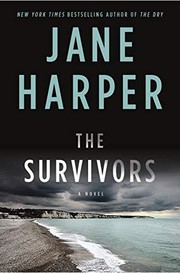
The Survivors
Kieran Elliott returns to Evelyn Bay twelve years after a storm killed his brother, and a young woman's murder forces the town to face what it has concealed.
2,571-word summary · 11 min read

Girl, Forgotten
A rookie US marshal guards a judge with a stalker and ends up reopening the 1982 prom-night murder of the judge's pregnant daughter.
2,111-word summary · 9 min read

The Woods
Twenty years after two teenagers were murdered and two vanished at summer camp, prosecutor Paul Copeland identifies a fresh corpse as one of the missing.
2,490-word summary · 11 min read
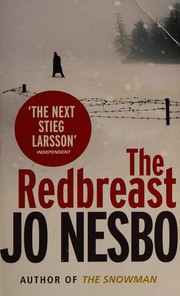
The Redbreast
Harry Hole chases an ageing sniper through modern Oslo while two Norwegian volunteers on the Eastern Front carry a fifty-year-old betrayal toward a royal…
2,453-word summary · 11 min read
The Poet
A crime reporter investigates his twin brother's apparent suicide and uncovers a killer who leaves Edgar Allan Poe quotes behind, in the novel that took…
2,020-word summary · 9 min read