
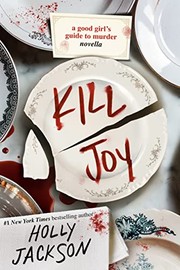
Kill Joy
2,537-word summary 11 min read 208 pages in the book
- First published
- 2021
- Publisher
- Delacorte Press
- Pages
- 208
- ISBN
- 9780593426210
- Series
- A Good Girl's Guide to Murder (#0.5)
Reading options
What's inside (8 sections)
I read Kill Joy on a weeknight when I wanted something short and got something that kept me up anyway. I had finished A Good Girl's Guide to Murder a while back and liked Pip's stubborn way with a recorder and a timeline. When I saw there was a prequel novella, first published in 2021 by Delacorte Press as book 0.5 in the A Good Girl's Guide to Murder series before Pip's senior project, I expected a light extra. The edition I cite runs to 208 pages in the Random House Children's 2023 paperback. I finished it in two evenings, mostly on the couch with my phone face down, and I kept thinking about how clearly you can see the later Pip in the younger one.
This is a small book with a clear job. Show Pip before she is a detective, put her with her friends at a murder mystery dinner party in 1920s dress, let her solve a fake case, and plant the seed for the real one. If you want a full investigation with stakes like the first novel, you will find this thin. If you like watching a character discover what she is good at, and watching friendships creak under play acting, there is plenty to enjoy. I will walk through the night in order, keep the solution fair without ruining every clue, and say where the game confused me.
Pip before the project
When Kill Joy opens, Pippa Fitz-Amobi, called Pip, is not yet the girl with the capstone log and the wall of notes. She is bright, organized, a little anxious about being liked, living in Little Kilton with her parents and her younger brother Josh and her dog Barney. School is normal. University feels far off. She has no podcast, no murder board, no reputation for asking questions adults wish she would drop.
What she does have is the habit that will later make her formidable. She notices. She remembers who said what and when. She writes things down. She hates loose ends. Jackson shows this in small home scenes that I found warm and true. Pip helping in the kitchen while turning over a school worry. Pip checking on Josh. Pip texting with her friends Cara Ward and Lauren Gardner about plans, trying to sound casual when she is really doing the planning for everyone.
Her friendship group matters here more than in the later book because there is no Ravi yet, no case team, just school friends. Cara is her closest friend, funny and loyal, quick to tease. Lauren is warm and a little more careful about how things look. Ant and Zach round out the circle, boys who joke to cover awkwardness, competitive in games, kinder than they pretend. They have known each other for years. They have sleepover habits, snack orders, old jokes. Pip likes them and sometimes feels a half step outside them, the one who reads the instructions while the rest argue about music.
I liked that Jackson does not make young Pip a mini adult detective from page one. She is clever, but she second guesses herself. She wants the evening to go well because she set it up. She worries about seeming bossy. That worry will echo later when she interviews real witnesses and apologizes for pushing. Seeing the root of it here made me fonder of her in the main series.
The dinner party plan
The occasion is a murder mystery dinner party at Pip's house while her parents are out. Pip has organized it, printed roles, set up 1920s dress, planned food that fits a student budget and a theme. Think dropped waistlines from charity shops, headbands, drawn on lipstick, boys in braces and flat caps trying to look like gangsters. The living room is pushed back. Fairy lights are up. Phones are supposed to be away, though of course they creep out.
The premise Pip gives them is simple. It is the 1920s, there has been a murder at a grand house party, each guest has a character sheet with secrets, and together they must find the killer before dessert. She has assigned parts to fit personalities. Cara gets something bold. Lauren gets something sympathetic. Ant gets room to bluster. Zach gets quiet lines that hide more. Pip herself takes a role that lets her steer without seeming to run everything, though she is clearly running everything.
Preparations show Pip's strengths and her blind spots. Strengths first. She has timelines, envelopes, clue cards in order. She has thought about pacing, when to serve food so people can talk, when to drop a new clue so energy does not dip. She has even planned how to bring a shy player in. Blind spots next. She assumes everyone will read everything. She assumes friends will stay in character when they would rather joke. She assumes rules will hold when sugar, nerves, and old crushes enter. Anyone who has hosted a game night will smile here. I hosted one in college that fell apart in twenty minutes because no one read page two. Pip's night holds longer, but the same wobble appears.
There is also the background hum of real life that Jackson does well. Parents texting to check in. A neighbor knocking. Someone worried about staining a borrowed dress. Someone else bringing chips when the theme food looks scary. These bits keep the book from feeling like a sealed puzzle box. It is a Friday night in Little Kilton with costumes on top.
The 1920s murder game
Once the game starts, Jackson lets it play properly for a good stretch, and I enjoyed this more than I expected. The fake case is a staged 1920s murder at a house party, with a victim found in a study and a small circle of suspects who all had reason to wish him quiet. Each character sheet hides debts, affairs, business grudges, and lies about where they were at midnight. Clues come as letters, telegrams, a torn photograph, a bill, a timetable for trains that do not run anymore.
Pip watches her friends turn into their parts in uneven ways. Cara leans in, accents and all, and accuses with glee. Lauren tries to stay kind even as her character lies, apologizing out of character after each fib. Ant argues rules and tries to brute force the solution by shouting motive. Zach goes quieter, which some read as guilt and some read as boredom. Pip moves between them, refilling bowls, nudging shy players, noting who avoids whose eyes.
Her own method starts to show without her naming it. She makes a timeline on scrap paper, just like she will later do for Andie Bell. Who claims to have been on the terrace at eleven. Who heard the shot or says they did not. Who had access to the study key. She lists means and chance the way a teacher taught in history, not the way police do on TV. She asks short questions and then stays quiet, letting friends fill the gap. She checks paper against talk. When two stories clash, she marks it instead of smoothing it over to keep the night nice.
I found the fake case fair and fun, though crowded. There are enough red herrings to keep five players busy, and Jackson plants one clever timetable trick that I should have caught. A train time, a servant's round, a dress with a stain that could only happen in one place. Pip catches it because she remembers a throwaway line from an hour before. That moment gave me a little lift. Oh, I thought, there she is. The later Pip who will catch the wrong verb in a confession text is already here, catching the wrong time on a dance card.
Friends under pressure and friction
Games reveal friendships, and this one starts to press on sore spots. That is the best writing in the novella for me. Cara wants to win and teases hard. Lauren wants everyone to have fun and smooths too fast. Ant hates looking foolish and gets loud when his theory breaks. Zach withdraws when teased, then snaps back with something sharper than the game needs. Pip tries to hold all of it, host and player and friend, and starts to fray.
Small fights break out in character and half out. An accusation about a fake affair lands too close to a real rumor at school. A joke about money stings because someone's family is actually stretched. A clue about a forged letter makes Ant defensive in a way that feels bigger than paper. Pip notices and tries to fix it with snacks and structure. More clues. More order. But feelings do not follow game order. Lauren goes quiet. Cara doubles down on jokes. Zach leaves the room for air.
Jackson handles this without turning anyone into a villain. These are good kids playing at murder while carrying normal teenage loads. Exams. Parents. Crushes that have not been said out loud. Pip's need to control the night reads as care, not bossiness, though her friends sometimes call it bossy because that word is handy at seventeen. I recognized myself in Pip here. I have ruined a party game by explaining rules twice. I have watched friends roll their eyes and felt my face heat. Jackson gets that heat right.
There is also a thread about how Pip thinks differently and knows it. She sees patterns faster. She holds times in her head. She likes being right, and she feels guilty about liking it when being right means a friend looks bad. Cara calls her out gently at one point, half joking that Pip enjoys catching people. Pip denies it too fast, then admits later in a quiet aside that solving feels good in a way that scares her a little. That aside matters. In the main series Pip will chase truth past safety warnings. Here you see the appetite form, small and bright, before it has a real cost.
When the game turns cold
Without spoiling the exact solution, the night tilts. What starts as play starts to feel pointed. A clue hits too close to real life in Little Kilton. A name or detail in the game echoes something true about the town, about older kids, about parties where things happened that adults hushed. The friends laugh less. Pip feels it too, a chill that the costumes cannot cover. Is Jackson saying the game was built to warn them. Is someone using the game to say what cannot be said plainly.
The last act moves from puzzle to unease. Pip solves the staged murder, and her solution is neat and earned. She lays out timeline, means, and lie in a rush of talk that will remind series readers of her later reveals. Her friends clap, groan, accuse her of peeking at the answers. For a minute the night feels saved. Then something happens outside the game frame that does not fit the envelopes. A sound. A message. A figure or a sign that someone has been watching the house. Jackson keeps it restrained, no chase through woods, no big rescue, just enough to remind you what town this is and what book comes next.
I will keep the detail vague because the scare works better cold, but its function is clear. It links play murder to real murder. Pip, who has just felt the high of solving, feels the drop of fear right after. Solving did not keep anyone safe. Knowing the answer did not stop her hands shaking. She checks locks, texts her parents, sits with her friends in normal clothes with the 1920s wigs off, and the room feels smaller. The hook into A Good Girl's Guide to Murder lands in that quiet. Later, when Pip chooses the Andie Bell case for her project, you will remember this night and understand why she both wants it and dreads it.
My main complaint about this stretch is game confusion. With five players, fake names, real names, 1920s roles, and modern asides, I sometimes lost who said what. A line of dialogue in character sounds like a clue, then turns out to be Cara joking. A real tension sounds like play until Lauren's face shows it is not. Jackson tries to tag speech clearly, but in a short book with fast talk some scenes blur. I flipped back twice to check who was accusing whom. Younger readers who love the series may not mind. I minded a little because Pip's logic deserves a clean stage.
A prequel ending and what I thought
The close is gentle and smart. No one is arrested because no real crime has been solved. The friends clean up, eat cold food, trade photos, promise to do it again though they look tired. Pip keeps her timeline scrap, folds it into a book, and does not throw it away. She lies awake turning over both the fake solution and the real scare, and you can feel her mind asking the question that will drive the next book. What if the official story is wrong. What if someone needs to check.
As a prequel, Kill Joy does its job with care. It gives Pip an origin for method without making her a prodigy. Timelines, quiet questions, checking paper against talk, all appear here as party skills before they become tools. It gives the friend group texture that pays off later. When Cara's family matters in Guide, you will remember Cara laughing in a headband. When Pip pushes too hard in interviews, you will remember her pushing here over clue cards and feeling sorry after. It also sets tone. Little Kilton looks ordinary and a little watchful even on a fun night, which is exactly how the town feels when the stakes turn real.
My fair criticisms stand beside that praise. This is thin by design, and thin shows. The mystery inside the game is solid but small, solved in pages once Pip focuses. The real world scare is a hook, not a plot, and readers who want closure will feel teased. The book is bridge only in the sense that it points forward. You could skip it and start with Guide without missing any fact you need. The confusion I mentioned, fake versus real talk, makes the middle sag for adult readers even as teen readers may breeze through on energy.
Still, I am glad it exists. At 208 pages in the paperback I cited, it respects your time. Holly Jackson writes teens who sound like teens, kind and cruel in quick turns, brave about small things and scared about big ones. Pip's spark here is not solving a fake 1920s murder. It is noticing that solving felt good and scary at once, and wondering what that means about her. That wonder leads straight to Andie Bell and Sal Singh. If you loved Guide, read this as a warm up on a quiet night. If you are new, start with Guide first, then come back here to see where Pip began, in a living room full of costumes, holding a scrap timeline like it might be a map.
FAQ
Where does Kill Joy fit in the series?
It is book 0.5, a prequel novella set before Pip chooses the Andie Bell case for her school project in book 1.
When was Kill Joy published and which edition is the page count from?
It was first published in 2021 by Delacorte Press. The 208 pages cited here are the Random House Children's 2023 paperback.
What happens in Kill Joy?
Pip hosts a 1920s themed murder mystery dinner with Cara, Lauren, Ant, and Zach. The game solves neatly, then a scare hints at real danger.
Similar books
More from A Good Girl's Guide to Murder first, then related titles.
A Good Girl's Guide to Murder
Pip reopens a closed murder case for a school project and finds the town wanted it shut.
2,621-word summary · 12 min read

Good Girl, Bad Blood
Pip swears off sleuthing, then podcasts a missing friend case that tests fame and cost.
2,011-word summary · 9 min read
As Good As Dead
Pip faces online threats and a stalker as she investigates a serial case in the trilogy finale.
2,962-word summary · 13 min read
The Reappearance of Rachel Price
Bel films a doc when her missing mother walks back after years.
2,254-word summary · 10 min read

What She Knew
Rachel lets her eight-year-old son run ahead in a Bristol park, and the nine-day search turns her into a suspect in the public eye.
2,952-word summary · 13 min read

The Beach House
A young valet is beaten to death at a Hamptons party, and his law-student brother spends a year building a case against the family that covered it up.
2,049-word summary · 9 min read

Six Years
A professor who promised to forget the woman he loved sees her husband's obituary and discovers that the wedding, the marriage, and the woman herself may never…
2,076-word summary · 9 min read

Rules of Prey
Minneapolis detective Lucas Davenport hunts a killer who leaves a new rule at every scene and treats murder as a game of wits.
1,914-word summary · 9 min read

4th of July
Lindsay Boxer shoots two armed teenagers in self-defense, faces a wrongful-death trial, and spends her leave chasing a string of throat-slashing murders in…
2,192-word summary · 10 min read

61 Hours
A bus crash strands Jack Reacher in a snowbound South Dakota town where a drug gang, a corrupt police force, and a single witness are on a collision course.
2,227-word summary · 10 min read

Still Missing
A realtor is abducted at a Vancouver Island open house and held for more than a year. Told through therapy sessions, the novel follows her escape and the hunt…
2,466-word summary · 11 min read

Bad Luck and Trouble
A deposit of $1,030 summons Jack Reacher back to his old army unit, which is being picked off one name at a time.
2,366-word summary · 11 min read

3rd Degree
The third Women's Murder Club novel follows a San Francisco terror cell and a three-day killing schedule, and it costs the club a member.
2,685-word summary · 12 min read

Worth Dying For
Reacher stops for one night in rural Nebraska and finds a family that runs the county, a missing girl and a shipment worth killing for.
2,021-word summary · 9 min read

Say You're Sorry
A widowed prosecutor defends the teenager accused of killing her babysitter, uncovering a small town's secrets and a killer hiding in plain sight.
2,116-word summary · 9 min read

Echo Burning
Reacher hitches a ride with a Texas woman who wants her abusive husband killed, then has to prove she did not murder him when he comes home.
2,209-word summary · 10 min read

Girl, Forgotten
A rookie US marshal guards a judge with a stalker and ends up reopening the 1982 prom-night murder of the judge's pregnant daughter.
2,111-word summary · 9 min read

The Woods
Twenty years after two teenagers were murdered and two vanished at summer camp, prosecutor Paul Copeland identifies a fresh corpse as one of the missing.
2,490-word summary · 11 min read
The Boy from the Woods
Wilde, found feral in a New Jersey forest in 1986, hunts for a missing teenager while a senator's secrets tear a wealthy town apart.
2,270-word summary · 10 min read
Without Fail
Reacher is asked to test vice presidential security by planning to kill.
2,084-word summary · 9 min read
Things We Do in the Dark
A comedian kills her husband, then a podcaster digs up her teen murder past.
2,427-word summary · 11 min read
The Widow
A widow of a suspected criminal faces reporters and police while hiding what her marriage really cost.
2,599-word summary · 12 min read
The Racketeer
A jailed lawyer trades a judge murder secret for freedom and revenge.
2,434-word summary · 11 min read
The Night Swim
A true crime podcaster covers a rape trial while probing an old drowning in a small town.
2,260-word summary · 10 min read
The Judge's List
Lacy Stoltz hunts a sitting judge who murders off his list.
2,513-word summary · 11 min read
The Innocent
A government hitman refuses one kill and must protect a teenage girl at the center of a cover-up.
2,403-word summary · 11 min read
The Girl Who Was Taken
A survivor returns alone while a reporter digs for her lost sister.
2,261-word summary · 10 min read

The Club
A luxury island resort for the rich turns deadly when secrets, staff and guests collide.
2,386-word summary · 11 min read
The Chalk Man
Childhood chalk codes lead to a murder that follows friends thirty years later.
2,350-word summary · 10 min read
The Silent Wife
A Chicago psychologist watches her twenty-year partnership collapse when Todd leaves for Natasha, then plans murder.
2,591-word summary · 12 min read