
Reading options
What's inside (6 sections)
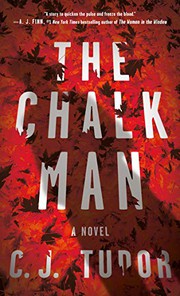
I read The Chalk Man with lights on because childhood codes turning deadly hits a nerve. First published in 2018 by Crown at 290 pages in hardcover, it is a debut thriller alternating between 1986 and 2016 in Anderbury, England. Eddie Adams and four friends used chalk stick figures in colors to send secret messages. Then a girl is found dead in the woods, blame falls, town moves on broken. Thirty years later chalk letters return and friends die. I found it creepy, sad, and twisty, with an ending that reframes Eddie fully. It wears Stephen King love openly and earns most of it.
Eddie narrates both times. In 1986 he is twelve, with Fat Gav, Metal Mickey, Hoppo, and Nicky, the only girl. They ride bikes, tease, dare. New teacher Mr. Halloran, nicknamed the Chalk Man for albinism, inspires code. Each child has a color and a stick figure. Messages appear on walls, fences, playgrounds. Meet here. Secret. Help. It feels innocent till it guides them to horror. At the fair, teen Elisa is hurt on a ride, saved by Eddie and Halloran. Eddie crushes. Halloran begins secret relationship with her. Bullying, assault, drowning, pregnancy rumors swirl. Then chalk leads the five into woods where they find Elisa beheaded and dismembered. That image, kids finding, stays. Tudor does not linger gory. She focuses on shock and silence after. Who drew. Why us. What now.
Blame lands on Halloran. Town drives him out. He later dies by suicide. Reverend Martin, Nicky's abusive father, is beaten by townsmen for impregnating Hannah? Actually Hannah pregnant, thought Sean's then revealed Martin's. Martin ends vegetative for thirty years. Sean, Mickey's brother who assaulted Eddie, drowns. Town decides story closed to heal. Kids grow with cracks. Eddie becomes teacher with drinking and kleptomania, living with young lodger Chloe. Gav runs pub in wheelchair after crash. Hoppo plumbs. Mickey and Nicky vanish. No one talks about chalk. Till letters come.
Thirty years later
In 2016 Eddie still lives in Anderbury, teaching, stealing small things he does not need, drinking too much, crushing on Chloe who is much younger and kind in a distant way. Mickey calls about writing a book on Elisa, then all five get chalk figures from that day. Mickey is found drowned where Sean died. Eddie reunites with Nicky, learns Hannah left and had a daughter who is Chloe. Chloe reveals Mickey sent letters to reunite for material. That night truth about Elisa emerges. Reverend Martin mistook Elisa for Hannah in woods and killed her. He tries to kill Chloe. Eddie, Hoppo, and Nicky fight him. Nicky kills him with an axe. Hoppo killed Mickey to hide his own guilt over Gav's crash after Mickey learned Hoppo spiked his drink years ago. Layers of murder to hide shame stack fast. It is a lot, but grief makes people stupid and violent in believable ways.
The final revelations about Eddie hit hardest and I will handle carefully to avoid ruining fully. In 1986 Eddie found Elisa first alone, stole her head and parts, hid them in his parents' house, drew misleading chalk to lead friends to the rest. In 2016 his memory fails with early Alzheimer's like his father, making narration unreliable. He is not evil in simple way. He is a traumatized kid who did unthinkable from shock and curiosity, then lived with it while drinking to forget. That reframe made me reread his 1986 chapters with pity and fear. Clues were there. His fascination with Elisa, his stealing habit starting early, his gaps. Tudor plants fairly. You can guess something is off about Eddie without guessing all. That balance is skillful for a debut. Unreliable without cheating.
Nicky as adult grounds. She left, returned, carries abuse from father Martin and town gossip. She protects Chloe fiercely once learning Chloe is Hannah's daughter, not just lodger. Her killing Martin is not triumph. It is exhausted end to lifelong fear. She shakes after. Eddie holds without fixing. Their bond, childhood friends damaged same summer, feels truer than romance. No kiss to fix. Just sitting together after police. Hoppo's confession about Mickey also aches. Best friends since bikes, one mistake with drink and driving, one cover with drowning. Shame compounds over thirty years till another death. Forgiveness does not come clean. Gav in wheelchair, caused by Hoppo and Mickey's night, must live with both friends' guilt. Town keeps score quietly.
Mr. Halloran haunts as injustice. Albino teacher who inspired kids, loved Elisa wrongly given age gap, intervened to save Eddie from Sean, then blamed for murder he did not do. Driven out, suicide. Town needed a stranger to blame rather than face Martin, a reverend, or Eddie, a child. That scapegoating feels true to small places. Difference plus proximity equals suspect. Tudor, who cites King, knows how towns eat outsiders. Halloran's kindness to Eddie makes his fate sadder. He saved a boy and lost all. No one apologizes after truth. Dead cannot hear. That lack of repair lingers. Justice delayed is not justice.
What chills and what strains
What chills is atmosphere. Anderbury in 1986 with bikes, fairs, woods, chalk on brick. Nostalgia curdles. You smell rain and chips while dreading woods. In 2016 same streets feel tired, pubs quiet, houses damp. Eddie's kleptomania, stealing trinkets from students and shops, shows memory and guilt in action. He takes to remember, to hold. Chloe's presence as lodger blurs lines. Is he creepy or lonely. Both, uncomfortably. Tudor lets Eddie be sympathetic and unsettling. Teaching while drinking, crushing on a younger tenant, stealing. You root and recoil. That duality drives. Can you love a narrator who did terrible at twelve and hides at forty two. I did, uneasily, which is point.
Chalk code as device works visually. Colors, stick figures with crowns and hats, messages only kids read. Adults see scribbles. Kids see calls. That secret language captures childhood perfectly. When adult letters reuse code, dread spikes because only five know. Who remembers. Who never left mentally. Mickey using it for a book is cruel and believable. True crime as exploitation. Friends as material. That meta jab at our own reading of murders for entertainment stings. We are Mickey, wanting reunion for story. Tudor implicates readers gently. You wanted twists. Here are bodies.
What strains is plot pileup at the end. Martin killed Elisa, Hoppo killed Mickey, Eddie hid head, Gav's crash, Hannah's child, Chloe's parentage, Alzheimer's onset. So many reveals in fifty pages exhaust. A couple could cut. Mickey sending letters solely for a book feels thin after murder motives. Drunk driving cover from decades ago leading to drowning now stretches. I accepted because grief makes people hold old shames hot, but logic wobbles. If you need tidy, you will frown. This is emotional logic more than police logic. Police barely appear. Friends solve by confronting in woods with axes, not labs. That rustic justice fits village but strains belief in 2016 with phones. No one calls police till after. They handle. Small town code persists.
Content is heavy. Child murder dismemberment discussed, not graphic long. Sexual assault of a minor by adult and by teen, bullying, suicide, alcoholism, theft, Alzheimer's. No explicit sex scenes linger. Fear is psychological with gore hints. Suitable for adults who like King style coming of age horror. Teens older with care, given assault and murder. It is not cozy mystery. It is village noir with ghosts of kids.
Who should follow chalk
Read it if you like It or Stand by Me but British and meaner, or Broadchurch with kids. Read it for 1980s nostalgia that turns. At 290 pages it moves fast with short chapters and cliffhangers. Good for a weekend thrill.
Skip it if you need likable heroes or dislike unreliable narrators with dark acts. Eddie did terrible and hides. You must sit with that to finish. Skip if child harm is too close. Elisa's fate drives all and is described enough to hurt. Take care.
For me, the image that stays is chalk figures in color on a brick wall, child high, bright in sun, meaning meet at woods. Then same figure in white letter thirty years later, shaky adult hand, meaning remember or die. Messages outlive senders. At 290 pages, The Chalk Man argues childhood never leaves towns or minds. Codes persist, guilt persists, friendship persists in warped forms. Eddie stealing small things to hold memory, drawing to lead and mislead, forgetting as disease starts, embodies all. I closed it sad for Halloran, angry at Martin, tender toward Nicky and Hoppo despite murders, uneasy about Eddie. That unease, not knowing whether to hug or report him, is the book's power. Debuts rarely sustain that ambivalence. Tudor does. Follow chalk carefully. It leads to woods where kids found what adults hid. Look, then decide what to carry home. Some heads should stay buried. Some truths must be told even if hands shake drawing them.
1986 and 2016 mirrors
I want to say more about mirrors between times, because Tudor structures with care. In 1986 kids ride bikes, share sweets, dare, bully. Adults drink at pubs, gossip at school gates, trust reverends. In 2016 same streets hold same people older, tired, with phones but same habits. Eddie teaches kids who remind him of self. Gav runs pub his parents ran. Hoppo fixes pipes in houses they once egged. Nicky returns with scars visible. Chloe, young lodger, represents youth watching adults as they once watched adults. History rhymes without repeating exactly. Chalk then meant adventure. Now means threat. Same symbols, changed hands. That change tracks how innocence curdles when unaddressed. Unspoken murders do not fade. They wait for anniversaries, books, letters. Mickey writing a book about Elisa forces return because true crime profits from reopening. Town preferred silence that protected Martin and condemned Halloran. Silence worked till someone monetized memory. Then all must speak or kill again. They do both.
Eddie's kleptomania and drinking in 2016 mirror his stealing and hiding in 1986. As a boy he stole Elisa's head and parts, hid in parents' house, drew false chalk to mislead friends. As a man he steals trinkets from students, shops, friends, hides in flat, drinks to blur. Same pattern, smaller stakes, till stakes rise again. Addiction as repetition, not just substance but behavior. Take to hold, drink to forget, draw to redirect. Therapy never mentioned. He copes alone badly. Chloe's kindness almost breaks cycle. She sees theft and says nothing at first out of pity, then asks why. That why could heal if Eddie answered honestly. He deflects with jokes. Missed chance aches. Readers want him to confess to Nicky sooner. He waits till forced by Martin's return. Delay costs Mickey's life? Actually Hoppo killed Mickey, but Eddie's silence enabled atmosphere where old shames fester. Speaking earlier might not have saved, but might have. That might haunts.
Nicky's abuse by father Martin underlies all and deserves careful attention. Reverend beats, preaches, controls. Nicky protects friends by silence, then leaves town to escape. Returning means facing abuser vegetative for thirty years after townsmen beat him. She visits? Actually avoids till end. Her killing him with axe in woods is not triumph but end to lifelong terror. She shakes, cries, is held. No cheers. Tudor handles without glorifying vengeance. It is necessary to save Chloe, not justice for past. Past cannot be fixed by axe. Future can be protected. That distinction matters. Revenge fantasies promise healing. Reality gives shaking hands and police statements. Nicky accepts. She will live with killing as she lived with abuse, with help hopefully. Eddie understands without words because he lives with his own hidden killing of dignity if not person? Actually hiding body parts is desecration, not murder, but guilt similar. Shared guilt bonds them more than romance could. They sit together after, two kids grown who did terrible young and survived. No forgiveness speech. Just company. That company is enough for now.
Halloran as scapegoat needs emphasis for how towns choose strangers. Albino, new teacher, kind to outcasts, loves teen wrongly. Difference plus kindness to vulnerable reads as grooming to suspicious minds, even when his intervention saved Eddie from Sean. After Elisa found, town needs someone to blame who is not reverend or child. Halloran fits. Driven out, suicide. No trial, no proof. Just whispers and stares. Later truth about Martin does not resurrect. No apology issued. Town moves on. That injustice mirrors real panics about outsiders. Tudor, who worked varied jobs before writing, knows how quickly nice streets turn. She lets Halloran remain ambiguous. He did have relationship with Elisa, wrong given age gap even if consensual in his mind. He is not saint. But he did not kill. Town punished wrong crime for wrong reasons, letting real killer lie vegetative while child hid head. Complexity resists simple innocent victim narrative. Good. People contain both kindness and wrong. Judgment must sort, not lump. Town failed to sort. Eddie fails too by hiding. All complicit in different degrees. That shared complicity is why chalk returns. Unfinished business chalked, not washed by rain.
Alzheimer's onset in Eddie at end reframes narration ethically. Is he forgetting or hiding. Early signs his father had disease suggest genetics, not excuse. His memory gaps in 2016 could be illness as well as guilt. That ambiguity asks how to judge unreliable narrators with cognitive decline. Do we blame forgetting. Do we trust confession given while ill. Tudor does not resolve. Eddie shows signs, not diagnosis. Readers must decide how much to trust his account of 1986 given present fade. I chose to trust core because details align with Nicky and Hoppo, but doubt edges. That doubt is productive. It models how we listen to aging witnesses. With care, corroboration, compassion. Do not dismiss because ill. Do not accept fully without check. That balance is rare in thrillers that use illness as twist. Here it is human condition, not trick. Eddie fading while past sharpens is sad beyond plot. Mind goes where trauma lives. Chalk bright while names blur. Remember that when judging. Hold gently.
FAQ
When was The Chalk Man published?
It was first published in 2018 by Crown at 290 pages. It is a standalone debut thriller.
What is the setup?
Eddie and friends used chalk figures in 1986 Anderbury. A girl is found dead and letters return in 2016.
Similar books

What She Knew
Rachel lets her eight-year-old son run ahead in a Bristol park, and the nine-day search turns her into a suspect in the public eye.
2,952-word summary · 13 min read

The Beach House
A young valet is beaten to death at a Hamptons party, and his law-student brother spends a year building a case against the family that covered it up.
2,049-word summary · 9 min read

Six Years
A professor who promised to forget the woman he loved sees her husband's obituary and discovers that the wedding, the marriage, and the woman herself may never…
2,076-word summary · 9 min read

Rules of Prey
Minneapolis detective Lucas Davenport hunts a killer who leaves a new rule at every scene and treats murder as a game of wits.
1,914-word summary · 9 min read

4th of July
Lindsay Boxer shoots two armed teenagers in self-defense, faces a wrongful-death trial, and spends her leave chasing a string of throat-slashing murders in…
2,192-word summary · 10 min read

61 Hours
A bus crash strands Jack Reacher in a snowbound South Dakota town where a drug gang, a corrupt police force, and a single witness are on a collision course.
2,227-word summary · 10 min read

Still Missing
A realtor is abducted at a Vancouver Island open house and held for more than a year. Told through therapy sessions, the novel follows her escape and the hunt…
2,466-word summary · 11 min read

Bad Luck and Trouble
A deposit of $1,030 summons Jack Reacher back to his old army unit, which is being picked off one name at a time.
2,366-word summary · 11 min read

3rd Degree
The third Women's Murder Club novel follows a San Francisco terror cell and a three-day killing schedule, and it costs the club a member.
2,685-word summary · 12 min read

Worth Dying For
Reacher stops for one night in rural Nebraska and finds a family that runs the county, a missing girl and a shipment worth killing for.
2,021-word summary · 9 min read

Say You're Sorry
A widowed prosecutor defends the teenager accused of killing her babysitter, uncovering a small town's secrets and a killer hiding in plain sight.
2,116-word summary · 9 min read

Echo Burning
Reacher hitches a ride with a Texas woman who wants her abusive husband killed, then has to prove she did not murder him when he comes home.
2,209-word summary · 10 min read

Girl, Forgotten
A rookie US marshal guards a judge with a stalker and ends up reopening the 1982 prom-night murder of the judge's pregnant daughter.
2,111-word summary · 9 min read

The Woods
Twenty years after two teenagers were murdered and two vanished at summer camp, prosecutor Paul Copeland identifies a fresh corpse as one of the missing.
2,490-word summary · 11 min read
The Boy from the Woods
Wilde, found feral in a New Jersey forest in 1986, hunts for a missing teenager while a senator's secrets tear a wealthy town apart.
2,270-word summary · 10 min read
Without Fail
Reacher is asked to test vice presidential security by planning to kill.
2,084-word summary · 9 min read
Things We Do in the Dark
A comedian kills her husband, then a podcaster digs up her teen murder past.
2,427-word summary · 11 min read
The Widow
A widow of a suspected criminal faces reporters and police while hiding what her marriage really cost.
2,599-word summary · 12 min read
The Racketeer
A jailed lawyer trades a judge murder secret for freedom and revenge.
2,434-word summary · 11 min read
The Night Swim
A true crime podcaster covers a rape trial while probing an old drowning in a small town.
2,260-word summary · 10 min read
The Last House on Needless Street
A lonely man, a cat and a mysterious neighbor pull you into a house full of buried trauma.
2,627-word summary · 12 min read
The Judge's List
Lacy Stoltz hunts a sitting judge who murders off his list.
2,513-word summary · 11 min read
The Innocent
A government hitman refuses one kill and must protect a teenage girl at the center of a cover-up.
2,403-word summary · 11 min read
The Girl Who Was Taken
A survivor returns alone while a reporter digs for her lost sister.
2,261-word summary · 10 min read
The Club
A luxury island resort for the rich turns deadly when secrets, staff and guests collide.
2,386-word summary · 11 min read
Relic
A museum beast kills during an exhibition while an agent investigates.
2,066-word summary · 9 min read

Full Dark, No Stars
Four novellas about revenge where ordinary people do terrible things and live with it.
2,646-word summary · 12 min read
The Silent Wife
A Chicago psychologist watches her twenty-year partnership collapse when Todd leaves for Natasha, then plans murder.
2,591-word summary · 12 min read
The Overnight Guest
A snowbound writer shelters a lost boy in Iowa while a twenty-year-old story of neglect closes in.
2,580-word summary · 11 min read
Running Blind
Jack Reacher must catch a killer who murders women with no forced entry and no trace.
2,008-word summary · 9 min read