
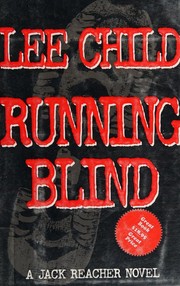
Running Blind
2,008-word summary 9 min read 360 pages in the book
- First published
- 2000
- Publisher
- G.P. Putnam's Sons
- Pages
- 360
- ISBN
- 9780399146237
- Series
- Jack Reacher (#4)
Reading options
What's inside (9 sections)
I read this Jack Reacher novel on a plane and missed my connection because I kept telling myself one more chapter. It is a locked room puzzle dressed as a thriller, with women found dead in baths and no sign of entry. First published in 2000 by G.P. Putnam's Sons, at 360 pages in hardcover, it is fourth in the Jack Reacher series, published in the UK as The Visitor. On this site it follows Killing Floor, and it shows Reacher pulled back into Army trouble he thought he left.
Reacher is drifting when the FBI finds him. Two women with military pasts have been killed in their own tubs, painted in camouflage paint, with no forced entry and no clear cause at first glance. A third may be next. The Bureau wants Reacher to think like a soldier and like a suspect, because the killer knows Army life. Reacher agrees on condition they feed him and leave him mostly alone, which they do not.
Jodie Jacob, Reacher's lover and a lawyer, is tied to the case by family. Agent Julia Lamarr, tough and grieving, leads with a personal stake. Her sister was one victim. That grief makes her sharp and sometimes unfair to Reacher. The team circles a small pool of men who knew the victims and knew how to enter without breaking.
The setup that hooks
The opening deaths are clean and scary. A woman in a bath, water too hot, paint in her throat and stomach, bruises that suggest she was held down without a fight for the door. No windows forced. No alarms tripped. Neighbors heard nothing. The medical details point to drowning with help, but help that left little mark.
Reacher reads photos the way other people read letters. He notices paint under nails, water temperature logs, and the order of clothes folded nearby. He asks about locks, sight lines, and who had keys months ago rather than now. Those questions annoy the FBI, who want profiles and lists. Reacher wants habits. Who shops when, who runs at dawn, who trusts a familiar voice at the door.
The victims share threads. All served in the Army, all faced harassment complaints, all left service with files that powerful men wanted sealed. All lived alone and kept routines. All knew the man who may have killed them, or thought they knew someone like him. That trust is the lockpick.
Jodie's link raises heat. Her father, a general, handled one complaint badly. She loves Reacher and fears what he will find. Their talks mix affection with warning. She asks him to be careful with names that can sue. He promises little, which is honest and unhelpful. Their bond gives Reacher a reason to stay beyond curiosity.
I liked how Child sets rules early and plays fair. No entry means the killer was let in or had a way that looks like permission. Paint means planning, not rage alone. Bath means control of time and place. Those three facts narrow the field without cheating, so readers can guess alongside Reacher if they watch closely.
Reacher against the Bureau
Much of the fun is Reacher versus procedure. The FBI team works with boards, timelines, and task forces. Reacher works with walks, coffee, and silence. He visits scenes at the hour of death to feel light and sound. He sits in cars outside houses to learn who waves. He asks janitors and doormen more than bosses.
Lamarr dislikes him on sight. She sees a drifter with Army stains and a lawyer girlfriend who buys him clothes. She lost her sister and wants a fast arrest. Reacher's slow loops feel like disrespect. Their fights crackle because both have points. She needs process that holds in court. He needs freedom to test ideas that process would starve.
Other agents fill out the room. A tech who loves data, a senior who fears press, a local cop who knows streets. Reacher uses them without joining them. He borrows a file, returns it late, and remembers a footnote everyone missed. That lone wolf habit can irk readers who like teamwork, but it fits a man who left the Army to walk.
The Bureau also suspects Reacher briefly, which is standard and handled well. He has the build, the training, and no address. Child lets that suspicion breathe just long enough to show how Reacher handles pressure. He does not plead. He states facts and waits. That calm unnerves career interviewers more than shouting would.
Jodie threads calls through this stretch with legal cautions. She warns about defamation, chain of custody, and talking to press. Reacher listens halfway. He respects law but trusts ground truth more. Their dynamic shows love between equals who work in different worlds, one of briefs and one of bruises.
Jodie, Lamarr, and grief
Jodie Jacob is more than a girlfriend here. As daughter of a general tied to old complaints, she carries guilt by association and love for a father who failed women under his command. She helps Reacher read files with a lawyer's eye for what was buried in language. Euphemisms like reassigned and counseled hide threats. She translates them fast.
Her scenes with Reacher are warm without slowing the hunt. They cook, talk, and sleep in short hours between drives. She asks him to promise he will not die for this case. He cannot promise, and she knows it. That honesty keeps their romance from soap. They choose each other knowing cost.
Lamarr's grief is rawer. She loved her sister and missed signs. She keeps a photo, works late, and snaps at kindness. Reacher sees through her toughness to shame, which makes him gentler with her than she expects. He does not excuse her errors, but he does not use them either. Their late truce feels earned, not forced for plot.
Victims get backstories that avoid cliché. They were competent soldiers who reported harassment and paid for it with stalled careers and whispers. Friends describe them as careful, funny, and tired of explaining. The book respects them by solving for justice rather than using their deaths as wallpaper. I appreciated that restraint in a genre that often forgets names.
Family pressure shapes both women. Jodie's father wants the past sealed. Lamarr's parents want answers that courts may not give. Reacher stands outside families, which lets him ask rude questions insiders cannot. Who signed this transfer. Who paid for that lawyer. Who knew the bath routine. Rudeness works when paired with care for the dead.
How the killer gets in
The middle turns on method. No forced entry plus paint plus bath narrows to someone trusted with access or someone who can create trust fast. Reacher tests repairmen, delivery uniforms, and old Army IDs. He learns which buildings buzz strangers in without looking and which neighbors hold doors for a smile.
Paint matters more than it first seems. Camouflage paint in mouths and stomachs suggests forced ingestion, which suggests the victims were alive and controlled before water. That control needs time and calm. A stranger with a gun creates panic and noise. A known face with a story creates minutes. The killer banks on manners.
Child plays with misdirection about strength. Bruises are light, which some read as female killer or weak man. Reacher reads them as skill. A trained person can hold without marking much, using weight and water rather than fists. That reading points back to military training, which fits the pool and raises stakes inside the FBI.
Alibis are checked against travel, not just statements. Flight logs, tolls, and shift sheets place men in cities they denied. One suspect lies about a small trip and ruins his credit for larger truths. Reacher loves small lies because they signal where to dig. Big lies are built well. Small ones leak.
I will not name the killer, but the reveal reuses an early detail about trust and houses that many will miss. On reread it sits in plain sight, which is the best kind of twist. The motive mixes revenge, shame, and institutional cover, not random madness. That grounding makes the horror linger after the arrest logic clicks.
Action that earns its noise
When violence comes, it is fast and physical. Reacher fights in kitchens and parking lots with weight and elbows rather than quips. Child writes hits that hurt. A head meets a counter, a knee finds air, and breath runs short. No long speeches during fights. Talk happens before or after, when hands shake.
A late house sequence delivers the scare the cover promises. Water runs, paint opens, and routine turns trap. Reacher arrives with minutes wrong and must read a quiet room fast. The scene uses sound well. Drips, humming pipes, and a TV left on. I held my breath even knowing Reacher rarely loses. The victim's fear carries it more than his skill.
The arrest logic holds without a courtroom dump. Evidence is gathered in motion, through keys, receipts, and a bold test that forces the killer to repeat method. That test is risky and a little unlawful, which the book admits. Lamarr signs off with eyes open because grief and proof align. Jodie warns about admissibility, which adds real world grit.
Aftermath avoids tidy healing. Survivors do not thank Reacher with speeches. The FBI files reports that soften his role. Jodie and Reacher part with love and limits, setting up future books where distance grows. Lamarr gets closure without peace, which feels true. Catching a killer does not return a sister.
Pace stays high because chapters are short and end on questions. Even admin scenes move. A fax arrives. A log contradicts. A neighbor remembers a van. Child trusts readers to track without recaps, which I prefer to hand holding. If you blink, you miss a clue, but you never feel lost about stakes.
What works and what stretches
Strengths are puzzle fairness and Reacher's voice. The no entry problem is clean, clues are visible, and Reacher's reasoning is shown step by step. His dry humor lands without undercutting deaths. Lines about coffee, shoes, and doors relieve pressure at the right times. The book respects soldiers who reported abuse, which gives anger a target beyond one killer.
Fair criticism centers on science and coincidence. The drowning method with paint stretches medical belief if pressed. Experts in real life would raise flags about timing and traces that the book smooths over. Accept it as thriller logic or it will nag. A late travel coincidence also helps Reacher be in the right town at the right hour. Child earns much goodwill, but that arrival leans on luck.
Some readers may tire of FBI friction. Lamarr's hostility runs hot for many pages before softening. While grief explains it, repetition dulls it. A shorter cold war would keep her sympathetic throughout. Jodie's legal warnings also repeat, though they add realism about what evidence courts need.
As fourth in Jack Reacher after Killing Floor, Die Trying, and Tripwire, with Killing Floor on this site, this entry sharpens the formula. The series order matters less than mood, but reading Killing Floor first helps you feel how Reacher changed from cop to drifter. At 360 pages in hardcover, Running Blind moves fast for a puzzle this careful, and the final image of a quiet bath refilled by rain stayed with me longer than the fights.
A short tip for new Reacher readers
If this is your first Reacher, you can start here without confusion. Child catches you up on his past in a few lines. He was Army police, he walks with a toothbrush and cash, he does not own a phone in these early books. That is enough to follow.
Watch doors and keys as you read. Child leaves the method in small domestic details rather than in lab reports. Who holds a door, who knows a schedule, who is welcomed without question. Those habits solve the case before forensics do, which is why the book rewards careful readers more than fast ones.
FAQ
When was Running Blind published?
G.P. Putnam's Sons published Running Blind in 2000. The hardcover runs 360 pages and is fourth in the Jack Reacher series, published in the UK as The Visitor.
Is it part of a series?
Yes. It is Jack Reacher book four. Reacher is pulled in by the FBI to profile a killer who targets women with military ties.
Similar books
More from Jack Reacher first, then related titles.

Killing Floor
Ex-military policeman Jack Reacher is arrested for murder in Margrave, Georgia, then learns the victim was his brother.
2,872-word summary · 13 min read
Tripwire
In Key West, Jack Reacher follows a murdered detective's trail to New York, an old mentor's files, and a loan shark stealing a dead soldier's name.
2,688-word summary · 12 min read

Echo Burning
Reacher hitches a ride with a Texas woman who wants her abusive husband killed, then has to prove she did not murder him when he comes home.
2,209-word summary · 10 min read
Without Fail
Reacher is asked to test vice presidential security by planning to kill.
2,084-word summary · 9 min read
Persuader
Reacher goes undercover in a Maine crime family to find a missing DEA agent and the man he once failed to kill, and Lee Child keeps the whole thing tight,…
2,278-word summary · 10 min read

The Enemy
In January 1990, MP major Jack Reacher investigates a dead general, a stolen briefcase, and three murders tied to an Army power struggle.
2,123-word summary · 9 min read

One Shot
Six shots, five dead in Indiana, and James Barr asks for Jack Reacher. Reacher leaves Miami to test the proof in this 2005 Delacorte Press thriller, 376 pages,…
2,972-word summary · 13 min read

Bad Luck and Trouble
A deposit of $1,030 summons Jack Reacher back to his old army unit, which is being picked off one name at a time.
2,366-word summary · 11 min read
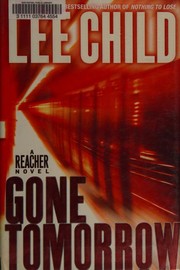
Gone Tomorrow
Reacher stops a suicide bomber on the subway, then hunts her handlers.
2,308-word summary · 10 min read

61 Hours
A bus crash strands Jack Reacher in a snowbound South Dakota town where a drug gang, a corrupt police force, and a single witness are on a collision course.
2,227-word summary · 10 min read

Worth Dying For
Reacher stops for one night in rural Nebraska and finds a family that runs the county, a missing girl and a shipment worth killing for.
2,021-word summary · 9 min read
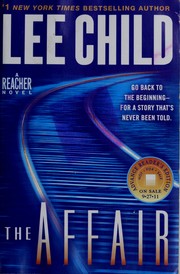
The Affair
In 1997, Reacher goes undercover in a Mississippi town where a murder near an army base collides with a senator's power. The case that ends his military career.
2,039-word summary · 9 min read

What She Knew
Rachel lets her eight-year-old son run ahead in a Bristol park, and the nine-day search turns her into a suspect in the public eye.
2,952-word summary · 13 min read

The Beach House
A young valet is beaten to death at a Hamptons party, and his law-student brother spends a year building a case against the family that covered it up.
2,049-word summary · 9 min read

Six Years
A professor who promised to forget the woman he loved sees her husband's obituary and discovers that the wedding, the marriage, and the woman herself may never…
2,076-word summary · 9 min read

Rules of Prey
Minneapolis detective Lucas Davenport hunts a killer who leaves a new rule at every scene and treats murder as a game of wits.
1,914-word summary · 9 min read

4th of July
Lindsay Boxer shoots two armed teenagers in self-defense, faces a wrongful-death trial, and spends her leave chasing a string of throat-slashing murders in…
2,192-word summary · 10 min read

Still Missing
A realtor is abducted at a Vancouver Island open house and held for more than a year. Told through therapy sessions, the novel follows her escape and the hunt…
2,466-word summary · 11 min read

3rd Degree
The third Women's Murder Club novel follows a San Francisco terror cell and a three-day killing schedule, and it costs the club a member.
2,685-word summary · 12 min read

Say You're Sorry
A widowed prosecutor defends the teenager accused of killing her babysitter, uncovering a small town's secrets and a killer hiding in plain sight.
2,116-word summary · 9 min read

Girl, Forgotten
A rookie US marshal guards a judge with a stalker and ends up reopening the 1982 prom-night murder of the judge's pregnant daughter.
2,111-word summary · 9 min read

The Woods
Twenty years after two teenagers were murdered and two vanished at summer camp, prosecutor Paul Copeland identifies a fresh corpse as one of the missing.
2,490-word summary · 11 min read

The Boy from the Woods
Wilde, found feral in a New Jersey forest in 1986, hunts for a missing teenager while a senator's secrets tear a wealthy town apart.
2,270-word summary · 10 min read
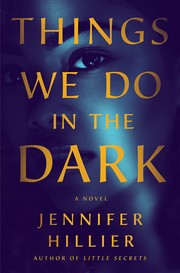
Things We Do in the Dark
A comedian kills her husband, then a podcaster digs up her teen murder past.
2,427-word summary · 11 min read

The Widow
A widow of a suspected criminal faces reporters and police while hiding what her marriage really cost.
2,599-word summary · 12 min read
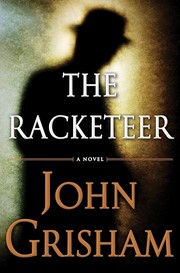
The Racketeer
A jailed lawyer trades a judge murder secret for freedom and revenge.
2,434-word summary · 11 min read

The Night Swim
A true crime podcaster covers a rape trial while probing an old drowning in a small town.
2,260-word summary · 10 min read
The Judge's List
Lacy Stoltz hunts a sitting judge who murders off his list.
2,513-word summary · 11 min read
The Innocent
A government hitman refuses one kill and must protect a teenage girl at the center of a cover-up.
2,403-word summary · 11 min read
The Girl Who Was Taken
A survivor returns alone while a reporter digs for her lost sister.
2,261-word summary · 10 min read