
Reading options
What's inside (9 sections)
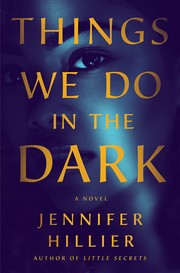
I picked this up because Jar of Hearts had left me uneasy for days. A friend who reads little but thrillers said Hillier had outdone herself with a story about a yoga wife, a dead sitcom star, and a podcaster who cannot let go. Things We Do in the Dark was published by Minotaur Books in 2022, a 345 page hardcover with ISBN 9781250763167. I started it on a Friday night expecting a quick domestic thriller. I finished Sunday with a page of names and arrows. The plot moves between Seattle and Toronto, between a fresh arrest and a teen past Paris Peralta buried deep.
Paris is a Filipina American yoga teacher in her early thirties, married to Jimmy Peralta, a comedian in his late sixties once famous for The Prince of Poughkeepsie. Jimmy is chasing a streaming comeback. Paris teaches classes, keeps house, smiles for photos. The marriage looks odd from outside. Separate bedrooms. A wide age gap. A prenup everyone knows about. It works for them until Paris walks in to find Jimmy dead in the bathtub, his femoral artery cut, with his bloody straight razor in her own hand. She says she just drove back from a yoga convention in Vancouver and found him that way. She lifted the razor in shock. Police see a widow holding the weapon.
What hooked me was how little Hillier lets you settle. Paris may be innocent. She may be lying about small things to hide larger ones. Cops find motive fast when they learn Jimmy changed his will five weeks earlier. The old prenup left Paris about one million. The new will leaves her close to half the estate, around forty six million from an eighty million fortune. Add cocaine in his blood, a hand tremor that made straight razors risky, and tabloid talk about a gold digger fifth wife, and Paris looks awful on television. I swung between sympathy and doubt the whole first third. That wobble is the point.
The bathtub and the razor
The arrest is built to humiliate Paris. Jimmy's assistant Zoe Moffatt calls it in. Officers enter a marble bathroom outside Seattle to find Paris damp and confused in workout clothes, holding Jimmy's favorite straight razor. Tub water red. One arm over the edge. Paris says she called out, heard nothing, went looking. She forgot her phone, so no location trail exists. Border cameras that should clear her failed that night during a storm and maintenance outage.
Hillier writes Paris as someone who detaches under threat. Her mind drifts while her hands keep moving, a habit from childhood. So her flat answers sound cold in interrogation. An officer presses her about not crying enough. She snaps. A cellmate taunts her. Her hands shake later alone.
Elsie Dixon comes in as lawyer and old friend of Jimmy's. Elsie knew him since high school. She wrote the hard prenup. She tells Paris to stay silent, wear the ankle monitor, and wait in a hotel while the house stays a crime scene. Elsie pushes suicide as a theory. Jimmy had a cocaine history. The comeback brought late nights and old habits. The coroner finds drugs in his system. He had memory slips that looked like early decline. A man with a tremor, high, alone in hot water with a straight blade, could slip and cut deep. Elsie half believes it.
Zoe adds noise. She adored Jimmy and never trusted Paris. She hints to reporters that Paris wanted comeback money. Late night hosts joke about the pink slippers Paris wore to jail. Paris watches from a suite and tries the breathing drills she teaches. They do not steady her. She keeps thinking a new name only helps until someone prints your wedding photo.
Ruby Reyes and the blackmail letters
The second squeeze comes in the fan mail box. Inside comeback cards sits a note from Ruby Reyes, a convicted killer in Toronto near parole after almost twenty years for stabbing her lover Charles Baxter, a prominent banker. Canadian papers once called Ruby the Ice Queen for her calm in court. Ruby saw the Peralta wedding photo in a magazine. She writes as if they share a secret. Pay one million or I talk.
Paris burns the first note. Another arrives. The price climbs to three million after parole is granted, then higher. Wording stays careful. Ruby mentions ashes in an urn. She mentions a night Paris thought no one could trace. She encloses an old photo of a teenage girl with dark hair and a guarded stare.
Here the book turns from who killed Jimmy to who Paris is. Hillier feeds the past in flashes. A tight Toronto flat with a mother working long hours and dating badly. A girl named Joey Reyes who learned to go quiet when men shouted. A mother warm one hour and cutting the next. A daughter telling herself she will leave through any door she finds.
Paris insists she never meant to kill anyone in that old life. She only wanted distance. But Ruby keeps writing about debt. Not cash exactly. Time. Ruby believes she sat inside for something that should have been shared. She believes Joey let her carry the weight for Baxter's death. True or a story Ruby built to survive prison, Paris cannot ignore it now that cameras follow her to class.
Drew Malcolm and the podcast
Drew Malcolm hosts a true crime podcast called Things We Do in the Dark. He covered the Ruby trial young and never shook it. He remembers the blood details from the Baxter killing and the whispers that Ruby hurt her only child Joey. Joey later lived with an aunt and uncle in Maple Sound, drifted back to Toronto, danced in a rough club, and rented a room from Drew and his fiancee for a stretch. On New Year's Eve Joey died in a house fire so fierce that identification rested on a butterfly tattoo on her thigh and a necklace. Drew carried guilt for years.
When parole news breaks, Drew plans a season on Ruby. He rings club staff and pulls clips. Visiting his mother in care, he flips a magazine in the lounge and freezes at the Peralta wedding photo. The bride looks like Joey grown older. Same eyes. Same mouth. Same set to the shoulders.
Drew is no clean hero. He married a woman he did not love because she was pregnant. He watched Joey dance at his bachelor party, argued with her about her job, said cruel things. She mocked his choices back. He has replayed that talk for twenty years. Now he flies to Seattle with a recorder and a folder, calling it reporting. It is also apology.
His chapters give the book air. He interviews bouncers and roommates and fire crew. He learns Joey was close to Betty Savage, stage name for Mae Ocampo, a petty thief who sometimes traded sex for cash and dated Vinh Tranh, a violent dealer moving cocaine in that district. An old photo shows Betty and Joey could pass as sisters. Both had butterfly ink from the same cheap flash sheet. Both were thin and watchful. Then Betty vanished around the night Joey supposedly burned. Police guessed a drug debt gone wrong. Drew starts to wonder if the body was mislabeled and Joey borrowed Betty's papers.
Who Paris used to be
The middle lives in Joey's teens and twenties. Hillier draws Toronto winter well. Streetcars hissing. Basement flats smelling of oil. Ruby sewing and cleaning and raging about money. Charles Baxter arrives as the rich man who pays attention. He buys groceries. He pays for a dentist. Then he comes by when Ruby works late. He tells Joey to keep secrets. He touches her and warns her not to tell.
Memories of what happened next shift, which feels true for something this old. In one version Joey begs Ruby to leave him. In another she hides in a closet while they fight. What holds is the night Baxter died in the kitchen. Ruby stabbed him during a row about Joey. Joey, terrified and furious, grabbed an ice skate from a sports bag by the door and struck him as he tried to rise. The wound was horrific. Neighbors heard screaming. Police found mother and daughter bloody, pointing, then silent.
At trial Ruby refused to put Joey up to describe abuse. Counsel warned it would mark the girl for life. Ruby took the conviction. Joey drifted to relatives, then clubs, telling no one.
The fire and the switch
The fire chapter drives the novel, and Hillier plays it plain. Joey comes home late after dancing at Drew's party to find the flat tossed. Drawers out. Mattress slashed. Betty on the floor with her throat and stomach cut, dying fast. Vinh's crew had hunted missing cocaine and cash Betty skimmed. Joey presses hard, shouts for help, then understands help brings Vinh back to finish the job. Betty dies with Joey holding her.
Panic hands Joey an idea that will haunt her dreams. She fastens her own necklace around Betty's neck. She pulls Betty's stash of drug money and powder from a vent where she had seen her hide it. She pours cooking oil, lights the couch with a stove lighter, and walks into snow with Betty's ID and cash. Crews later find a body burned past easy recognition. The tattoo matches Joey's file. The necklace seals it. Drew IDs what he can and weeps. The city lists Joey Reyes as dead.
Hillier does not sell this as clever. Joey vomits in an alley. She sleeps on a bus station bench with a money belt cutting her waist. She buys papers from a man who ignores her shaking. She practices a new signature for hours. She rides west, then south across the border with a story about cousins. She scrubs floors and learns yoga to calm nightmares.
I bought it because Hillier shows cost. Paris cannot swim. She cannot stand lighter fluid smell. She checks locks three times. She keeps a go bag even in a mansion. Jimmy teased her about the bag and she laughed it off. After his death she sleeps with it by the hotel bed. Habits built for danger outlive the danger.
Elsie, Jimmy, and the pond
Border video at last helps Paris. A traffic camera and a gas receipt place her north during the window when Jimmy bled out. The murder charge wobbles. Drew shares files with a Seattle detective. Focus swings to the house. Who held keys. Who knew about the will. Who knew Jimmy used again and would be woozy in hot water.
Hillier placed Elsie with care. She brings soup. She tends monitor rash. She knows the alarm code. She dislikes Paris in a polite way that passes as protectiveness. Home cameras Paris forgot show a figure with Elsie's walk entering in the gap. Faced with it, Elsie breaks in a sad rather than grand way. She loved Jimmy since teens. She managed him and buried his messes. He married five times and never picked her. When he rewrote the will for Paris, something tipped. She says she went to urge rehab and found him high and slippery in the tub, mean when she mentioned Paris. She lifted the razor to frighten him. He lunged. The leg cut went deep and fast. She froze, wiped the handle badly, left.
The close returns to Toronto. Ruby wants a meeting at a farm by a pond. Paris goes with Drew filming from the car. Ruby is older, still striking, still furious. She says Joey killed Baxter and let her mother serve the years. Paris says Baxter abused her and Ruby left her alone with him to keep rent paid. Both weep. Neither forgives. Ruby demands ten million or she goes to every camera. Paris offers one million to start over elsewhere and stay away. Ruby lunges and shoves Paris into the pond knowing she cannot swim. Drew drags her out while his phone records. The attack breaks parole terms. Ruby returns inside to finish a life term. No speech repairs it.
Paris does not walk off rich. She sells the big place and keeps a small condo. Hillier ends on errands rather than vows.
What holds and what strains
The strongest pull is identity as labor. Paris rehearses small talk to hide slips. She skips Filipino community events in Seattle because someone may ask which province her kin came from. She told Jimmy she was an orphan, true in feeling if not in file. When Drew names her, relief and terror arrive paired. Being seen means being caught. It also means she can stop rehearsing. Scenes where a Tagalog word slips with a student carry more charge than autopsy pages.
Pacing mostly holds. The Seattle arrest runs fast. The Toronto dig slows when Drew interviews three club workers who repeat the same point about Vinh. I skimmed there. A side thread about Zoe and pills could have been cut. Jimmy's memory slips fade once drugs explain conduct, which feels like a tease for careful clue trackers.
Some turns need goodwill. That Paris and Betty share the same tattoo in the same spot is handy, though Hillier seeds a cheap artist with one flash sheet. That border cameras all fail one night is handy, though a storm and a work log help. That Elsie leaves no clear print while Paris does is handy, though gloves in her coat pocket help. None broke me because motive and feeling stay coherent. Grief makes people grab blades. Shame makes girls set fires. Old love curdles into harm.
Readers of Jar of Hearts or Little Secrets will recognize Hillier's interest in mothers and daughters who wound each other while claiming shelter. True crime fans will enjoy Drew's ethics wobble. Those wanting a tidy courtroom close may chafe. Trial prep fizzles once video clears Paris, and the Ruby ending leans on phone video rather than law. I closed thinking less about the razor and more about the pond. Two women who survived the same man cannot survive each other. Paris swims badly and lives because someone jumps in. That image stayed, along with the sour taste of money that comforted no one here.
Facts for the shelf are simple. First published in 2022 by Minotaur Books. Print length often listed as 345 pages in hardcover with ISBN 9781250763167. No series. Tags that fit are thriller and mystery with suspense plus crime and domestic thriller.
FAQ
When was Things We Do in the Dark published?
Minotaur Books published it in 2022. The hardcover runs 345 pages with ISBN 9781250763167.
Is Paris Peralta based on a real case?
No. Hillier has said Paris is not based on a real person, though the Ice Queen trial draws on familiar true crime coverage from the early nineties.
Who will enjoy this book most?
Readers who like domestic suspense with a long buried identity plot will feel at home. Those who want a straight police procedural may find the middle section slow.
Similar books

Jar of Hearts
At sixteen Geo helped bury her best friend. Fourteen years later the body is found, she goes to prison, and the killing starts again.
2,389-word summary · 11 min read

What She Knew
Rachel lets her eight-year-old son run ahead in a Bristol park, and the nine-day search turns her into a suspect in the public eye.
2,952-word summary · 13 min read

The Beach House
A young valet is beaten to death at a Hamptons party, and his law-student brother spends a year building a case against the family that covered it up.
2,049-word summary · 9 min read

Six Years
A professor who promised to forget the woman he loved sees her husband's obituary and discovers that the wedding, the marriage, and the woman herself may never…
2,076-word summary · 9 min read

Rules of Prey
Minneapolis detective Lucas Davenport hunts a killer who leaves a new rule at every scene and treats murder as a game of wits.
1,914-word summary · 9 min read

4th of July
Lindsay Boxer shoots two armed teenagers in self-defense, faces a wrongful-death trial, and spends her leave chasing a string of throat-slashing murders in…
2,192-word summary · 10 min read

61 Hours
A bus crash strands Jack Reacher in a snowbound South Dakota town where a drug gang, a corrupt police force, and a single witness are on a collision course.
2,227-word summary · 10 min read

Still Missing
A realtor is abducted at a Vancouver Island open house and held for more than a year. Told through therapy sessions, the novel follows her escape and the hunt…
2,466-word summary · 11 min read

Bad Luck and Trouble
A deposit of $1,030 summons Jack Reacher back to his old army unit, which is being picked off one name at a time.
2,366-word summary · 11 min read

3rd Degree
The third Women's Murder Club novel follows a San Francisco terror cell and a three-day killing schedule, and it costs the club a member.
2,685-word summary · 12 min read

Worth Dying For
Reacher stops for one night in rural Nebraska and finds a family that runs the county, a missing girl and a shipment worth killing for.
2,021-word summary · 9 min read

The Best of Friends
Three lifelong friends discover their teenage sons were hiding more than anyone knew after a night that leaves one dead, one in a coma and one silent.
2,040-word summary · 9 min read

Say You're Sorry
A widowed prosecutor defends the teenager accused of killing her babysitter, uncovering a small town's secrets and a killer hiding in plain sight.
2,116-word summary · 9 min read

Echo Burning
Reacher hitches a ride with a Texas woman who wants her abusive husband killed, then has to prove she did not murder him when he comes home.
2,209-word summary · 10 min read
The End of Her
A sleep-deprived mother of twins faces a stranger's accusation that her husband murdered his first wife in Shari Lapena's domestic suspense novel.
2,383-word summary · 11 min read

Girl, Forgotten
A rookie US marshal guards a judge with a stalker and ends up reopening the 1982 prom-night murder of the judge's pregnant daughter.
2,111-word summary · 9 min read

The Woods
Twenty years after two teenagers were murdered and two vanished at summer camp, prosecutor Paul Copeland identifies a fresh corpse as one of the missing.
2,490-word summary · 11 min read

The Boy from the Woods
Wilde, found feral in a New Jersey forest in 1986, hunts for a missing teenager while a senator's secrets tear a wealthy town apart.
2,270-word summary · 10 min read
Without Fail
Reacher is asked to test vice presidential security by planning to kill.
2,084-word summary · 9 min read

The Widow
A widow of a suspected criminal faces reporters and police while hiding what her marriage really cost.
2,599-word summary · 12 min read

The Therapist
A couple moves to a gated street where the previous therapist was murdered in their house.
2,437-word summary · 11 min read
The Racketeer
A jailed lawyer trades a judge murder secret for freedom and revenge.
2,434-word summary · 11 min read
The Night Swim
A true crime podcaster covers a rape trial while probing an old drowning in a small town.
2,260-word summary · 10 min read
The Judge's List
Lacy Stoltz hunts a sitting judge who murders off his list.
2,513-word summary · 11 min read
The Innocent
A government hitman refuses one kill and must protect a teenage girl at the center of a cover-up.
2,403-word summary · 11 min read
The Girl Who Was Taken
A survivor returns alone while a reporter digs for her lost sister.
2,261-word summary · 10 min read

The Club
A luxury island resort for the rich turns deadly when secrets, staff and guests collide.
2,386-word summary · 11 min read
The Chalk Man
Childhood chalk codes lead to a murder that follows friends thirty years later.
2,350-word summary · 10 min read
The Silent Wife
A Chicago psychologist watches her twenty-year partnership collapse when Todd leaves for Natasha, then plans murder.
2,591-word summary · 12 min read
The Overnight Guest
A snowbound writer shelters a lost boy in Iowa while a twenty-year-old story of neglect closes in.
2,580-word summary · 11 min read