
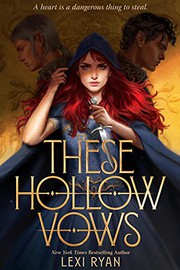
These Hollow Vows
2,384-word summary 11 min read 448 pages in the book
- First published
- 2021
- Publisher
- Clarion Books
- Pages
- 448
- ISBN
- 9780358386575
- Series
- These Hollow Vows (#1)
Reading options
What's inside (8 sections)
I picked up These Hollow Vows because I was tired of fae books and then someone told me this one starts with a girl who is also tired of fae books, in a manner of speaking. Brie, full name Abriella, hates the fae with a focus that feels personal rather than fashionable. She lives in the human world, she is poor, she steals to eat, and she has decided that death is better than owing anything to the folk across the border. That stance hooked me. I wanted to see what would force her to break it. The answer is her younger sister Jas, and the book never lets you forget that. This is a 2021 young adult fantasy from Clarion Books, 448 pages in hardcover, first in the These Hollow Vows series. It follows Brie as she bargains with the Unseelie king, sneaks into the Seelie court, and gets pulled between two princes who both seem to be lying about something.
What surprised me was how fast the story moves once the bargain is set. I expected a lot of court longing and slow dances. There is some of that, especially around Prince Ronan, but there is also sneaking through halls, pocketing objects that burn to touch, and trying to smile at a ball while counting exits. I read most of it in two sittings, partly because the chapters end on small hooks, partly because I kept changing my mind about Finn.
A basement, a debt, and Jas
Brie and Jas live with their aunt in the human town, in a damp basement room while the aunt and her daughters live better upstairs. It has a Cinderella shape without feeling like a copy. The aunt is harsh, the cousins are careless, money is always short, and Brie steals to cover debts and food. Jas is younger, softer in some ways, tougher in others, and Brie is fiercely protective of her. Their parents are gone, and what family safety they have comes from each other.
The background matters here. In this world the fae revealed themselves to humans at some point in the past, and contact has been bad for ordinary people. Humans get taken, traded, sold to the fae as servants or worse. Brie has seen enough of that trade to hate all of it. She refuses deals, refuses gifts, refuses conversation if she can help it. Jas is less rigid, more curious, which creates friction between them that feels true to sisters. Brie scolds. Jas pushes back. Then Jas gets taken to pay a debt, sold to the sadistic king of the Unseelie court.
I found these early chapters strong because Ryan keeps the stakes small and physical. Mold on walls. Empty cupboards. A pair of shoes wearing thin. Brie counting coins. When the aunt sells Jas, it lands as both shock and extension of the same cruelty. Brie cannot fight the king with force, so she goes to him and begs, and he offers a trade instead of mercy. That trade drives the rest of the book.
The bargain and the three thefts
The Unseelie king does not want an apology. He wants three magical relics held by the rival Seelie court. If Brie steals them for him, he will return Jas. If she fails, Jas pays. It is a classic fae bargain, unfair and precise, with punishment built into the wording. Brie agrees because there is no other path, though she knows fae bargains twist.
I liked that Brie does not suddenly become a master spy. She can pick pockets in the human market. She knows how to lie to a shopkeeper and slip out a back door. The Seelie court is different. There is glamour, guards, magic that notices intent, and rules about iron and names and promises that she only half understands. She has to learn fast. The king gives her little help, mostly pressure and reminders that Jas is in his hands. That pressure sits over every scene after, even the romantic ones.
The three objects are not described in dry catalog terms. They feel old and tied to the courts, things that hum or chill the skin, things people guard for reasons beyond value. Brie has to find each one, work out wards and routines, and carry them out without being caught. I may be misremembering the exact order she goes after them, but the pattern holds. Each theft is harder than the last, each one asks her to get closer to people she plans to betray, and each success makes her feel worse rather than safer. That guilt is one of the better threads. She tells herself it is for Jas, which is true, and also that the Seelie deserve it, which she starts to doubt.
There is also the question of why the king wants these items now. Brie wonders, and so did I. He already has power. He already has Jas. The push for Seelie relics points to a larger move between courts, not a collector habit. The book holds that answer back, which frustrated me in a good way. I kept reading to learn what the set would do together.
Pretending to win Prince Ronan
Brie cannot walk into the Seelie palace and ask for a tour of the vaults. Her way in is to pose as a candidate to marry Prince Ronan. The Seelie court is gathering young women, there are trials and balls and viewing parties, and Brie slips into that stream. She practices curtsies she hates, smiles until her face hurts, and tries to look like someone who wants a crown.
Ronan was the surprise for me. I expected cold arrogance. He is sheltered and proud, yes, and raised to perform, but he shows kindness in small choices. He notices when Brie is hungry. He steps in when another courtier is cruel. He talks about duty as if it weighs on him rather than excites him. Brie plans to use him, and then she starts to like him, and then she hates herself for liking him while lying to him. Their scenes have a push and pull that works because both are performing. He performs prince. She performs bride. Under that, they trade truer bits in asides, on balconies, during walks away from listeners.
The court itself is bright and mannered on the surface and sharp underneath. Ladies compete. Lords watch. Servants report. Magic is used for display and for control. Brie makes mistakes with etiquette and covers with boldness, which Ronan seems to enjoy. She also uses the access to map rooms, note guard changes, and test which doors respond to which blood or token. Those spy passages are tense without becoming silly. She almost gets caught more than once. Once, I held my breath through a whole search scene where she has to talk her way past someone while holding something she should not have.
Romance readers should know the heat level stays in young adult range. Long looks, close dances, a kiss that matters, a lot of talk about vows and what they cost. The title fits. Every promise in this book has weight, especially with fae listening. Brie learns to speak carefully, to avoid giving her word when she means maybe, because the fae will hold her to the letter.
Finn and the misfits
While Brie works the Seelie side, she accepts help from a band of Unseelie misfits led by Finn. They are thieves and runaways and sharp tongues, living between courts, taking jobs and keeping secrets. They offer Brie tools, routes, distractions, and warnings about Seelie customs. In return they want their own cut of the outcome, though they do not lay all of it out at first.
Finn is the other pole from Ronan. Where Ronan is polished and watched, Finn is watchful and loose, funny in a tired way, quick to step close and then step back. He flirts, he teaches Brie how to move through fae spaces, how to spot a lie phrased as courtesy, how to bargain without surrendering her name. He also keeps things back. Brie senses it. I sensed it. His crew clearly cares for him, and he clearly carries something about the Unseelie throne and his place near it. His uncle, the current holder of power in the Unseelie court, is the one claiming rule, while Finn has a stronger claim by blood. That detail reframes a lot of his jokes once you sit with it.
I liked the found family feel here more than the ballroom scenes. There is a cramped hideout, shared food, people patching each other up after bad nights, teasing that covers fear. One of the crew, a girl with a sharp eye for locks, takes Brie under her wing in a practical way. No long speeches. Just show me your hands, hold it like this, try again. Those moments gave Brie a place to breathe outside the performance of being a bride. They also made her choices harder. Betraying the Seelie for Jas is one thing. Risking these new friends is another.
The love triangle, if you want to call it that, works because the two bonds are different. Ronan offers safety, status, and a version of goodness inside a flawed court. Finn offers understanding, risk, and a shared anger at how both courts treat humans. Brie is drawn to both for reasons that make sense, not because the plot needs her confused. I leaned toward Finn for most of the book, then doubted myself whenever Ronan did something decent. That swing feels intended.
Courts, lies, and the cost of stealing hearts
Past the midpoint, the thefts start to bite. Allies ask sharper questions. Servants notice Brie in places she should not be. Ronan notices changes in her mood and presses gently, which is worse than anger. Finn presses too, from the other side, asking for more trust than Brie can give while she still hides parts of the bargain. The fae cannot lie outright in the usual way, but they mislead by omission, by careful phrasing, by letting humans assume. Brie gets better at hearing the gaps. So did I, and I started rereading conversations in my head.
Without flattening the twists, I can say the book turns on identity and loyalty more than on a single object. Who Brie is, who her mother was, why the fae notice her at all, why iron and blood react around her the way they do, all of that matters more as the pages go on. I guessed part of it early and missed another part completely. The reveal near the end made me look back at small comments from the first hundred pages and feel tricked in a fair way. Clues were there. I just read past them while worrying about Jas.
The last act moves to confrontation rather than quiet theft. Courts collide. Promises come due. People Brie cares about get hurt because of choices she made with good reasons. Jas is still central, not forgotten while romance blooms, and the scenes between the sisters carry weight. Jas has changed through captivity. She is not a prop to rescue. She has seen the Unseelie court from inside and has her own anger and fear. Their reunion is tender and strained at once, which I appreciated. Rescue does not reset what happened.
I will keep the final pages vague to leave room for new readers, but expect a cliffhanger. The bargain does not end cleanly. One court gains, another bleeds, Brie learns she gave more than she meant with her words, and a choice about hearts, literal and otherwise, sets up the next book, These Twisted Bonds. I closed the book annoyed in the way you get annoyed when you have to wait. That is probably the point.
What worked and what tired me
Brie carries this. She is stubborn, practical, and often wrong in human ways. She misreads kindness as strategy and strategy as kindness. She apologizes late. She doubles down when she should explain. I believed her. Jas feels real too, even with less page time, because her choices push back against Brie rather than serving her. Ronan and Finn both get enough interior life to avoid becoming tokens, though Finn gets more mystery by design. The Unseelie king is frightening without long speeches. He is polite, patient, and absolute, which is worse than shouting.
The writing is plain in a good way for this kind of fantasy. Short exchanges. Clear stakes. A lot of attention to hands, doors, food, clothes, the small signs that someone is lying. Magic has rules and prices, and Ryan enforces them. Vows bind. Debts transfer. Names matter. That consistency helped me trust the twists.
Fair criticism. The middle sags a little around court ritual. There are balls and fittings and lessons that repeat. I understand they show Brie sinking into Seelie life, but two or three scenes could have been shorter. A few side courtiers blur together. I also wanted more time with the aunt after the opening, not because I like her but because the debt that starts everything deserved a harder look later. And readers who dislike love triangles will still find one here, even if it is better handled than most.
Who will like it. If you enjoy Sarah J. Maas or Holly Black or Stephanie Garber, the mix of fae courts, bargains, and romance will feel familiar, with Ryan keeping the focus tight on Brie and Jas. It is young adult, so expect scheming and kissing over explicit scenes, and expect action to matter as much as banter. Content notes would include captivity, threats to a sibling, violence, and power gaps between humans and fae that the book treats as serious.
I finished thinking less about which prince Brie should pick and more about what her bargains will cost her next. She set out to save Jas without becoming like the fae. By the end she has lied, stolen, and promised in ways that sound very fae indeed. That shift is the hook for book two for me. I want to see if she can pull back, or if the courts have already shaped her into someone who trades hearts as easily as relics.
FAQ
When was These Hollow Vows published and how long is it?
Clarion Books published These Hollow Vows in 2021. The standard hardcover runs 448 pages with ISBN 9780358386575, and it is listed as book one of the These Hollow Vows series.
Is there a love triangle in These Hollow Vows?
Yes. Brie is caught between Prince Ronan of the Seelie court and Finn, the leader of an Unseelie band, and much of the plot turns on which one she can trust.
Should I read These Hollow Vows before These Twisted Bonds?
Start here. The story sets up the courts, the bargain for three relics, and a cliffhanger that leads directly into These Twisted Bonds, so book two makes more sense after this one.
Similar books
More from These Hollow Vows first, then related titles.
The Lost Sisters
Taryn Duarte writes a letter to her twin, Jude, explaining how she fell for Locke and why she stayed silent while he used them both.
1,914-word summary · 9 min read
An Enchantment of Ravens
Isobel, a mortal artist in the fairy town of Whimsy, paints a portrait of the autumn prince and falls in love with him, breaking the laws of her craft.
2,087-word summary · 9 min read

The Winner's Curse
An aristocratic girl buys a slave who is secretly a prince plotting rebellion.
2,124-word summary · 9 min read

The Iron Queen
Meghan faces the Iron King past while Ash pays a winter price.
2,548-word summary · 11 min read
Fated Throne
Twins face the throne trial as heirs close in and stars shift.
2,349-word summary · 10 min read
Cursed Fates
Twin heirs Tory and Darcy Vega face Lionel Acrux, brutal trials and tangled mate bonds in this fifth Zodiac Academy book, a 749-page bridge to open war and…
2,750-word summary · 12 min read
Heartless Hunter
A witch hiding as a socialite courts a witch hunter for secrets, while he courts her back on suspicion, in this romantic fantasy opener.
2,366-word summary · 11 min read

Shadow Princess
Tory and Darcy learn they are Phoenixes with shadows inside them and face Lionel, the Heirs and a rescue that goes wrong.
2,837-word summary · 13 min read
The Reckoning
Twin heirs survive trials and hazing at Zodiac Academy while the heirs start to split.
1,984-word summary · 9 min read
Dance of Thieves
Queen's thief Kazi infiltrates Ballenger lands while young leader Jase plays her right back.
2,005-word summary · 9 min read
The Awakening
Twin sisters Tory and Darcy Vega learn they are lost Fae heirs and enter Zodiac Academy in Solaria, where the four Heirs bully them to force them off the…
2,960-word summary · 13 min read
Serpent & Dove
A runaway witch is forced to marry a witch hunter in Cesarine, hiding her magic as old enemies close in.
2,962-word summary · 13 min read
The Wicked King
Jude must hold Cardan on the Elfhame throne while the Undersea plots.
3,439-word summary · 15 min read
Queen of Shadows
Celaena returns to Rifthold as Aelin to free magic, face Arobynn and the Valg, and reunite with Rowan and Chaol.
4,447-word summary · 20 min read
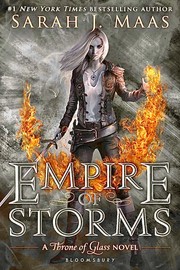
Empire of Storms
Aelin gathers armies and faces Maeve while Elide and Manon flee Morath.
4,466-word summary · 20 min read

Vow of Thieves
Kazi and Jase return to Tor's Watch to find it occupied, and their marriage is tested by captivity, betrayal, and a war for the town of Hell's Mouth.
2,059-word summary · 9 min read
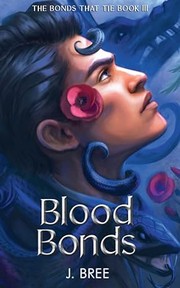
Blood Bonds
Oleander is chained in a Resistance camp, and her five Bonds have to find her before Silas Davies finishes what he started in this third Bonds that Tie book.
2,018-word summary · 9 min read

Archenemies
Nova steals for the Anarchists while Adrian hides his Sentinel identity, and a serum that erases prodigy powers puts them both at risk.
2,485-word summary · 11 min read

The Siren
Saved from a shipwreck in 1930, Kahlen becomes a siren who sings men to their deaths for the Ocean, until a boy in a college library makes her want a life she…
2,369-word summary · 11 min read
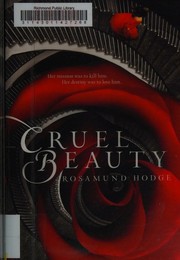
Cruel Beauty
A girl raised to kill the demon prince who rules her cursed land instead falls in love with him, in a retelling that mixes Beauty and the Beast with Bluebeard…
2,669-word summary · 12 min read
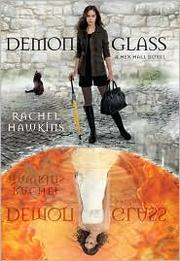
Demonglass
Sophie Mercer spends the summer at the Council's English estate, where two new demons, a suspicious host, and Archer's return complicate her plan to remove her…
2,771-word summary · 12 min read
Born at Midnight
Kylie Galen is sent to a camp for troubled teens and discovers it is a haven for vampires, werewolves, and witches, and that she may be something stranger…
2,310-word summary · 10 min read

The Rose & the Dagger
Shahrzad is pulled from her Caliph husband and left in a desert camp of rebels, needing to break his curse and end a war before it ends her.
2,520-word summary · 11 min read

We Hunt the Flame
In a fractured Arabia-inspired world, a disguised huntress and a prince-assassin race to find a magic-restoring book and confront an ancient evil.
2,195-word summary · 10 min read
Stars Above: A Lunar Chronicles Collection
Nine Lunar Chronicles stories fill in the histories of Cinder, Wolf, Thorne, Cress, Winter, and Jacin, and end with a wedding after the war.
2,230-word summary · 10 min read

Lore
Lore Perseous, the last of a hunted bloodline, is pulled back into the Agon when a wounded Athena offers her revenge against the god who killed her family.
2,188-word summary · 10 min read
House of Salt and Sorrows
Annaleigh Thaumas investigates her sister's death in a cursed island manor where the balls are illusions and the sea god is always listening.
2,025-word summary · 9 min read
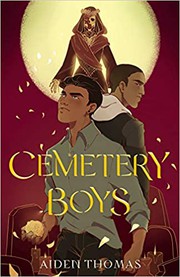
Cemetery Boys
A trans brujo in East Los Angeles summons the ghost of a boy who refuses to move on, and together they uncover a murder hidden beneath Día de los Muertos.
1,997-word summary · 9 min read
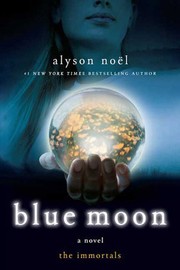
Blue Moon
Ever Bloom tries to save her immortal boyfriend, Damen, from a mysterious illness while a new student named Roman quietly takes control of her school and her…
1,998-word summary · 9 min read