

The Iron Queen
2,548-word summary 11 min read 358 pages in the book
- First published
- 2011
- Publisher
- Harlequin Teen
- Pages
- 358
- ISBN
- 9780373210183
- Series
- The Iron Fey (#3)
Reading options
What's inside (7 sections)
I came to The Iron Queen because The Iron Daughter left me annoyed in a good way. I liked Meghan enough to keep going, but I was tired of watching her get rescued. Julie Kagawa published this third book in The Iron Fey series in 2011 with Harlequin Teen, and the first edition runs 358 pages. I wanted to see if she would finally stop apologizing for her power and do something with it. She does, though it takes most of the book and costs her more than I expected.
The setup is simple if you remember where book two ended. Meghan Chase, half Summer princess and half human, killed Machina, the old Iron King, and walked away carrying Iron magic inside her without asking for it. Then she grabbed the Scepter of the Seasons with her bare hands and held Summer, Winter, and Iron power at once to stop a war. That should have made her a hero. In Faery, it made her a problem. Oberon is her father but he cannot protect her openly. Mab, queen of the Winter Court, blames her for everything that went wrong. Ash, Mab's son and Meghan's sworn knight, refused to give her up, so Mab threw him out too. When this book opens, the two of them are living in exile with Leanansidhe, the self named Queen of Exiles.
I liked that opening more than I thought I would. No court dresses. No festival. Just a borrowed house, a cat who judges everyone, and two teenagers trying to be normal when neither of them knows what normal means anymore.
Living with Lea
Leanansidhe, called Lea by her friends and worse things by her enemies, runs a house for fey who cannot go home. She was thrown out of Summer long ago after she got too loved and too noticed for Titania's comfort. She collects musicians, strays, and lost causes. She likes baths, shopping, gossip, and dramatic entrances. She also likes Meghan, which surprised me, because Lea is selfish in a frank way and usually only likes people who amuse her.
Meghan is almost seventeen now in human counting, though time in Faery does not line up neatly and she feels older and younger at once. She works on controlling the Iron glamour buzzing under her skin. It itches when she is near computers or phones. It sparks when she is scared. Puck, who is really Robin Goodfellow, drops in and out. He jokes less than he used to, which tells you how bad things are. Grimalkin the cait sith comes and goes as he pleases and expects food whenever he appears. Ash trains every morning, quiet and careful, trying to keep his Winter magic sharp while staying out of sight.
Their peace does not last. Scouts report that the Iron lands are moving again. A new Iron King has taken the old stronghold. His name is Ferrum, and unlike Machina, who was once human and almost sad about what he became, Ferrum was built for conquest.
Then comes the offer. If Meghan will go back into the Iron lands and kill Ferrum, her exile and Ash's exile will be lifted. Oberon will pardon her. Mab will take Ash back. On paper it sounds fair. In practice it is a trap dressed as mercy, because everyone offering it knows the Iron lands poison Winter and Summer fey. Ash can barely breathe there. Meghan can survive there, but the longer she stays, the more the Iron magic in her wakes up and pulls at her.
Meghan says yes anyway. She misses her family. She misses the idea that she could go home without starting a war. Ash says he will go with her because he swore to stand by her, exile or not. Puck insists on coming because, as he puts it, someone has to keep Ash from being noble and stupid. Grimalkin agrees to guide them for a price he names later, which is always a bad sign with him.
The road back in
The middle of the book is a road story, and Kagawa is better at those than at court scenes. The group moves from Lea's house through the in between places into the edges of Iron territory. The description stuck with me. Black metal trees with wire leaves. Vines that hum. Bugs with red electric eyes that click on walls and telephone poles. Puddles that show static instead of sky. The air tastes of copper and hot dust. Cold iron nails scattered like caltrops. Abandoned human factories half swallowed by Faery, with fey graffiti that moves when you are not looking.
They meet Glitch early. He is a half Iron fey, part human machine and part fey, who deserted Ferrum and now runs messages for the resistance. I liked Glitch because he is nervous and kind in a book full of proud fighters. He tells Meghan that Ferrum is not just building soldiers. He is building a story about himself, that the Iron fey need a true king and that Meghan is a fake, a Summer girl playing with power she stole. That story matters because Iron fey are born from belief. If enough of them believe Ferrum, he gets stronger.
Ironhorse finds them next. He was Machina's last lieutenant, a huge Wyld fey who let iron into his body to live and became something new. After Machina died he refused to serve Ferrum and went his own way. He is blunt and heavy and loyal once he chooses. He tells Meghan plainly that she carries Machina's power whether she wants it or not. Ferrum told everyone she murdered a king to steal a throne. Ironhorse says she killed a king who would have caged her, which is different, and she needs to stop acting like the two are the same.
Virus is the threat that follows them through this whole stretch. She is an Iron fey who can get inside minds the way a bug gets inside a program. In the last book she turned allies against each other and planted doubts that felt like orders. Here she does it again, whispering to Meghan that Ash will die in the Iron lands, that Puck will get bored and leave, that Lea only shelters strays to feel important. Some of it is lies. Some of it is close enough to Meghan's own fears that it lands. Kagawa writes those scenes well. Meghan checks her phone for messages from home that cannot reach her. She counts Ash's coughs when the air gets too metallic. She snaps at Puck for jokes that would have made her laugh a year earlier.
Ash, for his part, gets worse the deeper they go. Winter magic and iron do not mix. His skin blisters near raw metal. His sword arm shakes after fights. He hides it because he does not want Meghan to send him back. There is a quiet scene in an old rail yard where Puck takes his watch without being asked so Ash can sleep, and neither of them mentions it in the morning. I marked that page. It felt true to two boys who have hated each other for centuries and now share one tired girl's safety as a job.
Ferrum and what Machina left behind
Ferrum's stronghold sits where Machina's old palace stood, but it is uglier and more deliberate. No scrap piles that grew by accident. Walls built straight. Towers with searchlights. Rows of Iron soldiers drilled to march together. Prison pens for Summer and Winter scouts taken at the borders. A throne made from melted weapons. Kagawa makes clear this is not a junkyard that dreamed itself awake. This is an army that plans.
Meghan gets inside by doing what she always does. She walks in the front with a promise as her shield. She claims guest right, which even Iron fey respect when witnesses are present, and demands to face Ferrum. Puck calls it the worst plan he has ever heard, which, coming from him, means something. Grimalkin just sighs and follows because his price depends on her living.
The meeting with Ferrum is long and talky in a way I did not mind. He is not Machina. Machina wanted a queen and a story. Ferrum wants obedience. He tells Meghan she is a child carrying stolen fire. He tells Ash he is a dead prince following a girl into a furnace. He offers Meghan a place at his side if she kneels, and death if she refuses. He has Virus at his shoulder, smiling. He has Ironhorse's old comrades in chains as proof he wins.
The fight that follows is messy and sad rather than grand. Glitch gets the prisoners loose. Ironhorse holds a gate alone and takes wounds that should have killed him twice over. Puck fights Virus in a side tunnel, jokes gone, knives out, protecting Meghan's mind as much as her body. Ash stays with Meghan even as the iron air burns his lungs, because he swore he would. Meghan faces Ferrum with Witchwood and Summer light and the strange buzzing Iron power she hates to use.
She wins, but Kagawa does not let it feel clean. Meghan kills Ferrum, yes, after a hard exchange where he almost takes her arm off. Then, as he dies, he drives a shard of iron into her gut out of spite. It is not a noble wound. It is mean and low and it works. Meghan goes down in the throne room with iron poisoning spreading from her belly while her friends scream her name. By old law, killing the king in his seat passes his power to the killer. So as she bleeds, the whole Iron host feels her. They kneel, or they run, or they stare, because the Summer half human girl they were told to hate now holds the seat.
I thought she was going to die there. The book lets you think it for several pages. Ash holds her and tries to pour Winter into the wound, which only makes it worse because cold and iron fight inside her. Puck yells for Grimalkin. Ironhorse bellows for room. None of it helps. Iron sickens fey. Summer healing cannot close an iron wound. Meghan is both, so she is trapped between two magics that refuse to work together.
Saying the name
What Meghan does next is the reason the book is called what it is. She stops trying to pick one half of herself. All through the series she has treated the Iron magic as a stain, something Machina forced on her. In the throne room, dying, she finally treats it as hers. She pulls Summer light and Iron spark together instead of holding them apart. She pictures her brother Ethan safe at home, her mother in the kitchen, Lea's loud house, Ash's hand in hers, Puck stealing food, Grimalkin pretending not to care. She speaks and claims the seat not as a thief but as a keeper. She names herself Iron Queen.
The healing is not pretty. Kagawa describes it as heat and sting and a metallic taste, like biting foil and sunlight at once. The shard loosens. The skin knits over iron instead of pushing it out. Meghan stands up changed. Her glamour has a new edge. Iron fey in the hall bow without being told. Even Virus steps back. It is a strong scene, one of the best in the series so far, because Meghan finally acts instead of reacting. No bargain forced on her. No boy choosing for her. She chooses.
But the price lands right after. An Iron ruler cannot keep a Winter knight at her side without killing him slowly. Ash knows it before she says it. The air around her now hums in a way that makes his eyes water. If he stays in her new lands, the iron in the walls, the floor, even in her skin, will burn him a little every day until there is nothing left. Meghan, new queen, has to do the first hard queen thing. She sends him away. She breaks their closeness to save his life, telling him he is banished from her lands for his own good. He argues. Puck looks away. Grimalkin, for once, says nothing clever.
That part hurt to read. Not in a tragic romance poster way, but in a tired, practical way. Two kids who survived two wars together have to separate because their magics cannot share a house. Ash bows because he swore to serve her, and serving her now means leaving. Meghan sits on a throne she never wanted while her friends walk out the door she just opened for them.
What holds and what drags
The Iron fey idea still carries the series. Making new technology into new magic gives Kagawa a villain that can grow without repeating the same court feud. Ferrum feels different from Machina. Machina was lonely and grand. Ferrum is a manager of fear. Virus is scary because she does not need claws. She just needs you tired enough to listen. Glitch and Ironhorse give the Iron side faces beyond soldiers. I liked that the book lets some Iron fey be decent, or at least tired of war, instead of making them all monsters.
Meghan is better here than in the first two books. She still rushes in and promises too much. She still needs rescuing twice in the middle, once from a wire nest and once from her own pride after she tries to face Virus alone. But she makes plans now. She asks Glitch about supply lines. She asks Ironhorse about old loyalties. She checks on Ash without making it a joke. When she claims the throne, it feels earned because we watched her learn the cost for two whole books.
The fair criticism is the love triangle, which eats pages that could have gone to the war. Puck loves Meghan and tries to be good about it. Ash loves Meghan and tries to be noble about it. Meghan loves Ash and feels guilty about Puck. We get several scenes in a row where the plot stops so the boys can glare and Meghan can worry about hurting them. One scene in the rail yard works. Three more just like it do not. Readers who came for courts and battles will skim. I did in one campfire chapter where nothing happens except meaningful looks.
Pacing sags in the second quarter. The Lea house chapters are cozy but long. The march through border villages repeats the same beat. Kagawa trims it later, but I felt the drag around page one hundred.
Who should try it. Readers thirteen and up who stuck with book one and two should finish this arc here. Do not start here. The weight of Meghan killing Machina, holding the scepter, losing her home, only lands if you walked those miles with her.
I closed the book glad she took the throne, and sad about how she had to take it. She wanted pardon and home and both boys beside her. She got a crown, a humming palace that hurts the boy she loves, and a cat who finally called her my queen without a joke attached.
FAQ
Is The Iron Queen part of a series?
Yes, it is book three in The Iron Fey series, published in 2011 by Harlequin Teen. It follows The Iron King and The Iron Daughter and leads into Ash's story in The Iron Knight.
What is The Iron Queen about?
Exiled Meghan hunts the new Iron King Ferrum with Ash, Puck, and Grimalkin, while Iron magic wakes inside her and Winter sickness wears Ash down.
Who should read The Iron Queen?
Readers thirteen and up who finished the first two books and like faery courts and quests will enjoy it most. Readers tired of love triangles may skim the middle campfire chapters.
Similar books
More from The Iron Fey first, then related titles.
The Iron King
Meghan Chase follows her stolen brother into the Nevernever and bargains with a Winter prince to face the Iron King.
2,720-word summary · 12 min read
The Iron Daughter
Exiled with Ash after the scepter theft, Meghan hunts the Iron stronghold as iron magic wakes inside her.
2,995-word summary · 13 min read

Vow of Thieves
Kazi and Jase return to Tor's Watch to find it occupied, and their marriage is tested by captivity, betrayal, and a war for the town of Hell's Mouth.
2,059-word summary · 9 min read

The Lost Sisters
Taryn Duarte writes a letter to her twin, Jude, explaining how she fell for Locke and why she stayed silent while he used them both.
1,914-word summary · 9 min read

Archenemies
Nova steals for the Anarchists while Adrian hides his Sentinel identity, and a serum that erases prodigy powers puts them both at risk.
2,485-word summary · 11 min read

The Rose & the Dagger
Shahrzad is pulled from her Caliph husband and left in a desert camp of rebels, needing to break his curse and end a war before it ends her.
2,520-word summary · 11 min read

We Hunt the Flame
In a fractured Arabia-inspired world, a disguised huntress and a prince-assassin race to find a magic-restoring book and confront an ancient evil.
2,195-word summary · 10 min read

Lore
Lore Perseous, the last of a hunted bloodline, is pulled back into the Agon when a wounded Athena offers her revenge against the god who killed her family.
2,188-word summary · 10 min read
An Enchantment of Ravens
Isobel, a mortal artist in the fairy town of Whimsy, paints a portrait of the autumn prince and falls in love with him, breaking the laws of her craft.
2,087-word summary · 9 min read
Fable
Abandoned on a lawless island at fourteen, Fable spends four years diving for gems to buy passage off it, straight into the cutthroat trade of the Narrows.
2,320-word summary · 10 min read
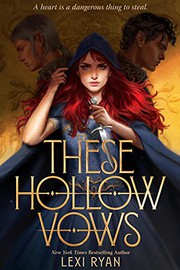
These Hollow Vows
Brie trades with the Unseelie to save her sister and steals for a prince.
2,384-word summary · 11 min read

The Winner's Curse
An aristocratic girl buys a slave who is secretly a prince plotting rebellion.
2,124-word summary · 9 min read
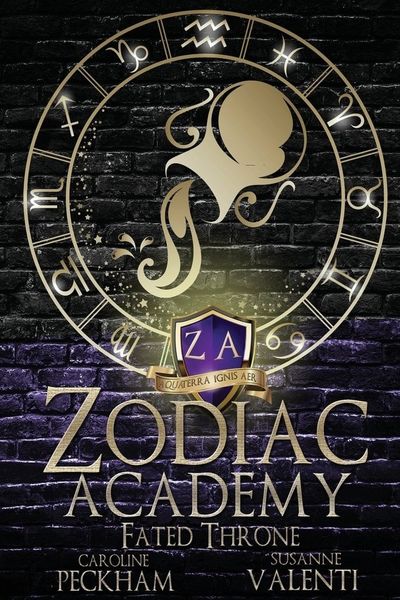
Fated Throne
Twins face the throne trial as heirs close in and stars shift.
2,349-word summary · 10 min read
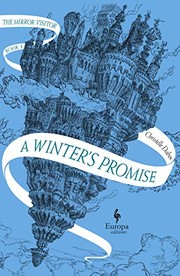
A Winter's Promise
Ophelia reads objects and is sent to marry Thorn on a cold ark.
2,502-word summary · 11 min read
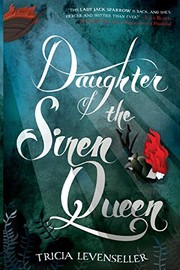
Daughter of the Siren Queen
Alosa hunts the last map pieces toward Isla de Canta while defying her father Kalligan, facing her brother Draxen, and choosing her loyal crew and Riden at…
2,643-word summary · 12 min read
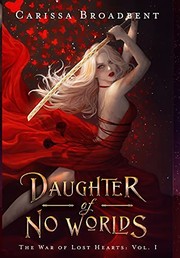
Daughter of No Worlds
A former slave with rare magic hires exiled warrior Max to train her for a daring rescue, sparking slow burn love and wider war in this big 520-page fantasy…
2,529-word summary · 11 min read
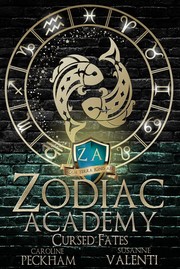
Cursed Fates
Twin heirs Tory and Darcy Vega face Lionel Acrux, brutal trials and tangled mate bonds in this fifth Zodiac Academy book, a 749-page bridge to open war and…
2,750-word summary · 12 min read
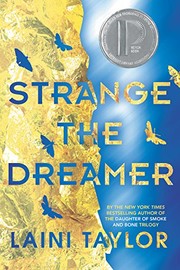
Strange the Dreamer
Orphan librarian Lazlo Strange joins a quest to the lost city of Weep, where blue-skinned godspawn haunt dreams.
2,221-word summary · 10 min read
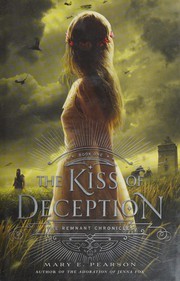
The Kiss of Deception
Princess Lia flees an arranged marriage and hides in a village, unaware one stranger is a prince and the other an assassin.
2,196-word summary · 10 min read
Shadow Princess
Tory and Darcy learn they are Phoenixes with shadows inside them and face Lionel, the Heirs and a rescue that goes wrong.
2,837-word summary · 13 min read
The Reckoning
Twin heirs survive trials and hazing at Zodiac Academy while the heirs start to split.
1,984-word summary · 9 min read
Dance of Thieves
Queen's thief Kazi infiltrates Ballenger lands while young leader Jase plays her right back.
2,005-word summary · 9 min read

Poison Study
Sentenced to die, Yelena becomes the Commander's poison taster and learns survival in Ixia has a daily price.
2,501-word summary · 11 min read
To Kill a Kingdom
A siren princess turned human must steal a siren-hunting prince's heart to win back the sea.
2,248-word summary · 10 min read

Fire
A human monster who reads minds is pulled into war in the Dells and must decide how to use her power.
2,727-word summary · 12 min read
The Awakening
Twin sisters Tory and Darcy Vega learn they are lost Fae heirs and enter Zodiac Academy in Solaria, where the four Heirs bully them to force them off the…
2,960-word summary · 13 min read
Daughter of the Pirate King
A pirate captain daughter lets herself be captured to find a map, then spars with a strict young pirate prince.
2,156-word summary · 10 min read
Finale
Sisters face waking Fates with debts due, loving princes, and choices that break immortal math.
1,995-word summary · 9 min read
City of Heavenly Fire
Clary and Jace face Sebastian's dark army while Emma and Julian's story begins in Los Angeles.
2,039-word summary · 9 min read
Graceling
Katsa, Graced with killing, breaks from her uncle's use of her and follows a kidnapped prince toward a hidden king.
2,517-word summary · 11 min read