

Fire
2,727-word summary 12 min read 480 pages in the book
- First published
- 2009
- Publisher
- Dial Books
- Pages
- 480
- ISBN
- 9780803734616
- Series
- Graceling Realm (#2)
Reading options
What's inside (6 sections)
I came to Fire sideways, after Graceling, because I wanted to know if Kristin Cashore could do it again in a different country with a different kind of power. She published it with Dial Books in 2009, a 480 page young adult fantasy, and it works as both a companion and a contrast. Graceling followed Katsa, a fighter who could kill. Fire follows a girl who can enter minds. One book is about refusing to be a weapon. This one is about living inside a beauty and a skill that no one trusts, including the person who has them.
The setting helps from the start. Across the mountains east of the seven kingdoms lies the Dells, a rocky land of small cities, forests, rivers, and forts. The Dells has no Graces like Katsa's lands. It has monsters. Monsters here are animals with impossibly bright coloring, fuchsia and orange and sparkling green, and with minds that can bend human minds. A monster bird can fix your attention until you forget danger. A monster cat can make you love it while it kills your chickens. People fear and kill monsters on sight, and wear fragrances or carry ash to dull the pull.
Fire is seventeen and the last human monster. Her hair is a shocking red, her eyes strange, her presence strong enough to stop conversation when she walks into a room. Men and women stare. Some want to protect her. Some want to own her. Some want her dead on principle. She can read thoughts and feelings when she chooses, push calm or fear into crowds, and find hidden people by their mental noise. Her father could do the same and used it cruelly. She spends every day trying not to be him.
Her father, Cansrel, died before the book opens but fills it. He served the old king as an adviser, handsome and brilliant and without conscience. He experimented on his own power, hurt women, manipulated the court, and raised Fire in a house full of control. Her mother, who was not a monster, died young. Fire remembers enough to be sick with it. She recalls his lessons about using people, his contempt for ordinary morals, his delight when she showed skill. She also recalls that she loved him as a small child, which shames her most.
What saved her was Brocker. Roel Brocker, called Brocker, was a respected army commander who took Fire in as a girl and raised her in the hills with his son Archer. Brocker is older now, injured, moving with sticks, sharp tongued and kind underneath. Archer is around nineteen, a superb archer, restless and loyal, Fire's lover since they were young. Their house is small, busy with soldiers, horses, and neighbors who tolerate Fire because Brocker demands it. Fire helps with healing, rides out to check traps and borders, and practices blocking her mind so she does not overhear everyone all the time.
I liked this opening stretch because Cashore gives Fire work to do, not just beauty to endure. Fire tends wounds, shoots a bow decently, tracks, cooks badly, argues with Archer about chores. She cuts her hair short at one point to reduce staring, then lets it grow because hiding never really works. She covers herself with scarves in towns. She learns which herbs prevent pregnancy, a practical detail that matters later, and she thinks hard about whether someone like her should ever have children who might inherit her traits. These are not abstract worries. In the Dells, a human monster child would be hunted or used.
The king asks for help
War pushes her out of the hills. The old king is dead. His son Nash, young and flashy and fond of women and clothes, holds the throne in King City but weakly. His younger brother Brigan commands the army and does the hard work. Their brother Garan handles supplies and spies. Their mother Roen, gracious and tired, tries to hold family and court together. Two great lords threaten from opposite ends. Mydogg builds force in the north. Gentian, called Mydogg's counterpart in the south, builds his own army and spreads lies through agents. Smaller lords wait to join the winner. Smugglers move weapons through mountain passes. Spies fill inns.
Nash wants Fire in the city because her mind skill can sort spies from loyal men. Brigan wants her too, though he distrusts her on sight. Brocker vouches for her. Archer insists on coming as her guard. Fire refuses twice. She knows what courts do to monsters. She knows crowds will press her. She also knows that if Mydogg or Gentian win, the Dells will be worse for everyone, including the hill folk she loves. In the end she goes, with Archer and a small escort, riding through forests full of monster bugs and river crossings into a city on edge.
King City feels crowded and tense. Soldiers drill. Merchants complain. Servants whisper. Nash receives Fire with too much charm, staring openly, offering rooms and dresses. Brigan receives her with cold politeness, watching her hands as if she might steal thoughts. Garan is curious and businesslike. Roen is welcoming in a careful way. Fire is placed in palace rooms with guards she did not ask for, and immediately besieged by mental noise. Hundreds of minds, fears, lies, appetites. She builds walls in her head each morning the way you shutter windows before a storm.
Cashore writes this adjustment well. Fire learns palace paths, who bribes whom, which maids report to which lord, where to eat without being stared at. Archer sulks and shows off with his bow. He hates Brigan on sight and hates Nash more. He loves Fire fiercely and possessively, and Cashore does not hide the strain. Archer wants a life in the hills with Fire. Fire wants to be useful without being owned. Their arguments have history. He knew her when she was small and frightened. She knows he can be brave and thoughtless in the same hour.
Brigan is the opposite pole. Tall, plain dressed, quiet, often away with troops. He dislikes Fire's power on principle. He has seen what Cansrel did. He tells her so. Their first meetings are hostile in a way I found believable. She reads his contempt without trying. He refuses her offers of help. Then he watches her work and revises, slowly, without speeches.
Sorting truth from lies
Fire's job becomes interrogation and detection. Prisoners are brought to back rooms. A captured agent of Mydogg, a courier for Gentian, a merchant who sold horses to both sides. Normal questioning fails because these men are trained to lie or truly believe false stories planted by their masters. Fire sits nearby, sometimes behind a screen, and listens to minds while Brigan or Garan asks questions.
The scenes avoid easy magic. Fire cannot simply pull truth like a tooth. She must focus, separate surface chatter from deeper intent, and endure the ugliness inside frightened men. She learns to tell when someone hides a name, when someone fears a particular road, when someone has been told to forget. She reports impressions, not verdicts, and Brigan checks them with scouts and papers. Together they map parts of the rebel plans. A shipment of bows through a pass. A meeting of agents in a farmhouse. A list of palace servants paid by Gentian.
Minds here feel physical. Fire gets headaches, nosebleeds, exhaustion. After long sessions she must ride out alone or sit in dark rooms to recover. She discovers she can also push, not just listen. She can calm a panicked witness enough to speak. She can fog a room of guards for a short time. She can find a lost child by following mental cries. Each use costs her and frightens onlookers. Nash loves the results and ignores the cost. Brigan sees the cost and starts posting guards to give her quiet.
One thread involves a healer woman and children caught in plots, and another involves Pycroft, a sour officer with his own loyalties, and various lords shifting sides. I will keep names light to avoid spoiling the best turns, but the shape is this. Fire uncovers that both Mydogg and Gentian fund disorder beyond their borders, paying bandits to block supplies and paying speakers to spread fear of monsters. Fear of Fire herself becomes a tool. Pamphlets and rumors call her Cansrel's daughter and promise she will enslave minds. Someone tries to kill her more than once, with arrows and with poison and with crowds.
Through all this moves a strange small visitor. A boy with mismatched eyes arrives from across the mountains with his party, polite and watchful, interested in monsters and in Fire. Readers of Graceling will recognize what this means. In this book he is only a child on a trip, clever and a little cold, asking questions that cut too neat. Fire senses something wrong and slippery in him but cannot hold it. The cameo lands without hijacking the story. It hints that the trouble in the Dells connects to wider lands and that some powers travel.
I appreciated that Cashore keeps Fire's skill limited. She cannot be everywhere. She cannot control armies. She cannot make Nash wise or make Gentian honest. She can tip particular moments. A gate held because she warned in time. A spy caught because she noticed a blank spot. A soldier steadied because she lent calm. War still depends on grain, horses, pay, and Brigan's marching.
Archer, Brigan, and Fire's choice
The heart of the book is not battles but Fire deciding what kind of life her power permits. Archer loves her and wants her fully. He is handsome, brave, known to every guard, good with horses and children. He has protected her for years. He also sleeps with other women when they quarrel and then sulks when she minds. He wants her to hide her skill and live quiet. She cannot.
Brigan fears her and respects her work. He is older, scarred, awkward with words, steady under pressure. He does not flatter her beauty. He asks what she needs to do the job and tries to provide it. He apologizes when wrong, which in this cast counts as romance. Fire resists him for a long stretch because trusting a commander feels like repeating her father's pattern, serving power. He resists her because wanting a monster feels like betrayal of his own caution.
Cashore lets this play slowly through patrols and sickrooms rather than declarations. Fire rides with Brigan to forts, sees him feed troops before officers, settle disputes, write letters to families of the dead. Brigan sees Fire treat wounded soldiers without disgust, play with camp children who do not yet fear her, stand her ground when lords insult her. Archer sees it too and hates what he sees.
Loss sharpens everything. Fighting intensifies as Mydogg and Gentian move. Forts are attacked. Supply lines cut. Fire works longer hours with less shielding and pays in health. Archer, brave to the point of rashness, takes risks to prove himself and to keep Fire from Brigan's orbit. Without giving the exact sequence, I can say the book does not spare its people. Deaths happen among guards and friends, sudden and stupid the way war deaths are, and Fire blames her slowness or her choices. Grief makes her rethink hiding. If she had spoken sooner, would someone live. If she pushes harder, will someone else die of her interference.
Her decision about children threads through this grief. Early on she obtains herbs from a healer to prevent conception, and she uses them consistently. She tells Archer and later Brigan plainly that she will not bear a monster child into a land that kills monsters. This is not a single conversation but a position she returns to, tested by love and by moments when she imagines a different future. Cashore presents it as Fire's right and as a sorrow, not as a puzzle to solve. Friends argue with her. Brocker worries she decides from shame. Fire listens and holds firm. She will help other people's children. She will not risk making one like herself until the land changes, which it has not.
By the late battles Fire has learned to shield large groups briefly and to track enemy movements by mental pressure, skills that tire her to shaking. She helps Brigan's forces anticipate ambushes and helps Nash hold the city through panic. She also learns when not to reach. Some minds are broken by torture or drink. Some crowds are too loud to sort. Knowing limits becomes part of her strength.
The ending suits the book. No single duel fixes the Dells. Mydogg and Gentian are checked through fighting, negotiation, exposure of plots, and plain luck, not erased. Nash keeps the throne but must grow into it. Roen and Garan steady the court. Brocker, worn out, finds a quieter role. Fire chooses where to live and whom to love based on what she saw under pressure, not on gratitude. Archer's fate, which I will not detail here, hit me harder than any battle because Cashore had made his flaws and his devotion equally clear.
What worked and what dragged
What worked most was Fire herself. Her self hatred could have turned whiny. Instead Cashore makes it practical. Fire avoids mirrors, wears dull colors, ties her hair back, asks to enter rooms last, apologizes for notice she cannot prevent. Then she does her job anyway. Her ethics feel lived in. She refuses to read friends without need. She refuses to sway councils to like her. She uses her skill to find missing scouts and to spare prisoners unnecessary pain, and she accepts hatred as the price. I believed her when she said she wanted to be good, because Cashore shows the small refusals that make goodness.
Brigan grew on me. At first he seemed the standard stern commander. His care shows in logistics, remembering names, visiting hospitals, choosing honest officers over flatterers. His slow change from suspicion to trust is earned scene by scene. Nash, by contrast, starts as comic relief, charming and lecherous, and Cashore gradually reveals the decent ruler underneath without excusing the lechery. Garan and Roen add texture, competent people doing unglamorous work while legends happen nearby.
What dragged: the middle palace stretch runs long. Interrogations, councils, dresses, and rumors cycle for many chapters with battles far off. Readers who came for travel and monsters may fidget. Nash's womanizing, played for laughs, felt dated on this reread. The book winks at his appetite while serving women navigate around it, and I wanted Cashore to press harder on how that looks next to Fire's experience of being stared at. The Dells politics also arrive in lumps. Lords, forts, passes, histories of old King Nax, trade disputes. I sometimes lost track of who held which fort and why it mattered, and had to push on trusting Brigan knew.
A smaller note. Fire repeats her fear of becoming Cansrel many times. The repetition is honest to someone raised by a cruel parent, but after the fourth variation I got the point. I also wanted more of Brocker, whose dry humor and sickroom wisdom light every scene he enters, and less of certain smugglers whose betrayals felt telegraphed.
Still, the strengths outweigh the sags. The action, when it comes, is clear and tense, with horses, bows, river fog, and decisions that cost. The healing chapters, with bandages and broth and tired jokes, give weight to survival. And the central questions stay with me. How do you use an unfair advantage fairly. How do you accept help without surrendering judgment. How do you love someone who fears what you are.
If you liked Graceling, read this second, though it takes place earlier in time and stands alone fine. Start for the monsters and the mind reading. Stay for Fire learning to walk into rooms without apology, to do hard work in public, and to choose a life she can defend to herself. Cashore published it with Dial Books in 2009, and at 480 pages it earns its length even where it wanders. I closed it thinking about consent and attention, and about how rare it is for fantasy to let a beautiful girl be tired of being looked at and still demand to be seen clearly.
FAQ
When was Fire published?
Dial Books published it in 2009. The hardcover runs 480 pages and the ISBN is 9780803734616.
Is Fire part of a series?
Yes. It is book 2 in the Graceling Realm series, set about thirty years before Graceling in the Dells.
Can I read Fire without reading Graceling first?
Yes, it stands alone fine. Knowing Graceling adds a small crossover moment but the plot is complete on its own.
Similar books
More from Graceling Realm first, then related titles.
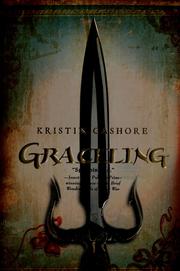
Graceling
Katsa, Graced with killing, breaks from her uncle's use of her and follows a kidnapped prince toward a hidden king.
2,517-word summary · 11 min read
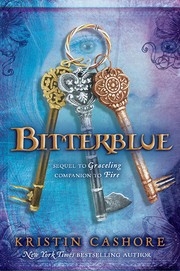
Bitterblue
Eighteen-year-old Queen Bitterblue sneaks out to learn why Monsea still suffers after Leck, facing court lies, ciphers, and trials in Cashore's rich third…
2,686-word summary · 12 min read

The Rose & the Dagger
Shahrzad is pulled from her Caliph husband and left in a desert camp of rebels, needing to break his curse and end a war before it ends her.
2,520-word summary · 11 min read

We Hunt the Flame
In a fractured Arabia-inspired world, a disguised huntress and a prince-assassin race to find a magic-restoring book and confront an ancient evil.
2,195-word summary · 10 min read

A Winter's Promise
Ophelia reads objects and is sent to marry Thorn on a cold ark.
2,502-word summary · 11 min read
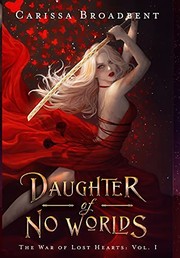
Daughter of No Worlds
A former slave with rare magic hires exiled warrior Max to train her for a daring rescue, sparking slow burn love and wider war in this big 520-page fantasy…
2,529-word summary · 11 min read
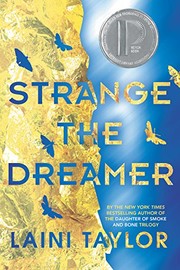
Strange the Dreamer
Orphan librarian Lazlo Strange joins a quest to the lost city of Weep, where blue-skinned godspawn haunt dreams.
2,221-word summary · 10 min read

Poison Study
Sentenced to die, Yelena becomes the Commander's poison taster and learns survival in Ixia has a daily price.
2,501-word summary · 11 min read
To Kill a Kingdom
A siren princess turned human must steal a siren-hunting prince's heart to win back the sea.
2,248-word summary · 10 min read

Finale
Sisters face waking Fates with debts due, loving princes, and choices that break immortal math.
1,995-word summary · 9 min read

Inkdeath
The final Inkworld novel sends Mo into the land of the dead, leaves Meggie choosing between two boys, and ends the Adderhead's immortality with three written…
2,062-word summary · 9 min read

Vow of Thieves
Kazi and Jase return to Tor's Watch to find it occupied, and their marriage is tested by captivity, betrayal, and a war for the town of Hell's Mouth.
2,059-word summary · 9 min read

Lioness Rampant
Alanna searches for the Dominion Jewel with the Shang Dragon, then returns to Tortall to face Duke Roger at Jonathan's coronation.
2,478-word summary · 11 min read

Archenemies
Nova steals for the Anarchists while Adrian hides his Sentinel identity, and a serum that erases prodigy powers puts them both at risk.
2,485-word summary · 11 min read

The Siren
Saved from a shipwreck in 1930, Kahlen becomes a siren who sings men to their deaths for the Ocean, until a boy in a college library makes her want a life she…
2,369-word summary · 11 min read

The Golem's Eye
Two years after The Amulet of Samarkand, Nathaniel is a rising bureaucrat, Bartimaeus is his unwilling servant again, and something made of clay is tearing…
2,299-word summary · 10 min read

The Queen of the Tearling
Nineteen-year-old Kelsea leaves the woods to take her throne, ends a shipment of human captives, and draws the Red Queen's revenge.
2,357-word summary · 10 min read
The Magician
Sophie and Josh flee to Paris with Nicholas Flamel, where John Dee, Machiavelli, and an awakened god close in on the missing pages of the Codex.
2,162-word summary · 10 min read

Lore
Lore Perseous, the last of a hunted bloodline, is pulled back into the Agon when a wounded Athena offers her revenge against the god who killed her family.
2,188-word summary · 10 min read

In the Hand of the Goddess
Alanna, still disguised as a boy, survives war, court plots, and a death duel as the Goddess's chosen warrior in the second Song of the Lioness book.
2,018-word summary · 9 min read

Blue Moon
Ever Bloom tries to save her immortal boyfriend, Damen, from a mysterious illness while a new student named Roman quietly takes control of her school and her…
1,998-word summary · 9 min read
An Enchantment of Ravens
Isobel, a mortal artist in the fairy town of Whimsy, paints a portrait of the autumn prince and falls in love with him, breaking the laws of her craft.
2,087-word summary · 9 min read
A Fate Inked in Blood
In Norse-inspired Skaland, a fish gutter hiding a goddess's blood is claimed by a jarl, bound by oath, and guarded by the son she cannot want.
1,971-word summary · 9 min read
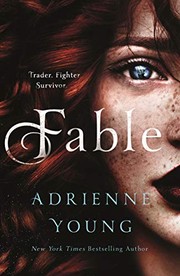
Fable
Abandoned on a lawless island at fourteen, Fable spends four years diving for gems to buy passage off it, straight into the cutthroat trade of the Narrows.
2,320-word summary · 10 min read

The Indigo Spell
Sydney Sage hunts an aging witch, learns forbidden magic, and finally admits she loves Adrian, while the Alchemist tattoo on her cheek may be controlling her.
2,604-word summary · 12 min read

When the Moon Hatched
An assassin who hears air takes a job that throws her to dragons and a hunter.
2,083-word summary · 9 min read

The Winner's Curse
An aristocratic girl buys a slave who is secretly a prince plotting rebellion.
2,124-word summary · 9 min read

The Iron Queen
Meghan faces the Iron King past while Ash pays a winter price.
2,548-word summary · 11 min read
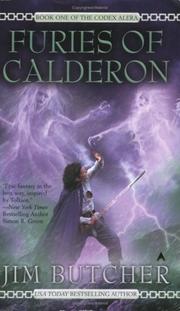
Furies of Calderon
Furyless Tavi defends Calderon Valley when the Marat return and lords scheme.
2,587-word summary · 11 min read

The Golden Lily
Sydney Sage guards Jill at Amberwood Prep in Palm Springs, studies forbidden magic, favors Adrian over Brayden, and faces Alchemist custody in this second…
2,988-word summary · 13 min read