

Inkdeath
2,062-word summary 9 min read 683 pages in the book
- First published
- 2007
- Publisher
- Chicken House/Scholastic
- Pages
- 683
- ISBN
- 9780439866286
- Original title
- Tintentod
- Series
- Inkworld (#3)
Reading options
What's inside (7 sections)
The first Inkheart book was a love letter to reading. A girl discovers that her father can read characters out of books, and the whole novel glows with the idea that stories are real enough to hurt you. Inkspell took that idea further and stranded the Folchart family inside the Inkworld, where the line between author and character gets messy. Inkdeath, the third and final volume, has a colder question at its center: once you are inside a story, who is allowed to write the ending?
It is a big, brooding book. Cornelia Funke published it in Germany in 2007 as Tintentod, and Anthea Bell's English translation runs to 683 pages in the Chicken House edition. The tone has shifted since the first book. Ombra is occupied, children are being taken to work in mines, and the characters spend a lot of time hiding in woods and cellars. If Inkheart felt like a fairy tale told in a library, Inkdeath feels like a fairy tale told in a war zone.
A world running out of writers
The story picks up a few weeks after Inkspell. Dustfinger is dead, killed at the end of the previous book, and Farid is trying to bring him back. Farid has given up his fire, which was the one thing that made him special, and he has attached himself to Orpheus, the silver-tongued reader who came into the Inkworld and decided he liked being important. Orpheus treats Farid like a servant and keeps promising that he will read Dustfinger back to life. He has no intention of doing it.
Meanwhile, the Adderhead is still alive, but not well. Mo bound the White Book for him in Inkspell, and the book keeps him from dying. The problem is that the Adderhead is decaying anyway. His body is held together by the book's magic, but the magic does not make him young or healthy. He is a walking corpse with a crown, and he knows it.
His son-in-law Milksop rules Ombra in his name, with the Piper doing the actual work. The Piper is one of those villains who enjoys his job too much. He takes children from the villages and sends them to the mines, and he has killed most of the young men who might have resisted. The only person standing against him is a masked figure called the Bluejay, who is, of course, Mortimer Folchart. Mo never wanted to be a hero. He wanted to be a bookbinder with a quiet life and a wife and daughter. The Inkworld had other plans.
That gap between Mo's self-image and his reputation is one of the best things in the book. People tell stories about the Bluejay. They sing songs. They expect him to save them, and Mo keeps trying to explain that he is just a man with a knife and a talent for binding pages. Funke is smart about how heroic reputations get built out of other people's need.
The bargain in the graveyard
Orpheus calls a meeting at the robber graveyard and proposes a trade. The Bluejay can bring Dustfinger back from the dead, but the price is that Mo will die in the attempt. Mo agrees. He is tired, he is guilty about Dustfinger's death, and he wants to give Meggie and Resa a chance to go home. So he summons the White Women, the pale figures who collect the dead, and goes with them.
For three days, everyone in the camp believes Mo is dead. Meggie is furious at Farid and at her mother. Resa is pregnant and trying to hold the family together. The emotional logic here is strong: the people who love Mo are forced to sit with his choice, and none of them handles it well.
In the world of the dead, Mo meets Death. Death is not a skeleton in a robe. Death is a presence, and it makes a bargain. Mo can go back. Dustfinger can go back too. But Mo has to finish what he started. He has to write three words in the White Book, and those words will end the Adderhead. If he fails, Death will take Mo, Dustfinger, and Meggie, because Meggie helped bind the book. The three lives are tied together by the same piece of craftsmanship.
Mo returns with Dustfinger, who comes back without his scars and without his fire. That detail matters. Dustfinger has been defined by his scars and his fire, and now he has neither. He is a man who has been given a second chance and does not quite know what to do with it. His daughter Brianna is alive, his wife Roxane is alive, and he still cannot settle. Funke does not let the resurrection be a simple happy ending.
Ombra's children
The middle of the book is the strongest stretch. The Piper rounds up the children of Ombra and threatens to send them to the mines. Mo, in his Bluejay role, offers himself in exchange. He walks into the trap knowing exactly what he is doing. The scene works because it is not a clever plan. It is a man choosing to be the person other people already believe he is.
Violante, the Adderhead's daughter, is the most interesting new presence in the book. Everyone calls her Her Ugliness, a cruel nickname that stuck. She is unhappily married to Milksop, she has a son named Jacopo who adores the Piper, and she has spent years being underestimated. She decides to help Mo, but she has to do it quietly, because her father's court is full of people who would sell her out in a second.
Jacopo is a difficult character to like. He is a boy trying to impress the wrong adults. His mother loves him and cannot reach him. The Piper has made him feel important. Funke is good at showing how children get pulled into violence by adults who want to use them.
Fenoglio, the author who created this world, has collapsed into drink and self-pity. He resents Orpheus for changing his story. He resents the characters for not behaving the way he wrote them. At one point he saves the robbers by writing giant human nests into the trees, which is a funny and unsettling reminder that the man who made this world can still change it, even when he is too drunk to be reliable.
Meggie, meanwhile, is drifting away from Farid and toward Doria, a boy in the robber camp. This is one of the book's weaker threads. Meggie was the heart of Inkheart, the girl who loved books so much that she learned to read them alive. In Inkdeath she spends a lot of time choosing between two boys. Funke gives her some good moments, especially when she is angry at the adults for making decisions without her, but the trilogy's central reader becomes a supporting character in her own story.
The castle in the lake
The last third is a heist. Mo, Dustfinger, Violante, and her child soldiers go to the castle in the lake, where the White Book is kept. The plan goes wrong, as plans in this series always do. Mo and Dustfinger are captured. Brianna is captured too. The Adderhead decides that Mo will make him a second White Book, a fresh one, because the first one is running out of room for his name.
Mo is chained in a dungeon and forced to work. The Piper threatens him. The Adderhead's body is falling apart. The White Women are appearing in the castle, which terrifies everyone, because they only come for the dying. Mo keeps stalling, keeps binding pages, keeps looking for a way to get the original book back.
Resa turns into a swift and flies into the castle. This is one of those Inkworld details that could be ridiculous and instead lands, because Resa has been voiceless for so much of the series and now she has a form that can move through the world freely. She finds Mo and helps him hold on to his sanity. Dustfinger, who has been trying to find a way out, ends up fighting alongside the people he once would have abandoned.
The turning point comes from Jacopo. The boy steals the original White Book from his grandfather and gives it to Mo. It is a child's act of defiance, and it costs him. Mo writes the three words. The Adderhead dies. The White Women come for him, and his court collapses. Violante takes control of Ombra and starts calling herself Her Kindliness, which is either a genuine change or a useful costume. Funke leaves that question open.
What I like most about the climax is that it is solved by craft, not by a sword. Mo is a bookbinder. His weapon is a pen and the knowledge of how a book is put together. The Adderhead's immortality was always a technical problem, a matter of pages and binding and the right words in the right place, and it is fitting that a craftsman ends it. Fantasy novels love chosen ones and magic swords. Inkdeath gives the final blow to a middle-aged man with ink on his fingers.
What the book costs
The ending is quieter than the climax. Orpheus flees to the northern mountains. Fenoglio starts writing again. Farid, who has his fire back, decides to travel and asks Meggie to come with him. Meggie says no. She has fallen in love with Doria, and she wants to stay in the Inkworld. The Folcharts' baby, a boy, is born, and the last pages suggest that he will grow up wanting to see the world his parents came from.
That ending is bittersweet in a way that fits the trilogy. Nobody gets a clean return to normal. Mo and Resa have made a life in a world that was never theirs. Meggie has chosen a world over her parents' world. Dustfinger is alive but changed. The Adderhead is dead, but Ombra is still damaged, and Violante's rule is not a guarantee of anything.
Where the book struggles is with its own scale. Funke keeps adding characters and factions, and some of them blur together. The Milksop is a sneering nonentity. The Piper is memorable but thin. Orpheus, who was a fascinating villain in Inkspell, spends a lot of this book being manipulated by the insane Mortola, and the story loses some of its sharpest satire about authorship. Publishers Weekly made a fair complaint: the meta-fictional questions about fate and authorship get buried under action, and the villains do not carry enough weight to justify the length.
There is also the matter of age. Inkheart was a children's book. Inkdeath is not. It has child soldiers, a decaying immortal, mass kidnappings, and a siege that keeps threatening to turn into a massacre. The darkness is earned, mostly, but it does mean the trilogy grows away from the readers who started it. Kirkus noted that the natural audience for this brooding final volume seemed to be teenagers and up, not the children who had loved Inkheart.
What makes it worth reading is the world. Funke writes places you can see. The castle in the lake, the robber camp in the trees, the White Women moving through the corridors, the giant nests Fenoglio writes into existence. She is also very good at the physical details of bookbinding, which gives Mo's work a weight that most fantasy heroes never get. When Mo binds a book, you feel the glue and the thread and the paper.
And the central idea still works. Stories are made by people, and people are made by stories. The Inkworld exists because Fenoglio wrote it, but it has become something he cannot control. Mo can save it because he is good with his hands. Meggie can change it because she can read. Orpheus can damage it because he is a talented liar. The book's best scenes are about the responsibility that comes with that power.
I would not start here. Read Inkheart first, then Inkspell, and come to Inkdeath knowing that it is the darkest and most uneven of the three. It is a long goodbye to a world that was always too big for its author to hold, which is, in the end, exactly the point.
FAQ
Do I need to read Inkheart and Inkspell before Inkdeath?
Yes. Inkdeath begins shortly after Inkspell and depends on knowing how Dustfinger died, how Mo bound the White Book, and who the Bluejay is.
How does the Adderhead die in Inkdeath?
Mo writes the three words Death demanded into the original White Book, which ends the Adderhead's immortality. The White Women then come for him and his body finally fails.
Is Inkdeath the last book in the Inkworld series?
It concludes the original Inkheart trilogy. Cornelia Funke later returned to the world with The Color of Revenge, but Inkdeath is the end of the story that began with Meggie and Mo.
Similar books
More from Inkworld first, then related titles.
Inkheart
Bookbinder Mo reads characters alive and daughter Meggie is pulled into Capricorn's hunt for Inkheart.
2,910-word summary · 13 min read
Inkspell
Meggie and Farid read themselves into the Inkworld, where Mo is wanted as the Bluejay and words can wound.
2,406-word summary · 11 min read

Lioness Rampant
Alanna searches for the Dominion Jewel with the Shang Dragon, then returns to Tortall to face Duke Roger at Jonathan's coronation.
2,478-word summary · 11 min read
The Golem's Eye
Two years after The Amulet of Samarkand, Nathaniel is a rising bureaucrat, Bartimaeus is his unwilling servant again, and something made of clay is tearing…
2,299-word summary · 10 min read

The Rose & the Dagger
Shahrzad is pulled from her Caliph husband and left in a desert camp of rebels, needing to break his curse and end a war before it ends her.
2,520-word summary · 11 min read
The Queen of the Tearling
Nineteen-year-old Kelsea leaves the woods to take her throne, ends a shipment of human captives, and draws the Red Queen's revenge.
2,357-word summary · 10 min read

We Hunt the Flame
In a fractured Arabia-inspired world, a disguised huntress and a prince-assassin race to find a magic-restoring book and confront an ancient evil.
2,195-word summary · 10 min read
The Magician
Sophie and Josh flee to Paris with Nicholas Flamel, where John Dee, Machiavelli, and an awakened god close in on the missing pages of the Codex.
2,162-word summary · 10 min read

The Hazel Wood
Alice Proserpine has spent her life running from bad luck. When her mother vanishes, she follows a trail of fairy-tale clues to her grandmother's estate and…
2,064-word summary · 9 min read
In the Hand of the Goddess
Alanna, still disguised as a boy, survives war, court plots, and a death duel as the Goddess's chosen warrior in the second Song of the Lioness book.
2,018-word summary · 9 min read
Furies of Calderon
Furyless Tavi defends Calderon Valley when the Marat return and lords scheme.
2,587-word summary · 11 min read
A Winter's Promise
Ophelia reads objects and is sent to marry Thorn on a cold ark.
2,502-word summary · 11 min read
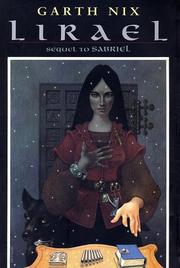
Lirael
A Sightless Clayr girl and a prince afraid of Death join the Dog and Mogget to stop necromancers from waking the Destroyer Orannis at the Red Lake while old…
2,692-word summary · 12 min read
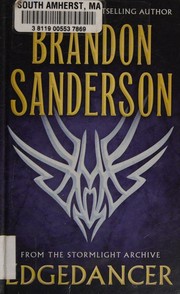
Edgedancer
Hungry street thief Lift and her vine-like friend Wyndle cross the Herald Nale in Tashikk when a child emperor shows Radiant signs and she refuses to step…
2,328-word summary · 10 min read
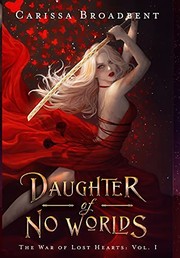
Daughter of No Worlds
A former slave with rare magic hires exiled warrior Max to train her for a daring rescue, sparking slow burn love and wider war in this big 520-page fantasy…
2,529-word summary · 11 min read
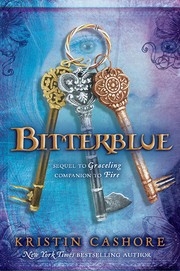
Bitterblue
Eighteen-year-old Queen Bitterblue sneaks out to learn why Monsea still suffers after Leck, facing court lies, ciphers, and trials in Cashore's rich third…
2,686-word summary · 12 min read
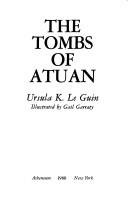
The Tombs of Atuan
Priestess Arha guards dark Tombs until wizard Ged comes to steal back ring.
2,043-word summary · 9 min read

The Amulet of Samarkand
Boy magician Nathaniel summons djinn Bartimaeus to steal the Amulet and stop Lovelace's coup in London.
2,350-word summary · 10 min read
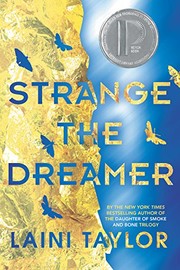
Strange the Dreamer
Orphan librarian Lazlo Strange joins a quest to the lost city of Weep, where blue-skinned godspawn haunt dreams.
2,221-word summary · 10 min read
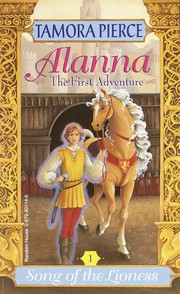
Alanna: The First Adventure
Twins swap roles so Alanna trains as boy page Alan for knighthood while Thom studies sorcery.
2,107-word summary · 9 min read
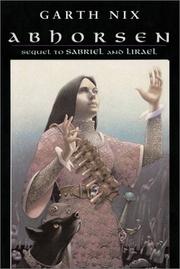
Abhorsen
Lirael as Abhorsen-in-Waiting must bind the Destroyer Orannis with Sam, Dog, and Mogget.
2,214-word summary · 10 min read
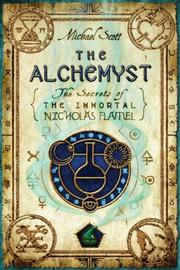
The Alchemyst
Twins Sophie and Josh learn their boss is Flamel as Dee steals the Codex minus two pages.
2,085-word summary · 9 min read

Poison Study
Sentenced to die, Yelena becomes the Commander's poison taster and learns survival in Ixia has a daily price.
2,501-word summary · 11 min read
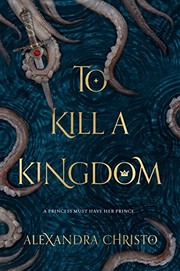
To Kill a Kingdom
A siren princess turned human must steal a siren-hunting prince's heart to win back the sea.
2,248-word summary · 10 min read

Fire
A human monster who reads minds is pulled into war in the Dells and must decide how to use her power.
2,727-word summary · 12 min read
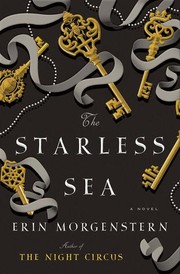
The Starless Sea
A graduate student finds a book that retells his childhood and follows its clues to an underground Harbor of stories.
2,582-word summary · 11 min read
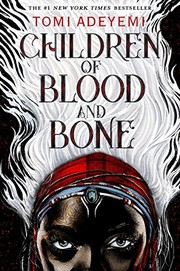
Children of Blood and Bone
White haired Zelie chases magic return with princess Amari hunted by Inan.
2,027-word summary · 9 min read
A Curse for True Love
Evangeline wakes married with no memory of Jacks while Apollo and Jacks hunt.
2,287-word summary · 10 min read
Finale
Sisters face waking Fates with debts due, loving princes, and choices that break immortal math.
1,995-word summary · 9 min read
The Ballad of Never After
Evangeline hunts four missing Arch stones with Jacks to free a cursed Apollo and learns what his rescue will cost.
3,690-word summary · 16 min read