
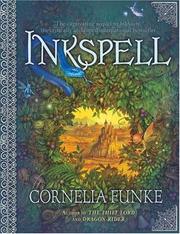
Inkspell
2,406-word summary 11 min read 635 pages in the book
- First published
- 2005
- Publisher
- Scholastic
- Pages
- 635
- ISBN
- 9780439554008
- Original title
- Tintenblut
- Series
- Inkworld (#2)
Reading options
What's inside (7 sections)
I came to Inkspell straight after rereading Inkheart, mostly because the first book left Dustfinger in a painful spot and I wanted to know if he ever got home. Cornelia Funke first published this second volume in German as Tintenblut in 2005, and Anthea Bell English translation followed the same year through Chicken House and Scholastic in a big 635 page hardcover. It is the middle book in the Inkworld series, and it is darker and stranger than the first. People cross into the book this time instead of coming out of it, and Funke spends a lot of pages on what that costs.
A year has passed since Capricorn defeat. Meggie Folchart is thirteen now, living with her parents Mo and Resa and missing the danger in a way that embarrasses her. Mo has stopped binding strange books for strangers and tries to live quietly. Resa got her voice back after years of silence inside the story and now works, cooks, worries, watches her daughter too closely. Elinor still guards her library like a dragon with reading glasses, and Darius the timid reader lives with her, nervous around loud noises. Farid, the boy who slipped out of the Thousand and One Nights, hangs around too, restless and bored in our flat world where fire needs lighters and no one believes his stories.
Dustfinger is gone from their daily life, and his absence drives everything. He survived the first book but never forgave Fenoglio for writing him scars and exile. He wants to go back into his own world, to his wife Roxane and the woods and the fire that obeys him there. In our world his torches sputter in rain. His marten Gwin bites everyone. He drinks. He picks fights with Farid, who loves him like an older brother. When a sleazy failed actor turned storyteller named Orpheus shows up with a copy of Inkheart and a smooth reading voice, Dustfinger makes a deal. Orpheus reads him back into the pages and leaves Farid behind, which is cruel even by this series standards. Farid wakes up alone on a road in Italy with ash on his shoes and runs to find Meggie.
Farid at the door
Farid arrival at Elinor house is one of my favorite stretches. He walks for days, steals food, sleeps in ditches, talks about Dustfinger the way kids talk about a dad who left. He begs Meggie to read him back in. Meggie can do it now. She practiced in secret and learned to read herself through words, the way she once read people out. She is scared but also thrilled. Nobody else understands what it feels like to miss a place you have never touched. She agrees before she tells her parents, which tells you how young she still is.
They use Inkheart and Meggie clear voice. The crossing works, and Funke writes it as falling sideways through letters, heat on skin, smell of moss and smoke replacing carpet and tea. Meggie lands in the Wayless Wood with pine needles in her hair and fear in her throat. Her first thought is triumph, then instant regret. The forest is louder, hungrier, and less romantic than Fenoglio descriptions. Tiny glass men with squeaky voices stare at her. Fire elves flicker. A Laughing Prince patrol could find her. Farid loves it at once. He breathes deeper. Fire answers him here with less coaxing. Meggie wants to go back within an hour, then is ashamed of wanting it.
Fenoglio lives inside his own story now, and meeting him again is awkward and funny. He got pulled in during the first book closing readings and set himself up in his own invented town, drinking too much wine, quarreling with his own characters when they disobey him. He imagined himself as a clever creator welcomed by his people. In practice the peasants think he talks too much, the robbers rob him, and his grand words do not fill bellies. He fusses over Meggie like a grandfather, shows off his house, quotes his own songs, then sulks when she points out the story changed without him. Capricorn is dead, but new powers filled the gap. The Adderhead rules from the Castle of Night with paranoia and cruelty. The Laughing Prince holds Ombra with festivals and debts. The Black Prince leads robbers in the forest and protects the poor when he can. Fenoglio wrote some of this, but the world kept growing while he was away, and his ink no longer controls it.
The man called Bluejay
Mo follows them in a worse way. Back in our world, two leftovers from Capricorn gang break into Elinor house to steal the last Inkheart copy. Mortola, Basta mother, a thin bitter woman who poisons and plots, shoots Mo in the chest. The wound is bad. Resa screams. Elinor calls for help. To save him, Meggie reads with shaking hands and the words drag wounded Mo into the story too, because the Inkworld has healers and magic that our hospitals might not offer in time. Resa and Elinor stay behind, frantic, with only Darius soft voice for company. I found those goodbye pages painful. Resa just got her family whole and now loses husband and daughter to paper.
Mo wakes in a forest hut under Roxane care, Dustfinger wife, a strong quiet woman who knows herbs and wounds. Word spreads that a strange wounded man with scars appeared from nowhere. The robbers take him for the Bluejay, a masked outlaw from Fenoglio songs, a noble thief who steals from the rich and mocks princes. Fenoglio invented the Bluejay as a hero and gave him songs and feathers, never expecting a real man to wear the mask. Mo looks enough like the description, dark hair, scarred hands, sad eyes, that peasants kneel and whisper. The Black Prince, the real leader of the forest men, watches him with hope and suspicion. Is this actor useful or dangerous.
Mo hates the role at first. He is a bookbinder, not a fighter. He mends a torn cloak the way he would mend a spine. He tries to stay neutral, to find Meggie and hide. But the Adderhead men burn farms, take children as servants, hang robbers on the Laughing Prince road. Staying neutral starts to feel like helping the burners. Slowly Mo puts on the mask for real, ambushes tax carts, frees prisoners, learns to use a sword badly but bravely. Dustfinger, back home and guilty about Farid, shadows him, torn between gratitude and jealousy. Dustfinger wanted to be free of Mo, yet Mo keeps saving people Dustfinger loves. Their wary friendship, prickly and loyal, carries a lot of the middle.
Meggie finds her father in pieces. She travels with Farid, trades stories for bread, sleeps in barns, learns which innkeepers inform for the Piper, the Adderhead silver tongued herald who sings threats before arrests. She meets the glass men who cluster around Fenoglio and mock him, and one called Rosenquarz attaches to Meggie with blunt advice. She meets the Black Prince, huge and gentle, his bear close by, who protects children and distrusts readers. She meets Violante, the sad and book loving wife of Cosimo, the Laughing Prince son, fond of books and hungry for influence, who sees Meggie as a tool and a friend in turns. Cosimo himself is handsome, vain, built from Fenoglio ink to look like a storybook prince, and he rides to war with songs in his head and no sense of mud.
The Adderhead and the blank book
The plot tightens around a book that does not exist yet. The Adderhead is aging and terrified of dying. He heard that Mo can bind marvelous books, and that Fenoglio words can cheat death. He orders them to make him a blank Book of Immortality, bound in mole skin, that will hold his life safe if three words are written inside. If they refuse, he will hang the robbers, burn Ombra villages, and kill the Bluejay slowly. If they obey, he will live forever and rule forever, which might be worse. Mo, prisoner now in the Castle of Night, has to bind it with swollen hands while guards watch. Fenoglio, drunk and scared, has to write the fateful words. Meggie, brought to castle as a reader, has to read them aloud.
Castle chapters are long and stuffy on purpose. Stone halls, bad food, spies behind curtains, the Piper singing sugary menace, Firefox the Adderhead fire raiser brother in law strutting with torches, Balbulus the court poet jealous of Fenoglio, Orpheus now installed as a pampered fraud, fattened on praise, writing ghoulish new passages for coin. Orpheus is great and hateful. He loves the Inkworld the way a fan loves a band, possessively, and he will twist any scene to keep himself important. He taunts Farid, flatters the Adderhead, rewrites Dustfinger fate out of spite. Every time he opens his mouth I wanted someone to throw bread at him.
Mo binds the book beautifully even while planning ruin. He chooses thread, folds pages, tools leather, remembers his workshop at home with a physical ache. Fenoglio writes three words that look like salvation and hide a trap. Meggie reads with a steady voice while thinking of her mother. The Adderhead glows with triumph, then learns what readers of this series learn again and again. Words keep accounts. Immortality has terms. The book will preserve him, yes, but it will also make him slow, cold, vulnerable in new ways that matter later. I will not spell out the trick here because the pleasure is watching Mo and Fenoglio, binder and author, beat a tyrant with craft instead of swords. It is the best scene in the novel, quiet after so much fire.
Outside the castle, war still burns. Cosimo leads a foolish attack, convinced songs protect him, and gets his men slaughtered. The Laughing Prince mourns and rages. The Black Prince tries to hold the forest together. Dustfinger trades and barters for lives, stealing medicine, hiding Meggie, arguing with Roxane about risk. Farid learns to call fire with thought more than oil, but each call shakes him. He loves flame and fears what it wants from him. Basta and Mortola skulk at edges, hungry for revenge after Capricorn fall, blaming Mo for everything. Basta still touches wood for luck, still loves his knife, still cowers before stronger masters. Mortola hates with a colder focus. She wants Mo dead and Meggie broken.
What the middle costs
Funke does not give a clean win. That is the point of a middle volume and also why some readers bounce off it. Dustfinger pays a brutal price late, stepping between killers out of love and debt, and Farid grief is raw enough that I had to put the book down. Meggie grows up fast in ways that hurt. She lies to protect Fenoglio, bargains with Violante, watches executions, learns that reading aloud can wound as surely as a blade. Mo survives but is marked, inside and out, and the Bluejay mask sticks to him whether he wants it or not. Resa, back in our world, reads and waits, and Elinor drinks tea and sharpens her tongue against fear. The last pages strand people on both sides of the paper with promises unpaid. It ends on worry, not rest.
At 635 pages in the Scholastic hardcover, ISBN 9780439554008, Inkspell asks more patience than Inkheart. Bell translation stays clear and musical, good with food, clothes, forest smells, castle damp, glass men chatter. But Funke lingers. Feasts, marches, costume changes, songs quoted at length, Fenoglio self pity spirals, Orpheus preening. Some threads repeat. Another capture, another bargain, another narrow escape. Cosimo plot drags for a stretch, and Violante motives blur when the pace needs her to be kind then cold in quick turns. New readers who start here will be lost. This is not a standalone. You need the first book rules, Silvertongue exchange, who Resa was, why Dustfinger aches, or half the ache will not land.
Age fit sits a notch older than book one. Shops list it for confident readers around ten and up, often young adult crossover, and that feels right. Violence is stronger, burns, hangings threatened, animals hurt, a shooting early, grief that does not tidy itself. Nothing graphic for pages, but the dread lasts. Kids who loved Meggie as a fellow reader will still love her, though she cries less and calculates more. Teens will catch the Fenoglio thread, an author learning he cannot control readers or characters, which reads like Funke talking to herself with humor and bite.
Who will love it most
I loved the forest men best. The Black Prince feeding orphans while planning ambushes. The glass men bickering over words. Roxane steady hands. Farid learning limits. Those small kindnesses glow against Adderhead stone. I also liked how bookish the stakes stay. A binder stitching, an author choosing three words, a girl breathing before she reads. Power comes from craft, not destiny marks. When Meggie reads, Funke slows to breath and image and cost, and those scenes still thrill me after two books.
Fair knocks beyond length. Orpheus can feel too modernly smarmy against medieval dirt, fun but jarring. The Piper and Firefox sometimes merge into one sneering officer. Resa and Elinor get too few pages in the second half, and I missed Elinor snap badly. The magic rules wobble again. Silvertongue exchange matters hugely in some scenes and slips by in others, and Orpheus ability seems to work whenever he needs it to. If you wanted a tight quest, this wanders. If you wanted to live inside a made world for weeks, with dirt under nails and songs stuck in head, this delivers.
Closing it, I thought less about plot and more about authorship. Fenoglio made a world to escape his bills and boredom, then had to live in the hunger he invented. Meggie learned to write as well as read, to choose words that shape lives. Mo learned a mask can become a face. Funke, who says on her site she never planned a sequel until her characters refused to leave her, writes the middle with affection even when it sags. Inkheart opened the door. Inkspell moves the furniture inside and locks it behind you for a while. Inkdeath has a lot to answer for, and I am going there next with worry and appetite both.
FAQ
Do I need to read Inkheart before Inkspell?
Yes. Inkspell starts a year later and relies on Silvertongue rules, Resa voice, and Dustfinger exile. New readers will miss why the crossings cost so much.
What is the Bluejay in Inkspell?
The Bluejay is a masked robber hero from Fenoglio songs. Villagers mistake scarred bookbinder Mo for him, and Mo slowly takes up the mask against the Adderhead men.
Is Inkspell darker than Inkheart?
Yes. Funke said the middle volume runs darker, with burns, hangings threatened, a shooting, and grief. Shops shelve it for strong readers around ten and up into young adult.
Similar books
More from Inkworld first, then related titles.
Inkheart
Bookbinder Mo reads characters alive and daughter Meggie is pulled into Capricorn's hunt for Inkheart.
2,910-word summary · 13 min read

Inkdeath
The final Inkworld novel sends Mo into the land of the dead, leaves Meggie choosing between two boys, and ends the Adderhead's immortality with three written…
2,062-word summary · 9 min read

Lioness Rampant
Alanna searches for the Dominion Jewel with the Shang Dragon, then returns to Tortall to face Duke Roger at Jonathan's coronation.
2,478-word summary · 11 min read

The Golem's Eye
Two years after The Amulet of Samarkand, Nathaniel is a rising bureaucrat, Bartimaeus is his unwilling servant again, and something made of clay is tearing…
2,299-word summary · 10 min read

The Rose & the Dagger
Shahrzad is pulled from her Caliph husband and left in a desert camp of rebels, needing to break his curse and end a war before it ends her.
2,520-word summary · 11 min read
The Queen of the Tearling
Nineteen-year-old Kelsea leaves the woods to take her throne, ends a shipment of human captives, and draws the Red Queen's revenge.
2,357-word summary · 10 min read

We Hunt the Flame
In a fractured Arabia-inspired world, a disguised huntress and a prince-assassin race to find a magic-restoring book and confront an ancient evil.
2,195-word summary · 10 min read
The Magician
Sophie and Josh flee to Paris with Nicholas Flamel, where John Dee, Machiavelli, and an awakened god close in on the missing pages of the Codex.
2,162-word summary · 10 min read
In the Hand of the Goddess
Alanna, still disguised as a boy, survives war, court plots, and a death duel as the Goddess's chosen warrior in the second Song of the Lioness book.
2,018-word summary · 9 min read
Furies of Calderon
Furyless Tavi defends Calderon Valley when the Marat return and lords scheme.
2,587-word summary · 11 min read
A Winter's Promise
Ophelia reads objects and is sent to marry Thorn on a cold ark.
2,502-word summary · 11 min read
Lirael
A Sightless Clayr girl and a prince afraid of Death join the Dog and Mogget to stop necromancers from waking the Destroyer Orannis at the Red Lake while old…
2,692-word summary · 12 min read
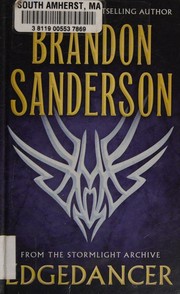
Edgedancer
Hungry street thief Lift and her vine-like friend Wyndle cross the Herald Nale in Tashikk when a child emperor shows Radiant signs and she refuses to step…
2,328-word summary · 10 min read
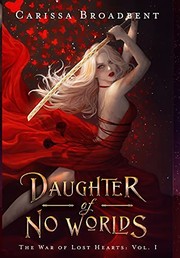
Daughter of No Worlds
A former slave with rare magic hires exiled warrior Max to train her for a daring rescue, sparking slow burn love and wider war in this big 520-page fantasy…
2,529-word summary · 11 min read
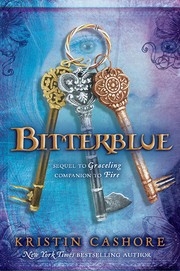
Bitterblue
Eighteen-year-old Queen Bitterblue sneaks out to learn why Monsea still suffers after Leck, facing court lies, ciphers, and trials in Cashore's rich third…
2,686-word summary · 12 min read
The Tombs of Atuan
Priestess Arha guards dark Tombs until wizard Ged comes to steal back ring.
2,043-word summary · 9 min read

The Amulet of Samarkand
Boy magician Nathaniel summons djinn Bartimaeus to steal the Amulet and stop Lovelace's coup in London.
2,350-word summary · 10 min read
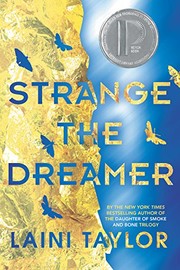
Strange the Dreamer
Orphan librarian Lazlo Strange joins a quest to the lost city of Weep, where blue-skinned godspawn haunt dreams.
2,221-word summary · 10 min read
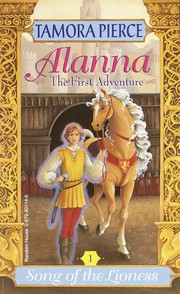
Alanna: The First Adventure
Twins swap roles so Alanna trains as boy page Alan for knighthood while Thom studies sorcery.
2,107-word summary · 9 min read
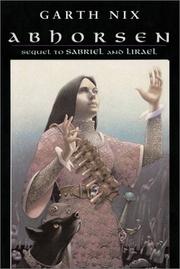
Abhorsen
Lirael as Abhorsen-in-Waiting must bind the Destroyer Orannis with Sam, Dog, and Mogget.
2,214-word summary · 10 min read
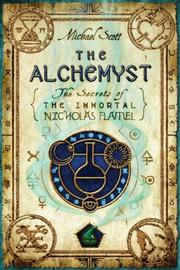
The Alchemyst
Twins Sophie and Josh learn their boss is Flamel as Dee steals the Codex minus two pages.
2,085-word summary · 9 min read

Poison Study
Sentenced to die, Yelena becomes the Commander's poison taster and learns survival in Ixia has a daily price.
2,501-word summary · 11 min read
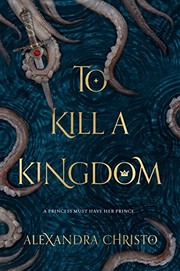
To Kill a Kingdom
A siren princess turned human must steal a siren-hunting prince's heart to win back the sea.
2,248-word summary · 10 min read

Fire
A human monster who reads minds is pulled into war in the Dells and must decide how to use her power.
2,727-word summary · 12 min read

The Starless Sea
A graduate student finds a book that retells his childhood and follows its clues to an underground Harbor of stories.
2,582-word summary · 11 min read
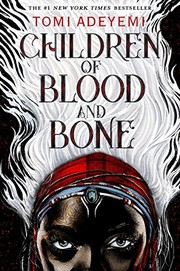
Children of Blood and Bone
White haired Zelie chases magic return with princess Amari hunted by Inan.
2,027-word summary · 9 min read
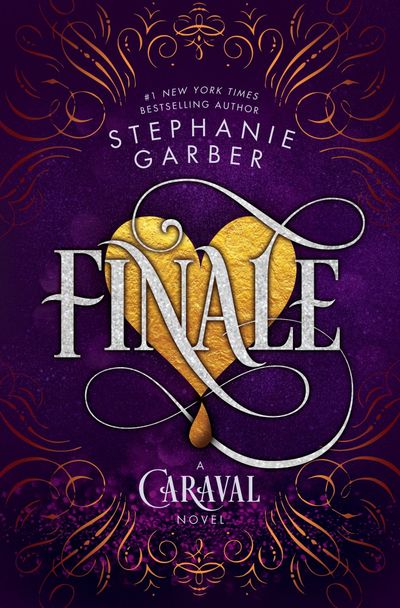
Finale
Sisters face waking Fates with debts due, loving princes, and choices that break immortal math.
1,995-word summary · 9 min read
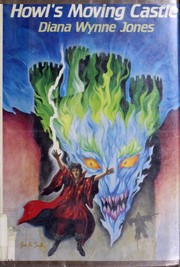
Howl's Moving Castle
Cursed old by the Witch of the Waste, hatmaker Sophie Hatter talks her way into wizard Howl's moving castle and bargains with fire demon Calcifer to break the…
2,363-word summary · 11 min read
The Subtle Knife
Will finds a window to Cittagazze, meets Lyra, and both hunt the knife that cuts between worlds.
3,227-word summary · 14 min read
Graceling
Katsa, Graced with killing, breaks from her uncle's use of her and follows a kidnapped prince toward a hidden king.
2,517-word summary · 11 min read