
Howl's Moving Castle
2,363-word summary 11 min read 212 pages in the book
- First published
- 1986
- Publisher
- Greenwillow Books
- Pages
- 212
- ISBN
- 9780688062330
- Series
- Howl's Castle (#1)
Reading options
What's inside (8 sections)
I came to Howl's Moving Castle after seeing the film first and loving the walking house and the fire. A friend who grew up on Diana Wynne Jones told me the 1986 book was stranger and funnier, and that Sophie was angrier. She was right. I read the Greenwillow Books edition, which runs 212 pages, on a rainy weekend, laughing at Sophie scolding sticks while feeling a sting because I knew her habit of deciding life was already set. This summary tells the full plot, ending included.
Sophie Hatter believes she is doomed from the first page. In Ingary, where fairy tale rules count as facts, everyone knows the eldest of three will fail first. Sophie, the eldest Hatter girl, takes that rule to heart. She sews hats. Her father has died, her stepmother Fanny runs the hat shop in Market Chipping, and Sophie stays inside trimming felt, talking to each hat about who might buy it and what life it might have. Things she talks to seem to listen, though she does not know it yet.
The eldest of three in Market Chipping
Market Chipping is a small town in Ingary with a bakery, a hat shop, and gossip in the square. Sophie is eighteen and acts older. Lettie, the middle sister, is pretty and sharp and serves at Cesari's pastry shop, where boys queue to be served by her. Martha, the youngest, is bold and is set to train in witchcraft with Annabel Fairfax. The girls love each other but chafe. Lettie hates the bakery chatter. Martha wants town life. Sophie thinks she wants only neat hats.
Early on the younger sisters trade places in secret. Martha goes to Cesari's, which suits her love of people. Lettie goes to Mrs Fairfax to study spells, which suits her hunger to learn. Sophie stays with the hats because she thinks the eldest must stay put. Fanny soon cuts costs and plans to marry again. Sophie is left alone with ribbon and the talk of customers about the Witch of the Waste and the dreadful wizard Howl.
Howl has a black name in Market Chipping. They say his castle moves on the hills above town, puffing smoke, and that he steals girls and eats hearts. They say he is vain, cowardly, and skilled at slipping out of work. Mothers use him to frighten children. Sophie half believes it while she sews. Jones sets up Ingary as a place where stories shape choices, and Sophie acts like a background figure in someone else's tale. That choice matters later, when she walks into a castle and starts bossing a wizard.
Cursed old by the Witch of the Waste
Sophie meets Howl before she knows him, on May Day when she visits Lettie. The town is packed. A handsome young man rescues her from pestering soldiers, floats them above the street on a gliding spell, and chats like an old friend. Sophie is pleased, then cross with herself for being pleased. That man is Howl, though she does not learn it yet.
That evening the Witch of the Waste enters the hat shop. She is tall and furious over something Sophie said unknowingly about Howl. She tells Sophie she will be unable to speak of being cursed, then turns her into a bent ninety-year-old woman with gray hair and aching joints. Next morning Sophie tries to tell the shop girl and finds her mouth will not form the words. The curse holds.
Most heroines would seek a cure. Sophie decides being old is useful. Old women are invisible, she thinks, and no one expects much from them. She packs little, leaves a note, and walks out of Market Chipping toward the hills to live quietly without being a burden. She talks to her walking stick to keep her knees going. She sleeps badly. She climbs toward the moving castle because it is there.
On the way she finds a scarecrow of turnip and old coats stuck upside down on a hedge. She pities him, hauls him upright, and speaks kindly. He hops after her a little way, as if grateful. She calls him Turnip Head. He cannot speak, but he keeps appearing later at useful times, holding doors and standing guard in rain. Sophie thinks she is only being decent. She does not know kindness to odd things is her true power.
Howl Jenkins Pendragon and Calcifer
The castle is tall, black, and thin, with four turrets and a puffing chimney, shifting slowly near the Waste edge. Sophie pushes in through the side while the owner is out, seeking shelter from rain. Inside she finds a warm, messy room with a hearth, stairs up, a bathroom that spurts slime, guitars, books, jars of strange powders, and a fire demon named Calcifer burning blue and orange in the grate.
Calcifer speaks at once. He is bound to the hearth by a contract with Howl and cannot leave. He sees through Sophie's age, which startles her, and offers a bargain. If she breaks his contract with Howl, he will break her curse. Sophie agrees fast, having nothing else to trade. Neither knows yet how to break it. The terms stay hidden. Calcifer will not say them. Howl will not say them. Sophie must live there and watch.
Howl comes home and Sophie knows him as the May Day man, now in a loud suit, spending two hours in the bathroom, vain about his hair and fussy about cuffs, charming when he wants something and sulky when crossed. He has many names. To the King he is Wizard Pendragon. To his old teacher he is Howl Jenkins. In his birthplace he was Howell Jenkins from Wales. Michael Fisher, his kind fifteen-year-old apprentice, tells Sophie bits. Michael courts Martha by letter, not knowing of the sisters' swap, and works hard for little thanks.
Howl lets Sophie stay as housekeeper because the place is filthy and he is too lazy and curious to send her off. He tries to scare her with threats and finds she scolds him back. Michael is glad to have an adult who cooks. Sophie settles in the inglenook, knits, talks to the fire and the broom, and cleans with a will that alarms all three males. The castle has never been so scrubbed, nor so loud with argument.
Four doors and a cleaning frenzy
The front door is the best trick in the book. Its knob has four settings. Turned down it opens on Market Chipping. Turned to blue it opens on seaside Porthaven. Turned to red it opens on the capital, Kingsbury. Turned to black it opens on the Waste, where the Witch rules. The castle moves above the hills, while the door lets Howl work in three towns at once. Michael runs errands through Porthaven. Howl plays court wizard through Kingsbury. Sophie spies on her old shop through Market Chipping.
Sophie scrubs because she hates mess and because work gives her hold while old. She beats rugs, sorts jars, throws out dead mice and old love letters, and nags Howl about slime and noise. She talks nonstop to spiders, suits, and brooms, telling them to behave and work hard. Without knowing it, she does magic. Her gift is coaxing life into things through speech. Hats she praised sold well because she wished luck into them. Now sticks stir and brooms sweep harder because she tells them to. Calcifer notices and stays quiet, liking her and fearing what Howl might do.
Howl proves gifted and childish at once. He can change shape, fly, raise fogs, sell spells, and dodge the King with clever letters. He hides from his teacher Mrs Pentstemmon in Kingsbury and from the Witch, whom he once courted and left. He spends gold on suits, chases girls for a week, then slimes them away, and begs Michael to lie for him. When Sophie mixes his powders by overcleaning, he throws a full tantrum and covers himself in green slime head to foot. Sophie is disgusted and half fond. Calcifer calls Howl a coward who runs from hard things.
Royal trouble arrives. Prince Justin, the King's brother, went to the Waste to face the Witch and vanished. Wizard Suliman went after him and vanished too. The King orders Howl, as royal wizard, to find them and fight. Howl wants no part of the Waste. He sends Sophie to the palace disguised as his old mother to plead illness, and Sophie lectures the King so fiercely that he half laughs. She meets Mrs Pentstemmon there, who sees more than she says. Back home Sophie guesses Howl knows more about the missing men than he admits, and that Calcifer's contract sits at the center.
Prince Justin, Wizard Suliman, and the Waste
The middle moves in lively bursts. Sophie sells spells in Howl's absence, haggles hard, mothers Michael, feeds Calcifer logs, and tries to coax the contract terms from wizard and demon alike. Michael falls deeper for Lettie, visiting Cesari's and writing poems. Sophie checks her old shop, learns Fanny sold it and married well, and feels a pang that her old life closed. Turnip Head keeps hopping up to the moving castle, scaring Michael and guarding Sophie when enemies prowl.
Howl's past leaks through the black door. Following him one day, Sophie finds not waste but a modern house in Wales, with a television and a shouting sister named Megan and staring children. Howl is Howell Jenkins there, a clever boy who chased a falling star and learned magic after. Sophie sees he slips to Wales to hide from Ingary duties, and that he pays for that house with Ingary gold while feeling lonely under his charm. She also meets a lost man-dog creature that speaks a little Welsh and trails Howl home. She feeds it and keeps it, naming nothing, pitying everything.
Danger tightens. The Witch sends fire, fog, and a worm servant to hunt Howl. Mrs Pentstemmon is struck by a spell meant for him. The King presses harder. Howl flies to the Waste in secret, fights, and returns burned and silent. Sophie, jealous and afraid, lashes out. She has fallen for Howl while calling it annoyance, and she hates his flirting with Lettie, whom he courts partly to make Sophie jealous and partly for news. Lettie likes Howl but sees through him. Calcifer burns low. Sophie tries to leave, cannot, and scrubs harder.
Sophie also proves her strength. She ruins a suit Howl fancied by telling it the color will never suit him, and it falls apart. Her stick walks to her hand when called. Turnip Head moves faster when praised. She begins to admit she may have magic, though she calls it mere talk. Calcifer watches with hope, because only a strong giver of life could break a star bargain. Howl watches too, hiding care under teasing, calling her a bossy old mother and then asking her not to go.
The contract, the heart, and a fair look at faults
The end comes fast, so brace for it. Howl goes to face the Witch at last, since she has seized Lettie's form and Mrs Pentstemmon's power and means to rule Ingary through a false heir. Sophie follows against orders with Michael, Turnip Head, the dog-man, and Calcifer carried in a pan. In the Waste they find the Witch's garden, the lost Prince and Wizard trapped in changed shapes, and Miss Angorian, a lovely teacher figure who proves to be the Witch's own fire demon wearing a face, holding Howl's heart through the link with Calcifer.
The contract truth reframes the book in a few pages. Years ago Howl caught Calcifer as he fell as a dying star. Pitying him, Howl gave him his own heart to keep him alive. Calcifer moved into Howl's chest and stayed, bound by thanks and wizard law, beating in the grate instead. That is why Howl seems fickle and cold. He lacks his heart. That is why Calcifer cannot leave the hearth. Neither will speak the terms, since speech might kill them both. Only someone able to grant life with words, like Sophie, can bid them live apart and survive.
Sophie does it by talking, as all along. She tells Calcifer he can live a thousand years without Howl. She tells Howl to take his heart back and act kindly. She speaks to Turnip Head and the dog-man, and they rise as Prince Justin and Wizard Suliman freed from long spells. She faces Miss Angorian, who burns, and the Witch burns out when her demon leaves her. Calcifer bursts free in a rush of blue flame, then returns by choice to stay with Sophie and Howl as friend, not slave. Howl's hair shifts with his moods until Sophie admits she likes it red. Her own curse lifts because she breaks it herself by owning her power and refusing to hide as old. Howl asks her to stay. She agrees, still scolding.
I love this close while seeing its faults plainly. Jones keeps her quick talkative style across 212 pages, Sophie's voice carries slow stretches, and Howl grows from vain runaway to brave man well enough to earn it. Still, the middle is episodic, with spells sold, girls chased, slime made, and doors turned while the hunt for Justin and Suliman waits offstage too long. The last battle packs reveals, rescues, and two disenchantments into very few pages, so the Witch falls quickly and the romance turns on a hair-color joke. Sophie can grate when she bullies Michael or sulks at Lettie. Readers wanting tight plotting may wish Jones tied the Wales house to the Waste war sooner. Yet the theme holds. Sophie starts sure the eldest must fail and hides in age, then learns her speech shapes the world. Howl starts sure running saves him, then learns giving his heart on purpose beats hiding it. Every swept floor says she will live here and be seen. Every log she feeds Calcifer keeps a promise. When the bargain breaks, it feels less like a trick than a household telling the truth at last.
FAQ
What is Calcifer's contract with Howl?
Howl once caught Calcifer as he fell as a dying star and gave him his own heart to keep him alive. Calcifer lives in the hearth and Howl lives on without his heart until Sophie bids them live apart.
Is Howl's Moving Castle part of a series?
Yes. It is book one of Howl's Castle, followed by Castle in the Air and House of Many Ways. This summary covers only the first book.
When was Howl's Moving Castle published?
It was first published in 1986 by Greenwillow Books. The edition followed here runs 212 pages with ISBN 9780688062330.
Similar books
More like Howl's Moving Castle →More from Howl's Castle first, then related titles.
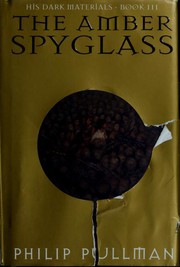
The Amber Spyglass
Lyra and Will cross worlds with amber spyglass to free ghosts and kill Authority.
2,252-word summary · 10 min read

The Witches
A boy and his grandmother face the Grand High Witch's plan to turn England's children into mice.
2,738-word summary · 12 min read

The Wonderful Wizard of Oz
Dorothy is carried to Oz by a cyclone and walks the yellow brick road with Scarecrow, Tin Woodman, and Lion.
3,297-word summary · 15 min read

The Subtle Knife
Will finds a window to Cittagazze, meets Lyra, and both hunt the knife that cuts between worlds.
3,227-word summary · 14 min read

Inkheart
Bookbinder Mo reads characters alive and daughter Meggie is pulled into Capricorn's hunt for Inkheart.
2,910-word summary · 13 min read

Graceling
Katsa, Graced with killing, breaks from her uncle's use of her and follows a kidnapped prince toward a hidden king.
2,517-word summary · 11 min read