
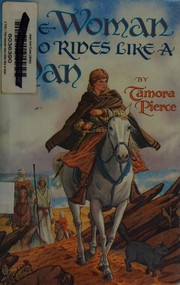
The Woman Who Rides Like a Man
2,894-word summary 13 min read 253 pages in the book
- First published
- 1986
- Publisher
- Atheneum
- Pages
- 253
- ISBN
- 9780689311178
- Series
- Song of the Lioness (#3)
Reading options
What's inside (10 sections)
- South out of Corus, and a sword broken
- A trial by combat, then a shaman's duel
- An unwilling shaman and her three apprentices
- The boy who wanted too much power
- Jonathan, the Voice, and the argument that ends a romance
- Port Caynn and the King of Thieves
- A dying sorceress and a map to the Dominion Jewel
- What holds up, and what scrapes
- Key takeaways
- FAQ
I came to this one straight after the first two Song of the Lioness books, expecting more court intrigue and swordplay, and instead found myself in a desert with a heroine who is officially a knight but somehow ends up as a shaman. The Woman Who Rides Like a Man was published in 1986 by Atheneum, the third of four books, and the first edition hardcover runs 253 pages with a cover by David Wiesner. It is the strangest of the quartet and, for my money, the one that gives Alanna of Trebond the most room to be herself. It also asks her to give up nearly everything she has spent two books earning. That trade is what the story is really about.
South out of Corus, and a sword broken
Alanna starts this book in a mess of her own making, though the mess was worth it. At the end of In the Hand of the Goddess she revealed herself as a girl during the trial by combat with Duke Roger, and that truth has changed what she can be at court. She has effectively removed herself from Corus, and she is not sure how she would be received if she went back. So she heads south into the Great Southern Desert with Coram Smythesson, her manservant and the closest thing she has to family, and Faithful, her cat. She wants adventure. She gets rather more than she asked for.
The first real fight goes badly. Hillmen ambush them, and one of the attackers carries a strange sword with a long crystal blade. Alanna's own sword, Lightning, breaks in the struggle. She notices an orange light flickering around the crystal blade, a warning she owes to the token the Mother Goddess gave her, and then a band of Bazhir riders turns up to help finish the fight. These are men of the Bloody Hawk tribe, a rebel group that does not accept the King in the North as its monarch. Their leader is Halef Seif. One of them, Gammal, recognises Alanna as the Burning-Brightly One, the warrior who helped defeat the Ysandir years earlier. That reputation is the reason they do not simply kill the strangers. It is also why they invite them to dinner.
That evening, around the campfire, the tribe argues over what to do with the two outsiders. Three young people are assigned to look after Alanna and Coram: Ishak, Kara and Kourrem. They warn her about the tribe's shaman, Akhnan ibn Nazzir, who has been preaching that the newcomers are demons come to corrupt the tribe. Alanna notices Nazzir slipping away into the dark with his horse, and Faithful tells her the shaman has been asking what valuables are in her tent. The vote goes to trial by combat. Either Alanna dies, or she is adopted into the Bloody Hawk.
I liked how quickly Pierce drops the reader into this world. There is no long explanation of Bazhir customs. You learn them the way Alanna does, by watching what people eat, who sits where, and what happens when a stranger says the wrong thing. The trial itself is brief and matter of fact. Hakim Fahrar volunteers to fight her, and Alanna beats him, and just like that she and Coram are Bloody Hawk. It reads less like a victory than like a door closing behind her.
A trial by combat, then a shaman's duel
Being adopted does not settle things, because Nazzir is not satisfied. He retrieves the crystal sword from the site of the earlier skirmish and attacks Alanna with magic, even trying a powerful spell called the Gate of Idramm. He is convinced she is evil and that the sword, which broke Lightning, proves it. Alanna stops the spell, but the danger is not over. When she finally confronts him, he insults the Mother Goddess and comes at her with the crystal blade. In the fight the sword feeds on Nazzir's own life force and kills him. The weapon now belongs to Alanna.
This is where the book takes the turn that surprised me so much. Under Bazhir law, the shaman who dies in combat must be replaced, and the person who killed him is the one who must take his place, at least until another shaman is trained or somebody kills her. Alanna has spent three books fighting to become a knight, and now she is a shaman of a desert tribe she barely understands, holding a sword that reminds her of the dead Duke Roger and carries a terrifying amount of dark power.
The crystal sword is one of the best things in the novel. It is not a trophy. It is a problem. Alanna keeps it partly because Lightning is broken and she needs a weapon, but the orange light and the way it drains its bearer make it clear that she is carrying something she should not trust. She has dreams about Roger in his tomb. The object links this book back to the court magic of the earlier story, and it makes the desert scenes feel connected to the rest of the quartet instead of stranded in a new setting.
What I admire is that Alanna does not get a choice about any of this. She did not want to fight Nazzir, she did not want his sword, and she certainly did not want his job. Pierce lets the consequences of a fight follow the characters around for the rest of the book. That is a more interesting way to write fantasy than handing the heroine a new title and moving on.
An unwilling shaman and her three apprentices
Once she is the shaman, Alanna has to train a successor. Nazzir had claimed that the three young people assigned to her were cursed, but they are simply Gifted children the tribe did not know what to do with. Ishak is a boy impatient to learn stronger magic, while Kara and Kourrem are girls who have been pushed to the edges of the tribe. Alanna takes all three as apprentices and starts teaching them what she can, which is not much at first. She is learning the job as she goes.
She also tries to repair Lightning with the help of Gammal, the blacksmith who recognised her. That attempt ends with the damaged sword exploding, which leaves her with no good option except the crystal one. In the meantime the way the tribe treats its women begins to shift, slowly and for practical reasons. Mistress Fahrar, Hakim's mother, helps Kara and Kourrem learn to weave, and once the girls have a skill the other women can share, more of them start interacting with them. Alanna's presence changes what the Bloody Hawk think is possible for a woman, but Pierce is careful to make that a gradual, awkward process rather than a speech followed by applause. The old attitudes do not vanish. They get pressured, one small habit at a time.
There is a stretch in the middle where the daily work of the camp takes over, and I will be honest that it dragged for me a little. Alanna learns to weave, she practises controlling the crystal sword, she teaches children who are sometimes frightened of her. There are letters from home and visits from George's men, who are caught by the tribe and released once Alanna vouches for them. None of it is bad, and the small details give the desert weight, but the pace dips before the next piece of trouble arrives.
That trouble comes from the hillmen, who attack the tribe and are driven off with magic by Alanna and her apprentices. It is the first time the three of them fight together, and for a short while it looks like the training is working. The scene also shows how different the three students are. Kara and Kourrem are careful and steady. Ishak wants more. He keeps asking why Alanna will not let him reach for stronger sorcery, and the answer, which he does not accept, is that he is not ready.
The boy who wanted too much power
Ishak is the tragic figure of this book, and his death arrives with a suddenness that still feels harsh. He steals the crystal sword in the night and tries to master its power on his own. The sword consumes him and he dies. Alanna is devastated, and she has to go on teaching the two girls who are left. There is no ceremony that fixes it and no wise lesson handed down. She simply keeps working, because the tribe still needs a shaman and she cannot leave until she has trained one.
I found this the most affecting part of the novel, partly because it comes out of a character flaw that has been visible from the start. Ishak was never secretive about wanting more than he had been given. The sword offers exactly the thing he cannot resist, and the price is written into the weapon from the moment Alanna first picks it up. Pierce does not waste time on a long mourning scene. She lets the absence of the boy sit in the camp and in the lessons that continue after him.
By the end, Kara and Kourrem pass their tests and become shamans of the Bloody Hawk, with Kourrem as the head shaman. The full moon brings their Rite of Shamans. It is a quiet payoff after a lot of hard, unglamorous teaching, and it is the moment Alanna has been working toward since Nazzir died. She is free to go. What she is free to go back to is another matter.
Jonathan, the Voice, and the argument that ends a romance
Ali Mukhtab, the Voice of the Tribes, arrives at the Bloody Hawk camp. He is an old friend of both Alanna and Jonathan, and the Voice is the sacred link among all the Bazhir, the person who at sunset joins with every man and woman at their fires and knows their thoughts and wishes. Mukhtab is dying and needs a successor. He has chosen Jonathan, because if the heir to the Tortallan throne becomes the Voice, the Bazhir and the Northerners will be united under one banner when Jonathan eventually becomes king. Coram rides north to fetch him.
When Jonathan and Sir Myles of Olau arrive, Alanna is startled by how smug and superior Jonathan has become in her absence. They sleep together again, several times, and he asks her to marry him. She asks for time to think, which is a reasonable request from someone who has just been made a desert shaman. Meanwhile he is adopted by the tribe, wins his trial by combat, and trains under Mukhtab. In an Ordeal involving powerful magic, Mukhtab transfers the office to him and dies. Jonathan is now the Voice. Myles, for his part, adopts Alanna as his daughter and heir to his lands, and Kara and Kourrem are among the seven witnesses to the adoption, a first for Bazhir women.
The breakup that follows is the hardest scene in the book, and I think it is the point. Jonathan is tired after the Rite of the Voice and wants to go home. He has assumed all along that Alanna will return to Corus with him, even though she asked for time to answer his proposal. When she confronts him, they have a serious fight, and he tells her he would rather marry a woman who knows how to act like a woman. He leaves with Myles, and Alanna stays in the desert.
That line is meant to hurt, and it does. It is also the clearest statement of the novel's central conflict. Alanna has been called a woman who rides like a man, a female knight, a foreign shaman, and now her own lover uses the word woman as an insult to describe her. She has spent the book slowly changing what the Bazhir believe women can do, only to find that the man who loves her still wants her to fit a shape he has in mind. Pierce does not make Jonathan a villain here. He is exhausted and proud and scared of losing her, and he says a cruel thing because he cannot get his way. That is more honest than a tidy misunderstanding.
After he goes, Alanna finishes the work with Kara and Kourrem. The camp settles. She has done what she came to do and lost the person she might have married.
Port Caynn and the King of Thieves
With the shaman work done, Alanna, Coram and Faithful head for Port Caynn to see George Cooper, the thief king who has loved her for years and who is busy putting down a Rogue rebellion in the city. Coram becomes smitten with George's cousin Rispah, which is a pleasant thread running through the visit, and Alanna begins a love affair with George. For a while it looks like the story is resolving the romance by offering her a different man, one who does not need her to be someone else.
But George wants her to go back to Corus with him, and she refuses. So that relationship splits too, and Coram goes with her to the desert while George heads north to deal with a thief known as Claw, whom he distrusts immediately. This is a pattern Alanna keeps repeating. Every person who loves her wants her to settle into a life they have already pictured, and every time she chooses not to. I found that frustrating in a way I think the book intends. She is not running from love. She is running from the version of herself that love keeps asking her to become.
The Port Caynn section is short, and it partly exists to set up George's story in the next book. It also gives the novel a change of air after the desert. The city has markets, thieves and political trouble, and the shift reminds you that the Bazhir camp is one small part of Tortall.
A dying sorceress and a map to the Dominion Jewel
Back with the Bloody Hawk, Halef Seif asks Alanna to check on a sorceress who is a friend of his, because he has been having bad dreams about her. She and Coram ride to her village and find it in the grip of a drought. The villagers are starving and frightened, and they are burning the sorceress on a pyre because they believe the sacrifice will please the gods and bring food. Alanna and Coram get her off the fire, but not in time to save her. Before she dies she gives Alanna a scroll to pass on to the chief.
The chief tells them the scroll is a map to the Dominion Jewel, a legendary stone that gives enormous power to whoever holds it, whether they are Gifted or not. Alanna and Coram decide to go after it. That decision is the bridge into Lioness Rampant, and it ends this book with a quest rather than a resolution. I have mixed feelings about that. As a way to keep the series moving it works, and the idea of a stone that gives power to anyone is a strong hook. As an ending to a book that has spent so long on Alanna's choice to stay in the desert, it feels like the story changes its mind about what matters at the last minute.
What holds up, and what scrapes
The best of this book is the desert and the idea at its centre. Pierce built a society with its own laws, its own sacred office and its own suspicion of outsiders, then dropped a girl who refuses to be sorted into a category into the middle of it. Alanna becomes a shaman by accident, teaches three children who were written off as cursed, and changes the way her tribe thinks about women by doing ordinary work rather than giving speeches. The crystal sword gives the whole thing a dark edge, and the bond with Faithful and Coram keeps it warm.
The parts that scrape are the ones I have mentioned. The middle slows down around weaving and lessons, Ishak's death arrives almost out of nowhere, and the argument with Jonathan lands a low blow that took some of the pleasure out of their long running story. The Port Caynn visit feels partly like setup for the next book. None of that ruins it, but this is not the tightest book in the quartet. It is the one with the most unusual setting and the most to say about who gets to decide what a woman is for.
I would hand it to a reader who has already met Alanna and wants to see her out of her element, and I would skip it for someone looking for a clean, fast adventure with a finished ending. It is a book about being stuck in a role you never chose, and about refusing the ones other people try to hand you. Alanna rides like a man, fights like a knight, prays like a shaman, and in the end declines to be any of the things her lovers want her to be. That refusal is the point, even when the plot around it meanders.
FAQ
Is The Woman Who Rides Like a Man part of a series?
Yes. It is book three of Tamora Pierce's Song of the Lioness quartet, published by Atheneum in 1986, between In the Hand of the Goddess and Lioness Rampant.
Why does Alanna become a shaman?
After she kills the Bloody Hawk shaman Akhnan ibn Nazzir in a fight over a crystal sword, tribal law requires the killer to take the shaman's place until another shaman has been trained.
Does Alanna end up with Jonathan or George in this book?
Neither. She asks Jonathan for time to think about his proposal and they argue, while she refuses to return to Corus with George, leaving both relationships unsettled.
Similar books
More from Song of the Lioness first, then related titles.
Alanna: The First Adventure
Twins swap roles so Alanna trains as boy page Alan for knighthood while Thom studies sorcery.
2,107-word summary · 9 min read
In the Hand of the Goddess
Alanna, still disguised as a boy, survives war, court plots, and a death duel as the Goddess's chosen warrior in the second Song of the Lioness book.
2,018-word summary · 9 min read

Lioness Rampant
Alanna searches for the Dominion Jewel with the Shang Dragon, then returns to Tortall to face Duke Roger at Jonathan's coronation.
2,478-word summary · 11 min read
Wild Magic
A thirteen-year-old orphan in the kingdom of Tortall learns to live with the gift of speaking to animals, and discovers that the creatures she loves are not…
2,056-word summary · 9 min read
The Demon King
A thief steals an amulet once owned by a legendary sorcerer, while a princess flees a forced marriage in the first volume of Cinda Williams Chima's high…
2,371-word summary · 11 min read
The Sorceress
Flamel takes the twins to London to find Gilgamesh, while Perenelle fights for her life on Alcatraz and an older threat wakes.
2,684-word summary · 12 min read
The Girl of Fire and Thorns
Rae Carson's debut follows Elisa, an insecure princess born with a godstone in her navel, who is married to a foreign king and must grow into the leader a…
2,331-word summary · 10 min read
The Book of Lost Things
A twelve-year-old boy grieving his mother's death slips through a crack in the garden wall into Elsewhere, where fairy tales and a fading king guard the secret…
2,441-word summary · 11 min read
Magic Study
Sentenced to die in Ixia, Yelena returns to the land she was stolen from to learn the magic that made her an outlaw.
2,542-word summary · 11 min read

Ptolemy's Gate
Nathaniel and a weakened Bartimaeus face a possession plot in Stroud's dark final Bartimaeus novel.
2,328-word summary · 10 min read
Blood Song
Anthony Ryan's Blood Song follows Vaelin Al Sorna from the Sixth Order's brutal training to the war that earns him the name Hope-Killer, in the first Raven's…
2,479-word summary · 11 min read

Inkdeath
The final Inkworld novel sends Mo into the land of the dead, leaves Meggie choosing between two boys, and ends the Adderhead's immortality with three written…
2,062-word summary · 9 min read

The Golem's Eye
Two years after The Amulet of Samarkand, Nathaniel is a rising bureaucrat, Bartimaeus is his unwilling servant again, and something made of clay is tearing…
2,299-word summary · 10 min read

The Rose & the Dagger
Shahrzad is pulled from her Caliph husband and left in a desert camp of rebels, needing to break his curse and end a war before it ends her.
2,520-word summary · 11 min read
The Queen of the Tearling
Nineteen-year-old Kelsea leaves the woods to take her throne, ends a shipment of human captives, and draws the Red Queen's revenge.
2,357-word summary · 10 min read

We Hunt the Flame
In a fractured Arabia-inspired world, a disguised huntress and a prince-assassin race to find a magic-restoring book and confront an ancient evil.
2,195-word summary · 10 min read
The Magician
Sophie and Josh flee to Paris with Nicholas Flamel, where John Dee, Machiavelli, and an awakened god close in on the missing pages of the Codex.
2,162-word summary · 10 min read
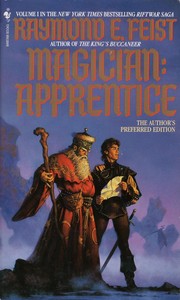
Magician: Apprentice
An orphan kitchen boy and a smith's son grow up in a frontier castle just as invaders from another world open a rift and begin a war that will change both of…
2,114-word summary · 9 min read
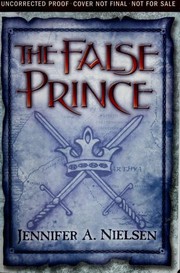
The False Prince
A nobleman buys four orphans and tells them only one will survive to impersonate the missing prince. The narrator, a defiant thief named Sage, has other plans.
2,044-word summary · 9 min read
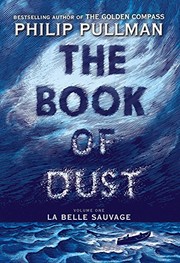
La Belle Sauvage
Philip Pullman's prequel to His Dark Materials follows eleven-year-old Malcolm Polstead as a secret message, a hunted baby, and the flood of the century carry…
2,530-word summary · 11 min read
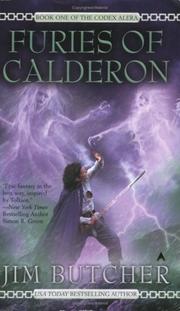
Furies of Calderon
Furyless Tavi defends Calderon Valley when the Marat return and lords scheme.
2,587-word summary · 11 min read

A Winter's Promise
Ophelia reads objects and is sent to marry Thorn on a cold ark.
2,502-word summary · 11 min read
Lirael
A Sightless Clayr girl and a prince afraid of Death join the Dog and Mogget to stop necromancers from waking the Destroyer Orannis at the Red Lake while old…
2,692-word summary · 12 min read
Edgedancer
Hungry street thief Lift and her vine-like friend Wyndle cross the Herald Nale in Tashikk when a child emperor shows Radiant signs and she refuses to step…
2,328-word summary · 10 min read
Daughter of No Worlds
A former slave with rare magic hires exiled warrior Max to train her for a daring rescue, sparking slow burn love and wider war in this big 520-page fantasy…
2,529-word summary · 11 min read
Bitterblue
Eighteen-year-old Queen Bitterblue sneaks out to learn why Monsea still suffers after Leck, facing court lies, ciphers, and trials in Cashore's rich third…
2,686-word summary · 12 min read
The Tombs of Atuan
Priestess Arha guards dark Tombs until wizard Ged comes to steal back ring.
2,043-word summary · 9 min read

The Amulet of Samarkand
Boy magician Nathaniel summons djinn Bartimaeus to steal the Amulet and stop Lovelace's coup in London.
2,350-word summary · 10 min read
Strange the Dreamer
Orphan librarian Lazlo Strange joins a quest to the lost city of Weep, where blue-skinned godspawn haunt dreams.
2,221-word summary · 10 min read
Inkspell
Meggie and Farid read themselves into the Inkworld, where Mo is wanted as the Bluejay and words can wound.
2,406-word summary · 11 min read