
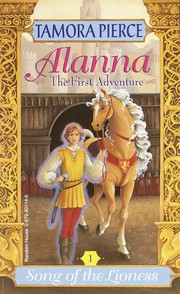
Alanna: The First Adventure
2,107-word summary 9 min read 231 pages in the book
- First published
- 1983
- Publisher
- Atheneum
- Pages
- 231
- ISBN
- 9780689309946
- Series
- Song of the Lioness (#1)
Reading options
What's inside (7 sections)
I wish Alanna had existed when I was ten and being told girls could do anything while books showed otherwise. Tamora Pierce's 1983 opener, 231 pages, follows twins Alanna and Thom who swap destinies so she can train as a knight disguised as boy Alan. It is straightforward, kind, and thrilling in ways that still work forty years on, the rare classic that earns its Time 100 Fantasy slot without needing updates.
Twins swap
Alanna of Trebond wants to be a knight. Thom wants to be a sorcerer. Father, distant lord, sends Alanna to a convent to learn lady ways and Thom to the palace to learn swords, exactly wrong for both. With help from nurse Maude and soldier Coram, they swap. Alanna cuts hair, binds chest, learns to swagger and spit, and rides to Corus as Alan of Trebond. Thom goes to the City of the Gods to study magic. The plan requires lying to everyone for years, a cost the book never minimizes even as adventure excites.
Palace arrival as page is a crash course in boyhood performance. Bow to the right lord, hold a sword without dropping, sit horses without crying, trade insults without flinching. Alanna fails often and gets up because Coram trained her basics in secret. Friends gather quickly. Prince Jonathan, heir with charm and temper. Gary of Naxen, funny cousin who sponsors her. Raoul of Goldenlake, big and loyal. Alex of Tirragen, quiet and sharp. Enemies gather too. Ralon of Malven, bully who smells fear and charges. Alanna's first weeks are bruises and homesickness held in check by stubbornness that reads as tomboy trope but grows into character.
What I love is how Pierce shows passing without making it costume fun. Binding hurts. Monthly bleeding terrifies a girl with no one to ask except George's mother later. Voice slips. Friendships require constant vigilance about baths and latrines. Alanna loves training and hates lying to friends who trust Alan. That guilt complicates triumphs. Beating Ralon with George Cooper's secret lessons feels great and lonely because she cannot celebrate as herself. Identity as armor that chafes even as it protects is the book's lived truth for any kid hiding part of self to belong.
Thom's parallel chapters are brief but important. He thrives in temple study while neglecting letters home, drunk on power that will later corrupt him in sequels. His absence lets Alanna shine but also warns. Getting what you want without those who love you costs connection. Twins who were close grow apart through secrets kept even for good reasons. When they reunite years later, affection remains but ease does not. Choices have interest that compounds in sibling bonds too.
Pages, bully, and George
Page years follow a school story rhythm that comforts. Lessons in sword, archery, riding, history with gruff Sir Myles who sees more than he says. Chores, pranks, midnight feasts. Ralon bullies with fists and slurs about small size. Alanna refuses to have friends fight for her, seeking George Cooper, King of Thieves, who runs Corus's underworld with humor and honor. George agrees to train her in back alleys for dawn sessions that leave her limping to class. He is the first to learn she is a girl and keeps the secret while teasing her into confidence. You fight like a girl, he says, meaning fierce and smart rather than weak. Their friendship,跨 class and law, gives the book its warmest humor. Thief king teaching manners to a lady knight in reverse.
Beating Ralon in a fair fight witnessed by pages changes everything. Ralon leaves vowing revenge. Others respect Alan without fully accepting. Jonathan, who watched and guessed more than he said, befriends her deeply through shared detention and desert trips. Gary jokes to cover noticing. The bully victory is not end of cruelty. Older boys test, teachers push harder to prove no favoritism, girls at court flirt with Alan to confusion that is funny and aching. Alanna wants to be one of the boys and also wants to be seen as herself by someone safe. George fills that need partially. Jonathan will fill more later.
Sweating Sickness interrupts school with plague that drains healers and kills friends. Alanna hides her powerful healing Gift from fear of being used or exposed as girl with magic deemed unknightly. Francis of Nond, kind friend, dies because she waits too long to act. Guilt devastates more than any sword cut. Pierce does not soften. Alanna's fear killed as surely as disease. That lesson about power and responsibility lands harder than any lecture on courage. Gifts unused from fear still have consequences. When Prince Jonathan falls ill next, she acts despite risk, fetching him from between life and death by calling on the Great Mother Goddess. Success outs her to Myles, who keeps counsel and gives her a magic sword with a crystal that will matter in the desert. Mercy shown in public costs privacy but buys mentorship that saves later.
Roger, periods, and desert
Duke Roger of Conte arrives to teach magic to Gifted pages, handsome, charming, powerful cousin to the throne. Alanna distrusts him instantly though she lacks proof. He praises her magic while watching too closely. Jonathan adores him as mentor. Readers will spot villain grooming in hindsight, but Pierce plays fair. Roger helps Alanna with control, defends her to teachers, and only slips in small cruelties to servants that Alanna notices because she was once powerless. Instinct as evidence is the book's quiet argument. Girls taught to be polite often ignore gut to be nice. Alanna, trained as boy, allows herself suspicion boys are permitted. That permission saves lives in sequels though not yet here.
Puberty arrives mid training with terror and comedy. First period in a dorm of boys, blood on sheets, panic that wound will expose. Alanna flees to George's mother, healer who explains without shaming and fits her with rags and warnings. Telling George the full truth to get help cements trust. Later Jonathan learns in the desert when Ysandir magic strips her clothes mid battle. His shock, then immediate pivot to fighting beside her, defines their bond. He does not care that she is a girl because she is the best page regardless, a line that made generations cheer. It should not be radical to say skill matters over sex, but in Tortall it is revolution spoken plainly by a prince who will be king. Representation as action rather than speech.
The Black City quest closes the book with horror and triumph. Warned to avoid the ruined city near Bazhir lands, Jonathan insists on facing the Ysandir demons who haunt dreams. Alanna goes to guard his back though terrified of magic she barely controls. Inside, the dead city breathes. Ysandir, ageless starvers who cannot die but can be killed, attack with mind tricks and claws. They strip Alanna to shame her. She fights naked and furious with crystal sword, combining power with Jonathan's to burn the last. Victory costs innocence about safety. Evil exists beyond bullies and can be faced with friends. Jonathan chooses her as squire upon knighting, a public honor that protects her secret while recognizing worth. The oasis talk after, where she suggests Roger sent them to die and Jonathan refuses to hear, plants sequel conflict. Trust in mentors versus trust in gut will define book two.
Read it first in the quartet, aloud if you can for sword practice sound effects. At 231 pages it moves fast with illustrations in early editions that help. It shows its age in binary gender framing and in Corus's whiteness, limits Pierce later addresses with more diverse Tortall books. For 1983, a girl who wants a sword and gets one through work rather than prophecy was radical enough to change lives, including mine in memory though I found it late. Hand it to kids who hate dresses or love them but also want swords. Alanna wants both by series end, dresses for dances and armor for wars, and refuses to choose. That both/and is the adventure's true first lesson.
Myles, Coram, and mentors who see
Sir Myles of Olau, knight scholar who teaches history, sees through Alan early and keeps counsel while testing character. He lends books on Yamani culture, asks pointed questions about honor that invite honesty without demanding confession, and gives Alanna her first real sword with a crystal that glows in danger. His mentorship models how adults can shelter secrets without stealing agency. Watch, provide tools, wait to be told. When Alanna finally tells after healing Jonathan, he nods as if confirmed rather than surprised. I knew, he says, and waited for you to trust. That patience contrasts with Duke Roger's prying charm that demands disclosure as proof of loyalty. Mentors who wait earn truth. Those who extract breed lies even when meaning well.
Coram Smythesson, ex soldier turned manservant, provides gruff love and practical cover. He teaches Alanna to swagger, to spit, to bind safely, to ride astride without wincing. He lies to masters with ease born of war, forging letters and bribing laundresses to hide monthly bleeding. His protectiveness sometimes oversteps into control, forbidding risks she must take to grow. They fight about Ralon, about magic use, about telling Jonathan. Each fight ends with apology and adjustment rather than rupture. That repair models healthy conflict for young readers used to stories where mentors are either perfect or betrayers. Coram is neither. He is a tired veteran doing his best for a lord's daughter he loves like his own, learning as she learns when to hold and when to let ride.
George Cooper's mother, healer Eleni, gives Alanna the talk about bodies no palace matron will give a supposed boy. She explains periods, provides rags, and warns about pregnancy without shaming desire. That scene, brief and frank for 1983 YA, still feels progressive for its directness about blood and sex in a book about knights. Eleni also treats Alanna's Gift with respect rather than fear, teaching grounding techniques that palace mages dismiss as hedge craft. Her kitchen becomes safe room where Alanna can be girl without performance. Every hero needs such a kitchen off the training yard. Pierce knows girls especially need places to bleed without explaining war to do so.
Jonathan, Gary, and page brotherhood
Prince Jonathan of Conte, heir with charm and temper, befriends Alan through shared punishments and desert danger. He shares notes when Alanna misses lessons for monthly bleeding she hides as illness. He covers her latrine absences with jokes about shy bladders. He picks her for teams though small because she fights smart. His trust feels earned through observation rather than destiny. When he learns she is a girl in the Black City, after Ysandir strips her, he pivots without pause to fighting beside her, then chooses her as squire upon knighting. I do not care that she is a girl because she is the best page regardless is a line that should be cheesy and instead先后? No, instead lands because Jonathan measured her across years of bruises. It is merit recognized after long proof, not progressive speech dropped in. That patience makes him worthy of her service though later books will test his entitlement as king.
Gary of Naxen, funny cousin and second friend, provides humor and cover with sharp tongue that deflects teachers. Easygoing about rank though son of the training master, he acts as Alanna's sponsor on arrival and shows her ropes literally and socially. Which fork, which bow, which boy to avoid when drunk. His jokes about Alan's small size hide noticing more than he says about hiding. When Alanna finally tells him years later in series, he will admit he guessed and waited, a kindness that retroactively warms his teasing here. Reread his early scenes with that knowledge and winks appear where cruelty could have been. Good friends suspect and make room without demanding confession on their schedule.
Raoul of Goldenlake, big and loyal, Alex of Tirragen, quiet and sharp, Francis of Nond, kind and doomed, fill the page bench with distinct voices rather than background. They lend soap, share desserts, nurse black eyes without questions that would force lies. Francis's death from Sweating Sickness because Alanna hid healing hits the group like first proof that secrets kill as well as protect. Grief makes the remaining boys kinder to Alan without knowing why she cries harder than brothers should. Brotherhood here includes mourning that cannot speak its full cause. That含? No, that held sorrow binds tighter than victories. Page years remembered later as golden will include this shadow that taught cost before knighthood.
FAQ
When was Alanna published?
Atheneum published it in September 1983. It runs 231 pages and opens Song of the Lioness.
Is Alanna part of a series?
Yes. It is Song of the Lioness book one, followed by In the Hand of the Goddess.
What is the Black City?
A city of demons in the southern desert where Alanna and Jonathan kill the Ysandir and Jonathan learns she is a girl.
Similar books
More from Song of the Lioness first, then related titles.
In the Hand of the Goddess
Alanna, still disguised as a boy, survives war, court plots, and a death duel as the Goddess's chosen warrior in the second Song of the Lioness book.
2,018-word summary · 9 min read

Lioness Rampant
Alanna searches for the Dominion Jewel with the Shang Dragon, then returns to Tortall to face Duke Roger at Jonathan's coronation.
2,478-word summary · 11 min read

Inkdeath
The final Inkworld novel sends Mo into the land of the dead, leaves Meggie choosing between two boys, and ends the Adderhead's immortality with three written…
2,062-word summary · 9 min read

The Golem's Eye
Two years after The Amulet of Samarkand, Nathaniel is a rising bureaucrat, Bartimaeus is his unwilling servant again, and something made of clay is tearing…
2,299-word summary · 10 min read

The Rose & the Dagger
Shahrzad is pulled from her Caliph husband and left in a desert camp of rebels, needing to break his curse and end a war before it ends her.
2,520-word summary · 11 min read
The Queen of the Tearling
Nineteen-year-old Kelsea leaves the woods to take her throne, ends a shipment of human captives, and draws the Red Queen's revenge.
2,357-word summary · 10 min read

We Hunt the Flame
In a fractured Arabia-inspired world, a disguised huntress and a prince-assassin race to find a magic-restoring book and confront an ancient evil.
2,195-word summary · 10 min read
The Magician
Sophie and Josh flee to Paris with Nicholas Flamel, where John Dee, Machiavelli, and an awakened god close in on the missing pages of the Codex.
2,162-word summary · 10 min read
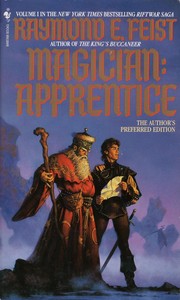
Magician: Apprentice
An orphan kitchen boy and a smith's son grow up in a frontier castle just as invaders from another world open a rift and begin a war that will change both of…
2,114-word summary · 9 min read
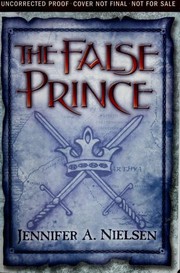
The False Prince
A nobleman buys four orphans and tells them only one will survive to impersonate the missing prince. The narrator, a defiant thief named Sage, has other plans.
2,044-word summary · 9 min read
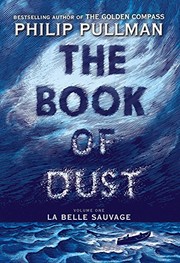
La Belle Sauvage
Philip Pullman's prequel to His Dark Materials follows eleven-year-old Malcolm Polstead as a secret message, a hunted baby, and the flood of the century carry…
2,530-word summary · 11 min read
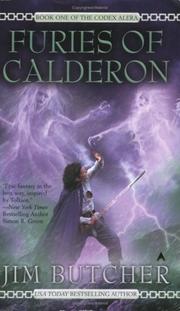
Furies of Calderon
Furyless Tavi defends Calderon Valley when the Marat return and lords scheme.
2,587-word summary · 11 min read
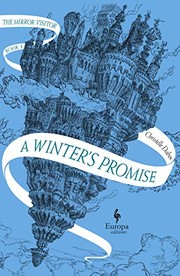
A Winter's Promise
Ophelia reads objects and is sent to marry Thorn on a cold ark.
2,502-word summary · 11 min read
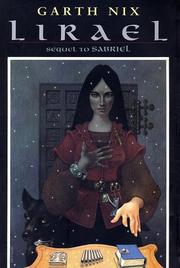
Lirael
A Sightless Clayr girl and a prince afraid of Death join the Dog and Mogget to stop necromancers from waking the Destroyer Orannis at the Red Lake while old…
2,692-word summary · 12 min read
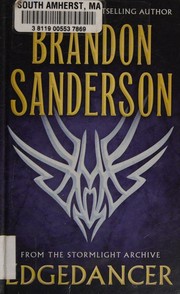
Edgedancer
Hungry street thief Lift and her vine-like friend Wyndle cross the Herald Nale in Tashikk when a child emperor shows Radiant signs and she refuses to step…
2,328-word summary · 10 min read
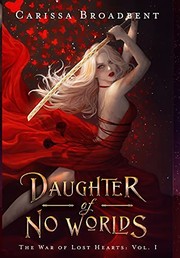
Daughter of No Worlds
A former slave with rare magic hires exiled warrior Max to train her for a daring rescue, sparking slow burn love and wider war in this big 520-page fantasy…
2,529-word summary · 11 min read
Bitterblue
Eighteen-year-old Queen Bitterblue sneaks out to learn why Monsea still suffers after Leck, facing court lies, ciphers, and trials in Cashore's rich third…
2,686-word summary · 12 min read
The Tombs of Atuan
Priestess Arha guards dark Tombs until wizard Ged comes to steal back ring.
2,043-word summary · 9 min read

The Amulet of Samarkand
Boy magician Nathaniel summons djinn Bartimaeus to steal the Amulet and stop Lovelace's coup in London.
2,350-word summary · 10 min read
Strange the Dreamer
Orphan librarian Lazlo Strange joins a quest to the lost city of Weep, where blue-skinned godspawn haunt dreams.
2,221-word summary · 10 min read
Inkspell
Meggie and Farid read themselves into the Inkworld, where Mo is wanted as the Bluejay and words can wound.
2,406-word summary · 11 min read
Abhorsen
Lirael as Abhorsen-in-Waiting must bind the Destroyer Orannis with Sam, Dog, and Mogget.
2,214-word summary · 10 min read
The Goose Girl
A shy princess loses her name on the road to her wedding and must earn it back as a palace goose girl in this Grimm retelling.
2,357-word summary · 10 min read
The Alchemyst
Twins Sophie and Josh learn their boss is Flamel as Dee steals the Codex minus two pages.
2,085-word summary · 9 min read
Poison Study
Sentenced to die, Yelena becomes the Commander's poison taster and learns survival in Ixia has a daily price.
2,501-word summary · 11 min read
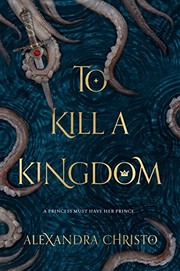
To Kill a Kingdom
A siren princess turned human must steal a siren-hunting prince's heart to win back the sea.
2,248-word summary · 10 min read

Fire
A human monster who reads minds is pulled into war in the Dells and must decide how to use her power.
2,727-word summary · 12 min read
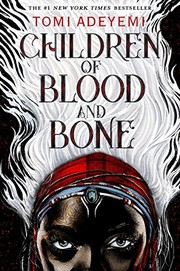
Children of Blood and Bone
White haired Zelie chases magic return with princess Amari hunted by Inan.
2,027-word summary · 9 min read
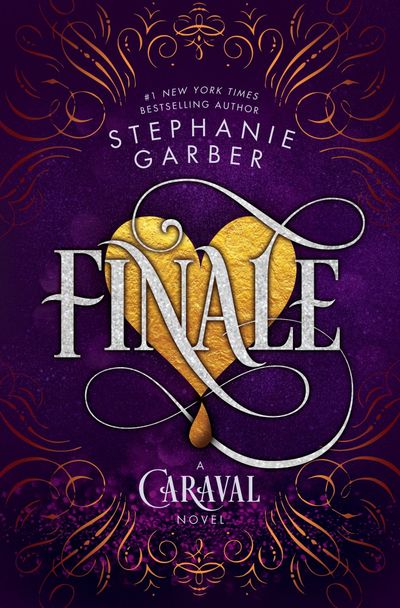
Finale
Sisters face waking Fates with debts due, loving princes, and choices that break immortal math.
1,995-word summary · 9 min read
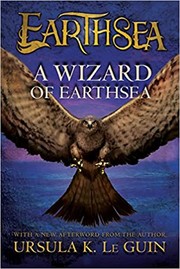
A Wizard of Earthsea
A proud goatherd becomes the wizard Ged, looses a shadow at Roke, and must hunt it across Earthsea to name it. Le Guin's lean 1968 series opener.
2,972-word summary · 13 min read