
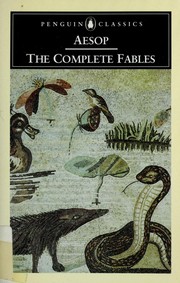
Aesop's Fables
2,916-word summary 13 min read 262 pages in the book
- First published
- 2026
- Publisher
- Penguin Books
- Pages
- 262
- ISBN
- 9780140446494
Reading options
What's inside (8 sections)
I came back to Aesop's Fables by Aesop because my copy kept falling open to the same three stories and I realized I had never read the whole thing straight through. The stories come from ancient Greece, tied to a storyteller said to have lived between about 620 and 564 BCE, passed along by mouth for centuries before anyone wrote them down. This summary follows the standard modern Penguin Books edition, The Complete Fables translated by Olivia and Robert Temple with an introduction by Robert Temple, published in 1998, a 262 page paperback with ISBN 9780140446494. It collects the short animal tales most of us half remember and puts them in plain English. I read it over a week, a few at night, and kept arguing with the morals in the margins.
If you only know the hits, here is the shape. Short tales, talking animals, foolish humans, sharp endings. A hare naps. A boy lies. A fox stares at grapes. An ant stores grain. Each runs two or three pages at most. Many end with a moral line. Slow and steady wins the race. Liars are not believed even when they speak truth. That brevity is the point. You can read five in ten minutes and chew on one all day. Kids get the animals. Adults get the sting.
The Temple translation helped me. It keeps sentences short. It does not dress up the Greek with fancy talk. Notes at the back explain which tales came from later Latin writers like Phaedrus and Babrius, which were added in medieval copies, which overlap with stories from India. I liked knowing the collection is messy. No single scroll from Aesop hand exists. What we call his fables is a pile built over centuries, named for him because his name drew stories like a magnet. That messiness makes the book more fun, not less. You feel hands across time adding jokes.
How to read a book with no plot
There is no hero to follow. No chapters that build. That threw me at first. I kept waiting for a thread. Then I settled into a rhythm that worked. Ten fables a night, pencil in hand. Mark the ones that annoyed me. Mark the ones I would tell a friend. Skip the index of morals until the end.
The Temple edition groups tales simply, one after another, with titles like The Fox and the Grapes, The Wolf and the Lamb, The Tortoise and the Hare. Each has the story first, moral after. Some morals feel tacked on by later copyists. You can tell because the story pulls one way and the moral points another. I started reading the story, guessing my own lesson, then checking theirs. Half the time we disagreed. That disagreement is where the fun lives.
A practical tip. Do not binge fifty at once. They blur. Foxes trick, wolves eat, lions bluster, ants save. After thirty in a row every creature sounds like the same neighbor in a fur coat. Small doses keep them sharp. I read morning ones with coffee and they landed harder. Also read a few out loud. These were spoken tales before they were schoolbook tales. The rhythm shows when you hear it. The Hare brags. The Tortoise plods. The crowd laughs. You hear the pause before the punch.
One more tip for parents. Pick five favorites and reread those instead of marching cover to cover with a kid. My test group, two nephews, loved repetition. They wanted the Hare to lose again. They wanted to shout liar at the boy. They got bored when I kept introducing new names. Depth over coverage. The book supports that. You can open anywhere.
A fair warning. Some tales are harsh. Animals die. The weak get eaten and the moral says that is how it goes. If you grew up on softened picture book versions, the old endings can shock. A wolf eats a lamb because he can. A farmer kills a snake that bit him after he warmed it. No rescue. The Temple notes do not hide this. They say plainly these were first aimed at adults, about power, religion, politics, and only later turned into school lessons. I appreciated the honesty, even when I winced.
The Hare, the Tortoise, and slow work
Everyone knows The Tortoise and the Hare. A boastful Hare mocks a slow Tortoise, agrees to a race, sprints ahead, naps by the road, wakes to find the Tortoise crossing the line. Moral in most copies. Slow and steady wins the race. Or persistence beats pride.
Reading it fresh, I noticed details I had smoothed over as a kid. The Hare does not just nap from tiredness. He naps from contempt. He thinks the race is already won, so rest is safe. The Tortoise does not hurry. He keeps a steady pace, never stops to mock back. The crowd in some versions cheers the underdog. In Temple version the telling is spare. No extra jokes. Just run, sleep, walk, lose.
I like this one because it rewards systems over bursts. The Hare has speed and wastes it. The Tortoise has a plan he can keep. I thought about my own garage style projects while reading. Big Saturday pushes that fade by Tuesday. Small daily turns that actually finish. The fable does not promise the slow always win in real life. Fast runners often win. But it warns against contempt for the task. Napping mid race is a choice.
Kids hear try your best. Adults hear something colder. Do not hand an opponent time because you feel superior. I told the nephews the first version. I kept the second for myself. Both fit the same three pages. That double use runs through the best fables here. Simple enough for bedtime, sharp enough for office politics.
If I have a gripe, it is that this tale gets quoted so much its edge dulls. Slow and steady sounds like a poster. The story itself is meaner and funnier than the poster. Read the actual words. The Hare wakes confused, legs tangled, crowd already shouting. That image beats any slogan.
Liars, flatterers, and hungry foxes
Three tales cluster in my memory because they all turn on talk. The Boy Who Cried Wolf. The Fox and the Crow. The Fox and the Grapes. Each shows words as tools, and tools that cut both ways.
The Boy Who Cried Wolf is the one I misremembered. In the old form a shepherd boy shouts wolf for fun, villagers run up the hill, no wolf, laugh. He does it again. Laugh again. Then a real wolf comes, he shouts, no one comes, sheep die, sometimes the boy dies depending on the copy. Temple keeps it short and grim. Moral. Liars are not believed even when they tell truth. Or no one believes a liar.
What struck me rereading is how much work the villagers do. They climb twice for nothing. Their tired legs are part of the lesson. Trust costs effort. Spend it twice on jokes and the account empties. I thought about group chats and false alarms. Same math. The boy is not evil at first. He is bored. Boredom plus an audience makes trouble. That felt true for kids and grownups both.
The Fox and the Crow flips it. A crow holds cheese in her beak on a branch. A fox wants it. He cannot climb, so he praises. Lovely feathers. Lovely voice. Sing for me. The crow opens her mouth to sing and drops the cheese. Fox eats. Moral. Beware flattery. Or do not listen to enemies praising you.
I laughed because the trick still works. Comments, reviews, compliments with an ask attached. The crow is not stupid. She is hungry to be seen. The fox sees that hunger and feeds it. Briggs? No, Aesop saw office life two thousand years early. I marked this one to reread before opening nice emails from strangers.
The Fox and the Grapes is shorter and sadder. A fox jumps for grapes, misses, tries again, misses, walks off saying they were sour anyway. Moral. People scorn what they cannot get. We named sour grapes after it. The fox does not learn. He protects his pride with a story. I do this. Everyone does this. Job we did not get was boring anyway. House we lost had bad light. The fable does not scold hard. It just shows the walk away and lets you recognize yourself. That light touch makes it stick.
Together these three teach a plain rule. Watch what words do, not what they say. The boy uses alarm as play. The fox uses praise as a lever. The second fox uses scorn as a bandage. None of the talk matches the facts. The animals who listen poorly pay. I found myself slower to compliment and slower to believe compliments for a day after. Useful side effect.
Ants, grasshoppers, and winter coming
The Ant and the Grasshopper divides readers like few others. In summer an ant hauls grain, a grasshopper sings and mocks. Winter comes. Ant eats. Grasshopper begs. In some copies the ant shares. In Temple and many old copies the ant refuses. You made your bed. Dance in winter if you sang in summer. Moral. Prepare for hard times. Or idleness brings want.
As a kid I heard share and be kind. As an adult reading the old text I got work or starve. That shift is worth sitting with. The tale was used for centuries to praise thrift and shame play. Factories loved it. Schools loved it. It fits a world where winter kills. It fits less well where wages, illness, luck decide who can store grain at all. A grasshopper with three jobs and no pantry hears this story differently.
I liked that the Temple introduction admits this history. These fables served moral teaching, political warning, religious example at different times. Same ant, different sermon. My reading landed in the middle. Save what you can. Play is not sin. Music feeds people too, just not in January. The best use I found was practical, not preachy. Keep a small buffer. Help when you can. Do not mock savers or singers. Both have a season.
Related tales sharpen the point. The Town Mouse and the Country Mouse visits kin, finds rich food with danger, chooses plain food with peace. Better beans in safety than cake with fear. The Dog and the Bone, or the Dog and His Reflection, drops real meat reaching for a bigger shadow in water and loses both. Grasping loses holding. The Goose That Laid the Golden Eggs gets killed by owners who want all gold at once and end with nothing. Greed undoes luck. Read these four together and you get a small course in enough. Save some. Want less. Hold what you have.
My nephews voted the grasshopper the hero because singing beats hauling. I could not argue fully. The ant survives. The grasshopper lives. Which would you rather be in July. Which in January. The fable lets both questions hang if you let it. Do not rush to moralize it away.
The writing here is at its plainest. No magic. No gods stepping in. Just seasons and hunger. That plainness is why these tales traveled so far. Every village knows winter in some form.
Wolves, lambs, and power that does not listen
Not all fables are fair. Some are reports from a world where reasons do not matter. The Wolf and the Lamb is the clearest. A wolf drinks upstream, a lamb drinks downstream. Wolf accuses lamb of muddying water, which is impossible. Lamb answers politely. Wolf adds older charges. You spoke ill of me last year, before you were born, your father did, your shepherd did. Then eats him. Moral. The powerful find pretexts. Or tyrants need no excuse.
This one chilled me. No trick to learn. No flaw to fix. The lamb is polite, logical, right, and dead. Aesop, said to have been enslaved, knew this script. I thought about meetings where a decision arrives before the discussion. The reasons are decoration. The fable does not tell the lamb how to win. It tells listeners to see the game.
The Wolf in Sheep Clothing works as a pair. A wolf wears a skin to fool shepherds, eats freely for a while, then gets killed when the shepherd mistakes him for a sheep at slaughter or shearing. Cunning wins short, loses long. I liked the grim humor. Costume works until butchering day.
The Lion and the Mouse offers the kinder side of power. A lion spares a mouse who promises help. Lion laughs. Later the lion is netted and the mouse gnaws ropes to free him. Small kindness returns large. Moral. No act of kindness is wasted. Or even the weak can help the strong. Kids love this one. Adults should keep it near the Wolf and Lamb. Power crushes without need. Sometimes power remembers mercy and lives because of it. Both true. The book holds both without smoothing.
Reading these as an adult, I saw politics the school versions skipped. The Frogs Who Desired a King ask Zeus for a ruler, get a log, complain it does nothing, get a stork that eats them. Be careful what you demand. The Fox Without a Tail, who lost his in a trap, urges all foxes to cut theirs for fashion and ease, gets laughed down when his loss shows. Distrust advice from the wounded who hide wounds. These are not bedtime sweet tales. They are citizen tales. Short briefs on how groups get fooled.
A note on tone. Modern retellings soften the kills with jokes. Temple does not. Deaths are quick and final. I think that bluntness serves the point. If every lamb is saved, the warning fades. Aesop world is dry and hungry. Water, grain, teeth. Read it that way and the kindness tales shine brighter because they are rare.
What lasts and what drags
After a week with the book, here is what I keep. First, the style. Short sentences. Animals with jobs. No long speeches. A tale that needs three pages takes three pages. That discipline puts many modern story collections to shame. I started cutting my own emails shorter. Blame the ants.
Second, the morals as starting points, not verdicts. The best copies admit multiple readings. Is the grasshopper lazy or an artist. Is the fox sour or self protecting. Is the ant wise or cruel. Good editions, and Temple is one, give notes that show variant endings. Use them. Argue. The fables were debate tools for speakers long before they were wall posters for classrooms. They still work that way around a table.
Third, the sheer travel of these stories. From Greek talk to Latin verse to medieval sermons to Caxton print in 1484 to La Fontaine in French to Krylov in Russian to playgrounds now. Tortoises racing in cartoons my nephews know by heart without knowing the name Aesop. That path, laid out in the introduction and Wikipedia history of Aesop Fables, gave me more respect for oral memory. People kept what worked. They dropped what did not. The survivors earned it.
What drags. Repetition. Read straight through and foxes blur, lions repeat, fools line up for the same fall. That is a feature of a storehouse, not a novel, but it tires. My fix was to treat it like a poetry shelf. Open, read five, close. Also some morals clash. One tale praises cunning. Next punishes it. One praises contentment. Next praises ambition. If you want a single rule for life, you will be annoyed. The book offers a kit, not a code. Pick the tool that fits the job.
Translation gripes are small. A few Temple word choices feel British to American ears. A few notes assume Latin you may not have. Skim those. The stories carry. And the Penguin paperback type is small. My night reading needed a lamp, not just a bedside glow. Weak eyes, take note.
Who should read it. Anyone who tells stories to kids and wants the source, not the soft version. Anyone who likes proverbs and wants to see where many came from. Anyone who argues about politics and wants short examples that land. Skip cover to cover pressure. Use it as a dip book. Keep it where you wait for kettles or buses. Five minutes is enough to get one tale down whole.
I closed the week with new favorites I had ignored. The Crab and Her Mother, practice what you preach, walk straight yourself before scolding your child sideways walk. The Bundle of Sticks, strength in union, a father showing sons that one stick snaps and a bundle holds. The Miller, His Son, and the Donkey, please all and please none, they try every way to carry or ride the beast and get mocked each time. That last one feels written for anyone who posts opinions online. Try everything, satisfy no one. Carry your donkey or ride it, someone will shout. Pick your way and walk on.
That is Aesop effect at its best. A two minute tale that follows you into the day. You see grapes you cannot reach and catch your own sour story forming. You hear praise and check for cheese in your mouth. You watch a strong runner nap and keep walking your own slow line. Old animals, still talking, still right more often than comfortable.
FAQ
When was Aesop's Fables written?
No single year fits. The tales are tied to ancient Greece around 620 to 564 BCE and were collected centuries later. This summary follows the 1998 Penguin Books Complete Fables, 262 pages, ISBN 9780140446494.
Which edition does this summary follow?
The 1998 Penguin Books Complete Fables translated by Olivia and Robert Temple, 262 pages. It keeps the English plain and notes later additions.
How should I read Aesop's Fables?
Read five at a time rather than straight through. The stories blur in long runs and land better in small doses.
Similar books
The Little Prince
Saint-Exupery's The Little Prince retold: a pilot, a rose, the fox, and what matters is invisible.
2,492-word summary · 11 min read
The Story of Ferdinand
A gentle Spanish bull would rather smell flowers than fight, and when he is taken to the bullring he simply sits down among the flowers in the ladies' hats.
2,135-word summary · 9 min read
The Complete Fairy Tales
Mermaids, snow queens and tin soldiers in the full Andersen collection.
2,414-word summary · 11 min read
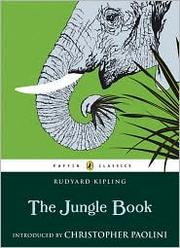
The Jungle Book
Mowgli, raised by wolves in the Seeonee Hills, learns the Law from Baloo and Bagheera while Shere Khan circles. Kipling's 1894 story collection.
2,799-word summary · 12 min read
Jonathan Livingston Seagull
A gull who loves flight over food is exiled, learns perfection, and returns to teach dawn lessons.
1,998-word summary · 9 min read

Make Way for Ducklings
A pair of mallards raise eight ducklings on the Charles River and lead them across Boston to the Public Garden, with a little help from a friendly policeman.
2,044-word summary · 9 min read
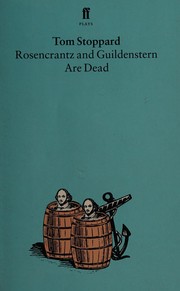
Rosencrantz and Guildenstern Are Dead
Stoppard's 1966 play retells Hamlet from the wings, where two minor courtiers wait, joke, and walk toward a death they cannot see.
2,021-word summary · 9 min read

Little Town on the Prairie
In the spring after the Long Winter, fifteen-year-old Laura sews shirts, studies for a teaching certificate, and helps send her blind sister Mary to college.
2,071-word summary · 9 min read
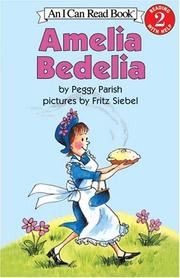
Amelia Bedelia
A literal-minded housekeeper follows her employer's list to disastrous and funny effect in the 1963 picture book that made wordplay a children's staple.
2,038-word summary · 9 min read
The Mitten
Jan Brett retells a Ukrainian folktale about a boy, a lost white mitten, and the woodland animals that crowd inside until a bear sneezes.
2,609-word summary · 12 min read

Fathers and Sons
Arkady brings the nihilist Bazarov home to his father's estate, and a generational argument turns into love, a duel, and an early death.
2,192-word summary · 10 min read

Clifford the Big Red Dog
Emily Elizabeth picks the smallest puppy in the litter, loves him as hard as she can, and wakes up to a dog the size of a house.
2,092-word summary · 9 min read
Go, Dog. Go!
Dogs drive, work, play, and climb a tree for a party in this Beginner Book built on repetition, opposites, and one very unpopular hat.
2,196-word summary · 10 min read
Caps for Sale
A peddler balances his caps on his head, naps under a tree, and wakes to find monkeys wearing his stock in this 1940 picture book.
2,787-word summary · 12 min read
The Lottery
In Jackson's 1948 story, a village draws lots to keep the corn heavy, and the chosen person is stoned by her neighbors.
3,080-word summary · 14 min read

The Dharma Bums
Ray Smith rides freight trains, climbs Matterhorn Peak and argues about Zen with the poet Japhy Ryder in Kerouac's 1958 road novel.
2,729-word summary · 12 min read
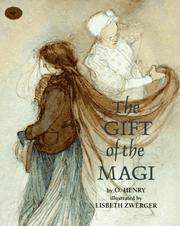
The Gift of the Magi
A young couple with almost no money each sells the thing they treasure most to buy a Christmas present for the other.
1,978-word summary · 9 min read
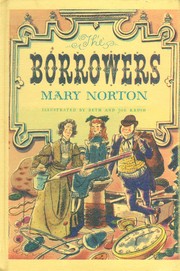
The Borrowers
A family of tiny people live under the floorboards of an English house, borrowing what they need until a lonely boy and a suspicious housekeeper change…
2,164-word summary · 10 min read
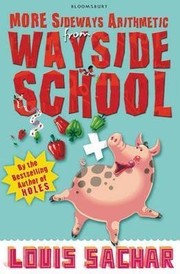
Sideways Stories from Wayside School
Thirty stories, one class per floor, and a teacher who turns students into apples: Louis Sachar's absurd school classic.
2,045-word summary · 9 min read
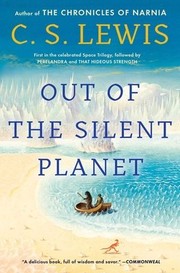
Out of the Silent Planet
A Cambridge philologist is kidnapped and taken to Mars, where the natives are civilized and the humans are the dangerous invaders.
2,612-word summary · 12 min read
Ishmael: An Adventure of the Mind and Spirit
A gorilla named Ishmael teaches a disillusioned man that civilization is a story, and that humans may compete but must not wage war on other species.
2,015-word summary · 9 min read
Exhalation
Ted Chiang's second collection contains nine stories about time, memory, free will, and artificial minds, told with clarity and moral seriousness.
2,075-word summary · 9 min read
The Memoirs of Sherlock Holmes
Doyle's second Holmes collection gathers twelve Strand stories, including the early case of the Gloria Scott and the confrontation with Moriarty at Reichenbach…
2,390-word summary · 11 min read
The Illustrated Man
A tattooed drifter's moving pictures retell eighteen Bradbury stories of children, rockets, Mars and the last night of the world.
2,791-word summary · 12 min read
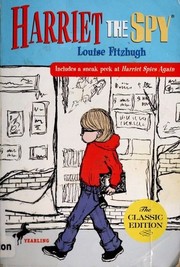
Harriet the Spy
Eleven year old Harriet Welsch fills notebooks with honest, often cruel observations about her neighbors, until her classmates read one and turn her spy route…
2,510-word summary · 11 min read

Beyond Good and Evil: Prelude to a Philosophy of the Future
A guide to Friedrich Nietzsche's Beyond Good and Evil: its attack on moral prejudice, the will to power, master and slave morality, and the philosopher of the…
2,597-word summary · 12 min read
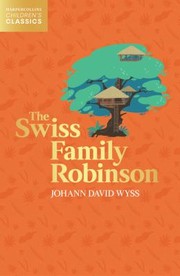
The Swiss Family Robinson
Shipwrecked Robinsons build treehouses and tame island beasts.
2,400-word summary · 11 min read

Stories of Your Life and Others
Eight stories about language, time and choice, including the tale behind Arrival.
2,402-word summary · 11 min read
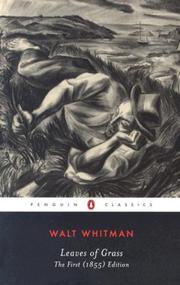
Leaves of Grass
Free verse songs of self, America, bodies and democracy.
2,240-word summary · 10 min read
A Canticle for Leibowitz
After nuclear war, monks save books across centuries while the world rebuilds and falls again.
2,381-word summary · 11 min read