
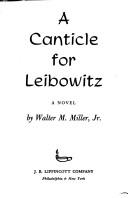
A Canticle for Leibowitz
2,381-word summary 11 min read 320 pages in the book
- First published
- 1959
- Publisher
- J. B. Lippincott & Co.
- Pages
- 320
- ISBN
- 9780397005741
- Series
- St. Leibowitz (#1)
Reading options
What's inside (9 sections)
I read A Canticle for Leibowitz slowly, a section at a time, because it asks for thought more than speed. First published in 1959 by J. B. Lippincott & Co. at 320 pages, it won the 1961 Hugo Award for Best Novel and never went out of print. Walter M. Miller Jr. served in World War II and took part in the bombing of Monte Cassino, and you feel that guilt and awe all through this book about monks in the desert saving books after nuclear war. It spans centuries in three parts. I found it beautiful, sad, and demanding in the best way.
The setup is stark. After a nuclear war called the Flame Deluge, survivors turned on learning in a backlash called the Simplification. Mobs killed readers, burned books, made illiteracy safety. Isaac Edward Leibowitz, a Jewish engineer, hid books, joined monks, founded an order in the Southwest desert to preserve what remained. Six hundred years later his abbey still keeps the Memorabilia, shopping lists and blueprints treated as holy because they hold lost science. Monks copy what they do not understand, waiting for a world ready to learn.
Miller writes faith without mocking or preaching. Monks argue, doubt, laugh, get tired. Latin prayers sit beside desert thirst and mule care. You smell dust and ink. The abbey is remote, poor, stubborn. That stubbornness is the point. When the world wants to forget, someone must remember, even badly, even without knowing why a circuit matters. As someone who loves libraries, I felt this deeply. Copying without understanding still saves.
Fiat Homo
The first part, Fiat Homo, Let There Be Man, follows Brother Francis Gerard, seventeen, on vigil in the desert. He meets a Wanderer who writes Hebrew on a rock that fits his shelter perfectly. Pulling the rock, Francis finds a fallout shelter with relics, memo pads and a blueprint that look like Leibowitz's own shopping notes. The abbey erupts. Is it holy. Is Francis lying. Will it help canonize Leibowitz. Abbot Arkos, worried and kind, sends Francis back to the desert to cool talk.
Years pass. Church investigators come, Advocate and Devil's Advocate, to judge sainthood. Leibowitz is canonized partly on Francis's find. Francis spends fifteen years illuminating a blueprint copy as a gift for the Pope, then carries it to New Rome. Robbers called the Pope's Children steal the gold copy, leaving him the plain original they think worthless. He meets the Pope, who comforts him that work was not wasted, gives gold to ransom the art. On return, Francis is killed by an arrow, buried by the Wanderer. Buzzards denied a meal fly on.
I loved this part most for its humility. Francis is not brilliant. He is obedient, hopeful, a little simple. He does not understand the blueprint he beautifies. He loves it because Leibowitz touched it. His murder feels senseless, which is the point about holy work in violent times. You do good, you die on a road, birds go hungry. Yet the copy survives, the story spreads. Meaning grows without the maker seeing it.
The Wanderer puzzles throughout. Old, Jewish, knowing too much, appearing across centuries. Is he Leibowitz, or the Wandering Jew, or just a man. Miller never says. I liked not knowing. Faith needs some figures who walk through without papers. Francis's refusal to claim a miracle, even while others embroider, made him trustworthy. He saw a man, not proof, and said so.
Fiat Lux
The second part, Fiat Lux, Let There Be Light, jumps to 3174. Darkness lifts. A scholar named Thon Taddeo, like Galileo, comes from Texarkana to study the archives. Brother Kornhoer just built a treadmill generator that lights an arc lamp. Taddeo sees at once what it means. By reading old papers he makes leaps, then asks to take the collection to the city. Abbot Dom Paulo says no, stay and study here. Knowledge should not serve power alone.
Politics thicken. Mayor Hannegan of Texarkana allies and betrays, uses the abbey as base, kills a papal envoy, splits with the Church. Excommunication follows. Taddeo, brilliant and ambitious, wants science free from monks. Paulo wants science with conscience. Their debates are the heart. Should monks release weapons knowledge. Who decides use. Taddeo thinks truth must out. Paulo thinks truth without wisdom kills. Both are right and wrong. I argued with both in margins.
Benjamin, the Wanderer now hermit, watches and talks with Paulo. He asks if Taddeo is Messiah. He doubts, hopes, waits. His long life makes him tired of cycles. Empires rise, use learning, fall. He has seen it. His talks with Paulo are quiet and sharp, about waiting without despair. I found them moving. Two old men who know history repeats and still get up to copy and pray.
This section dragged a little for me in court scenes. Hannegan's moves, alliances with Laredo, plans against Denver, church messages. Names blur. But the abbey scenes hold. Kornhoer's pride in his lamp, monks squinting at light they made from old words, Taddeo's excitement turning to frustration when denied. Science as joy and hunger at once. I thought about how we treat archives now, digitize and share, and what Paulo would say about speed without care.
Fiat Voluntas Tua
The last part, Fiat Voluntas Tua, Thy Will Be Done, leaps to 3781. Humanity has starships, colonies, and nuclear weapons again. Two powers, Asian Coalition and Atlantic Confederacy, face off after fifty years cold. The Order now saves all knowledge, not just old papers. Abbot Zerchi hears rumors of bombs in space, of a city destroyed underground. He asks Rome to activate a plan to send monks and books off world if Earth burns. Permission comes. Brother Joshua will lead.
War returns fast. Texarkana destroyed, ceasefire of ten days, abbey takes refugees with fallout sickness. A government doctor wants euthanasia for the hopeless. Zerchi refuses, stays with the dying, argues about mercy and law. Bombs fall near. Walls drop. Zerchi is trapped under rubble with a ciborium, dying, and meets a two headed mutant woman, Mrs. Grales, or Rachel, who refuses baptism and instead gives him communion. It reads as miracle and mystery. He dies witnessing grace outside rules.
Joshua's ship leaves as Earth burns. He shakes dust from sandals, murmurs thus passes the world. Final pages show birds and fish dying from poison, a shark going deep, hungry. Cycles close. Monks flee with books again, as Leibowitz once hid. I closed feeling hollowed and strangely hopeful. Hope not that we learn, but that some will keep copying even when we do not.
This part is hardest. Abortion and euthanasia debates, nuclear procedure, Latin plans. Miller does not simplify. Zerchi is stubborn, tired, brave. He chooses to stay with irradiated people rather than board the ship. That choice defines the book. Preservation matters, but presence matters more. Books can fly. A priest should stay. I cried at his death, not because it was sad alone, but because it completed Francis's road. First monk killed bringing a gift. Last monk killed holding bread. Same desert faith.
What endures and what tests
What endures is theme and prose. Recurrence, church versus state, memory versus power. Miller writes clear, old fashioned sentences with Latin and desert light. He trusts you to think. Humor helps. Monks misunderstand a shopping list as holy, argue over a blueprint's smudge, name a mule. That comedy keeps tragedy bearable. Scholarship on this book fills shelves for good reason. It asks if progress is a circle and what faith owes knowledge.
What tests is pace and density. Three novellas stitched, centuries skipped, many names. First time readers may feel lost in Fiat Lux politics or Fiat Voluntas theology. Women are few, mostly lensed through monks, though Mrs. Grales and later scholars complicate. Science details age, but heart does not. If you need fast plot or likable heroes who win, this will frustrate. No one wins. Civilization falls twice. Monks persist.
Content is mature but not graphic. War, mutation, euthanasia debate, death. No explicit sex. Language plain. Teens ready for ideas can handle, though slowness may bore. Best for readers who liked Foundation or The Stand but want more church and less action.
Who should read it
Read it if you like post apocalyptic classics, Catholic fiction like Endo or Greene, or Fallout games and want their root. Read it in three sittings, one per Fiat, with time between to think. Talk with someone about Paulo versus Taddeo, about Zerchi staying. You will disagree and learn.
Skip it for now if you need momentum or dislike ambiguity about the Wanderer. Miller leaves much open. That openness is the gift and the work.
For me, the image that stays is Francis illuminating a blueprint he cannot read, gold on lines that once listed groceries. Care without comprehension. That is the Order, and libraries, and anyone who saves things hoping someone later will know. I finished the 320 pages feeling small and responsible at once. We will forget and burn again, Miller says, but copy anyway. Light the lamp even if Texark takes it. Hold bread under stones. Shake dust and go. That stubborn keep going, across 1959 to now, is why the book lives. It does not promise we improve. It promises meaning in preserving, which is enough to keep me copying in my own small way.
Miller and Monte Cassino
I want to say more about Miller himself, because his war shapes every page. He flew as radioman and gunner and took part in bombing Monte Cassino, a sixth century abbey, the oldest Christian house in the West. He lived with that. Ten years later he wrote about monks saving books in a desert, as if trying to repay. That guilt gives the book weight no research could. When Francis finds relics, when Zerchi holds bread under stones, Miller writes with a veteran's knowledge of what bombs do to stone and skin. He does not glorify. He remembers noise, dust, orders followed, prayers said after.
His faith journey also matters. Miller became Catholic after the war, then wrestled. The book loves the Church and argues with it. Abbots doubt, monks joke, popes comfort and command. Latin rites feel beautiful and heavy. The question is not does God exist, but what do faithful do when states want their stores for weapons. Paulo says stay. Zerchi stays. Francis obeys even when it kills. Obedience here is not blind. It is chosen after doubt. Arkos doubts sensational relics. Paulo doubts Taddeo's use. Zerchi doubts leaving. Each chooses after prayer and talk. That process felt honest to how belief works under pressure, not certainty but fidelity.
The three stories were first magazine pieces in Fantasy and Science Fiction, then fixed into a novel with new names and Latin and expanded scenes. Knowing that helped me forgive seams. Fiat Homo feels like a novelette, complete and sad. Fiat Lux feels like a debate with plot around. Fiat Voluntas feels like a warning. Together they make a novel about recurrence, not a hero's arc. No single character crosses all parts except the Wanderer, who may not be human. That structure frustrates readers wanting one protagonist. I came to like it. Humanity, not a man, is the character. We rise, learn, bomb, copy, fly, bomb again. Monks watch.
Language and Latin
The Latin throughout does real work, not decoration. Fiat Homo, Fiat Lux, Fiat Voluntas Tua. Let there be man, light, thy will. Titles track Genesis and prayer. Phrases in rites, Quo peregrinatur grex, Sic transit mundus, anchor monks when English fails. Miller, who knew a little and researched more, uses Latin to show continuity. Words outlast cities. When Zerchi murmurs thus passes the world while boarding a starship, he joins Francis praying over a blueprint. Same tongue across millennia. I do not read Latin well, but context carries. That carrying is the point. You do not need to parse to feel held by old words.
Miller's English is plain and strong, with desert clarity. Heat, stone, mules, ink, hunger. He describes buzzards denied a meal with more care than battles. He gives minor monks quirks, a cook who burns, a librarian who sneezes on dust. Humor is dry. A monk mistaking Fallout for a monster, part salamander part incubus, made me laugh and ache. Ignorance after apocalypse is not stupidity. It is loss. Jokes about misreading shopping lists as holy writ cut both ways. We laugh at monks, then realize we misread old texts daily. Humility follows.
The book's treatment of Jews deserves note. Leibowitz was Jewish, the Wanderer writes Hebrew, Benjamin waits asShofar? Actually Benjamin waits as an old Jew in the desert. Miller, Catholic convert, writes Jewish survival with respect. The Order founded by a Jew preserves Christian and scientific memory together. That ecumenism feels deliberate after war built on hate. The Wanderer, never baptized, buries Francis, debates Paulo, survives all. He is witness, not convert. Miller lets him stay other, which honors difference inside unity. In 1959 that was brave. Now it reads as wise.
If you teach this book, pair Fiat Lux debates with current fights about AI and archives. Who owns knowledge. Should monks give Taddeo the papers. Should we open models to all. Paulo's no, stay and study here, versus Taddeo's free the data, maps onto open source fights. Neither side is villain. Both want good. Means differ. Students will split, which is excellent. The book does not solve. It shows costs. Hannegan uses released learning for war. Hoarding also starves. There is no clean policy, only stewardship with prayer and doubt. That lesson lasts beyond science fiction.
I closed my second read thinking about my own Memorabilia. Boxes of notes, hard drives, books I will not finish. What would monks save from my life. Shopping lists illuminated. That image both shames and frees. Save what you can, even if you do not understand fully. Copy recipes, names, prayers. Someone later may need exactly the scrap you thought trivial. Francis saved a blueprint by loving the hand that drew it. I can save a letter by loving the writer. Small keeps against Simplification, which is always near. Mobs now are digital, but burning feels similar. Keep copying. Keep doubting. Stay.
FAQ
When was A Canticle for Leibowitz published?
It was first published in 1959 by J. B. Lippincott & Co. at 320 pages. It won the 1961 Hugo Award for Best Novel.
What are the three parts about?
Brother Francis finds ancient relics, Thon Taddeo studies the archives, and Abbot Zerchi faces a new atomic war.
Similar books
More from St. Leibowitz first, then related titles.
Stranger in a Strange Land
A Mars-raised man lands on Earth, learns religion and love, and founds a church that shocks everyone.
2,725-word summary · 12 min read
Out of the Silent Planet
A Cambridge philologist is kidnapped and taken to Mars, where the natives are civilized and the humans are the dangerous invaders.
2,612-word summary · 12 min read
The Day of the Triffids
Blinded survivors flee carnivorous plants after a meteor shower.
2,171-word summary · 10 min read
Solaris
Kelvin reaches a silent station above Solaris and finds grief made solid when the ocean returns his dead wife Rheya, testing memory, science, and the limits of…
2,548-word summary · 11 min read

The Island of Doctor Moreau
Shipwrecked Prendick finds Doctor Moreau shaping beasts into men by pain on lost island.
2,137-word summary · 9 min read
The Dispossessed: An Ambiguous Utopia
Physicist Shevek leaves anarchist Anarres for capitalist Urras to share time theory, finding walls both places.
2,288-word summary · 10 min read
God Emperor of Dune
Worm god Leto II rules 3500 years to force humanity free through his Golden Path.
2,006-word summary · 9 min read
I Am Legend
Robert Neville holds one fortified house in empty Los Angeles by day, and faces what the plague left behind by night.
2,840-word summary · 13 min read
Contact
A radio astronomer catches prime numbers from Vega, helps build a strange machine, and returns with no proof but static.
2,763-word summary · 12 min read
Thus Spoke Zarathustra
A prophet comes down from ten years alone to preach the overman after the death of God.
1,983-word summary · 9 min read
Childhood's End
Silver ships end war and want while Overlords midwife humanity's children into something beyond human.
2,054-word summary · 9 min read
Paradise Lost
Blind Milton's epic of Satan's revolt, Adam and Eve's fall, and their hard walk out of Eden.
2,963-word summary · 13 min read
Parable of the Sower
Lauren Olamina flees burning Robledo with her Earthseed verses and walks north to plant a new faith.
2,311-word summary · 10 min read
The Man in the High Castle
In a 1962 America split between Japan and Germany, an antiques dealer, a craftsman, and a judo teacher cross paths over a banned novel claiming the Allies won,…
2,317-word summary · 10 min read
Starship Troopers
Rico earns citizenship through Mobile Infantry drops against Bugs.
2,071-word summary · 9 min read
Hyperion
Seven pilgrims cross Hyperion telling tales of faith, war, and time while the Shrike waits at the Tombs.
1,996-word summary · 9 min read
Do Androids Dream of Electric Sheep?
Bounty hunter Rick Deckard retires escaped androids in ruined San Francisco while doubting what empathy still means.
2,841-word summary · 13 min read
Brave New World
Huxley's Brave New World retold: hatcheries, soma, Bernard and Lenina, John the Savage, and the lighthouse.
2,513-word summary · 11 min read
Heretics of Dune
Fifteen centuries after Leto II, the Bene Gesserit raise a new Duncan Idaho while the Honored Matres return and Rakis burns.
2,673-word summary · 12 min read
Rosencrantz and Guildenstern Are Dead
Stoppard's 1966 play retells Hamlet from the wings, where two minor courtiers wait, joke, and walk toward a death they cannot see.
2,021-word summary · 9 min read
Foundation's Edge
Exiled councilman Golan Trevize hunts for the Second Foundation and the lost world of Earth, and finds a planet with one mind waiting to change the galaxy.
2,335-word summary · 10 min read

Fathers and Sons
Arkady brings the nihilist Bazarov home to his father's estate, and a generational argument turns into love, a duel, and an early death.
2,192-word summary · 10 min read

The Chosen
A shattered pair of glasses in a 1944 Brooklyn softball game starts a friendship between a Hasidic boy and his Orthodox neighbor, and their fathers pull them…
2,443-word summary · 11 min read
The Dharma Bums
Ray Smith rides freight trains, climbs Matterhorn Peak and argues about Zen with the poet Japhy Ryder in Kerouac's 1958 road novel.
2,729-word summary · 12 min read
Exhalation
Ted Chiang's second collection contains nine stories about time, memory, free will, and artificial minds, told with clarity and moral seriousness.
2,075-word summary · 9 min read
We
In a city of glass ruled by the Benefactor, a state engineer building a spaceship falls for a woman who wants to tear the One State down.
2,247-word summary · 10 min read
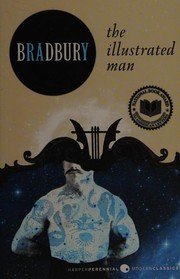
The Illustrated Man
A tattooed drifter's moving pictures retell eighteen Bradbury stories of children, rockets, Mars and the last night of the world.
2,791-word summary · 12 min read
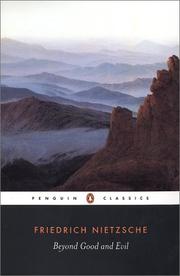
Beyond Good and Evil: Prelude to a Philosophy of the Future
A guide to Friedrich Nietzsche's Beyond Good and Evil: its attack on moral prejudice, the will to power, master and slave morality, and the philosopher of the…
2,597-word summary · 12 min read
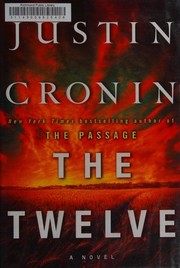
The Twelve
The middle volume of the Passage trilogy braids the year America died, a picnic massacre decades earlier, and the survivors' war against the twelve master…
2,089-word summary · 9 min read
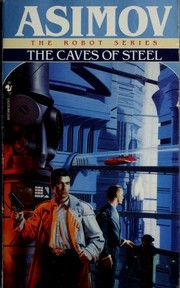
The Caves of Steel
Detective Elijah Baley must solve a Spacer's murder in a domed New York, partnered with R. Daneel Olivaw, a humaniform robot built in the victim's image.
2,445-word summary · 11 min read