
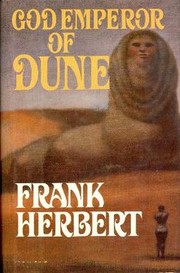
God Emperor of Dune
2,006-word summary 9 min read 411 pages in the book
- First published
- 1981
- Publisher
- Putnam
- Pages
- 411
- ISBN
- 9780399125935
- Series
- Dune (#4)
Reading options
What's inside (7 sections)
I put off God Emperor of Dune for years because fans warned it was all talk, then found the talk was the point and could not stop underlining. Frank Herbert published it in 1981 with Putnam, a 411 page first edition with ISBN 9780399125935. It is Dune book four, after Children of Dune. It jumps 3,500 years past Paul. Leto II, Paul son, merged with sandtrout to become a worm god emperor. He rules to force humanity free through his Golden Path. If you want battles, look elsewhere. If you want ideas that bite, stay.
Arrakis greened. The desert planet Paul made is now wet with rivers, except one desert Leto keeps for worms. Spice fades. Sandworms nearly gone except Leto. His Fish Speakers, all women army, enforce peace that feels like stasis. Houses Major scheme but cannot move because Leto sees prescient paths and blocks. Ixians build machines that hide from sight. Bene Gesserit breed for Siona, an Atreides who is invisible to prescience. Tleilaxu grow Duncan Idaho gholas again and again to test or kill Leto. Everyone waits for the tyrant to die. He will not. That is the problem and plan.
Leto himself narrates in journals and dialogues. He is vast, bored, funny, cruel. He remembers being human boy, loving Ghanima, losing Duncan friends over millennia. He lectures visitors for pages about history, sex, religion, bureaucracy. He stages his own myth, wedding, processions, to control. He knows he is monster. He chose it to save humanity from itself by teaching it to hate control so deeply it will never accept empire again. That Golden Path requires his oppression. He accepts hatred as price. Whether he is right is the book question Herbert refuses to answer cleanly.
Siona and Duncan
Siona Atreides, rebellious teen of the family, hates Leto on principle and personally. She steals, runs, plots with rebels. Leto watches, amused and sad, because she is the one his breeding needed, invisible to his sight, able to surprise. He tests her with desert trials, with Duncan protectors, with truths about her parents. She hates him more as she learns because learning shows his reasons, which feel like excuses. Her arc from vandal to revolutionary who understands but still resists is the human heart in philosophy.
Duncan Idaho ghola, the latest of many, arrives loyal to old Atreides and horrified at worm god. He remembers past lives in flashes. He lusts, drinks, challenges. Leto teases him about always dying for honor. Duncan plots with Siona to kill Leto. He also serves as Leto companion, the only one who talks back without fear because he knows he will die and return. Their dialogues about love, duty, and what makes human are the book best pages. Duncan says a human risks. Leto says a human survives. Both right. Neither yields.
Other players circle. Moneo, Leto majordomo and Siona father, serves faithfully while doubting. He loves Leto and fears what service costs his daughter. His chapters show bureaucracy of empire, schedules, rituals, reports. He is tired in ways that feel real for middle managers of tyranny. Hwi Noree, Ixian ambassador bred to charm Leto, loves him genuinely and tragically. She sees the boy inside worm. He loves her because she was made to, which poisons even tenderness. Their wedding march becomes funeral march. I will not spoil how, but it hurts because both knew.
Bene Gesserit, Tleilaxu, Ix, Guild all scheme. Reverend Mothers want Siona genes. Tleilaxu want to replace Leto with their own. Ix want machines that beat prescience. Leto lets them try because failure teaches. Herbert stages councils, dinners, interrogations where characters debate free will, ecology, religion for pages. If you love ideas, bliss. If you love plot, patience needed. One assassination attempt takes 100 pages of talk first. When violence comes, it is brief and shocking because talk lulled.
Golden Path
The Golden Path concept needs plain summary because Herbert buries it in riddles. Humanity, prescient rulers show, will follow seers into stagnant safety and die when surprise comes. Paul saw this and refused to pay price. Leto pays by becoming tyrant so awful, so long, that humans scatter beyond any one control after he falls. He breeds Siona invisibility into all, so no seer can ever cage them again. He teaches by oppression what freedom lectures cannot. It is monstrous utilitarianism, kill freedom now to ensure it later. Herbert asks if ends justify. He shows Leto doubt at night, alone, writing journals no one reads until after. Doubt does not stop him. That is horror and heroism together.
Ecology theme continues. Green Arrakis looks like success and is failure. Without desert, worms die, spice dies, Fremen culture dies. Leto keeps one desert as museum and warning. He knows terraforming kills complexity. His Fish Speakers guard rivers that drown old ways. Siona rebels partly to save wildness she never knew. Herbert, who built Dune on ecology, argues here that saving a planet can kill it if saving means control. Let wild places stay wild, even if inefficient. That message lands harder now than in 1981.
Gender theme is tricky. Fish Speakers as all women army, bred for loyalty, raises questions Herbert half answers. He suggests women rule better because they nurture, which essentializes. Hwi as perfect wife made to love troubles modern readers rightly. Siona as rebel who refuses breeding plans redeems some. Read with eyes open. Herbert was visionary and of his time. Take the critique of power, leave the gender fate talk.
Prose is dense and aphoristic. Leto speaks in riddles that demand reread. Moneo thinks in reports. Duncan swears. Siona snaps. Chapters shift without warning. At 411 pages, the book feels longer because ideas crowd. Skim councils if needed, but do not skip Leto journals. They hold plot in plain form. He tells you what he plans and why. You will not believe him until end, which is point. Tyrants tell truth. No one listens because power distorts hearing.
Fair criticism is standard and true. Too much talk. Too little action. Characters as mouthpieces. Leto omniscience removes suspense. If you know he sees, why fear. Answer is Siona blindness creates gap, but gap opens late. New readers should not start here. Read Dune, then Messiah, then Children, then this. Even then, take breaks. Walk. Let ideas settle. The book rewards patience with passages you will quote for years. How did we get here. By not questioning. What saves. Scattering, love, defiance.
Who should read it
Older teens and adults ready for philosophy fit best. There is violence, sexual content talk, incest hints in breeding, strong language. No explicit gore feasts. Fans of Dune who love worldbuilding will feel fed, though action fans may starve. Fans of Le Guin, Asimov ideas will feel at home. Pair with Heretics after, or with Dune Messiah for Paul versus Leto contrast. Keep notes on who breeds whom. Family trees help.
I closed it thinking about control. Phone apps that predict, bosses who schedule, states that watch. Leto argues safety becomes cage. Siona argues cage must break even if break hurts. Both right. Scattering, in book terms, means keep wild parts, in life, in mind, in planet. Do not let one seer, even a good one, plan all. Leto dies to teach it. That death, when it comes by falling water and teeth, feels like relief and grief together. Worm god gone. Humans free to fail again. Herbert calls that victory. After 411 pages of talk, I believe him enough to argue on walks. That is why the book lasts.
Moneo, Hwi, and serving tyranny
Moneo majordomo chapters show what serving a god costs a father. He schedules Leto days, manages Fish Speakers, writes reports no one reads but Leto. He loves Leto as friend and fears him as master. He loves Siona as daughter and fears her rebellion will kill her. Caught between, he chooses duty to Leto while warning Siona in asides. Bring a coat. Do not run in desert. His warnings sound like weather advice and save her life twice. When he dies in the fall that kills Leto, he dies holding duty and daughter together. That image, bureaucrat as bridge, moved me more than battles. Middle managers of empire also love.
Hwi Noree, Ixian bred to charm, deserves care as more than plot device. Made to love Leto, she does, fully, knowing she was made. Leto loves her back, knowing she was made, hating that knowing poisons. Their walks in the garden, talking about rivers, music, childhoods neither had normally, are tenderest pages. She asks if he ever wanted to be small. He says hourly. She asks if Golden Path was worth losing boyhood. He says ask humanity in ten thousand years. She says she loves the boy who remembers, not the worm who plans. He believes her because she was made to be honest in this one way. Their wedding, planned as alliance, becomes farewell. Herbert lets love exist inside manipulation without resolving paradox. Feelings grown in labs still feel. That trouble lingers after plot fades. What is real if made to love. Hwi answer is to love well while she can. Enough.
Fish Speakers daily life gets sketches that humanize empire. Women soldiers drill, joke, miss families, question orders quietly. One guard lets Siona pass though she should stop her. One reports Duncan because duty demands though she likes him. Leto knows and allows small disobediences to keep army human. When rebellion comes, some Fish Speakers join Siona, some stay. No monolith. That split saves the book from gender essentialism a little. Women as people, not tools, even in an army built as tool. Remember their names when councils debate. They carry water for gods and rebels alike.
Journals, worms, and time
Leto journals deserve attention as the book memory. He writes for readers after his death, knowing his rule will be hated. He explains Golden Path plainly in private though he riddles in public. I saw humanity caged by seers, he writes. I became cage so they would break all cages after. He admits loneliness that no Fish Speaker worship fills. He misses Ghanima laugh. He misses Duncan original, not gholas. He fears he enjoys power despite purpose. That fear humanizes monster. Tyrants who doubt are scarier and sadder than those sure. Doubt proves he remembers being boy. Boyhood is why he persists. To save boys from needing tyrants.
Worm body horror gets visceral detail that grounds philosophy. Segments creak. Sandtrout skin itches. Face human in worm mass draws stares. He moves slowly, needing suspensors. Heat pains. Water threatens. He cannot hug Hwi without care. He cannot run with Siona. His body is prison he chose. Herbert describes with pity, not disgust. When Leto bathes in sand, sighing, you feel relief and trap together. Immortality costs touch. That cost makes his sacrifice credible. He did not gain godhood. He lost boyhood for millennia. Would you. The book asks and waits. Most answer no, which proves his point about why heroes refuse necessary monsters. He accepts being unloved so others need not.
Time as character matters too. Thirty five hundred years of rule flatten history into ritual. Songs repeat. Uniforms stay. Rebels use old slogans. Leto remembers when rivers were desert and laughs at maps. Siona, young, thinks years are long. Leto knows they are short against species. That scale gap makes dialogue poignant. She shouts about now. He answers about ten thousand years. Both right. Both miss. Bridging requires Hwi kindness, Moneo duty, Duncan anger. Together they translate god time to human time. Without translators, tyranny is just noise. With them, lesson lands after fall and scattering begins anew. Leto journals close with an invitation, not a command. Read, remember, disobey wisely. Siona carries that forward by refusing thrones. Duncan carries it by refusing blind loyalty. Moneo carries it by serving people over protocol at the end. Together they turn tyranny lesson into freedom practice. Remember now. Plan wide. Live free today.
FAQ
When was God Emperor of Dune published?
Putnam published it in 1981. The first edition runs 411 pages with ISBN 9780399125935.
Is it part of a series?
Yes. It is Dune book four, after Children of Dune.
Who should read it?
Older teens and adults fit best. There is philosophy, violence, and sexual content.
Similar books
More from Dune first, then related titles.
Dune Messiah
Emperor Paul faces jihad fallout as Bene Gesserit and Tleilaxu plot with ghola Duncan to break him.
2,593-word summary · 12 min read
Children of Dune
Leto and Ghanima, Paul's twin children, face plots and prophecy on Arrakis as the desert and the empire change.
2,433-word summary · 11 min read

Heretics of Dune
Fifteen centuries after Leto II, the Bene Gesserit raise a new Duncan Idaho while the Honored Matres return and Rakis burns.
2,673-word summary · 12 min read
Foundation's Edge
Exiled councilman Golan Trevize hunts for the Second Foundation and the lost world of Earth, and finds a planet with one mind waiting to change the galaxy.
2,335-word summary · 10 min read

A Canticle for Leibowitz
After nuclear war, monks save books across centuries while the world rebuilds and falls again.
2,381-word summary · 11 min read
The Dispossessed: An Ambiguous Utopia
Physicist Shevek leaves anarchist Anarres for capitalist Urras to share time theory, finding walls both places.
2,288-word summary · 10 min read
Contact
A radio astronomer catches prime numbers from Vega, helps build a strange machine, and returns with no proof but static.
2,763-word summary · 12 min read

Abaddon's Gate
A dead detective guides Holden, an assassin hunts him, and a pastor walks unarmed into a mutiny as the Ring opens new worlds.
2,672-word summary · 12 min read
Inferno
Dante, lost at thirty-five, follows Virgil down through nine circles of Hell, from Limbo to the ice, and climbs back toward the stars.
3,131-word summary · 14 min read
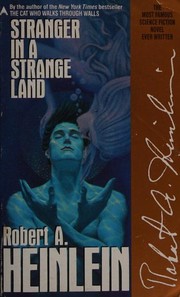
Stranger in a Strange Land
A Mars-raised man lands on Earth, learns religion and love, and founds a church that shocks everyone.
2,725-word summary · 12 min read
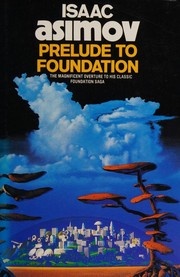
Prelude to Foundation
A young Hari Seldon arrives on Trantor with a theory he cannot yet prove, and a hunt through the planet-city forces him to turn psychohistory into a real…
2,013-word summary · 9 min read
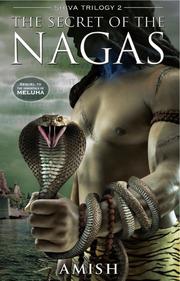
The Secret of the Nagas
Shiva hunts the Naga who attacked Sati, discovers her hidden twin sister and lost son, and follows the trail to the Naga capital of Panchavati.
2,442-word summary · 11 min read

Infidel
Ayaan Hirsi Ali's memoir of a Somali childhood, a forced marriage, a Dutch asylum claim, and the political fight that followed the murder of Theo van Gogh.
2,041-word summary · 9 min read

Fathers and Sons
Arkady brings the nihilist Bazarov home to his father's estate, and a generational argument turns into love, a duel, and an early death.
2,192-word summary · 10 min read
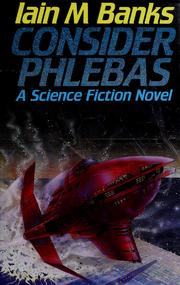
Consider Phlebas
The first Culture novel follows a spy for the opposing side, a man hired to hunt a fugitive through a war between an anarchist post-scarcity utopia and a…
2,350-word summary · 10 min read

The Queen's Fool
A young Jewish refugee with second sight becomes a court fool to Edward VI, Mary I, and Elizabeth, and learns what it costs to tell the truth.
2,412-word summary · 11 min read
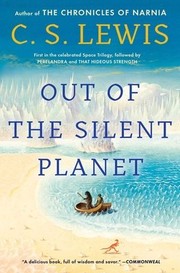
Out of the Silent Planet
A Cambridge philologist is kidnapped and taken to Mars, where the natives are civilized and the humans are the dangerous invaders.
2,612-word summary · 12 min read
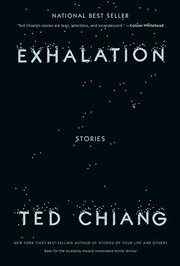
Exhalation
Ted Chiang's second collection contains nine stories about time, memory, free will, and artificial minds, told with clarity and moral seriousness.
2,075-word summary · 9 min read

Exodus
Leon Uris's sweeping 1958 novel follows Jewish refugees, Haganah fighters, and Holocaust survivors from Cyprus to the founding of Israel and the 1948 war.
2,529-word summary · 11 min read
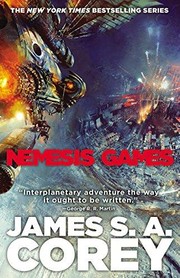
Nemesis Games
The Rocinante crew scatters across the solar system just as Marco Inaros and the Free Navy bombard Earth. The Expanse reaches its turning point.
2,506-word summary · 11 min read
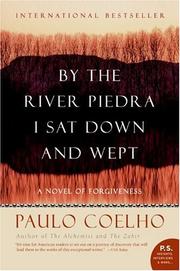
By the River Piedra I Sat Down and Wept
Pilar, 29, meets her childhood friend again in Madrid and finds a rumored miracle worker. One winter week through the Pyrenees to the river Piedra, and the…
2,845-word summary · 13 min read

Ubik
A psychic agency crew dies in a blast and reality decays unless a spray called Ubik saves them.
2,674-word summary · 12 min read

Stories of Your Life and Others
Eight stories about language, time and choice, including the tale behind Arrival.
2,402-word summary · 11 min read

God Is Not Great
Hitchens argues religion poisons life across history and texts.
2,545-word summary · 11 min read
Children of the Mind
Ender's children split across worlds as Jane faces shutdown and Lusitania flees.
2,532-word summary · 11 min read

Solaris
Kelvin reaches a silent station above Solaris and finds grief made solid when the ocean returns his dead wife Rheya, testing memory, science, and the limits of…
2,548-word summary · 11 min read
Iron Gold
Ten years after victory, Darrow and new rebels face peace that feels like another war.
2,158-word summary · 10 min read
A Column of Fire
Spies and lovers cross Tudor England as Mary and Elizabeth fight for the crown and faith.
2,029-word summary · 9 min read

The Year of the Flood
Toby and Ren live through the plague apart, guided by God's Gardeners, then join to find Amanda.
2,422-word summary · 11 min read