
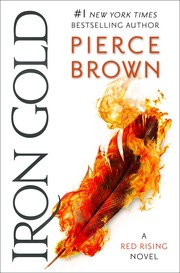
Iron Gold
2,158-word summary 10 min read 624 pages in the book
- First published
- 2018
- Publisher
- Del Rey
- Pages
- 624
- ISBN
- 9780425285916
- Series
- Red Rising Saga (#4)
Reading options
What's inside (9 sections)
I finished the original Red Rising trilogy feeling wrung out and satisfied, and I opened this fourth book wondering if peace could hold a story. It can, because peace here is a war by other means. First published in 2018 by Del Rey, at 624 pages in hardcover, it is fourth in the Red Rising Saga after Red Rising, Golden Son, and Morning Star, starting a second trilogy about a fragile Republic ten years after victory. Darrow is older, tired, and doubted. New voices share pages. Old enemies learn new tricks.
The Solar Republic rules uneasily. Golds who lost power plot in shadows. Reds who won freedom find freedom means hunger and hard choices. The Rim wants independence. The Core wants order. Darrow, the Reaper turned reluctant statesman, leads dirty campaigns to hold the center while his wife Virginia tries to govern by law. Their son Pax grows in a home full of love and absence.
Brown widens the lens to four viewpoints. Darrow for war. Lysander, grandson of the Sovereign Octavia, for the lost Gold order. Lyria, a Red refugee, for the ground. Ephraim, a thief with a broken heart, for the gray zones. That quartet keeps 624 pages moving even when battles pause. Each sees the same Republic and names a different failure.
Darrow at ten years on
Darrow begins exhausted in a way that feels earned rather than grim for show. He freed slaves and broke chains, then learned freeing is easier than feeding. The Republic asks him to win wars it will not fund and to show mercy it will not practice. He complies by working longer and sleeping less, which hollows the hero into a symbol that bleeds.
His marriage to Virginia, Mustang to friends, anchors him and strains. She leads as Sovereign, signing laws while he burns fields to save cities. They love deeply and argue about means in late night talks that ring true. She wants courts. He wants strikes. Both want Pax to inherit better. Neither knows how to stop the wheel without falling under it.
Sevro, Darrow's brother in arms, brings brutal humor and loyalty that borders on worship. He leads elite troops called Howlers with pranks and fury. His scenes lighten dread before battles. Yet even Sevro questions orders that trade villages for strategy. Their bond, forged in mines and academies, frays when Darrow hides costs. Brothers can forgive wounds faster than lies, and Darrow learns that late.
Military chapters show Brown's gift for large action with clear geography. Orbital drops, shield walls, and ash storms read vivid without confusion. Darrow thinks in moves and counter moves while feeling each loss. A victory that saves a city but kills a school haunts him more than defeats. That moral accounting separates this series from power fantasies. Strength here accrues debt.
Critics of endless war will find much to chew. Darrow claims peace needs one more campaign, a line empires always use. The book knows it. Characters call him out, including enemies who mirror his old self. Whether you still root for him after ten years is the test. I did, warily, because he doubts himself more than fans do. Doubt keeps him human when legend wants marble.
Lysander among wolves
Lysander au Lune, heir to Gold's fallen order, grows up in hiding with a found family that loves him. Raised by rebels who killed his kin, he learns kindness from enemies and pride from memory. That split makes him the trilogy's most interesting mind. He wants honor without cruelty, rule without chains, which history suggests is hard.
His travels take him through Rim courts and Core ruins with a guardian who teaches and uses him. He studies philosophy, duels with grace, and listens to Reds with genuine curiosity that still centers Gold loss. That curiosity is real and limited. He can pity individuals while doubting their right to rule. That limit will decide wars.
Lysander's romance and friendships complicate loyalty. He loves people the cause calls traitors. He owes debts to those who sheltered him. When orders come to betray, he hesitates in ways that feel young rather than noble. Hesitation costs lives. The book does not spare him that math. Growing up in this saga means choosing who bleeds for your doubts.
His chapters also rehabilitate Gold culture beyond villains. Art, duty, and family honor appear alongside cruelty. That nuance matters because book four needs readers to understand why many want the old order back. Not all are monsters. Many are scared people who lost status and call it justice. Lysander embodies that ache without excusing terror.
By the end Lysander chooses a path that thrills and worries. I will not spoil the turn, but it reframes the next books. Fans will argue about him for years, which is a sign Brown created a person rather than a pawn. Love him or hate him, you will watch his next move with held breath.
Lyria on the ground
Lyria of Lagalos gives the saga new soil. A Red girl from a mining camp freed by Darrow's war, she loses home to peace deals that trade her hills for politics. She flees with family through deserts and stations, seeking work and safety that never quite hold. Her chapters smell of dust, soup, and fear. They ground space opera in bodies.
Her anger at Darrow is vital. She worshipped the Reaper as a child and resents the man whose victory displaced her. That arc corrects hero worship from earlier books. Liberators break as well as free. Lyria names costs that epics skip. Who farms after mines close. Who pays when armies move. Her questions do not have slogans as answers.
She finds uneasy shelter with rebels and criminals who use her as courier and symbol. A Red mother, a scarred veteran, and a clever thief teach her to read cities. She learns to lie about age, to run from raids, and to keep a knife she hopes not to use. Growth here is survival skill rather than power fantasy, which refreshes a series full of supermen.
Her bond with Ephraim, the thief who hires and guards her by turns, provides prickly warmth. He mocks her idealism while feeding her. She judges his jobs while needing them. Their banter hides mutual fear of caring again after loss. When they choose to protect each other at cost, the moment lands because both swore not to.
Lyria's final chapters push her toward a choice between revenge and building. The book respects either as human while showing prices. Revenge feels clean for a night. Building takes years of dull work. That honesty about postwar life sets Iron Gold apart from victory lap sequels. Freedom is a start, not an end.
Ephraim in the gray
Ephraim ti Horn, once a promising Gold turned thief after losing his love, narrates with wit that covers grief. He steals for pay, drinks to forget, and guards Lyria for money that becomes duty. His voice is the most modern in the book, full of quips that irritate and endear. Under jokes sits a man who failed someone he loved and cannot forgive himself.
His jobs pull readers through criminal underworlds that war created. Smugglers, data brokers, and off duty soldiers trade in shortages. Ephraim knows doors and debts in every port. Those tours show Republic failure better than council debates. When bread costs votes and medicine costs lives, ideals starve. Brown uses crime to map policy gaps.
His lost love, Volga, haunts missions in ways both literal and figurative. He takes risks to honor her memory, then hates himself for using memory as excuse. A late reveal about his past reframes early selfishness as prolonged mourning. That turn could feel cheap in lesser hands. Here it lands because Ephraim never asks for pity. He bills grief as humor until humor breaks.
His partnership with Lyria steadies him without curing. He teaches her to pick locks and read marks. She teaches him to keep promises past pay. Their mutual rescue avoids romance cliches. It is siblinghood forged in alleys rather than love at first sight. That platonic core refreshes a series heavy with couples.
Ephraim's endgame choices cost most because he has least to lose and most to prove. Without detailing, he bets his life on a plan that serves others more than himself. Whether that redeems prior thefts is left for readers to weigh. The book allows mixed verdicts. People can do one brave thing while remaining flawed. That grace suits a saga learning mercy.
Republic, Rim, and what victory broke
World building in book four shifts from conquest to governance, which is harder to dramatize and Brown mostly manages. Councils argue about rations, courts, and colonies. Rim lords demand independence after bleeding for a Core peace. Core citizens fear Red crime and Gold return. Virginia tries law where Darrow uses force. Both fail daily in different ways.
The Ash Lord and other Gold remnants plot from shadows with patience that chills. They fund pirates, spread plagues of rumor, and wait for Republic overreach. Their scenes are brief but effective. Evil here wears suits and smiles at charity galas while ordering hits. That banality feels modern after operatic villains of the first trilogy.
Technology and color hierarchy persist in telling details. Reds still mine. Pinks still serve. Grays still police. Laws changed faster than habits. Mixed schools struggle. Old slurs survive in jokes. Brown shows liberation as process rather than event, which honors real histories without turning the book into lecture. You feel progress and backlash in streets rather than speeches.
War returns not as glory but as grind. Sieges starve. Blockades rot. Darrow wins battles that lose politics. Those paradoxes give the book its tragic pull. Every smart move creates new enemies. Readers wanting clear triumphs may ache. Those who stayed for cost will find the most honest volume yet about what Reaper's dream demands.
Pace across four viewpoints sags early as new names pile. Lyria and Ephraim need time to earn care beside legends. Push through the first hundred pages. Once threads cross, momentum builds to a finale with betrayals and rescues that reframe the whole saga. The last hundred pages read in a rush I had to force myself to slow.
What expands and what strains
The expansion to four narrators is both gift and cost. Fresh eyes prevent hero fatigue and show Republic from below, above, and outside. New favorites will emerge. Yet Darrow fans get less of him, and jumps between plots can blunt cliffhangers. Some chapters end just as tension peaks, which thrills and frustrates in turns.
Length at 624 pages feels full rather than padded, though early world building repeats points about shortages and councils. A trim of thirty pages in middle Rim debates would tighten. Action fans may miss the duel focus of earlier books. Politics replaces many one on one fights with fleet moves that blur. Maps help. Use them.
As fourth in Red Rising Saga after Red Rising, Golden Son, and Morning Star, with those on this site under Pierce Brown, Iron Gold starts a harder, sadder arc about keeping freedom. Read in order. New readers will drown in names and debts. Returning readers will find beloved crew older, scarred, and still trying. If you want triumph, reread Morning Star's end. If you want truth about mornings after, march with Darrow, Lysander, Lyria, and Ephraim into gold that glitters less and cuts deeper.
Peace as another battlefield
Look past battles to budgets to grasp book four. Republic councils argue over grain, helium, and school seats while fleets wait for fuel. Those debates bore war lovers and decide who lives better than any duel. Brown stages them as tense standoffs with numbers instead of blades. Winners feed cities. Losers feed rumors that feed pirates.
Rim versus Core maps onto center versus edge in any large state. Rim stations bled for freedom and now face taxes from a capital that feels far. Core cities fear crime and crave order they remember as Gold peace. Both memories edit truth. The book lets each side state a fair case before showing how fear turns fair into fire. That balance keeps 624 pages from preaching.
Colors persist after laws change, which the book shows in work lines. Reds mine and haul. Browns fix. Grays police. Pinks serve in houses that claim to have freed them. Mixed schools and marriages exist but draw stares. Liberation altered statutes faster than habits. Those details honor how change actually moves, slow in kitchens and streets while fast in proclamations.
Crime fills gaps where states thin. Smugglers bring medicine at markups. Data brokers sell routes. Off duty soldiers hire out as guards. Ephraim walks these markets with ease that shames councilors. His tours teach more about Republic health than speeches. When black markets thrive, official promises ring hollow. That street test applies far beyond Mars.
FAQ
When was Iron Gold published?
Del Rey published Iron Gold in 2018. The hardcover runs 624 pages and is fourth in the Red Rising Saga.
Is it part of a series?
Yes. It follows Red Rising, Golden Son, and Morning Star. Darrow, Lysander, Lyria, and Ephraim carry four views of a fragile Republic.
Similar books
More from Red Rising Saga first, then related titles.
Red Rising
Darrow, a Red miner on Mars, loses his wife and is remade as a Gold to infiltrate the Institute, where teens wage war for power and he plots revolution.
2,111-word summary · 9 min read
Golden Son
Darrow serves House Augustus as a Gold officer while plotting revolt, until a gala refusal, a duel with Cassius, and a Triumph betrayal break his rise.
2,747-word summary · 12 min read
Morning Star
Broken in a box by the Jackal, Darrow rises with Howlers to open Mars mines to sky.
2,009-word summary · 9 min read

Consider Phlebas
The first Culture novel follows a spy for the opposing side, a man hired to hunt a fugitive through a war between an anarchist post-scarcity utopia and a…
2,350-word summary · 10 min read

The Moon Is a Harsh Mistress
In 2076 Lunar colonists led by Mannie, Wyoh, Prof, and computer Mike revolt against Earth with rocks and rhetoric.
2,003-word summary · 9 min read
The Fall of Hyperion
Keats persona Severn dreams pilgrims to the Time Tombs as Hegemony falls and TechnoCore war breaks the farcasters.
2,115-word summary · 9 min read
Ringworld
Bored Louis Wu joins alien crew to explore a vast ring habitat around a star.
2,370-word summary · 11 min read
Caliban's War
Ganymede burns, Bobbie survives it, Avasarala curses through politics, and Prax hunts daughter Mei.
2,080-word summary · 9 min read
Ender's Shadow
Bean, a starving Rotterdam runaway, fights his way into Battle School and watches Ender's war from the side. A parallel retelling about survival, loyalty, and…
2,742-word summary · 12 min read
Ender's Game
Ender Wiggin trains at Battle School to fight the Formics, winning games that turn out to be real.
2,039-word summary · 9 min read

Prelude to Foundation
A young Hari Seldon arrives on Trantor with a theory he cannot yet prove, and a hunt through the planet-city forces him to turn psychohistory into a real…
2,013-word summary · 9 min read
Foundation's Edge
Exiled councilman Golan Trevize hunts for the Second Foundation and the lost world of Earth, and finds a planet with one mind waiting to change the galaxy.
2,335-word summary · 10 min read
Leviathan
In an alternate 1914, a prince on the run and a girl disguised as a soldier meet aboard a living airship.
2,406-word summary · 11 min read
Starsight
Spensa Nightshade goes undercover aboard the Superiority space station Starsight to steal a hyperdrive, and finds a frightened bureaucracy where she expected…
2,568-word summary · 11 min read
Network Effect
Murderbot's contract job turns into a rescue mission when a hijacked research ship and a colony of corrupted colonists appear.
2,256-word summary · 10 min read
The Ask and the Answer
Todd and Viola are separated in occupied Haven, where the Mayor's Ask tortures suspects and the Answer plants bombs in the name of freedom.
2,265-word summary · 10 min read
Out of the Silent Planet
A Cambridge philologist is kidnapped and taken to Mars, where the natives are civilized and the humans are the dangerous invaders.
2,612-word summary · 12 min read
We Are Legion (We Are Bob)
A dead software engineer wakes up as a self-replicating space probe, clones himself into a squabbling fleet of Bobs, and tries to keep a ruined Earth alive.
2,357-word summary · 10 min read
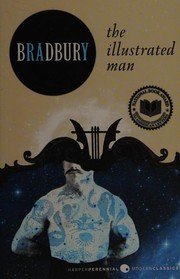
The Illustrated Man
A tattooed drifter's moving pictures retell eighteen Bradbury stories of children, rockets, Mars and the last night of the world.
2,791-word summary · 12 min read
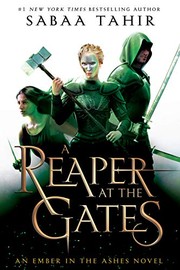
A Reaper at the Gates
The Martial capital falls to an army of ghosts, Elias becomes the Soul Catcher, and Laia and Helene pay brutal prices as the Nightbringer moves to free the…
1,991-word summary · 9 min read
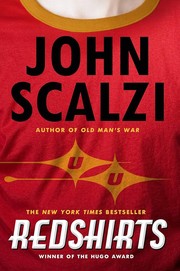
Redshirts
Ensigns realize they die to serve a bad TV show's narrative.
2,152-word summary · 10 min read
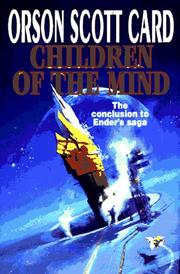
Children of the Mind
Ender's children split across worlds as Jane faces shutdown and Lusitania flees.
2,532-word summary · 11 min read
Ancillary Justice
A ship mind trapped in one human body hunts the emperor who betrayed her across frozen worlds.
2,595-word summary · 12 min read

Solaris
Kelvin reaches a silent station above Solaris and finds grief made solid when the ocean returns his dead wife Rheya, testing memory, science, and the limits of…
2,548-word summary · 11 min read
Saga, Volume 2
Alana and Marko flee with baby Hazel while exes, princes, and ghosts close the net.
2,028-word summary · 9 min read
Exit Strategy
Murderbot returns to help its humans as corporate hunters close in and old friends risk all.
2,088-word summary · 9 min read
Cryptonomicon
Codebreakers in World War II and hackers in the 1990s chase gold, ciphers, and a secret data haven.
2,280-word summary · 10 min read

Cibola Burn
Settlers and a company fight over a new world while Holden tries to stop a war.
2,011-word summary · 9 min read
Seveneves
Stephenson 880-page William Morrow epic, May 2015: the Moon shatters, the Cloud Ark fails, seven women restart humanity, and heirs meet survivors on Earth.
2,389-word summary · 11 min read
Fire & Blood
Archmaester Gyldayn chronicles Aegon the Conqueror through the Dance of the Dragons, with Doug Wheatley art across 752 pages.
3,268-word summary · 15 min read