
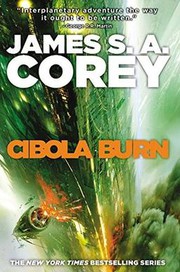
Cibola Burn
2,011-word summary 9 min read 592 pages in the book
- First published
- 2014
- Publisher
- Orbit Books
- Pages
- 592
- ISBN
- 9780316217620
- Series
- The Expanse (#4)
Reading options
What's inside (8 sections)
I came to this fourth Expanse book after three volumes of solar system politics and alien scares, and I found the series changed ground in a good way. Gates opened to new worlds, and ordinary people rushed through with guns and hopes. First published in 2014 by Orbit Books, at 592 pages in hardcover, it is fourth in The Expanse after Leviathan Wakes, Caliban's War, and Abaddon's Gate. Holden and the Rocinante crew mediate a land fight on a planet called Ilus while old alien machines wake under their feet.
Ilus holds lithium, ruins, and storms that kill without malice. Settlers from Ganymede arrived first in rough ships and built a town with church and bar. A company called Royal Charter Energy, RCE, arrives with a charter, scientists, and security led by a cold man named Murtry. Both claim the land. Both have papers that mean little when power fails. Holden arrives with a UN mandate to keep peace, which is like bringing a napkin to a flood.
Elvi Okoye, a biologist with RCE, wants to study life. Basia Merton, a settler with a past, wants a home after losing one. Their views of the same plain could not differ more. Around them move Holden, Naomi, Amos, and Alex, plus Miller, the dead detective who persists as a protomolecule ghost in Holden's head. That ghost sees patterns humans miss and asks for help finding something that should stay lost.
Ilus and two claims
The planet itself is a character. High gravity storms, alien towers that hum, and microbes that do not care about human lungs. Settlers built low houses that flood. RCE drops prefab labs that gleam then crack. Both sides need the same river and landing pad. Charts cannot settle who belongs when survival needs sharing and pride forbids it.
Basia carries guilt from an earlier attack on a UN ship that killed innocents. He wants to farm and be forgotten. His wife and kids anchor him. His friends pull him toward sabotage when RCE pushes. That tug between home and cause drives his chapters. He makes a choice early that poisons everything after, which the book does not excuse. Good men do bad things for land, and land remembers.
Elvi arrives eager and a little blind. She loves alien biology and hates colonial mess. She befriends settlers to learn, then reports to bosses who use her notes for claims. Her chapters show science inside power. Data helps whoever pays for it. She tries to stay neutral and learns neutrality favors guns. Her growth from observer to actor is one of the book's best arcs.
Murtry leads RCE security with calm legal talk and a willingness to shoot. He cites charters, self defense, and order while building a jail before a school. He is not a thug for fun. He believes companies bring civilization and settlers bring chaos. That belief makes him scarier than a brute, because he kills as policy. Holden sees him clearly and cannot simply shoot him without breaking the peace he was sent to keep.
The town meetings fail in familiar ways. Translators miss tone. Lawyers quote clauses while wells run low. A shared repair gets done, then undone by a flag. Corey writes these tangles with patience. You feel how hard peace is when both sides need the same scarce thing and call it theirs by different papers.
Holden in the middle
Holden is tired in this book, which suits him. He survived Eros, a war, and a gate transit that showed him visions. Now the UN uses him as a symbol of neutral help. He tries to mediate while Miller whispers about ruins. He tells truth bluntly, which helps and harms in turns. Settlers trust his plain talk. RCE hears bias. Both are partly right.
Naomi works engines and politics at once. She keeps the Rocinante alive through storms and sabotage while arguing for settler rights. Her Belter past makes her side with underdogs, but her engineer mind respects RCE skill. She and Holden fight about how far to push Murtry. Love here looks like late night talks over schematics rather than speeches.
Amos gets some of the best pages. He watches Murtry with flat eyes that see a predator. He befriends a settler kid with simple kindness that steadies him. When violence comes, Amos acts fast and without joy. Later he sits with what he did and asks Naomi if it was right. That question, from the crew's muscle, carries more weight than Holden's ideals. It shows growth from earlier books.
Alex flies through impossible weather with jokes that thin as fuel does. He misses family and drinks a little too much when grounded. His chapters remind you that space heroes are also tired pilots who want calls home. Those small longings keep a big book human between alien set pieces.
Miller's ghost pushes Holden toward ruins that should stay shut. Their talks mix detective banter with dread. Find the power source. Stop the cascade. Miller wants to end an old crime by finishing it, even if finishing kills everyone nearby. Holden resists being used as a tool again, which echoes his arc since book one. Tools can say no.
Science, ruins, and storms
The alien plot here is less about monsters and more about systems left on. Protomolecule builders died long ago, but their roads, reactors, and defenses still run. Ilus has a dead ocean, power spikes, and slugs that blind. Elvi studies with wonder while Basia's kids cough. Wonder and harm share samples.
Storms shape action better than battles for much of the book. A Consensus storm kills power and floods camps. Shuttles cannot fly. Wounds fester. People share roofs with enemies and learn names. Those forced truces do more for peace than Holden's speeches. Weather as peacemaker feels fresh in military science fiction and true to frontier life.
Ruins wake in stages. Lights blink in order. Towers hum at night. A defense network targets orbiters that look like threats. When it fires, the sky falls in ways physics punishes. Debris, blackouts, and tsunamis follow. Corey respects consequences. No one outruns a tsunami because they are main cast. Plans fail on mud and math.
Elvi's science chapters explain without lectures. She tests water, tracks slugs, and maps power flows with a field kit that breaks. She argues with a boss who wants results for claims rather than truth. Her notes save lives when she shares them across lines. That sharing costs her standing but earns trust that matters more when storms hit.
Miller seeks the source to shut it down, which means going where humans cannot breathe or think straight. Holden follows because no one else sees the ghost. Their descent reads like horror in daylight. Empty halls, wrong angles, and a voice asking to be released. I liked that the book keeps alien minds alien. No villain speech explains builders. They remain dead and dangerous, which is scarier.
Murtry and the law of guns
Adolphus Murtry deserves a section because he embodies company peace. Polite, groomed, and precise, he quotes RCE charter like scripture. He builds a courtroom before a clinic. He shoots first in a gray case and calls it clear. He documents everything to make killing look like process. That paper armor frustrates Holden more than any gun.
His conflict with Amos is primal. Two men who understand violence watch each other across tables. Murtry tries to hire Amos with respect. Amos declines with a calm that unnerves. Their final clash feels fated without feeling staged. It is not good versus evil in capes. It is order through fear versus loyalty through care, and both men know the difference.
Settler justice has its own flaws. Lynch talk rises after RCE kills. Basia's friends plan revenge that would doom talks. Holden stops a hanging with words that barely hold. The book does not romanticize either side's law. Lynch mobs and corporate courts both serve power over truth when scared. Peace needs a third thing the book struggles to name, which feels honest.
UN and OPA politics hover far above Ilus and press down hard. Messages take time. Orders arrive late. A Martian tech, a Belter preacher, and an Earth lawyer each pull strings for home. Those distant hands shape local deaths without seeing faces. Corey has always shown systems over heroes, and here the delay itself kills. Help comes after burials.
The trial talk at the end satisfies partly. Murtry faces law that may bend to money. Settlers face scrutiny for sabotage. No one gets clean justice. That murk may frustrate readers who want hangings or pardons. I found it true to frontier books. Law follows power until people build better, and building takes longer than one volume.
What soars and what drags
Strengths are scope and consequence. A new world feels new through mud, slugs, and storms rather than matte paintings. Actions have costs in lungs and orbits. The crew acts like family under strain rather than heroes posing. Elvi and Basia carry fresh eyes that keep book four from repeating crew banter alone.
Pace sags in the middle land dispute. Claim talks, survey fights, and shuttle schedules blur across chapters. Readers who loved space battles may miss them. I missed the Rocinante in flight. Grounded politics matter, but pages of who owns which field test patience. Push through. The sky fall finale pays with some of the series best disaster writing.
New readers should not start here despite clear recaps. Book four assumes you know Holden's past, Miller's death, and crew bonds. Start with Leviathan Wakes on this site under James S. A. Corey, then follow order. The Expanse rewards sequence more than most series because choices compound across books.
At 592 pages, Cibola Burn is the most western of the early Expanse and the most ecological. It asks who owns a world no one made and what old machines owe the living. If you want fleet fights, read books two or three. If you want mud, law, and alien weather with a crew you love trying to hold peace, land on Ilus and watch the sky.
Frontier justice and distant orders
A second look at law helps the middle land. Both settlers and RCE cite papers that sound solid in offices and thin in mud. Settlers hold UN grants from before gates opened. RCE holds a charter bought after. Neither paper feeds a child during storms. Holden learns that legitimacy on Ilus comes from shared repairs rather than seals.
Messages from Earth, Mars, and Tycho arrive late and read as orders from people who have not smelled the river. A UN undersecretary demands calm. An OPA elder demands solidarity. A company board demands output. Each order ignores weather. Those delays kill as surely as guns when medicine waits on orbit. Corey shows bureaucracy as weather of its own, slow and drenching.
Murtry exploits this gap with forms. He arrests on technicalities, logs shootings as defense, and films compliance for courts far away. Paper shields him until witnesses risk careers to speak. That dynamic mirrors company towns on Earth more than space battles. Readers who work under metrics will recognize how checklists can hide harm while looking clean.
Holden counters with presence rather than paper. He sleeps in settler halls, eats RCE rations, and fixes pumps with both crews. That shared labor buys minutes of trust that mandates cannot. It does not solve ownership, but it stops shooting long enough for storms to force shelter together. Peace here is maintenance, not treaty. That lesson lingers after the sky falls.
If maps confuse, track water and power rather than flags. Who shares a pump stays alive together longer than who waves a charter. That rule clarifies every betrayal and rescue on Ilus better than speeches about rights. Holden learns this late and pays for delay in lives. Storms teach sharing faster than charters ever will on new worlds. Settlers and company both learn that rivers ignore papers when rains come hard.
FAQ
When was Cibola Burn published?
Orbit Books published Cibola Burn in 2014. The hardcover runs 592 pages and is fourth in The Expanse.
Is it part of a series?
Yes. It follows Leviathan Wakes, Caliban's War, and Abaddon's Gate. Holden mediates on Ilus where settlers and RCE clash.
Similar books
More from The Expanse first, then related titles.
Leviathan Wakes
A destroyed ice hauler, a missing heiress, and an alien growth pull a crew and a tired detective toward war across the solar system.
3,653-word summary · 16 min read
Caliban's War
Ganymede burns, Bobbie survives it, Avasarala curses through politics, and Prax hunts daughter Mei.
2,080-word summary · 9 min read
Abaddon's Gate
A dead detective guides Holden, an assassin hunts him, and a pastor walks unarmed into a mutiny as the Ring opens new worlds.
2,672-word summary · 12 min read
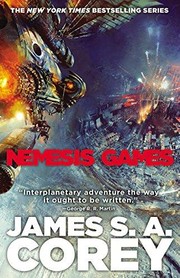
Nemesis Games
The Rocinante crew scatters across the solar system just as Marco Inaros and the Free Navy bombard Earth. The Expanse reaches its turning point.
2,506-word summary · 11 min read
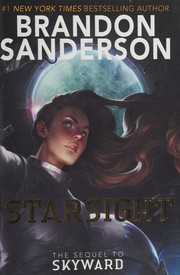
Starsight
Spensa Nightshade goes undercover aboard the Superiority space station Starsight to steal a hyperdrive, and finds a frightened bureaucracy where she expected…
2,568-word summary · 11 min read
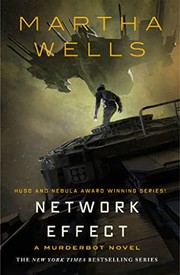
Network Effect
Murderbot's contract job turns into a rescue mission when a hijacked research ship and a colony of corrupted colonists appear.
2,256-word summary · 10 min read
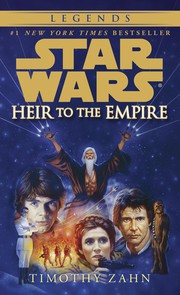
Heir to the Empire
Grand Admiral Thrawn returns from the Unknown Regions and outmaneuvers the New Republic while Luke, Leia, Han and smuggler Talon Karrde race him toward…
2,323-word summary · 10 min read
We Are Legion (We Are Bob)
A dead software engineer wakes up as a self-replicating space probe, clones himself into a squabbling fleet of Bobs, and tries to keep a ruined Earth alive.
2,357-word summary · 10 min read
Ancillary Justice
A ship mind trapped in one human body hunts the emperor who betrayed her across frozen worlds.
2,595-word summary · 12 min read
The Fall of Hyperion
Keats persona Severn dreams pilgrims to the Time Tombs as Hegemony falls and TechnoCore war breaks the farcasters.
2,115-word summary · 9 min read
Prelude to Foundation
A young Hari Seldon arrives on Trantor with a theory he cannot yet prove, and a hunt through the planet-city forces him to turn psychohistory into a real…
2,013-word summary · 9 min read
Carve the Mark
On a planet divided between conquered and conqueror, the tyrant's sister and a kidnapped oracle's son discover that their gifts make them useful to everyone…
2,340-word summary · 10 min read
Consider Phlebas
The first Culture novel follows a spy for the opposing side, a man hired to hunt a fugitive through a war between an anarchist post-scarcity utopia and a…
2,350-word summary · 10 min read
Saving the World and Other Extreme Sports
Max and the flock split in two to take down the lab behind their lives, one half in California and the other in Europe.
2,175-word summary · 10 min read
Saga, Volume 3
Marko, Alana, and Hazel hide on the planet Quietus with the reclusive author who inspired their romance, while assassins and a prince close in.
1,989-word summary · 9 min read
Out of the Silent Planet
A Cambridge philologist is kidnapped and taken to Mars, where the natives are civilized and the humans are the dangerous invaders.
2,612-word summary · 12 min read
Children of the Mind
Ender's children split across worlds as Jane faces shutdown and Lusitania flees.
2,532-word summary · 11 min read
Saga, Volume 2
Alana and Marko flee with baby Hazel while exes, princes, and ghosts close the net.
2,028-word summary · 9 min read
Exit Strategy
Murderbot returns to help its humans as corporate hunters close in and old friends risk all.
2,088-word summary · 9 min read
Seveneves
Stephenson 880-page William Morrow epic, May 2015: the Moon shatters, the Cloud Ark fails, seven women restart humanity, and heirs meet survivors on Earth.
2,389-word summary · 11 min read
School's Out - Forever
The bird kids try normal school under FBI guard until hunters crash class and chase them to Itex in Florida.
2,584-word summary · 11 min read
The Moon Is a Harsh Mistress
In 2076 Lunar colonists led by Mannie, Wyoh, Prof, and computer Mike revolt against Earth with rocks and rhetoric.
2,003-word summary · 9 min read
Rogue Protocol
Murderbot hunts GrayCris evidence on a dead colony world and befriends a trusting pet robot in this third Murderbot Diaries novella.
2,213-word summary · 10 min read
Ringworld
Bored Louis Wu joins alien crew to explore a vast ring habitat around a star.
2,370-word summary · 11 min read
Hell's Heart
Queer whalers hunt god-monsters over Jupiter in this bloody Moby Dick riff.
2,200-word summary · 10 min read
Morning Star
Broken in a box by the Jackal, Darrow rises with Howlers to open Mars mines to sky.
2,009-word summary · 9 min read
All Systems Red
A self aware security robot just wants soap operas, but its survey team keeps walking into corporate murder.
2,119-word summary · 9 min read
2001: A Space Odyssey
A black slab nudges apes to tools, calls Floyd to the Moon, and pulls Bowman past HAL toward Saturn and a strange rebirth.
2,982-word summary · 13 min read

Heretics of Dune
Fifteen centuries after Leto II, the Bene Gesserit raise a new Duncan Idaho while the Honored Matres return and Rakis burns.
2,673-word summary · 12 min read

Archenemies
Nova steals for the Anarchists while Adrian hides his Sentinel identity, and a serum that erases prodigy powers puts them both at risk.
2,485-word summary · 11 min read