
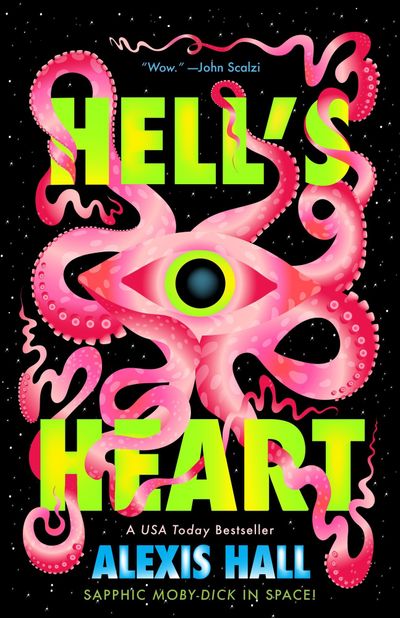
Hell's Heart
2,200-word summary 10 min read 450 pages in the book
- First published
- 2026
- Publisher
- Tor Books
- Pages
- 450
- ISBN
- 9781250394958
Reading options
What's inside (16 sections)
Come for the pitch, Gideon the Ninth meets Moby Dick in space, stay for whatever this fever dream actually is. Hall takes Melville's skeleton, hangs queer flesh on it, sets it over Jupiter, and narrates the whole bloody business in a voice that swings between poetry and filth, sometimes mid-sentence. I finished it unsure what I had read and certain I had fun.
The setup: Earth dead, domes on hostile worlds, fuel made from the minds of giant psychic space beasts. Our narrator signs onto a whaling ship hunting leviathans in Jupiter's atmosphere. The captain chases one monster past all reason. If you know Moby Dick, you know the shape. Hall keeps the shape and changes everything else.
I- signs on
The narrator calls herself I-, coy about names in ways the book explains and complicates. She joins the hunt fleeing debts that own her body and soul, medical creditors with legal claim to her flesh. Debt slavery as backstory gives every later risk a concrete price. She is not seeking meaning. She is outrunning ownership.
Her voice carries the book. Arch, horny, self-lacerating, funny about horror and horrible about herself. She addresses readers directly, lies to us, corrects herself, performs erudition and ignorance by turns. Readers who love strong voice will forgive a lot. Readers who need stable narration should brace themselves.
The crew assembles as a proper whaling motley translated to space: harpoonists, officers, fanatics, drifters. Hall peoples the ship fast with sharp thumbnail portraits. Everyone wants something incompatible with everyone else's wants. Confined quarters plus conflicting hungers equals pressure from page fifty onward.
Captain Ahab, revised
The captain, called A, chases the beast that maimed her past all restraint and reason. Hall keeps the monomania but genders and queers it, which changes the texture more than the structure. Ahab's authority always rested partly on patriarchal command. A commands differently: charisma, debt, shared damage. The crew follows damage they recognize.
A's wound drives everything. Where Melville gave us a stump and a whale, Hall gives layered trauma with physical and psychic dimensions. The captain's body and mind both carry the beast's mark. Her pursuit reads as self-harm on an industrial scale, funded by other people's lives. Sympathy and horror mix without settling.
Their dynamic with I- forms the twisted heart. Exploitation that feels like intimacy. Intimacy that functions as exploitation. The power gap never closes, which makes every tender moment queasy. Hall refuses to romanticize it, even while writing some genuinely moving scenes between predator and prey who keep swapping roles.
Q speaks Latin
Q, the harpoonist, steals every scene: cool, lethal, Latin-speaking, composed of angles and secrets. The Latin tic could have been unbearable. Instead it works as characterization, education as armor, antiquity as distance. Her competence anchors the book's action sequences, which need one steady professional amid chaos.
The I-Q relationship gives the book its only tenderness that is not transactional. Lovers, rivals, crewmates by turns. Their scenes together mix technical whaling talk with intellectual sparring and sudden softness. If the book has a love story rather than a desire story, it lives here in fragments.
Other crewmates flash by memorably: the cultist awaiting a hungry god, the engineer who loves machines more than people, the young recruit aging fast. Hall sketches a full ship's company in asides. A few deserved more page time, but the crowded canvas suits the whaling genre, where crews function as collective protagonists.
Leviathans over Jupiter
The worldbuilding swings big. Domes on killer worlds. Fuel from monster minds. Jupiter's red eye as hunting ground. Hall explains just enough and gestures at the rest. Readers who need hard SF rigor will bounce. Readers who accept whaling-ship logic, some things work because sailors say so, will sail along happily.
The hunt sequences deliver genuine spectacle. Harpoons versus psychic titans in gas-giant storms: the book stages action with visceral clarity. Blood, viscera, weather, screaming. Hall writes violence with gusto that sometimes tips into glee. The queasy comedy of it all, sperm jokes amid slaughter, keeps tone balanced on a knife's edge.
The cult subplot adds theological dread. A god that will devour the universe, prophets muttering quotations, true believers among the crew. Faith under lethal pressure reads as both comfort and accelerant. The book treats belief seriously while mocking its salesmen. That double vision gives the metaphysics surprising weight.
Structure as performance
Like Melville, Hall interrupts narrative with essays, scripts, lists, and direct addresses. Some chapters read as stage directions. Others as encyclopedia entries for things that do not exist. This structural play delights or infuriates depending on temperament. I mostly delighted, with one long technical passage testing my patience.
The unreliability compounds deliberately. I- warns us she lies, then lies, then confesses lies that might themselves be lies. Tracking truth becomes part of the game. Attentive readers get rewarded with a coherent account underneath. Casual readers get vibes and viscera. Both experiences seem intended.
The ending divides readers sharply. Bang and whimper together, climax and annex, satisfaction and dissatisfaction in one package. I found it thematically perfect and emotionally complicated, which matches the book. Those wanting clean triumph should adjust expectations. This voyage was never heading home.
Who boards
Queer SF readers first. Voice-driven readers who forgave similar tricks elsewhere. Moby Dick fans curious about a feral adaptation. Body-horror enjoyers with strong stomachs and stronger senses of humor. At 450 pages it moves fast for its density.
Content warnings matter here: gore, sex, death, debt slavery, self-destruction, cults. The book is explicit on every front and playful about most of it. That combination will thrill exactly its audience and repel everyone else. Know yourself before boarding.
Hall's swing-for-the-fences energy makes even the misses interesting. I would rather read a glorious mess with sentences like these than a tidy book with none. The heart is hellish. The ride rips.
After the voyage
What lingers is not plot but pressure: the feeling of living inside systems that eat people, whether whaling ships or medical debt markets. Hall's Jupiter stands in for every extractive machine that runs on bodies. The monsters have more dignity than the companies. That is satire with teeth marks.
I- survives changed in ways the book declines to moralize. Growth, damage, wisdom, scar tissue: all present, none labeled. Readers who need arcs with clear slopes may feel shorted. Readers comfortable with drift will find the portrait honest. People endure. Meaning accrues sideways.
For Hall fans, this is the weirdest and most ambitious book yet, wilder than the romances, bloodier than the fantasies. For newcomers, start here only if you like your fiction feral. Otherwise try the rom-coms first and work up to the space whales.
Either way, call me Ishmael has never sounded like this. Hall took the great American whale and launched it past Jupiter with queers at the harpoons. Literature is bigger for the trip. My stomach still has not recovered.
Melville, remixed hard
The adaptation goes deeper than character swaps. Hall takes Melville's structure seriously: the encyclopedic chapters, the shipboard democracy of shared danger, the captain's monomania as theological argument. Then queers every element. Prophecy becomes gossip. Hierarchy becomes negotiation. The white whale becomes something with opinions about being hunted.
Ishmael's famous opening line gets its twisted echo in I-'s coy self-naming. Call me whatever: identity as evasion rather than introduction. Where Ishmael observed, I- participates, implicates, enjoys. The shift from witness to accomplice changes the book's moral weather completely. No one aboard is innocent, least of all the narrator telling you so.
Queequeg finds echoes in Q, though the harpoonist here carries sharper edges and better Latin. The interracial friendship that grounded Melville becomes something knottier: desire, rivalry, debt, care braided too tight to separate. Hall understands that updating classics means complicating them, not just diversifying the cast photo.
The body bill
Few books make embodiment this central or this gross. Medical debt owns the narrator's flesh legally. The hunt risks it physically. Desire spends it freely. Every chapter tallies what bodies cost and who collects. Capitalism with the serial numbers filed off, then re-engraved larger.
The creditor plot deserves emphasis as more than backstory. Owning bodies is the book's literal premise and its governing metaphor. Crewmates signed different versions of the same deal. The captain's obsession reads partly as refusal to be property: if she kills the biggest thing alive, maybe she owns herself. Maybe. Probably not. She hunts anyway.
Sex throughout functions as both escape and accounting. Bodies used for pleasure amid bodies used for labor. Hall writes both registers without flinching, often in adjacent paragraphs. The tonal whiplash is intentional. Desire and exploitation share bunk space on this ship, sometimes the same bunk. Readers wanting clean lines between them should disembark early.
Cult of the hungry god
The devourer-god cult gives the book its theological horror layer. Prophets muttering quotations, true believers among cynical crew, rites that work just often enough to sustain faith. Hall treats belief as both understandable and terrifying. Hungry gods attract hungry people. The logic is airtight and awful.
Its prophet speaks in fragments that reward rereading. Cryptic utterances from early chapters gain meaning horribly late. Whether divine or deluded hardly matters to the plot's function. The cult moves pieces on the board regardless of its god's existence. Institutions run on momentum, not truth. A lesson for all eras.
The crew's divided responses map real religious sociology. True believers, ironic participants, hostile skeptics, the merely hungry: every stance appears and gets tested. Nobody converts anyone. Pressure reveals rather than persuades. By voyage's end, faiths have hardened along with arteries. Grace was never on this ship's manifest.
Tone: whiplash as method
The book's wildest feature may be its refusal of consistent tone. Sperm jokes beside body horror. Literary allusion beside slapstick. Erotica beside inventory lists. Readers experience seasickness as aesthetic strategy. Hall keeps everyone off balance because balanced people ask fewer interesting questions.
Sperm gets discussed with an enthusiasm that tests even sympathetic readers. Reproduction, waste, joke, sacrament: the book cycles through meanings without settling. Some passages read as pure provocation. Others achieve strange beauty. Telling which is which at any moment is part of the intended disorientation.
Fleabag comparisons from marketing undersell the darkness and oversell the charm. This is closer to early modern tragicomedy: clowns on a sinking stage, jokes that curdle mid-laugh. The humor does not relieve horror. It seasons it. Laughing makes the next shock land harder, and Hall knows exactly what she is doing to you.
Who survives it
Stamina varies by reader. Those who finished will relish the shared ordeal. Those who bailed will cite perfectly good reasons. Both responses are correct. Books this aggressive sort audiences efficiently. No middle ground exists by design.
For Hall completists, this sits farthest from the rom-coms and nearest the steampunk experiments in spirit, with the volume turned past tolerance. Growth as a writer is visible in sentence control and structural daring, even where taste falters. Ambition this large excuses much.
For Melville scholars, a playground and a provocation. Every borrowed plank invites comparison. Some comparisons flatter the original. Others indict it. All of them energize. Required reading for anyone teaching adaptation as argument rather than homage.
Weird, wet, brilliant, too much. Exactly as intended. The heart is hell and it beats loud.
Debt as engine
Reread the book with attention to who owes whom and a whole economy emerges. Medical creditors own bodies. Captains own crews through wages and threats. Lovers owe each other everything and nothing. Gods collect worship as payment for indifference. Every relationship runs a ledger, and Hall itemizes them all.
This economic vision gives the space opera unusual bite. Most such books treat money as background. Here debt drives plot at every level, from personal choices to ship courses. Characters cannot simply quit because quitting costs more than staying. Freedom has a price nobody aboard can pay. So they sail on.
The parallel to modern medical debt is deliberate and cutting. Bodies owned by billing departments is satire with almost no exaggeration built in. Readers in systems with healthcare debt will feel the premise in their bones. Readers without it should consider their luck a plot point the book denies its characters.
The Latin question
Q's Latin deserves its own appreciation. Dead language as living armor: education displayed as warning. Her classical tags punctuate violence with civilization's greatest hits. The effect is chilling and funny at once. Rome's empire rhymes with the company's, and Q knows it.
Whether her learning is genuine forms a quiet subplot. Drops precise enough to be real, deployed theatrically enough to doubt. Is she flaunting or testing? Both, probably. Intellectual display as dominance behavior among predators: academia meets apex predation. Scholars and whalers, it turns out, share tactics.
The classics framing also elevates the book's claim to Melville's lineage. Whaling, Latin, prophecy, doom: the old Yale syllabus launched toward Jupiter. Hall clearly knows the tradition she is exploding. The explosion reads as homage rather than dismissal. Love the canon enough to detonate it creatively.
FAQ
When was Hell's Heart published?
Tor Books published it in March 2026. The hardcover runs 450 pages with ISBN 9781250394958.
Is it part of a series?
No. It is a standalone science fiction novel.
Who sails in it?
The unnamed narrator I-, Captain A, Latin-speaking harpoonist Q, and the leviathans of Jupiter.
Similar books

Prelude to Foundation
A young Hari Seldon arrives on Trantor with a theory he cannot yet prove, and a hunt through the planet-city forces him to turn psychohistory into a real…
2,013-word summary · 9 min read

Starsight
Spensa Nightshade goes undercover aboard the Superiority space station Starsight to steal a hyperdrive, and finds a frightened bureaucracy where she expected…
2,568-word summary · 11 min read
Network Effect
Murderbot's contract job turns into a rescue mission when a hijacked research ship and a colony of corrupted colonists appear.
2,256-word summary · 10 min read

Out of the Silent Planet
A Cambridge philologist is kidnapped and taken to Mars, where the natives are civilized and the humans are the dangerous invaders.
2,612-word summary · 12 min read
We Are Legion (We Are Bob)
A dead software engineer wakes up as a self-replicating space probe, clones himself into a squabbling fleet of Bobs, and tries to keep a ruined Earth alive.
2,357-word summary · 10 min read
Children of the Mind
Ender's children split across worlds as Jane faces shutdown and Lusitania flees.
2,532-word summary · 11 min read
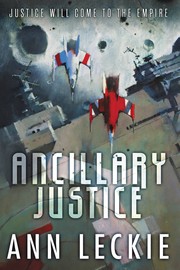
Ancillary Justice
A ship mind trapped in one human body hunts the emperor who betrayed her across frozen worlds.
2,595-word summary · 12 min read
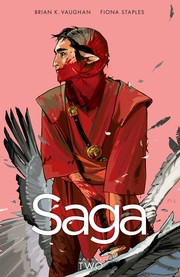
Saga, Volume 2
Alana and Marko flee with baby Hazel while exes, princes, and ghosts close the net.
2,028-word summary · 9 min read

Exit Strategy
Murderbot returns to help its humans as corporate hunters close in and old friends risk all.
2,088-word summary · 9 min read

Cibola Burn
Settlers and a company fight over a new world while Holden tries to stop a war.
2,011-word summary · 9 min read
Seveneves
Stephenson 880-page William Morrow epic, May 2015: the Moon shatters, the Cloud Ark fails, seven women restart humanity, and heirs meet survivors on Earth.
2,389-word summary · 11 min read

The Moon Is a Harsh Mistress
In 2076 Lunar colonists led by Mannie, Wyoh, Prof, and computer Mike revolt against Earth with rocks and rhetoric.
2,003-word summary · 9 min read
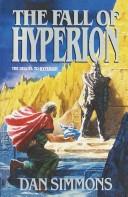
The Fall of Hyperion
Keats persona Severn dreams pilgrims to the Time Tombs as Hegemony falls and TechnoCore war breaks the farcasters.
2,115-word summary · 9 min read
Rogue Protocol
Murderbot hunts GrayCris evidence on a dead colony world and befriends a trusting pet robot in this third Murderbot Diaries novella.
2,213-word summary · 10 min read
Ringworld
Bored Louis Wu joins alien crew to explore a vast ring habitat around a star.
2,370-word summary · 11 min read
Caliban's War
Ganymede burns, Bobbie survives it, Avasarala curses through politics, and Prax hunts daughter Mei.
2,080-word summary · 9 min read

All Systems Red
A self aware security robot just wants soap operas, but its survey team keeps walking into corporate murder.
2,119-word summary · 9 min read

2001: A Space Odyssey
A black slab nudges apes to tools, calls Floyd to the Moon, and pulls Bowman past HAL toward Saturn and a strange rebirth.
2,982-word summary · 13 min read

Archenemies
Nova steals for the Anarchists while Adrian hides his Sentinel identity, and a serum that erases prodigy powers puts them both at risk.
2,485-word summary · 11 min read
James
Percival Everett retells Huckleberry Finn from Jim's side, giving him a library, a hidden school, and a voice the novel lets loose.
2,211-word summary · 10 min read

Carve the Mark
On a planet divided between conquered and conqueror, the tyrant's sister and a kidnapped oracle's son discover that their gifts make them useful to everyone…
2,340-word summary · 10 min read
Leviathan
In an alternate 1914, a prince on the run and a girl disguised as a soldier meet aboard a living airship.
2,406-word summary · 11 min read
Consider Phlebas
The first Culture novel follows a spy for the opposing side, a man hired to hunt a fugitive through a war between an anarchist post-scarcity utopia and a…
2,350-word summary · 10 min read

The Rose & the Dagger
Shahrzad is pulled from her Caliph husband and left in a desert camp of rebels, needing to break his curse and end a war before it ends her.
2,520-word summary · 11 min read
Saving the World and Other Extreme Sports
Max and the flock split in two to take down the lab behind their lives, one half in California and the other in Europe.
2,175-word summary · 10 min read
Heir to the Empire
Grand Admiral Thrawn returns from the Unknown Regions and outmaneuvers the New Republic while Luke, Leia, Han and smuggler Talon Karrde race him toward…
2,323-word summary · 10 min read
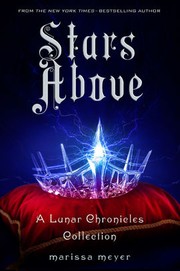
Stars Above: A Lunar Chronicles Collection
Nine Lunar Chronicles stories fill in the histories of Cinder, Wolf, Thorne, Cress, Winter, and Jacin, and end with a wedding after the war.
2,230-word summary · 10 min read
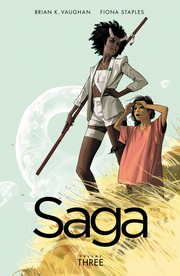
Saga, Volume 3
Marko, Alana, and Hazel hide on the planet Quietus with the reclusive author who inspired their romance, while assassins and a prince close in.
1,989-word summary · 9 min read
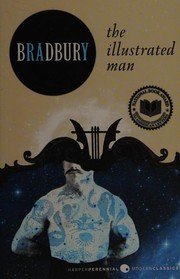
The Illustrated Man
A tattooed drifter's moving pictures retell eighteen Bradbury stories of children, rockets, Mars and the last night of the world.
2,791-word summary · 12 min read

Never Fade
Ruby, now a leader in the Children's League, must track down the boy whose memories she erased, because he holds the only proof of what caused the disease that…
2,188-word summary · 10 min read