
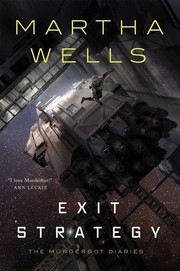
Exit Strategy
2,088-word summary 9 min read 176 pages in the book
- First published
- 2018
- Publisher
- Tordotcom
- Pages
- 176
- ISBN
- 9781250191854
- Series
- The Murderbot Diaries (#4)
Reading options
What's inside (8 sections)
I read the first three Murderbot novellas in a rush and came to this fourth one wanting a payoff, and it gives that while keeping the voice I like best in current science fiction. A security unit that hacked its own governor module calls itself Murderbot, loves serials, and hates eye contact, now heads back toward people who once treated it as a person. First published in 2018 by Tordotcom, at 176 pages in hardcover, it is fourth in The Murderbot Diaries after All Systems Red, Artificial Condition, and Rogue Protocol. You can start here in a pinch, but the weight lands harder if you know Dr. Mensah and PreservationAux.
Murderbot has spent three books running from the company that built it while gathering proof that GrayCris, a mining firm, killed to cover bad terraforming and alien remnant crimes. It cleared its name in pieces, helped strangers, and watched a lot of media to avoid talking about feelings. Now it learns Dr. Mensah, the survey leader who first trusted it, has been taken by GrayCris agents after pushing for an inquiry. Murderbot decides to return, though it claims the choice is threat math rather than care.
The rescue runs through stations, shuttles, and corporate lobbies where weapons are contracts and cameras. Old friends from earlier books reappear. New enemies with polite smiles try to own the story. Murderbot must act human enough to pass while staying machine enough to fight. That tension drives every chapter.
Where we left Murderbot
A quick catch up helps because this novella moves fast. In All Systems Red, Murderbot guarded a PreservationAux survey team, saved them from fauna and sabotage, and hid that it was free. In Artificial Condition, it rode with a research transport called ART, faced its past massacre, and learned it had been forced to kill by hacked orders. In Rogue Protocol, it protected another survey group and sent evidence to Dr. Mensah through back channels.
By the start of Exit Strategy, evidence is out but slow. Corporations stall inquiries with lawyers. GrayCris grabs Mensah to stop testimony and to lure Murderbot, which they suspect holds missing data. Murderbot hears through news feeds and a message from ART, which is worried in its dry ship way. It books passage under false IDs, packs drones, and rehearses lies it hates telling.
The voice stays wry and tired. Murderbot narrates in first person with dry asides about humans who make small talk during crises. It counts exits, tracks cameras, and rates shows it downloads in station queues. That humor keeps a dark plot light enough to read in one sitting. New readers get enough context through brief recalls, though names may blur. Mensah is the kind leader. Bharadwaj is the scientist who likes food. Pin-Lee is the lawyer who argues fast. Ratthi is the friendly one who talks too much. Gurathin is the augmented human who distrusted Murderbot and now respects it.
I like how WellsOHN recaps without info dumps. A line about a scar, a joke about a show, and you remember. If you have not read earlier books, you will still follow the rescue, but you will miss why a hand on a shoulder makes Murderbot freeze. Read the series in order when you can. At under two hundred pages each, the first three go quick.
Back toward Preservation
Murderbot hates returning because Preservation is the one place where people expect it to stay and feel. The station is clean, lawful, and kind in ways that embarrass it. People ask about its plans. They offer work with pay and rest. Murderbot wants to drop files and leave before anyone thanks it. It tells itself it owes a debt and debts can be paid.
Travel chapters show corporate space at its most boring and scary. Waiting halls with ads for indenture. Security checks that scan for rogue units. Fellow passengers who chat to pass time. Murderbot wears human clothes that itch, keeps its face neutral, and watches feeds for GrayCris tails. It befriends no one, then helps a kid find a lost bag and hates that it cares.
ART helps from afar with schedules and maps, sending messages that read like a worried friend pretending to be a timetable. Their bond, built in book two, is one of the series best relationships. A huge research ship and a small killer unit trade show recommendations while planning crimes against worse criminals. That warmth undercuts Murderbot's claim to be only logic.
Arrival brings a tight reunion. PreservationAux members are glad and scared to see it. Mensah is missing, taken during a trip to a corporate hub. The team argues about ransom, law, and going to press. Murderbot listens from corners and corrects their security in blunt lines. It does not say it missed them. It checks their locks, which is the same thing in its language.
These pages work because kindness is awkward on both sides. Humans do not know whether to hug a construct. Murderbot does not know where to stand in rooms without a post to guard. Wells lets silence sit rather than filling it with speeches. That restraint makes later action feel earned.
GrayCris and the trap
GrayCris is not a cackling villain. It is a firm with lawyers, budgets, and a security arm that treats murder as risk management. It seized Mensah on a pretext during transit, holding her in a corporate hostel with guards and monitors. It wants her to sign statements, drop the inquiry, and hand over data sources. It also wants Murderbot, which it suspects carries hub system logs.
The trap is legal as much as physical. GrayCris files claims, buys station time, and hires local security with clean uniforms. It offers deals that sound reasonable if you ignore guns in hallways. Pin-Lee sees through language fast. She explains what each clause steals. Those lawyer scenes give the novella brains to match fights. Paper can hold as tightly as cuffs.
Murderbot studies the hostel like a puzzle. Shift changes, camera blind spots, food deliveries. It plants drones, borrows IDs, and tests responses with small alarms. It also watches Mensah through feeds when possible. She is tired but steady, refusing to sign while asking for a doctor for another detainee. That stubborn care is why Murderbot came back, though it will not say so.
Other corps circle. Station authority wants quiet. News services want leaks. A rival firm offers help for a price. Murderbot navigates these by lying badly and fighting well. It pretends to be a human consultant, fails at small talk, and succeeds at spotting tails. Humans cover its gaps with chatter. Gurathin, once hostile, vouches in a way that costs him pride. That turn lands because book one earned it.
The plan that forms is simple to state and hard to do. Get inside, get Mensah, get out with proof intact, without getting the team arrested. Simple plans break on people, which Murderbot knows. It packs extra power, extra lies, and one show episode it has not finished, in case there is time after. There will not be.
The rescue and what it costs
Without spoiling beats, the middle rescue runs on misdirection and speed. A fake meeting pulls guards. A drone loops a camera. A lawyer files at the right minute to freeze a door. Murderbot walks where it should not, smiles when it should not, and then stops smiling. Fights are short, brutal, and tactical. It targets joints and guns, shields humans with its body, and counts ammo while insulting itself for caring.
Mensah and Murderbot scenes carry the book. She is hurt, angry at being used as bait, and relieved to see it. She thanks it directly, which it deflects with status reports. She asks about its wound, which it minimizes. They argue about who risks for whom. That argument is love in work clothes. No hugs fix it. Shared danger does.
PreservationAux helps more than in book one. Ratthi talks fast to distract a desk. Bharadwaj carries bags that hide gear. Pin-Lee shouts law at guns and buys seconds. Gurathin watches Murderbot's back without flinching. The team moves like people who have practiced being brave together. Murderbot notices and files the feeling under threat assessment to avoid naming it.
Costs land. Drones die. A safe house burns. A friendly official loses a job for looking away. Murderbot takes hits that crack plates and require later repair it cannot afford. It hides damage to keep humans calm, then almost fails at a stairs. That limit matters. It is strong but not endless, and GrayCris has endless staff. Winning means leaving with enough proof, not beating everyone.
The escape uses public space well. Crowds, news cameras, and station law make GrayCris hesitate to shoot openly. Murderbot uses witnesses as shields, which feels clever rather than cruel because it warns its team first. A last chase through docks mixes shouting, slipping, and a door held by faith and a drone. I read those pages standing, which is silly and true.
Why it works as an ending and a door
Exit Strategy closes the GrayCris arc while leaving Murderbot open. Evidence reaches hands that can use it. Mensah lives to testify. The team owes and is owed. Murderbot earns a kind of legal standing without becoming property again. It chooses to keep traveling with ART rather than settle, which fits a being that learned freedom but not home.
Themes land without lectures. Personhood is shown in choices, not speeches. A unit that could leave chooses to return. Humans who could hide choose to testify. Corporations that could settle choose to hunt. Each choice has a receipt. Wells trusts readers to add them up. That trust respects both genre fans and newcomers to ethics talk.
The brevity helps. At 176 pages, there is no filler mission or love triangle to pad. Every scene moves rescue or reveals care. Some readers may want more station life or more ART banter. I wanted one more quiet dinner where no one is bleeding. But the speed suits Murderbot, which processes feelings by moving. Longer would dilute the voice.
Fair criticism: new readers will feel dropped in. Names, corps, and past massacres get quick glosses that may not stick. Action relies on tech established earlier, like drones and feeds, which Wells explains lightly here. If you start here and feel lost, pause and read All Systems Red first. The reward for order is large for little extra time.
As fourth in The Murderbot Diaries, with the first three on this site under Martha Wells, this is the arc finale many series fumble and here it holds. Read in order for full ache. At 176 pages it asks an evening and gives back a rescue, a reckoning, and a construct learning to accept thanks without running. I finished it and immediately rewatched my favorite show in my head, which is exactly what Murderbot would do.
Reading order and who should start where
If you are new, read All Systems Red first for the team bond, then Artificial Condition for ART and past trauma, then Rogue Protocol for proof gathering, then this. Each novella runs under 200 pages, so the full arc costs less time than one long novel and pays more in character growth. Libraries carry them widely in print and audio, and the audio narration suits Murderbot's dry voice.
Start here only if you must for a club or gift. You will follow the rescue because Wells stages action clearly. You will miss why Gurathin's trust matters and why ART's messages ache. A quick skim of summaries for books one to three helps, though spoilers soften surprises. Better to delay a week and read in order than to rush the finale cold.
Fans of cozy science fiction with teeth will like Preservation culture. It is lawful and kind without being naive. People argue, file forms, and still show up for each other. Readers who prefer grim military tales may find it soft, but GrayCris keeps stakes lethal. The mix of kindness and danger is the series signature, and this book balances it best.
Give the novella room after finishing. Sit with the last choice to keep moving rather than settle. It reads as freedom and fear together, which feels honest for anyone leaving a safe place that loves them. Murderbot does not solve belonging here. It agrees to keep trying, with better tools and worse jokes. That is enough for now.
FAQ
When was Exit Strategy published?
Tordotcom published Exit Strategy in 2018. The hardcover runs 176 pages and is fourth in The Murderbot Diaries.
Is it part of a series?
Yes. It follows All Systems Red, Artificial Condition, and Rogue Protocol. Murderbot faces GrayCris and reunites with Dr. Mensah and PreservationAux.
Similar books
More from The Murderbot Diaries first, then related titles.
All Systems Red
A self aware security robot just wants soap operas, but its survey team keeps walking into corporate murder.
2,119-word summary · 9 min read
Artificial Condition
Murderbot seeks truth about a massacre with bossy ship ART, finding friendship and trouble.
2,068-word summary · 9 min read
Rogue Protocol
Murderbot hunts GrayCris evidence on a dead colony world and befriends a trusting pet robot in this third Murderbot Diaries novella.
2,213-word summary · 10 min read
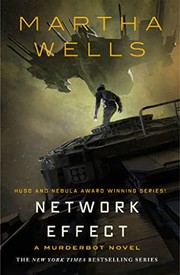
Network Effect
Murderbot's contract job turns into a rescue mission when a hijacked research ship and a colony of corrupted colonists appear.
2,256-word summary · 10 min read
We Are Legion (We Are Bob)
A dead software engineer wakes up as a self-replicating space probe, clones himself into a squabbling fleet of Bobs, and tries to keep a ruined Earth alive.
2,357-word summary · 10 min read
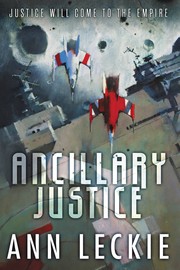
Ancillary Justice
A ship mind trapped in one human body hunts the emperor who betrayed her across frozen worlds.
2,595-word summary · 12 min read

Prelude to Foundation
A young Hari Seldon arrives on Trantor with a theory he cannot yet prove, and a hunt through the planet-city forces him to turn psychohistory into a real…
2,013-word summary · 9 min read
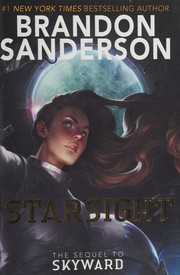
Starsight
Spensa Nightshade goes undercover aboard the Superiority space station Starsight to steal a hyperdrive, and finds a frightened bureaucracy where she expected…
2,568-word summary · 11 min read

Out of the Silent Planet
A Cambridge philologist is kidnapped and taken to Mars, where the natives are civilized and the humans are the dangerous invaders.
2,612-word summary · 12 min read
Children of the Mind
Ender's children split across worlds as Jane faces shutdown and Lusitania flees.
2,532-word summary · 11 min read
Saga, Volume 2
Alana and Marko flee with baby Hazel while exes, princes, and ghosts close the net.
2,028-word summary · 9 min read

Cibola Burn
Settlers and a company fight over a new world while Holden tries to stop a war.
2,011-word summary · 9 min read
Seveneves
Stephenson 880-page William Morrow epic, May 2015: the Moon shatters, the Cloud Ark fails, seven women restart humanity, and heirs meet survivors on Earth.
2,389-word summary · 11 min read

The Moon Is a Harsh Mistress
In 2076 Lunar colonists led by Mannie, Wyoh, Prof, and computer Mike revolt against Earth with rocks and rhetoric.
2,003-word summary · 9 min read
The Fall of Hyperion
Keats persona Severn dreams pilgrims to the Time Tombs as Hegemony falls and TechnoCore war breaks the farcasters.
2,115-word summary · 9 min read
Ringworld
Bored Louis Wu joins alien crew to explore a vast ring habitat around a star.
2,370-word summary · 11 min read

Hell's Heart
Queer whalers hunt god-monsters over Jupiter in this bloody Moby Dick riff.
2,200-word summary · 10 min read
Illuminae
Exes flee invasion on ships with rogue AI, told in chats and files.
1,959-word summary · 9 min read

Caliban's War
Ganymede burns, Bobbie survives it, Avasarala curses through politics, and Prax hunts daughter Mei.
2,080-word summary · 9 min read
2001: A Space Odyssey
A black slab nudges apes to tools, calls Floyd to the Moon, and pulls Bowman past HAL toward Saturn and a strange rebirth.
2,982-word summary · 13 min read

Archenemies
Nova steals for the Anarchists while Adrian hides his Sentinel identity, and a serum that erases prodigy powers puts them both at risk.
2,485-word summary · 11 min read

Carve the Mark
On a planet divided between conquered and conqueror, the tyrant's sister and a kidnapped oracle's son discover that their gifts make them useful to everyone…
2,340-word summary · 10 min read
Leviathan
In an alternate 1914, a prince on the run and a girl disguised as a soldier meet aboard a living airship.
2,406-word summary · 11 min read
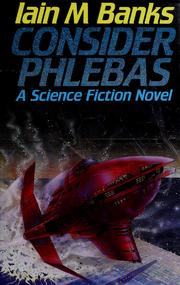
Consider Phlebas
The first Culture novel follows a spy for the opposing side, a man hired to hunt a fugitive through a war between an anarchist post-scarcity utopia and a…
2,350-word summary · 10 min read
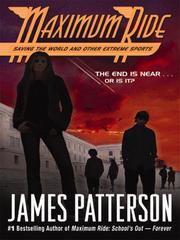
Saving the World and Other Extreme Sports
Max and the flock split in two to take down the lab behind their lives, one half in California and the other in Europe.
2,175-word summary · 10 min read
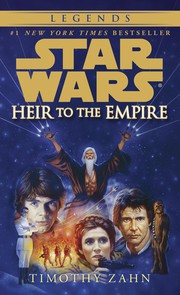
Heir to the Empire
Grand Admiral Thrawn returns from the Unknown Regions and outmaneuvers the New Republic while Luke, Leia, Han and smuggler Talon Karrde race him toward…
2,323-word summary · 10 min read
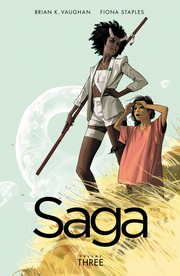
Saga, Volume 3
Marko, Alana, and Hazel hide on the planet Quietus with the reclusive author who inspired their romance, while assassins and a prince close in.
1,989-word summary · 9 min read
Exhalation
Ted Chiang's second collection contains nine stories about time, memory, free will, and artificial minds, told with clarity and moral seriousness.
2,075-word summary · 9 min read
The Illustrated Man
A tattooed drifter's moving pictures retell eighteen Bradbury stories of children, rockets, Mars and the last night of the world.
2,791-word summary · 12 min read

Never Fade
Ruby, now a leader in the Children's League, must track down the boy whose memories she erased, because he holds the only proof of what caused the disease that…
2,188-word summary · 10 min read