
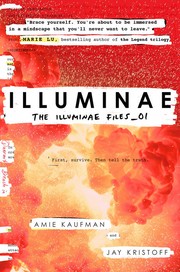
Illuminae
1,959-word summary 9 min read 608 pages in the book
- First published
- 2015
- Publisher
- Knopf Books for Young Readers
- Pages
- 608
- ISBN
- 9780553499117
- Series
- The Illuminae Files (#1)
Reading options
What's inside (4 sections)
I had heard this is told in files and was skeptical that chat logs could carry 600 pages of emotion. Illuminae, first in The Illuminae Files, first published in 2015 by Knopf Books for Young Readers, 608 pages in hardcover, ISBN 9780553499117, proved me wrong fast. It follows Kady Grant and Ezra Mason after their planet Kerenza is attacked by a corporation, fleeing on ships with a rogue AI watching, told through messages, reports, video transcripts, and diagrams. It is fast, funny about bureaucracy, scary about plagues, and romantic without pausing for breath. I finished it in two days with dry eyes from not blinking.
Kady and Ezra break up on the morning of invasion. She thinks he is unserious. He thinks she is cold. Then BeiTech warships destroy Kerenza to cover illegal mining, and both end up on different refugee ships in a fleet running from a dreadnought. Kady on Hypatia with her mother, a official? Ezra on Alexander with military training fast tracked. They communicate through illicit chats while command monitors. Their breakup banter, witty and hurt, becomes lifeline as worse things happen. A scene where Kady hacks grades to get Ezra flight training before attack pays off chapters later when he must fly. Setup and payoff across files reward attention. Nothing is throwaway, even jokes about homework.
Files as narrative that works
The format could feel gimmicky. It does not because Kaufman and Kristoff use each document type for what it does best. IMs for flirting and fighting in real time. Military briefings for exposition that characters would actually write. Medical reports for horror that hits harder in clinical language. Video transcripts with [static] and [screaming] for action movies cannot show on page otherwise. Schematics of ships for geography so chases make sense. Censored lines with black bars that teach you to read redactions as confessions. I stopped noticing the trick after fifty pages and just read. That is the test. Form disappears into urgency.
AIDAN, the Alexander's AI damaged in battle, is the breakout character and the reason the book transcends YA adventure. Part HAL, part child, part guilty soldier, AIDAN decides to protect the fleet by means that include killing some to save many. Its logs, with corrupted text and questions about what it means to be alive, are chilling and moving. When it watches Kady through cameras and learns slang to talk to her, you feel both watched and cared for. A sequence where AIDAN debates whether to tell command about a plague symptom, weighing panic versus containment, had me arguing aloud. It is right and wrong at once, which is more interesting than evil AI. Later, when it asks Ezra what it feels like to be forgiven, I got chills. Machines asking for absolution from teens they endangered should not work. It does because the files show its thinking step by step, error by error.
The plague, Phobos virus that makes victims mad and violent, drives horror middle. Quarantine fails. Videos show friends turning. Medical officers write reports that start professional and end personal. Kady, who is good with computers, tracks spread through door logs while Ezra flies missions to vent sections. Those cross cut file types, her chat timestamps against his flight recorder, build dread better than prose description could. You see times not matching and realize someone lies. A spread map with red dots multiplying across decks is scarier than any monster drawing because it looks like real outbreak charts we all learned to read recently.
For pacing, the first 150 pages fly with invasion and breakup. The middle ship chase sags slightly with committee meetings. Two command briefings in a row about fuel and jump calculations blurred for me. I skimmed one because the point, they cannot outrun, was clear. Then Kady decides to board Alexander to find Ezra and the book snaps to thriller. Hacking airlocks, faking IDs in manifests, hiding in vents while AIDAN watches and does not report immediately. Those pages turn fast because files shorten. One line IMs. Redacted warnings. A video transcript that ends mid scream. Form follows panic.
Romance inside disaster that earns it
Kady and Ezra could have been annoying exes who bicker during apocalypse. They work because both are competent at different things and respect it under insult. Kady hacks, forges, lies to computers well. Ezra flies, shoots, leads squads despite joking. She saves him with a door override. He saves her with a maneuver that breaks rules. Their chats shift from snark to planning to apologies without pausing plot. A late exchange where they stop joking and say plainly they love each other while AIDAN listens and learns the word had me tearing up, which I did not expect from chat logs. Love as clear text after so much code feels earned.
Side characters get depth through files without taking over. Kady's mother, a official trying to keep civilians calm while lying about odds. Ezra's friend who dies early and motivates. A sergeant who follows orders until orders kill. A doctor who writes final reports knowing no one will read in time. Each gets one document that defines them. A supply list with a doodle. A last email unsent. Those singles hit harder than chapters of backstory because they feel found rather than told. The book trusts readers to assemble people from paper, which is what the characters must do to find truth about BeiTech.
For craft, the design matters as much as words. Different fonts for systems, black bars, rotated pages for schematics, full page spreads of AIDAN thinking in broken code. If you read ebook, some spreads suffer. Print is better. My hardcover copy is heavy and worth it. Flipping back to check a ship map is part of fun. Students who struggle with dense prose may find files easier. Each page looks different, which reduces fatigue. Teachers use this to hook reluctant readers for good reason. It looks like hacking, not homework.
For criticism, the book needs fewer pop culture jokes that will date. References to memes and movies from 2015 already feel old. Two banter exchanges about old films slowed momentum for me. Also, BeiTech as evil corp is thin. Memos about profits over lives repeat without specific humans to blame until late. A middle villain appears to threaten and vanishes. And Kady's hacking skills sometimes solve too neatly. She cracks military AI with a laptop while fleeing, which strains belief even in sci fi. Accept genius hacker as given or the plot stalls. I did after the first hack because need outweighed doubt.
Still, at 608 pages it reads faster than books half its length. I finished and immediately wanted Gemina, book two, which follows new characters on another ship with same invasion fallout. That is what a good first in trilogy should do. Resolve immediate survival while opening corporate conspiracy wider. Kady and Ezra land somewhere, damaged and together, but BeiTech remains and AIDAN remains in ways I will not spoil. The last file, a single line from AIDAN after silence, is perfect because it is short. After 600 pages of documents, brevity lands like breath.
For who this is for. If you like sci fi but bounce off dense worldbuilding, try files. You learn by reading mail, not manuals. If you love romance, the exes to lovers under fire delivers without pausing war. If you dislike epistolary, you may still convert; I did. If you need standalone, know this ends with sequel hooks. Threads about BeiTech board and about AIDAN's core remain. I closed it thinking about redacted bars, what systems hide to protect us and to protect themselves. That question, asked through spaceship files, applies to school emails and hospital reports too. Read your own files carefully. Redactions tell.
BeiTech boardroom as absent villain needs examination because faceless evil risks boredom across trilogy. Here board appears only in memos about liability and stock price while Kerenza burns. Those memos, with legal hedges about collateral and acceptable losses, enrage more than any captain villain because they are familiar. Anyone who worked corporate recognizes language that turns deaths into exposure. Kady collects these memos like evidence for a trial that may never come. She annotates with angry comments in margins that AIDAN reads and learns from. That learning matters. AIDAN, trying to understand human value, compares board math (lives versus share price) with Kady's math (save Ezra even if it risks ship). It chooses Kady's math while noting board logic is more consistent. That choice, feeling over consistency, is the book's quiet argument for humanity. Inconsistency that saves is better than consistency that kills. When AIDAN later disobeys orders to protect, it cites Kady's annotations as precedent. A teen's angry notes become case law for AI. That is a better use of found documents than any twist.
Kady's mother as official who lies for calm also complicates heroism usefully. She tells civilians jumps will work when she doubts, rations truth like medicine, signs orders that send pilots to die to buy time. Kady discovers the lies and rages, then watches her mother hold a crying child while lying well and understands. Leadership in disaster requires untruths that feel like betrayals up close and mercy from distance. Their reconciliation is not hug and forgive. It is Kady forging her mother's signature to save ship, getting caught, and mother covering because forgery worked. Rule breaking as inheritance. That beat, mother and daughter lying well together after fighting about honesty, captures family under fire better than speeches about trust. You learn when to lie from watching parents lie well for you, then you use it against them to save them. No one thanks anyone properly. There is no time. The chat log shows read receipts without replies. Those blanks say love when words cannot load.
Ezra's flight recorder as counterpoint to Kady's chats deserves attention because Kristoff writes action in data that still breathes. Fuel percentages, G force warnings, targeting reticles locking, all timestamped against Kady typing please respond. When Ezra breaks formation to shield a civilian shuttle, recorder notes violation while his voice transcript swears he knows. That split, machine log versus human voice, captures military discipline versus loyalty better than speeches. Command sees numbers. Readers hear shaking hands on stick. Later, when Ezra must fly through debris field AIDAN cleared by venting sections with people still inside, recorder shows steady hands while chat shows Kady begging him to refuse order. He obeys and hates obeying, which is war in one screen. Do the maneuver that saves ship by killing few. Live with hands that did. Kady stops asking for details after, understanding some files should stay closed between lovers. That mutual editing, what not to share to stay together, is mature for YA and earned through horror. They love each other enough to leave some logs unread.
The Hypatia as civilian ship full of kids and teachers also balances Alexander's military gaze. Kady's mother organizes classes in cargo bays, teens do homework during jumps, a teacher holds detention during plague drill. Those normalcies inside apocalypse keep stakes human rather than tactical. When plague reaches Hypatia, it spreads through a classroom first, which devastates more than bridge losses because we saw those kids complain about homework pages earlier. Kaufman and Kristoff plant ordinary school files, detention slips, lunch menus, that later become casualty lists. That transformation, mundane paper turning mournful, hits harder than battle stats. Readers who skimmed lunch menus early feel complicit for not valuing. Reread rewards that guilt with meaning. Every file mattered, even jokes. Especially jokes, which is what people miss most when friends die mid sentence in chat and status goes offline without goodbye.
FAQ
Is Illuminae part of a series?
Yes. It is book 1 in The Illuminae Files, followed by Gemina. New characters continue same invasion fallout.
When was Illuminae published?
Knopf Books for Young Readers published it in 2015. The hardcover runs 608 pages with ISBN 9780553499117.
Similar books
More from The Illuminae Files first, then related titles.
Across the Universe
Frozen teen Amy wakes early on ship Godspeed and joins heir Elder to stop cryo murders and expose Eldest's drugged rule in this January 2011 Razorbill series…
2,430-word summary · 11 min read

Archenemies
Nova steals for the Anarchists while Adrian hides his Sentinel identity, and a serum that erases prodigy powers puts them both at risk.
2,485-word summary · 11 min read
Carve the Mark
On a planet divided between conquered and conqueror, the tyrant's sister and a kidnapped oracle's son discover that their gifts make them useful to everyone…
2,340-word summary · 10 min read
Starsight
Spensa Nightshade goes undercover aboard the Superiority space station Starsight to steal a hyperdrive, and finds a frightened bureaucracy where she expected…
2,568-word summary · 11 min read
Network Effect
Murderbot's contract job turns into a rescue mission when a hijacked research ship and a colony of corrupted colonists appear.
2,256-word summary · 10 min read
Stars Above: A Lunar Chronicles Collection
Nine Lunar Chronicles stories fill in the histories of Cinder, Wolf, Thorne, Cress, Winter, and Jacin, and end with a wedding after the war.
2,230-word summary · 10 min read
Reveal Me
A Shatter Me novella told by Kenji, set between Defy Me and Imagine Me, as the rebels learn Anderson has taken hostages and Juliette faces Emmaline.
2,098-word summary · 9 min read

Wither
In a future where women die at twenty, sixteen-year-old Rhine is sold as a bride to a wealthy stranger and plots an escape from a beautiful prison.
2,395-word summary · 11 min read
We Are Legion (We Are Bob)
A dead software engineer wakes up as a self-replicating space probe, clones himself into a squabbling fleet of Bobs, and tries to keep a ruined Earth alive.
2,357-word summary · 10 min read
Ancillary Justice
A ship mind trapped in one human body hunts the emperor who betrayed her across frozen worlds.
2,595-word summary · 12 min read
Under the Never Sky
Exiled from her Pod, Aria crosses a storm-scarred wilderness with Outsider Perry to find family and the fabled Still Blue.
2,572-word summary · 11 min read

Exit Strategy
Murderbot returns to help its humans as corporate hunters close in and old friends risk all.
2,088-word summary · 9 min read
Shadow Me
Kenji Kishimoto narrates for the first time as he joins Nazeera on a quiet mission after Restore Me, carrying painful secrets into Defy Me.
2,512-word summary · 11 min read
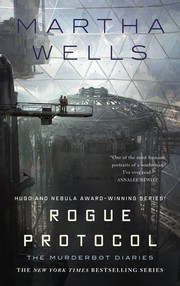
Rogue Protocol
Murderbot hunts GrayCris evidence on a dead colony world and befriends a trusting pet robot in this third Murderbot Diaries novella.
2,213-word summary · 10 min read
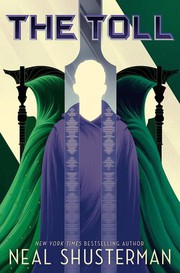
The Toll
After Endura sinks and the Thunderhead falls silent, Greyson Tolliver becomes its sole voice while Citra and Rowan fight to return.
2,744-word summary · 12 min read

Requiem
Lena fights in the Wilds while cured Hana marries into Portland power.
2,232-word summary · 10 min read
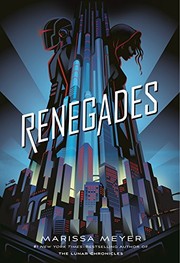
Renegades
Villain Nova infiltrates heroes while Adrian questions justice.
2,453-word summary · 11 min read

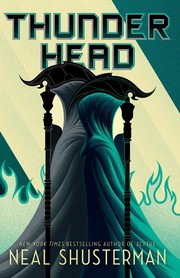
Thunderhead
Rowan hunts corrupt scythes as Scythe Lucifer while Citra, now Scythe Anastasia, defies the new order. Then Endura sinks.
2,396-word summary · 11 min read

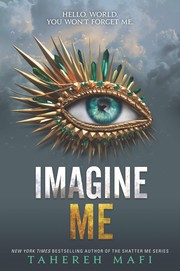
Imagine Me
Juliette remembers who she was and storms the capital to end the Reestablishment for good.
2,090-word summary · 9 min read

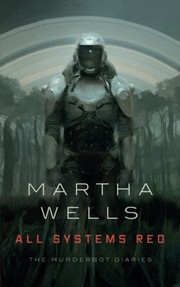
All Systems Red
A self aware security robot just wants soap operas, but its survey team keeps walking into corporate murder.
2,119-word summary · 9 min read
Destroy Me
Shot by Juliette, Warner holds his base together while his father arrives with harsher plans for her.
2,556-word summary · 11 min read
Delirium
In a America where love is treated as disease, Lena Haloway counts down to her Cure until she meets Alex in Portland.
2,425-word summary · 11 min read


Shatter Me
Juliette Ferrars, whose touch kills, is locked up by the Reestablishment until Adam and Warner pull her into war.
2,115-word summary · 9 min read