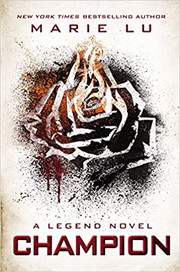
Champion
2,044-word summary 9 min read 384 pages in the book
- First published
- 2013
- Publisher
- G.P. Putnam's Sons
- Pages
- 384
- ISBN
- 9780399256776
- Series
- Legend (#3)
Reading options
What's inside (12 sections)
I read Champion right after Prodigy with a headache from crying, which is the correct way. Marie Lu published it with G.P. Putnam's Sons in 2013, a 384 page finale to the Legend series with ISBN 9780399256776. June Iparis, now working for the new Elector Anden, and Day, dying from a head wound the Republic gave him, are pulled together by plague and war. The Republic teeters. The Colonies invade. A cure exists but costs what neither wants to pay. The book alternates their voices to the end. Sharp, fast, romantic without ever forgetting the body count. Young adult dystopia at its most competent.
Day opens hiding. Famous as the Republic most wanted turned hero, he suffers headaches, seizures, and memory gaps from an experimental surgery. Doctors give him months. He lives with his brother Eden, twelve and angry, in a safe house, refusing treatment that would require trusting the state that killed his family. June serves Anden as Princept Elect, training troops, negotiating with Congress, and visiting Day in secret. Their relationship is strained by roles. She governs. He distrusts government on principle. Both are right. Lu lets them argue without making either foolish. Love here is not rescue. It is two tired teens trying to serve people who need them in incompatible ways.
Plague and Eden
The plague returns as both weapon and bargain. A new strain spreads in slums. The Republic lacks a cure. The Colonies offer one in exchange for land and June. Eden, Day brother, carries antibodies from Republic experiments that could seed a cure, but harvesting them may kill him. Day refuses. June understands refusal and also counts the dying. Their conflict is the book moral core and Lu stages it without easy outs. Meetings with doctors who hedge. Numbers that rise daily. Eden asking why his life matters more than other children. Anden asking June to persuade Day for the greater good. No villain monologue. Just math that hurts. Young readers get a real trolley problem with faces they love on every track.
Anden is better here than in Prodigy. Young, idealistic, overwhelmed, he wants to be a good Elector after his father tyranny. He trusts June because she tells truth when others flatter. He fears Day popularity because it threatens fragile order. He offers Day treatment, rank, and pardon in exchange for public support. Day distrusts every word from experience. Their triangle is political rather than romantic. Two boys who need June for different legitimacies. June chooses the Republic over Day comfort more than once, and Lu lets that choice ache. Governing well sometimes means betraying love quietly. That honesty lifts the book above romance first finales.
War
The Colonies invasion forces the Republic and its heroes into open war. Commander Jameson, who tortured June and Day, returns with fleet tactics and no mercy. Battles are clear and quick. Harbor mines. Airship duels. Street fighting in Los Angeles ruins. Lu writes action in short paragraphs that never confuse. Day, despite illness, flies missions because no one else can. June commands ground teams while counting Eden fever spikes. Chapters alternate to keep both fronts alive. Deaths matter because side characters earned names across three books. Tess. Pascal. A medic who jokes about Day fame. When they fall, the book pauses just long enough. No cannon fodder. People.
Day illness worsens under stress. Seizures mid flight. Vision loss. Forgetting Eden birthday. Mafi? No, Lu writes decline without melodrama. He hides symptoms to keep flying, which frustrates June and readers in the right way. His pride is both heroic and selfish. He wants to die useful rather than fade in a hospital. June wants him alive more than useful. Their fights about treatment repeat because neither is wrong. That repetition is the point of loving someone dying. Same talk. Same fear. Same choice to stay.
The choice and the years
Without detailing the final pages beat by beat, the cure requires a price Day refuses to let Eden pay, and June must broker an alternative that risks the war. She succeeds through a bargain with the Colonies that trades her future for medicine. It works and costs her position, reputation, and daily contact with Day. Day survives surgery with memory damaged. He forgets June. Not all of her. Enough that love becomes history he is told rather than felt. Lu jumps years ahead to a reunion in a changed Republic. June finds Day living quietly with Eden, healthy, anonymous. She introduces herself. He feels something without naming it. They walk together toward maybe. It is the bravest ending in YA dystopia of its era. No wedding. No throne. Just possibility after sacrifice.
That amnesia choice divided fans. Some wanted earned happiness after three books of pain. Lu gives almost happiness with work required. I defend it. Day dying would have been tragic but conventional. Day forgetting forces June to love without being loved back in the same way, which tests the series theme. Loyalty beyond benefit. It also respects brain injury reality. Surgery has costs. Memory does not return on cue because love demands it. The final walk satisfies because both choose to try without guarantees. Hope as practice rather than prize.
What works and what strains
What works is pace and politics. At 384 pages with alternating voices, the book never stalls. War, plague, and romance interleave so each chapter changes stakes. June chapters strategize. Day chapters feel. That rhythm keeps younger readers moving through moral complexity without lectures. Lu worldbuilding stays concrete. Ration lines. JumboTron trials. Tattooed knees marking scores. The Republic feels like a place rather than a backdrop. Side characters get enough to matter. Anden growth. Eden anger. Jameson menace. All serve theme without stealing.
The strain is familiarity and neatness. Evil commander. Plague cure from special blood. Invasion timed to election. Readers of dystopia know these beats. Lu executes cleanly but rarely surprises after Prodigy twists. Eden as cure echoes many chosen blood tropes. The Colonies remain thin despite three books. We hear about their cruelty more than see their people. A late alliance feels rushed to enable the ending. Still, the core relationship carries the formula. June and Day earned investment through specific details across books. A paper clip. A blindfold kiss. A promise to meet where the lights go out. Those details do more work than worldbuilding twists.
Who it is for
Read it only after Legend and Prodigy, in order. It completes arcs and spoils both if skimmed. Content notes include teen death in war, torture memories, medical experimentation on children, plague deaths including children described without gore, and romantic content with clear consent at young adult level. Suitable for teens and up.
I finished with the paper clip image that runs through the series. Day made June a clip necklace when they had nothing. She wears it when she has power. He forgets it and feels its shape. Objects hold love when minds cannot. Lu, who writes action better than most, knows when to stop for small things. A clip. A walk. A name remembered halfway. Champion earns its title not through winning a war but through choosing care after war. For a finale that could have coasted on battles, that gentleness is victory enough. Keep the clip. Start the walk. See what remembers you back.
Eden
Eden Wing deserves his own section because the finale uses him as more than cure. Twelve, angry, brilliant with viruses, Eden spent books as a hostage and symbol. Here he speaks. He hates the Republic that experimented on him. He loves Day with fierce kid loyalty that includes fighting him. He asks why his blood matters more than slum children blood. No adult answers well. His choice to offer himself for trials, made without full understanding, forces Day and June to be honest about using children for causes. They refuse to use him that way even as thousands die. That refusal defines their growth from soldiers to guardians. Eden survives to an epilogue where he engineers rather than bleeds. A boy who was a sample becomes a scientist. Lu gives him the future the series promised. Not safety. Purpose.
Jameson end
Commander Jameson downfall satisfies because it is procedural rather than personal. No duel with June to prove girl power. Instead, evidence of her crimes airs. Troops defect. Allies withdraw. She is arrested by her own side for overreach that lost battles. Lu understands that tyrants fall to logistics more often than heroes. Jameson cruelty worked while it produced wins. Once Day and June outmaneuver her fleet, her sponsors cut her loose. That realism suits a political finale. Wars end in conference rooms as much as cockpits. June learns to fight there too, trading testimony for medicine, rank for peace. Readers who wanted June to kill Jameson may feel cheated. The book argues living well and testifying truthfully beats revenge killing. Given the series body count, restraint lands as strength rather than softness.
Tess and the street crew
Tess and the street orphans ground the finale in the slums where Legend began. Tess, who once stitched Day wounds in an alley, now runs messages for the resistance with the same steady hands. She asks Day why heroes leave streets when they gain rank. He has no good answer. Her crew of kids, homeless and quick, carries medicine through checkpoints soldiers ignore because children look harmless. That invisibility saves the assault. Lu honors the street family that raised Day before June knew his name. When Tess is wounded late, Day sits with her in a clinic that smells like their first hideout. No speeches about sacrifice. Just an older brother holding a hand while medics work. The Republic will honor generals with statues. Streets will remember Tess sharing bread. Both memories matter. Only one feeds people during sieges.
Anden choice
Anden final bargain deserves a closer read because it defines his rule. Young Elector after a tyrant father, Anden could have seized plague powers to cement control. Instead he trades territory and pride for medicine, accepts June terms that limit him, and lets Day live as a symbol he cannot command. Those choices cost him hardliners who call him weak. They gain him a Republic that might survive its founders. Lu writes his council scenes with patience rare in YA. Old generals argue. Young aides propose. Anden listens longer than his father ever did, then decides and owns the cost. Leadership here is not charisma. It is absorption of blame so others can act. June recognizes the style because it mirrors her own growth. Do the unpopular right thing. Explain once. Bear the polling. That is governing after revolution. Few finales trust teens with its boredom and weight. Champion does.
June guilt over her brother Metias death threads through the finale without dominating. She loved Metias, blamed Day wrongly, and learned truth too late to apologize. That old grief surfaces when she orders soldiers into danger. Every casualty list recalls the first one she caused with accusation. Lu handles it with a glance rather than a chapter. June touches the clip Day made and keeps signing orders. Leadership means sending people while remembering one boy who should not have died for your mistake. That memory keeps her careful where Anden generals are careless. Count each name. Write to one family personally. Those habits separate rulers from tyrants in Lu world. June practices them while grieving Day in advance. Practice first. Titles later.
Day street name carries its own history worth naming once more. Daniel Altan Wing, called Day after daylight heists that fed the poor, became a legend the Republic could neither catch nor kill. That legend burdened the boy inside it. Champion lets him set the name down. He lives as Daniel again in the epilogue, working quiet jobs, watching Eden grow. Legends end. People continue. Lu gives him that ordinary grace after three books of running. It is the kindest gift a dystopia can offer its hero. Rest without posters. Love without cameras. Morning without sirens.
Series note
Legend order is Legend, Prodigy, Champion, plus Rebel epilogue following Eden. Read the trilogy before Rebel. Champion closes June and Day main arc fully. Later books follow new Republic characters.
FAQ
When was Champion published?
G.P. Putnam's Sons published it in 2013. The hardcover runs 384 pages and the ISBN is 9780399256776.
Who are the main characters in Champion?
June Iparis, Daniel Day Wing, Eden, Anden the Elector, and Commander Jameson.
Is Champion part of a series?
Yes. It is book three in the Legend series, closing June and Day arc.
Similar books
More from Legend first, then related titles.
Insurgent
Insurgent retold: Tris guilty after war, Erudite hunts Divergent, Amity talks, Candor serum.
1,951-word summary · 9 min read
Reveal Me
A Shatter Me novella told by Kenji, set between Defy Me and Imagine Me, as the rebels learn Anderson has taken hostages and Juliette faces Emmaline.
2,098-word summary · 9 min read

Wither
In a future where women die at twenty, sixteen-year-old Rhine is sold as a bride to a wealthy stranger and plots an escape from a beautiful prison.
2,395-word summary · 11 min read
Under the Never Sky
Exiled from her Pod, Aria crosses a storm-scarred wilderness with Outsider Perry to find family and the fabled Still Blue.
2,572-word summary · 11 min read
Shadow Me
Kenji Kishimoto narrates for the first time as he joins Nazeera on a quiet mission after Restore Me, carrying painful secrets into Defy Me.
2,512-word summary · 11 min read

Requiem
Lena fights in the Wilds while cured Hana marries into Portland power.
2,232-word summary · 10 min read
Imagine Me
Juliette remembers who she was and storms the capital to end the Reestablishment for good.
2,090-word summary · 9 min read
Destroy Me
Shot by Juliette, Warner holds his base together while his father arrives with harsher plans for her.
2,556-word summary · 11 min read
Delirium
In a America where love is treated as disease, Lena Haloway counts down to her Cure until she meets Alex in Portland.
2,425-word summary · 11 min read
Ignite Me
Juliette must rebuild after Omega Point falls, face Anderson, and choose between Adam and Warner as war closes in.
2,253-word summary · 10 min read

Shatter Me
Juliette Ferrars, whose touch kills, is locked up by the Reestablishment until Adam and Warner pull her into war.
2,115-word summary · 9 min read
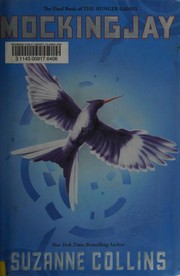
Mockingjay
Suzanne Collins's Mockingjay explained: Katniss as the symbol, District 13, Coin and Snow, and the speech that ruins victory for her.
2,474-word summary · 11 min read
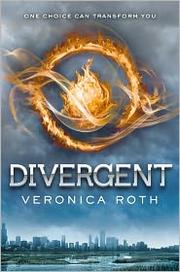
Divergent
Veronica Roth's Divergent explained: the five factions, Tris's choice of Dauntless, the aptitude test, and where the trilogy's premise starts to crack under…
2,494-word summary · 11 min read
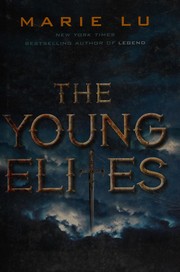
The Young Elites
Adelina survives fever and execution to join a secret group of gifted malfettos plotting against the queen of Kenettra.
3,310-word summary · 15 min read

Iron Widow
Wu Zetian enlists to avenge her sister, kills her pilot, and becomes an Iron Widow in a mecha Huaxia where the machines are built to kill women.
2,444-word summary · 11 min read

Archenemies
Nova steals for the Anarchists while Adrian hides his Sentinel identity, and a serum that erases prodigy powers puts them both at risk.
2,485-word summary · 11 min read
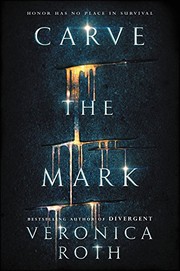
Carve the Mark
On a planet divided between conquered and conqueror, the tyrant's sister and a kidnapped oracle's son discover that their gifts make them useful to everyone…
2,340-word summary · 10 min read

The House of the Scorpion
A clone raised in a drug lord's poppy fields learns what he was made for and chooses what to do with the life he was given.
2,527-word summary · 11 min read
Leviathan
In an alternate 1914, a prince on the run and a girl disguised as a soldier meet aboard a living airship.
2,406-word summary · 11 min read

Divergent: Official Illustrated Movie Companion
An oversize behind-the-scenes guide to the 2014 Divergent film, with casting stories, costume and set design, and scores of photos.
2,524-word summary · 11 min read
The Ask and the Answer
Todd and Viola are separated in occupied Haven, where the Mayor's Ask tortures suspects and the Answer plants bombs in the name of freedom.
2,265-word summary · 10 min read

Stars Above: A Lunar Chronicles Collection
Nine Lunar Chronicles stories fill in the histories of Cinder, Wolf, Thorne, Cress, Winter, and Jacin, and end with a wedding after the war.
2,230-word summary · 10 min read

Never Fade
Ruby, now a leader in the Children's League, must track down the boy whose memories she erased, because he holds the only proof of what caused the disease that…
2,188-word summary · 10 min read
A Reaper at the Gates
The Martial capital falls to an army of ghosts, Elias becomes the Soul Catcher, and Laia and Helene pay brutal prices as the Nightbringer moves to free the…
1,991-word summary · 9 min read
World After
Penryn wakes from near-death to find her altered sister Paige hunted as a monster, and follows her into the angels' scorpion factory and Uriel's coup.
2,213-word summary · 10 min read