
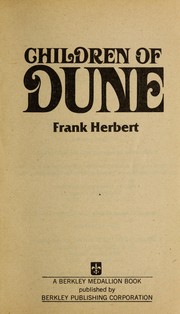
Children of Dune
2,433-word summary 11 min read 444 pages in the book
- First published
- 1976
- Publisher
- Putnam
- Pages
- 444
- ISBN
- 9780399116971
- Series
- Dune (#3)
Reading options
What's inside (8 sections)
I came back to Arrakis for this one because Dune Messiah left me unsettled. Paul won and lost at the same time, blinded and walking into the desert. Children of Dune by Frank Herbert was first published in April 1976 by Putnam, a 444 page first edition with ISBN 9780399116971. It is book three of the Dune series, after Dune and Dune Messiah. I read it over a long weekend with the other two still fresh, which helped, because Herbert expects you to remember who plots with whom.
The twins are the center. Leto and Ghanima Atreides, nine years old, children of Paul and Chani. Chani died giving birth to them. Paul is gone into the sand. The twins are pre born, meaning they woke with full ancestral memories in the womb. That gift is also a trap. Inside them crowd thousands of past lives, and the loud ones want to take over. Ghanima keeps her mother close in memory. Leto wrestles with darker voices, including Paul and even older rulers. Their aunt Alia rules as regent, and she is losing the same fight.
What surprised me rereading is how much of the book is about ecology and religion rather than battles. Yes, there are assassins, a new Duncan Idaho ghola, and House Corrino scheming. But the long scenes are conversations in sietches, temples, and desert camps about what Arrakis is becoming. Water is winning. Sand is shrinking. Worms are dying. And with them, spice and the whole order Paul built.
Nine years after Paul
The Imperium is ruled in name by Leto and Ghanima, but they are children, so Alia holds power as regent. Stilgar still guards them, a gruff loyal Naib who hates politics. Lady Jessica has returned from Caladan, older and watchful, sensing something wrong with her daughter. Irulan, Paul widow in name, helps raise the twins and records history with her own slant.
Alia has started to change. She uses spice heavily to extend prescience, and through that door comes the one ancestor she cannot shut out. Baron Vladimir Harkonnen, her grandfather, whom she killed as a child. He mocks her from inside, urges cruelty, enjoys her dependence on spice. She drinks more, trusts fewer people, leans on her lover Javid and on priests who have turned Muad Dib worship into a machine.
The twins feel this rot. Ghanima plays the dutiful sister in public. Leto pretends to be sulky and slow while testing his visions in private. Both know assassins will come. Both know their grandmother return is not only family feeling. Jessica has come to judge if they are abominations, as the Bene Gesserit call pre born children who may be possessed. If she decides they are lost, the Sisterhood has plans to remove them.
Herbert opens with small pressures rather than a big attack. A food taster nervous at dinner. A Fremen elder complaining that the green belts around the cities insult the old ways. A priest quoting Paul to justify taxes. You feel an empire tired of holy war and a church getting rich off it.
I liked this slow squeeze. It makes the later violence feel earned instead of staged. The cost is pace. If you want sandworm rides on every page, the first third will test you. I kept notes on names, which helped.
The Preacher in the desert
Out in the deep desert walks a blind figure called the Preacher. He wears a Fremen stillsuit patched many times, speaks against the priests, and draws crowds in Arrakeen. He says Muad Dib never meant to be a god. He says the jihad stole Fremen freedom and replaced it with bureaucrats. Stilgar hears echoes of Paul in the voice and is shaken.
Herbert never winks. He lets you guess. The Preacher knows things only Paul knew. He moves like Paul, argues like Paul, grieves like Paul. Gurney Halleck, back on Arrakis, follows him at a distance and feels his throat tighten. Is this Paul returned, or a shape the desert made from need. The book keeps both ideas alive for a long while.
The Preacher plot gives Herbert room to argue with himself about prophecy. Paul could see futures but got trapped by the one that kept him alive and worshipped. Now others use that trap. Faradn of House Corrino, grandson of Shaddam IV, studies the old histories with cool anger. His mother Wensicia plots a real coup with bribed smugglers and a new kind of weapon. Faradn would rather learn than burn, which makes him dangerous in a different way.
A fair criticism here is that Herbert loves speeches. The Preacher speeches run long. So do Jessica and Stilgar debates about custom. I skimmed one sermon and did not lose the thread. If you like ideas argued in the open, you will enjoy it. If you want plot, hold on until the middle ambush, which is sudden and brutal.
That ambush matters. An attempt on the twins during a desert outing kills their escort and leaves Ghanima wounded and Leto presumed dead. Ghanima survives by a trick Leto planned with her, a self hypnosis that locks memory to fake his death and protect them both. From here the book splits. Ghanima returns to the city to play bait and mourner. Leto walks deeper into sand toward a fate he has seen and fears.
Leto chooses the Golden Path
Leto storyline is the strangest and best part. Guided by visions and by old Fremen lore, he seeks the path his father glimpsed and refused. Paul saw a narrow way through future extinction, a tyrant peace lasting thousands of years that would teach humans to never accept one rule again. Paul could not pay the price. It required losing his humanity for a very long time. Leto decides he will.
His steps are physical. He crosses erg with a guide, trades water for silence, learns to ride out a storm by listening to sand. He finds Jacurutu, the lost sietch said to be full of water stealers and outcasts. There he meets a scale of cruelty that clarifies him. Captured, tested, and shown a future where his skin hardens. He does not flinch. He has already grieved the boy he was.
The transformation scene is slow body horror mixed with rite. Sandtrout, the larval stage of worms, cover his body and bond to his skin, forming a living membrane that gives him speed and strength and starts to reshape him. He must keep his head human by will and by spice discipline. He practices moving with the new weight, thinking through ancestral voices without letting them steer. When he emerges, he is no longer only Leto. He is something that can live for millennia.
I found these chapters gripping because Herbert makes the cost plain. Leto will lose Ghanima as a twin, lose love as most people know it, and be hated as a monster. He accepts because the alternative he sees is worse. Humanity herded into a single prescient net, then wiped out when hunters learn to find that net. The Golden Path breaks the net by making a ruler no prescient can fully see and by scattering people beyond control. Freedom through tyranny first. It is an awful bargain and Herbert does not sell it as heroic.
Some readers will balk at the logic. Visions as physics, ancestral memory as data, evolution as a plan one boy can steer. If you need hard science, this will feel mystical. I read it as myth about power. Centralized sight creates centralized control. Only radical unpredictability saves the species. That theme carries even if you doubt the mechanics.
Ghanima, Faradn, and the marriage game
Back in Arrakeen, Ghanima plays a harder game than sword work. She must convince Alia, Jessica, Stilgar, and the Corrinos that Leto is dead and that she is a grieving sister ready to marry for peace. Her memory lock helps her pass even a truth trance, because she believes the lie she built. Only deep shock can unlock it, which Herbert uses beautifully later.
Faradn arrives as both hostage and suitor, a clever young man who loves history and hates his mother plotting. Wensicia tries to use tiger assassins, Laza tigers conditioned to kill, smuggled onto Arrakis to finish the twins. The attack fails because Leto, now changed, intervenes from the desert edge with inhuman speed, and because Stilgar guards react fast. Wensicia is exiled for breaking the rules of kanly. Faradn is left to face Ghanima, who despises him on sight and then, slowly, respects his honesty about books and power.
Their scenes are my favorite political writing in the book. Two teenagers raised as weapons, trading barbs over dinner while priests and Bene Gesserit watch for weakness. Ghanima insults Faradn calligraphy. Faradn counters with jokes about Fremen table manners. Underneath, both are testing if the other can be trusted to share a future neither chose. The arranged marriage neither wants becomes the only lever that might stop war between Atreides and Corrino remnants.
Jessica role here is sharp. She sees Alia slipping, sees Ghanima performing, and starts her own quiet moves with Stilgar and Gurney. She is not a warm grandmother. She is a Reverend Mother doing triage on a bloodline. Her scenes with Alia crackle, because Alia knows exactly what Jessica fears and uses it. You killed a Baron once, little mother says in effect. Are you sure you are still yourself.
If there is a drag, it is the middle council chapters where everyone explains prescience to each other again. Readers new to the series will need those recaps. Veterans can skim. I marked one line from Stilgar that sums his arc. He loves the Atreides but hates what empire did to Fremen, and he must choose between loyalty to persons and loyalty to a people. That choice drives the finale.
Alia fall and the twins turn
Alia collapse accelerates once the Baron voice gets loud. She orders arrests that Stilgar will not carry out. She leans on Javid, who loves power more than her. She tries to force Jessica into a duel of voices and loses composure in front of witnesses. Spice, grief, and worship have hollowed her. Herbert writes possession not as cartoon demon but as erosion. Small cruelties become policy. Policy needs enemies. Enemies justify more spice.
The twins, each in their own way, turn every plot against its maker. Ghanima lets enemies think her memory trick is weakness, then uses the wedding approach to pull Faradn from his mother orbit and to give Stilgar a reason to protect both houses. Leto times his return for the wedding ritual, arriving in a stillsuit that hides his changed body, speaking with a voice that makes priests kneel and soldiers step back.
The final confrontation in the desert city is part trial, part revelation. The Preacher faces Alia priests and says plainly what Paul never could while ruling. That the religion built on him is a cage. Alia orders his death, and in the chaos that follows, old loyalties snap. Duncan Idaho ghola, who loves Alia and pities her, forces the one outcome that can free her from the Baron. It is mercy and murder at once, and Herbert stages it without triumph. Stilgar weeps. Jessica looks away. Ghanima holds her composure because she must.
Leto then does what he planned since Jacurutu. He reveals himself, breaks the religious frame by being undeniable and terrible, and claims the regency not as Muad Dib heir but as a new thing. He unlocks Ghanima memory with a phrase only twins share, and her grief and relief hit together. She remembers he lives and hates what he has become and loves him still. Faradn, to his credit, does not run. He kneels, offers his service, and accepts exile from his old name into a new role as scribe and companion. It is an odd, moving pact. History written by the defeated for the transformed.
The book ends not with peace but with direction. Leto will rule for a very long time. Worms will fade as water spreads, then return in a new form through him. Spice will thin. Prescients will go blind to many threads. Humans will spread beyond any single sight. Ghanima will marry Faradn to bind bloodlines and to keep a human heart near the throne. It is cold comfort, but Herbert means it as hope. Survival first, kindness later, after the lesson sticks.
What works and what wears
What works is scope tied to persons. Terraforming is not background. It kills worms, which kills spice, which kills the economy of prophecy. Religion is not set dressing. It taxes, polices, and buries. Family is not sentimental. Memory literally lives inside children and can eat them. When Leto picks the Golden Path, it feels like the only move left on a board Herbert built carefully across three books.
What wears is density. New terms arrive fast. Jacurutu, kanly, Laza, pre born, abomination, Golden Path, Sareer. Some get defined twice. Some never quite land. Dialogue carries heavy ideas and sometimes sounds like position papers. I kept a one page glossary and character list, which I recommend. Read slowly in the middle third and you will be fine.
I also wrestled with gender in this one. Jessica, Alia, Ghanima, Irulan, and Wensicia are sharp and consequential, which is good. Yet much of their power runs through breeding programs, marriage, and motherhood. Herbert critiques those systems while still using them as engines. Modern readers may feel the pinch. I did, especially in the wedding bargain chapters. The book knows marriage as alliance is coercive. It still treats Ghanima consent as strategy more than personhood. Worth naming.
Still, as a bridge book it succeeds. Dune gave myth. Messiah broke the hero. Children asks what comes after the broken hero when kids inherit both power and blame. Answer: a harder myth, chosen with open eyes. Leto walk into the sand at the end of Messiah echoes here in reverse. A son walks out of the sand changed, ready to be hated so the species can scatter.
If you read the series, do not skip this because people call God Emperor the weird one. This is where the weird turns necessary. Read Dune and Messiah first, keep water discipline in mind as more than color, and watch Alia closely. Her fall is the human warning beside Leto inhuman solution. Both say the same thing in different keys. No one, not even saints, should hold that much sight for long.
FAQ
When was Children of Dune published?
G.P. Putnam's Sons published it in April 1976. The first edition runs 444 pages and the ISBN is 9780399116971.
Is Children of Dune part of a series?
Yes. It is book three of the Dune series, after Dune and Dune Messiah. Reading those first helps a lot.
Is it harder than the first Dune?
Herbert uses prescience, politics, and religion in complex ways. Patient readers are rewarded, but it is denser than Dune.
Similar books
More from Dune first, then related titles.
Dune Messiah
Emperor Paul faces jihad fallout as Bene Gesserit and Tleilaxu plot with ghola Duncan to break him.
2,593-word summary · 12 min read
God Emperor of Dune
Worm god Leto II rules 3500 years to force humanity free through his Golden Path.
2,006-word summary · 9 min read

Heretics of Dune
Fifteen centuries after Leto II, the Bene Gesserit raise a new Duncan Idaho while the Honored Matres return and Rakis burns.
2,673-word summary · 12 min read
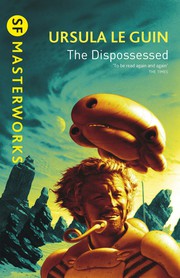
The Dispossessed: An Ambiguous Utopia
Physicist Shevek leaves anarchist Anarres for capitalist Urras to share time theory, finding walls both places.
2,288-word summary · 10 min read
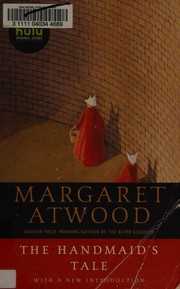
The Handmaid's Tale
Atwood's The Handmaid's Tale retold: Offred in Gilead, the Commander, Serena Joy, Mayday, and the van.
2,369-word summary · 11 min read

Prelude to Foundation
A young Hari Seldon arrives on Trantor with a theory he cannot yet prove, and a hunt through the planet-city forces him to turn psychohistory into a real…
2,013-word summary · 9 min read
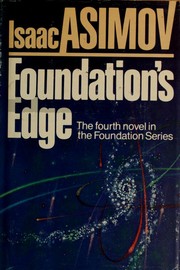
Foundation's Edge
Exiled councilman Golan Trevize hunts for the Second Foundation and the lost world of Earth, and finds a planet with one mind waiting to change the galaxy.
2,335-word summary · 10 min read

Fathers and Sons
Arkady brings the nihilist Bazarov home to his father's estate, and a generational argument turns into love, a duel, and an early death.
2,192-word summary · 10 min read
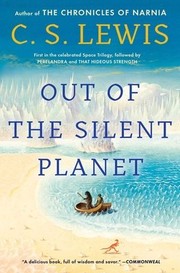
Out of the Silent Planet
A Cambridge philologist is kidnapped and taken to Mars, where the natives are civilized and the humans are the dangerous invaders.
2,612-word summary · 12 min read
We
In a city of glass ruled by the Benefactor, a state engineer building a spaceship falls for a woman who wants to tear the One State down.
2,247-word summary · 10 min read
The Illustrated Man
A tattooed drifter's moving pictures retell eighteen Bradbury stories of children, rockets, Mars and the last night of the world.
2,791-word summary · 12 min read
Nemesis Games
The Rocinante crew scatters across the solar system just as Marco Inaros and the Free Navy bombard Earth. The Expanse reaches its turning point.
2,506-word summary · 11 min read

The Caves of Steel
Detective Elijah Baley must solve a Spacer's murder in a domed New York, partnered with R. Daneel Olivaw, a humaniform robot built in the victim's image.
2,445-word summary · 11 min read
A Connecticut Yankee in King Arthur's Court
Hank Morgan, a Connecticut factory man, wakes in King Arthur's England, rises to chief adviser, and rebuilds the kingdom until his own inventions turn on him.
2,193-word summary · 10 min read
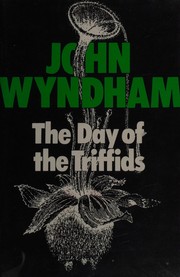
The Day of the Triffids
Blinded survivors flee carnivorous plants after a meteor shower.
2,171-word summary · 10 min read

A Canticle for Leibowitz
After nuclear war, monks save books across centuries while the world rebuilds and falls again.
2,381-word summary · 11 min read

Solaris
Kelvin reaches a silent station above Solaris and finds grief made solid when the ocean returns his dead wife Rheya, testing memory, science, and the limits of…
2,548-word summary · 11 min read
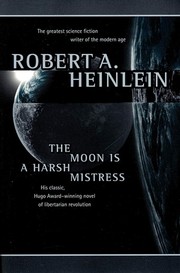
The Moon Is a Harsh Mistress
In 2076 Lunar colonists led by Mannie, Wyoh, Prof, and computer Mike revolt against Earth with rocks and rhetoric.
2,003-word summary · 9 min read

The Island of Doctor Moreau
Shipwrecked Prendick finds Doctor Moreau shaping beasts into men by pain on lost island.
2,137-word summary · 9 min read
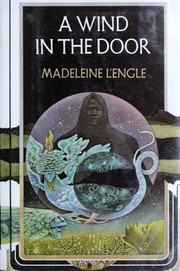
A Wind in the Door
Meg must save Charles Wallace from a cosmic sickness by naming and loving what she fears, helped by a cherubim called Progo.
2,214-word summary · 10 min read
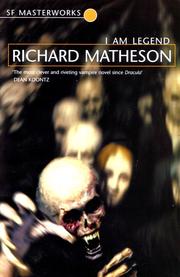
I Am Legend
Robert Neville holds one fortified house in empty Los Angeles by day, and faces what the plague left behind by night.
2,840-word summary · 13 min read

Abaddon's Gate
A dead detective guides Holden, an assassin hunts him, and a pastor walks unarmed into a mutiny as the Ring opens new worlds.
2,672-word summary · 12 min read

Childhood's End
Silver ships end war and want while Overlords midwife humanity's children into something beyond human.
2,054-word summary · 9 min read
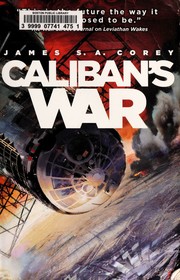
Caliban's War
Ganymede burns, Bobbie survives it, Avasarala curses through politics, and Prax hunts daughter Mei.
2,080-word summary · 9 min read

The Forever War
Drafted in 1997, physics student William Mandella fights Taurans across collapsars while centuries slip past back on Earth.
3,136-word summary · 14 min read

The Communist Manifesto
Marx and Engels trace class struggle from bourgeoisie to proletarians, review rival socialisms, and close with a call to opposition parties. Notes on the 1848…
2,570-word summary · 11 min read

So Long, and Thanks for All the Fish
Arthur Dent finds Earth back again and meets Fenchurch, who sensed the planet's odd moment, in Adams's softer fourth Hitchhiker novel from 1984.
2,448-word summary · 11 min read
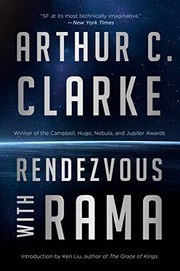
Rendezvous with Rama
In 2131 a silent cylinder enters the solar system, and Commander Norton's crew explores its seas and empty cities before Rama seals itself and sails on.
3,108-word summary · 14 min read
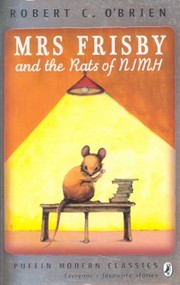
Mrs. Frisby and the Rats of NIMH
A widowed mouse races the spring plow to save her sick son Timothy, and finds help from the intelligent rats of NIMH hiding under the rosebush.
3,159-word summary · 14 min read