

The Island of Doctor Moreau
2,137-word summary 9 min read 292 pages in the book
- First published
- 1896
- Publisher
- William Heinemann
- Pages
- 292
- ISBN
- 9781551113272
Reading options
What's inside (8 sections)
I read The Island of Doctor Moreau on a ferry, which was either perfect or unwise, because every wave made Prendick panic feel closer. H. G. Wells first published it in 1896 with William Heinemann. The Broadview edition runs 292 pages with ISBN 9781551113272. It is a standalone science fiction novel about a mad physiologist who carves animals into men. It reads fast, thinks hard, and leaves a sour taste that lasts. If you only know Wells from Time Machine and War of the Worlds, this one is darker and stranger.
Edward Prendick, a gentleman naturalist, wrecks in the Pacific and is picked up by a ship carrying strange cargo, puma, dogs, rabbits, all distressed. Aboard are Montgomery, a medical man with drink on breath, and Moreau, a cold older man with pale eyes. They land on an uncharted island. Prendick, with no boat off, stays as guest. At night he hears screams. By day he sees odd people, hunched, hairy, with strange hands, who bow and chant Law. Are you not. Are you not. He thinks Moreau makes monsters. He is right, but the how matters more than the shock.
Moreau was a famous London physiologist expelled for vivisection cruelty. On the island, free of law, he operates to make animals human. Cut, graft, burn, shape. Pain is his tool. He believes pain can carve out the animal and leave man. His Beast Folk, Leopard Man, Hyena Swine, Ape Man, Swine folk, Dog folk, Sloth thing, dozens, live in a ravine village, speak rough English, wear rags, fear the House of Pain where they were made. They follow Law Moreau gave. Not to walk on all fours. Not to lap water. Not to eat flesh. Not to chase. They recite it like prayer because breaking means return to the House.
Prendick watches
Prendick is not a hero. He is a witness who faints, flees, begs. That passivity annoyed me at first, then felt honest. What would a gentleman naturalist do among vivisection and claws. He tries to leave. No boat. He tries to confront Moreau. Moreau lectures. He tries to befriend Montgomery, who drinks to forget what he helps. He tries to befriend Beast Folk, who scare him even as they plead. His chapters observe well. Smells of blood and jungle flowers. Sounds of surf and screams. The island as laboratory where ethics were left in London.
Montgomery is the tragic middle. Once a promising student, now Moreau assistant, alcoholic, kind to beasts in small ways, cruel by complicity. He gives Prendick brandy. He jokes to cover. He loves one Beast, a dog creature loyal as any spaniel, and cannot save it. His drinking worsens as control slips. When Moreau dies, Montgomery tries to rule with drink and guns and fails fast. His end, drunk and bloody among those he helped make, is pathetic and earned. Wells does not redeem him with a speech. He lets him fade.
Moreau himself is chilling because he is calm. He explains his work like gardening. Animals are plastic. Pain shapes. He shows Prendick a healing puma and calls cries progress. He denies cruelty because purpose justifies. He does not want worship, though Beast Folk worship. He wants proof that will can overwrite nature. Prendick asks if they suffer less now. Moreau says they suffer as men do, which he counts as success. That line stayed with me. Making men means making sufferers. Progress as shared pain.
The House of Pain scenes are hard to read even now. No gore feasts, but clear. Straps, chloroform that runs out, screams that stop into whimpers. Prendick stumbles in and vomits. Moreau is annoyed at interruption, not at pain. Wells wrote this when antivivisection debates raged in Victorian England. He takes no refuge in distance. He puts reader in the room. If you support science without limits, smell this. That challenge still bites in labs today.
Law and backsliding
The Law chapters are the philosophical core. The Sayer of the Law, a gray Ape Man, leads chanting. Not to go on all fours, that is the Law. Are we not men. The Beast Folk clap, sway, repeat. Prendick joins once from fear and feels shame. The ritual works for a time. It gives shape to new minds. Then it frays. Nails grow. Backs bend. Speech slips. One breaks Law by tasting blood. Others follow. Moreau beats them back into shape with whip and pistol. Fear holds what belief cannot. Wells suggests civilization is Law recited against inclination, in beasts and in Londoners alike.
Prendick test comes when Moreau dies. Killed not by rebellion planned, but by a puma breaking straps and fighting back. A perfect symbol. The made thing refuses making. Montgomery dies soon after, drunk and shot. Prendick, alone with beasts, tries to rule as Moreau did, with guns and Law. He fails kinder. He stops punishing slips. He lives among them as they revert. Hyena Swine grows bold. Dog Man stays loyal longest. Little pink sloth thing follows him like a child. His months in the village are sadder than horror. He watches friends become animals while remembering their names.
Escape arrives by chance, a boat with dead men drifting. Prendick leaves with relief and guilt. Back in London, he cannot rejoin. He sees Beast Folk in churchgoers, in shoppers, in faces on trams. Eyes that glance, hands that clutch, speech that chants. He moves to the country, studies chemistry, avoids crowds. The book ends not with comfort but with agoraphobia as philosophy. If London is also an island of Law holding backslide, where is home. That closing paranoia feels modern. Read it after pandemic lockdowns and it hits harder.
Wells argument is plain and uncomfortable. Darwin showed humans are animals. Civilization claims we rose. Moreau tests if rise can be forced by knife. Answer is no. You get suffering mimics who recite while reverting. Wells extends to readers. Our laws, manners, suits, are also recited against inclination. That does not make them false. It makes them work, fragile and needed. Prendick, who fled island, keeps Law by living quietly, harming none. Small ethics after big failure.
Why it still bites
The book invented much. Mad scientist island, beast men, Law chant, all echoed in King Kong, Jurassic Park, Planet of the Apes. Reading source shows how lean Wells is. At 292 pages in Broadview with essays, story itself moves fast. No fat. Ship, island, House, Law, deaths, return. Each scene teaches. The Broadview edition adds Darwin debates, reviews, letters, which help students. The Vintage 176 page edition reads faster for casual. Either works. I used Broadview for context and was glad.
Fair criticism is fair. Victorian prose runs dense. Prendick faints often. Women barely exist except as memory. Beast Folk speak in broken English that can read as mockery now, though Wells intends pathos. Animal cruelty descriptions, though not loving, upset. Readers sensitive should know pain is central, not background. Colonial attitudes show. White men play god on an island with no natives consulted, which Wells critiques partly and embodies partly. Teach it with that tension named.
Science ethics make it urgent, not just classic. Vivisection now regulated, but labs, factory farms, AI training on living data raise same questions. When does making justify hurting. Who decides. Moreau answers, I decide, because I can. Prendick answers, I cannot watch, then watches. Montgomery answers with drink. None satisfy. The book leaves you with beasts reciting Law in a ravine while surf pounds. Are we not men. Ask it of yourself on the ferry home.
Montgomery, Prendick, and failing help
Montgomery deserves a closer look because he is the book warning about helpers. He is not evil like Moreau. He is tired, drunk, kind in flashes. He rescued Prendick from sea. He shares brandy. He jokes. He also holds animals for surgery. He tells Prendick not to look, then looks away himself. His alcoholism is not comic. It is how he lives with complicity. When he tries to be good, giving rum to beasts, letting Prendick go, it backfires because kindness without courage enables. His death, drunk among those he helped make, is not redemption. It is consequence. Wells refuses to save him with a speech. Drink does not absolve. It explains and still kills.
Prendick failure is quieter. He judges Moreau, rightly, then lives in Moreau house eating Moreau food. He judges Montgomery drinking, then drinks with him. He pities Beast Folk, then uses them as servants. Each compromise feels reasonable in the moment. No boat. No food. No choice. Cumulatively they make him part of island. When he tries to rule after deaths, with guns and Law, he repeats Moreau in kinder voice. He stops punishing slips, which is better, but still holds gun. The beasts sense difference and similarity. They obey a little longer because he is less cruel, then revert anyway because no man can hold them. Prendick learns ruling, kind or cruel, is not the answer. Leaving is. That lesson costs months of fear.
The Dog Man loyalty shows what help could be. Loyal as any dog, he follows Prendick, warns of Hyena Swine, dies defending. Prendick mourns him truly, unlike Moreau who notes loss as data. That mourning is the book smallest hope. Even made things love. Even makers can grieve. When Prendick buries Dog Man with hands, not orders, he acts as neither master nor scientist. Just mourner. Those pages, muddy and plain, moved me more than horror. Care without control, briefly, before revert takes all.
Back in London, Prendick help fails again. He tries to tell what happened. No one believes, or they laugh. He stops telling. He tries to live normally. Crowds terrify. He moves to country, studies, avoids. Some call this madness. I read it as moral injury. He saw what men do with knives and cannot unsee in butchers, surgeons, crowds. His isolation is not cure. It is management. Wells ends without healing because some knowledge does not heal. It only teaches how to live beside. Prendick lives beside by being quiet, kind to few, watchful always. Small ethics after big failure, again.
Beast Folk voices
The Beast Folk deserve names because Wells gives them souls in scraps. The Ape Man who preaches Law with fervor and slips first. The Leopard Man who runs and is hunted as example. The Hyena Swine who laughs and leads revert with glee. The Dog Man who stays loyal past sense. The Sloth thing who clings. The Swine folk who grunt prayers. Each speaks broken English that reveals mind trying. Are we not men becomes question, plea, joke, threat by speaker. Prendick learns to tell them apart by gait, smell, voice. That attention is the book quiet respect. Even made things are someones.
The Sayer of the Law ceremony, with firelight and chanting, works as church and court. Offenses named. Punishments warned. Moreau watches from above like god who does not sing. Prendick, forced to join chant, feels words shape his own throat. He understands ritual power even as he doubts content. Later, when Law breaks, the same voices howl. The shift from chant to howl takes pages, not a moment. Ears go back first. Then hands drop. Then speech loses verbs. Wells tracks reversion with naturalist care. He watched animals. He knows how thin veneer runs. That thinness applies to Londoners applauding at church while planning war. Read Law scenes twice, once for island, once for home. Both fit.
Prendick escape boat with dead men is grim luck. He rows, buries bodies at sea, drifts, is picked up. Sailors think him mad when he rants about beasts. He learns to be silent to survive rescue. That silence continues in London. He writes his account, our book, to tell once and then stop talking. Writing as exorcism fails to exorcise, but records. We read because he wrote. That chain, suffer, write, warn, is Wells own method. He wrote fables to warn London about science without soul. We still need warning. Labs still cut. Islands still exist as patents, camps, cages. Listen for Law chant in mission statements. Ask who holds whip behind words.
Who should read it
Teens and adults ready for horror of ideas fit best. There is blood, surgery talk, death, no explicit sex, mild period language. Ages fourteen and up can manage with context. Fans of Frankenstein will feel at home with creator denying creation. Fans of Jurassic Park will see source code. Pair with Darwin short essays or with Coetzee Lives of Animals for modern echo. Read with light on. Listen for screams in gulls. When you hear Law in pledges, anthems, office mantras, remember ravine voices trying hard to be men. Be kind to the trying, in beasts and in mirrors.
FAQ
When was The Island of Doctor Moreau published?
First published in 1896 by William Heinemann. The Broadview edition runs 292 pages with ISBN 9781551113272.
Is it part of a series?
No. It is a standalone science fiction novel, though its Beast Folk echo in later books.
Who should read it?
Teens and adults fit best. There is vivisection horror, blood, and colonial cruelty.
Similar books
Out of the Silent Planet
A Cambridge philologist is kidnapped and taken to Mars, where the natives are civilized and the humans are the dangerous invaders.
2,612-word summary · 12 min read
The Invisible Man
A scientist makes himself invisible and learns the price: no one can live outside the world. Wells turns a clever trick into a chase across Sussex.
2,564-word summary · 11 min read
The War of the Worlds
A Surrey writer watches Martians land in cylinders, march on London in tripods, and fall to Earth's smallest life.
2,667-word summary · 12 min read
A Connecticut Yankee in King Arthur's Court
Hank Morgan, a Connecticut factory man, wakes in King Arthur's England, rises to chief adviser, and rebuilds the kingdom until his own inventions turn on him.
2,193-word summary · 10 min read
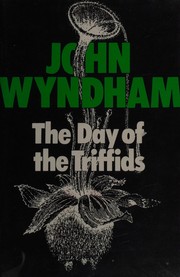
The Day of the Triffids
Blinded survivors flee carnivorous plants after a meteor shower.
2,171-word summary · 10 min read
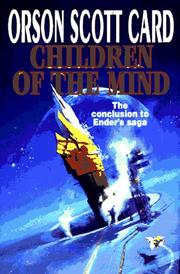
Children of the Mind
Ender's children split across worlds as Jane faces shutdown and Lusitania flees.
2,532-word summary · 11 min read
A Canticle for Leibowitz
After nuclear war, monks save books across centuries while the world rebuilds and falls again.
2,381-word summary · 11 min read

Solaris
Kelvin reaches a silent station above Solaris and finds grief made solid when the ocean returns his dead wife Rheya, testing memory, science, and the limits of…
2,548-word summary · 11 min read
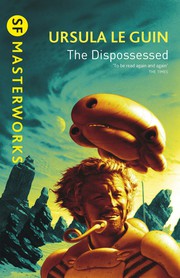
The Dispossessed: An Ambiguous Utopia
Physicist Shevek leaves anarchist Anarres for capitalist Urras to share time theory, finding walls both places.
2,288-word summary · 10 min read

A Psalm for the Wild-Built
Tea monk Sibling Dex leaves city for wilds with robot Mosscap asking what people need to be well.
2,007-word summary · 9 min read
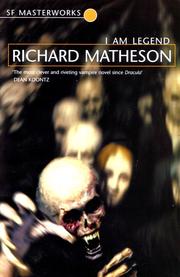
I Am Legend
Robert Neville holds one fortified house in empty Los Angeles by day, and faces what the plague left behind by night.
2,840-word summary · 13 min read
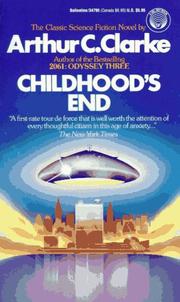
Childhood's End
Silver ships end war and want while Overlords midwife humanity's children into something beyond human.
2,054-word summary · 9 min read
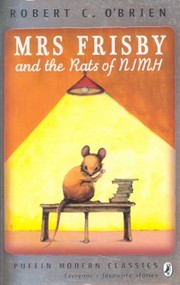
Mrs. Frisby and the Rats of NIMH
A widowed mouse races the spring plow to save her sick son Timothy, and finds help from the intelligent rats of NIMH hiding under the rosebush.
3,159-word summary · 14 min read
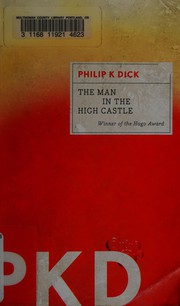
The Man in the High Castle
In a 1962 America split between Japan and Germany, an antiques dealer, a craftsman, and a judo teacher cross paths over a banned novel claiming the Allies won,…
2,317-word summary · 10 min read
Journey to the Center of the Earth
A professor, his nephew, and a guide climb into an Icelandic volcano to reach the center of the earth.
1,902-word summary · 8 min read
The Girl with All the Gifts
Hungry girl Melanie loves myths while teacher, soldier, and scientist use her.
2,203-word summary · 10 min read
Starship Troopers
Rico earns citizenship through Mobile Infantry drops against Bugs.
2,071-word summary · 9 min read
Twenty Thousand Leagues Under the Sea
A monster hunt finds Nemo submarine, and three captives tour seas they cannot leave.
2,022-word summary · 9 min read
Hyperion
Seven pilgrims cross Hyperion telling tales of faith, war, and time while the Shrike waits at the Tombs.
1,996-word summary · 9 min read
Stranger in a Strange Land
A Mars-raised man lands on Earth, learns religion and love, and founds a church that shocks everyone.
2,725-word summary · 12 min read

Do Androids Dream of Electric Sheep?
Bounty hunter Rick Deckard retires escaped androids in ruined San Francisco while doubting what empathy still means.
2,841-word summary · 13 min read

Interview with the Vampire
Louis tells a reporter how Lestat made him and how Claudia doomed them all in New Orleans and Paris.
2,195-word summary · 10 min read
The Picture of Dorian Gray
Dorian Gray retold: Basil paints, Henry talks, wish holds youth while canvas bears years.
2,061-word summary · 9 min read
Frankenstein
Frankenstein retold: Victor builds, the creature wakes, Arctic letters, demand and refusal.
1,901-word summary · 8 min read
Brave New World
Huxley's Brave New World retold: hatcheries, soma, Bernard and Lenina, John the Savage, and the lighthouse.
2,513-word summary · 11 min read
The Alchemist
The Alchemist from start to finish: Santiago's dream, the Personal Legend, the crystal merchant, the desert, and the treasure that was never where he thought.…
2,166-word summary · 10 min read
The Time Machine
Wells sends a Victorian inventor to the year 802,701, where idle Eloi and blind Morlocks share a dark human fate.
2,335-word summary · 10 min read
Rosencrantz and Guildenstern Are Dead
Stoppard's 1966 play retells Hamlet from the wings, where two minor courtiers wait, joke, and walk toward a death they cannot see.
2,021-word summary · 9 min read
Prelude to Foundation
A young Hari Seldon arrives on Trantor with a theory he cannot yet prove, and a hunt through the planet-city forces him to turn psychohistory into a real…
2,013-word summary · 9 min read
Authority
The new director of the Southern Reach takes over an agency that is hiding the truth about Area X, and the building starts to change around him.
2,029-word summary · 9 min read