
Journey to the Center of the Earth
1,902-word summary 8 min read
- First published
- 1864
- Publisher
- Pierre-Jules Hetzel
- ISBN
- 9780486280615
- Original title
- Voyage au centre de la Terre
Reading options
What's inside (5 sections)
Verne books read like field trips with explosions and this is the deepest trip. Journey to the Center of the Earth by Jules Verne was first published in French in 1864 as Voyage au centre de la Terre, with Pierre-Jules Hetzel as publisher. This summary follows a standard English translation in the Dover edition, ISBN 9780486280615. Professor Lidenbrock finds a runic note in an old manuscript pointing into an Icelandic volcano. He takes his nephew Axel and a guide down. I read it with a pencil for geology terms, smiling at how wrong and how right Verne gets science.
Otto Lidenbrock narrates through Axel, his nephew and assistant. Lidenbrock is impatient, brilliant, and certain that the earth is hollow enough to explore. Axel is young, in love with Grauben, and terrified of the plan. He translates the runes, hopes it is a joke, and is disappointed when it decodes cleanly. Descend into Snaefells crater. Follow the shadow of Scartaris in late June. Go. Lidenbrock packs instruments, money, and stubbornness. Axel packs fear and goes anyway because Grauben says a man must.
Hans Bjelke, the Icelandic guide, steals every scene by saying little. Tall, calm, and competent with ropes and water, he finds streams by listening to rock, builds rafts without fuss, and gets paid on time. Verne, who sometimes treats workers as background, gives Hans dignity through work. When Axel panics, Hans offers a hand without a speech. That hand matters more than lectures about strata.
Down the shaft
The descent starts with real travel detail that I loved. Hamburg to Kiel to Iceland by steamer. Horses across lava fields. A pastor who warns them. The crater of Snaefells with three chimneys, only one touched by Scartaris shadow at the right date. They climb down with lamps, ropes, and thermometers. Heat rises slower than Axel fears, which Lidenbrock notes with triumph. Central heat theory may be wrong. Science advances by going to look, Verne argues, not by debating in clubs.
Underground travel has rules. Ration food. Mark paths. Save water. Lidenbrock enforces discipline that chafes Axel but keeps them alive. They pass lava tubes, coal seams, and fossils that thrill the professor and bore Axel until a shell he finds proves ancient seas. Those fossil chapters, long lists of species, will test modern readers. I skimmed one catalog of brachiopods and lost nothing. The point is method. Observe, name, place in order. Even wrong theories need data.
Water crisis gives the first real scare. Streams vanish. Throats close. Axel dreams of Grauben with water. Hans leaves them, listens to rock in silence, and finds a hiss behind a wall. They blast it open and get a boiling spring that later cools into a guide they name Hansbach. That sequence shows Verne at best. Ingenuity plus a worker knowledge that professors lack. Lidenbrock takes credit loudly. Axel notes privately who listened. Readers will too.
Getting lost is the next trial. Axel runs ahead, drops his lamp, and ends up alone in echoing tunnels. His chapters alone are genuinely frightening. Shouting that returns as whispers. Matches that reveal vast dark. Prayers mixed with geology math to stay sane. He follows an electric glow and hears voices through rock, a phenomenon Verne explains with acoustics. Reunion with Lidenbrock via gunshots and timed calls feels earned because solitude lasted long enough to matter. Anyone who got lost as a kid will feel this in the chest.
A note on science. Verne gets much wrong about inner earth. No hollow seas with mastodons. No giant mushrooms forests lit by aurora. He gets the spirit right about fieldwork. Bring instruments. Write everything. Argue with guides who know ground. His geology debates, with Humphry Davy and others cited, show a writer reading current papers and extrapolating boldly. Enjoy the wrongness as imagination, not failure. Few 1864 novels dared this much descent.
Seas, forests, and fights
The underground sea is the book marvel and the part films love. A vast cavern with electric light, waves, and a shore where they build a raft. They sail with a compass gone mad, meeting ichthyosaurs and plesiosaurs fighting like whales. Lidenbrock names species while Axel ducks. Hans steers without comment. A storm with fire balls nearly kills them. They land on an shore with giant mushrooms and mastodon bones. It is absurd and wonderful. I read these chapters grinning, checking Verne illustrations in my head.
The giant human they glimpse across the forest divides readers. A twelve foot shepherd with a tree for staff, tending mastodons. Axel faints. Lidenbrock wants to approach. Hans pulls them away. Is it ape, man, or fear. Verne leaves it unresolved, which is smart. Underground can hold mystery without cataloging. That restraint makes the earlier fossil lists bearable. Some things get named. Some get left as shadows on a far shore.
The raft voyage continues with thirst, heat, and a mutiny of mood if not action. Axel wants to turn back. Lidenbrock refuses. Hans works. A waterspout lifts them. Lightning sets the mast alight. They crash on a shore that turns out to be the other side of the same sea, which disappoints Axel deeply. All that sailing to go in a circle. Lidenbrock finds a new tunnel with a rusty dagger marked with runes, proof someone came before. That dagger, from the original rune writer Saknussemm, rekindles hope. Follow the predecessor who survived, at least partway.
Blocking the path is a granite wall. They blast it with gun cotton, which floods the tunnel with sea water and shoots their raft up a volcanic chimney. The ascent is pure ride. Darkness. Heat. Speed. Shouting over roar. Axel thinks they will die in magma. Instead they erupt out of Stromboli in Sicily, scorched and half naked, greeted by fishermen who think they are devils. From Iceland in by one volcano to Sicily out by another. Verne loves symmetry that geography almost allows.
If there is a drag, it is the professor lectures on geology history that stop plot for pages. Necessary in 1864 to place the trip in debate, but dull now unless you love priority disputes. I skimmed one Davy versus central fire debate and missed nothing. The payoff, when Lidenbrock admits some theories need revising after what they saw, needs less setup. Still, the lectures show how science fiction once taught as well as thrilled.
What the trip means
The ending returns to Hamburg with modest rewards. Lidenbrock is famous but mocked for giant tales. Axel marries Grauben, who believed in him enough to push him down a volcano for growth. Hans leaves with his pay and a farewell that is all nods. No gold. No patents. Just notes, samples, and a story few fully believe. That modesty suits Verne better than triumph. Going and returning with eyes open is enough.
What stays with me is the book argument about courage and curiosity. Axel is not brave at first. He is obedient and in love. He goes because Grauben says a man follows inquiry and because shame of staying outweighs fear of going. Along the way he learns to read rock, to ration, to shout in code through stone. By the end he argues geology with his uncle as a peer, not a scribe. Growth through descent is literal here. Go down to grow up.
Hans is the quiet moral. Pay workers well. Listen when they listen to stone. Credit their finds by naming streams after them. Lidenbrock does this once with Hansbach and otherwise takes glory. Axel notices and records. That record is the book we read. Nephews remember who really found water. It is a gentle rebuke to great man science that still resonates in labs and field crews.
Grauben deserves more than fiancee framing because she sets the trip ethic in two scenes. A Hamburg girl who loves a nervous scholar, she tells him to go rather than to stay safe. Not from cruelty. From belief that courage is learned by doing feared things with preparation. Her letters, read in camp, steady Axel more than Lidenbrock speeches. When Axel wants to quit, he remembers her saying go and prove what you can. Love as push, not leash, is rare in Victorian adventure and welcome here. She also keeps his notes in order back home, proving exploration needs archivists as well as climbers.
The predecessor Saknussemm haunts the trip as both proof and warning. A scholar who went down and left runes but never returned to tell. Following his marks gives confidence until marks stop. What happened to him. Did he turn back. Die. Ascend elsewhere. The unanswered fate keeps the middle honest. Maps are made by people who did not all come home. Every campfire talk about him reminds readers that curiosity has costs paid in full by someone first.
Iceland itself deserves praise as more than a doorway. Steamer ports with fish smells. Lava fields that tear boots. A pastor who warns and feeds them anyway. Farmers who lend horses at high prices and watch them go like men to funerals. Verne, who never visited, researched through travel accounts and got the light right. Midnight sun that confuses sleep. Cold that bites even in June. Those details make descent believable. You trust a writer who knows how horses shy on lava before you trust him about mastodons below. A chapter where they wait out weather in a turf hut, listening to wind while Hans mends straps, taught me more about expedition patience than any action scene. Waiting is part of going. Axel, restless and scared, learns to check knots instead of pacing. Lidenbrock, restless in a different way, catalogs mosses to calm himself. Hans sleeps. That division of rest shows experience. Amateurs burn nerves before danger. Professionals bank sleep. I thought of airport delays and hospital waits while reading. Same skill applies. Tend gear. Breathe. Wait well. Axel finally learns this by the underground sea, where he stops pacing the raft and starts checking ropes without being told. Small competence, repeated, steadies more than speeches. Lidenbrock notices and nods once, which for him is high praise. That nod kept Axel going through the storm that followed. When lightning set the mast alight and the raft spun, Axel tied himself down and checked Hans knots instead of screaming. Small competence under terror is the book definition of grown. Later, telling Grauben about it back home, he skips the monsters and describes the knots. She understands. Adventure stories brag about beasts. Real ones remember rope. Back in Hamburg, Axel keeps the knotted cord Hans gave him in a drawer with Grauben letters. When students ask about monsters, he shows the rope first. Tools before tales. That habit, learned underground, shapes his teaching after. Measure twice. Mark paths. Thank guides by name in print.
Read it if you like classic adventure with science lectures and wonder. Give it patience for fossil lists. Learn the runes, the crater rule, and Hans water trick. Skim Davy debates if you must, but do not skip being lost. Those alone chapters teach more about fear than any monster sea. And after, look at a volcano photo, any will do, and imagine a shadow pointing in. Verne makes you want to pack a lamp and follow, even knowing mastodons will not be there. Curiosity remains. That is enough to descend.
FAQ
When was Journey to the Center of the Earth published?
First published in French in 1864 as Voyage au centre de la Terre. This summary follows a standard English translation in the Dover edition, ISBN 9780486280615.
Is it part of a series?
No. It stands alone among Verne extraordinary voyages, though it shares science spirit with his other books.
Similar books
Around the World in Eighty Days
Fogg bets half his fortune to circle the globe in eighty days with one bag and a valet.
1,995-word summary · 9 min read
Twenty Thousand Leagues Under the Sea
A monster hunt finds Nemo submarine, and three captives tour seas they cannot leave.
2,022-word summary · 9 min read
Out of the Silent Planet
A Cambridge philologist is kidnapped and taken to Mars, where the natives are civilized and the humans are the dangerous invaders.
2,612-word summary · 12 min read
A Connecticut Yankee in King Arthur's Court
Hank Morgan, a Connecticut factory man, wakes in King Arthur's England, rises to chief adviser, and rebuilds the kingdom until his own inventions turn on him.
2,193-word summary · 10 min read

The Island of Doctor Moreau
Shipwrecked Prendick finds Doctor Moreau shaping beasts into men by pain on lost island.
2,137-word summary · 9 min read
Rendezvous with Rama
In 2131 a silent cylinder enters the solar system, and Commander Norton's crew explores its seas and empty cities before Rama seals itself and sails on.
3,108-word summary · 14 min read
Mrs. Frisby and the Rats of NIMH
A widowed mouse races the spring plow to save her sick son Timothy, and finds help from the intelligent rats of NIMH hiding under the rosebush.
3,159-word summary · 14 min read

The Invisible Man
A scientist makes himself invisible and learns the price: no one can live outside the world. Wells turns a clever trick into a chase across Sussex.
2,564-word summary · 11 min read
The War of the Worlds
A Surrey writer watches Martians land in cylinders, march on London in tripods, and fall to Earth's smallest life.
2,667-word summary · 12 min read
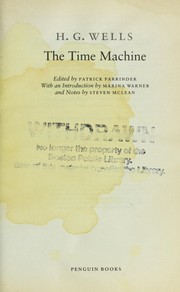
The Time Machine
Wells sends a Victorian inventor to the year 802,701, where idle Eloi and blind Morlocks share a dark human fate.
2,335-word summary · 10 min read

Silas Marner
A falsely accused weaver hoards gold in Raveloe until a stolen hoard and an abandoned child remake his narrow life.
2,699-word summary · 12 min read

Prelude to Foundation
A young Hari Seldon arrives on Trantor with a theory he cannot yet prove, and a hunt through the planet-city forces him to turn psychohistory into a real…
2,013-word summary · 9 min read

Archenemies
Nova steals for the Anarchists while Adrian hides his Sentinel identity, and a serum that erases prodigy powers puts them both at risk.
2,485-word summary · 11 min read

Carve the Mark
On a planet divided between conquered and conqueror, the tyrant's sister and a kidnapped oracle's son discover that their gifts make them useful to everyone…
2,340-word summary · 10 min read
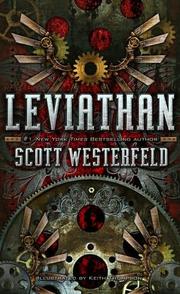
Leviathan
In an alternate 1914, a prince on the run and a girl disguised as a soldier meet aboard a living airship.
2,406-word summary · 11 min read

Consider Phlebas
The first Culture novel follows a spy for the opposing side, a man hired to hunt a fugitive through a war between an anarchist post-scarcity utopia and a…
2,350-word summary · 10 min read

The Moonstone
A cursed yellow diamond vanishes on the night of a birthday party, and eight witnesses tell what they saw.
2,603-word summary · 12 min read

Starsight
Spensa Nightshade goes undercover aboard the Superiority space station Starsight to steal a hyperdrive, and finds a frightened bureaucracy where she expected…
2,568-word summary · 11 min read

Saving the World and Other Extreme Sports
Max and the flock split in two to take down the lab behind their lives, one half in California and the other in Europe.
2,175-word summary · 10 min read
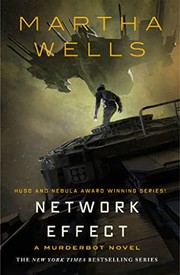
Network Effect
Murderbot's contract job turns into a rescue mission when a hijacked research ship and a colony of corrupted colonists appear.
2,256-word summary · 10 min read

Ivanhoe
A disinherited Saxon knight, a great tournament, a besieged castle and a trial by combat. Scott's most famous novel, set in England in 1194.
2,834-word summary · 13 min read

Heir to the Empire
Grand Admiral Thrawn returns from the Unknown Regions and outmaneuvers the New Republic while Luke, Leia, Han and smuggler Talon Karrde race him toward…
2,323-word summary · 10 min read

The Sword of Shannara
A young half-Elf and a company of companions set out to recover a magic sword before the Warlock Lord destroys the Four Lands.
2,474-word summary · 11 min read

The Last of the Mohicans
During the French and Indian War, Hawkeye and two Mohican warriors try to save two British sisters from a Huron chief whose revenge will end the Mohican line.
2,017-word summary · 9 min read

The Borrowers
A family of tiny people live under the floorboards of an English house, borrowing what they need until a lonely boy and a suspicious housekeeper change…
2,164-word summary · 10 min read

Saga, Volume 3
Marko, Alana, and Hazel hide on the planet Quietus with the reclusive author who inspired their romance, while assassins and a prince close in.
1,989-word summary · 9 min read

We Are Legion (We Are Bob)
A dead software engineer wakes up as a self-replicating space probe, clones himself into a squabbling fleet of Bobs, and tries to keep a ruined Earth alive.
2,357-word summary · 10 min read
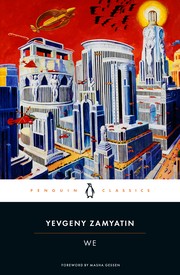
We
In a city of glass ruled by the Benefactor, a state engineer building a spaceship falls for a woman who wants to tear the One State down.
2,247-word summary · 10 min read

The Memoirs of Sherlock Holmes
Doyle's second Holmes collection gathers twelve Strand stories, including the early case of the Gloria Scott and the confrontation with Moriarty at Reichenbach…
2,390-word summary · 11 min read
The Lost City of Z: A Tale of Deadly Obsession in the Amazon
David Grann retraces Percy Fawcett's 1925 disappearance in the Amazon and finds that the lost city he sought was not entirely a fantasy.
2,493-word summary · 11 min read