
Reading options
What's inside (6 sections)
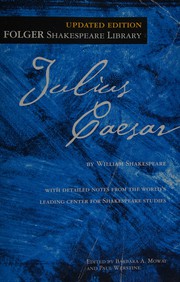
I reread this after watching news full of crowds shouting and thought Shakespeare had a camera in our streets. Julius Caesar by William Shakespeare was first printed in the 1623 First Folio by Edward Blount and Isaac Jaggard. This summary follows the Folger text in the Simon and Schuster paperback, 304 pages, ISBN 9781439196717. Shakespeare likely wrote it in 1599 for the new Globe. Romans in togas argue like neighbors about tyrants, honor, and who gets to speak last. I read it aloud in two evenings, which helps the speeches land.
The plot is famous but worth retelling straight. Caesar returns to Rome triumphant. Cassius fears he will become king and recruits Brutus, beloved for honor, to a conspiracy. They stab Caesar on the Ides of March with two dozen others. Antony, Caesar friend, asks to speak at the funeral and turns the mob against killers with repetition and a will. War follows. Brutus and Cassius lose at Philippi and fall on swords. Octavius and Antony remain to fight over the rest, which Shakespeare saves for another play.
What surprised me rereading is how little Caesar appears. He struts, coughs, boasts, and dies halfway. The play belongs to Brutus, who thinks most and acts worst, and to Antony, who says least at first and wins most. Power here is not title. It is language under pressure.
Omens and honor
The opening shows Rome restless. Tribunes scold workers for celebrating Caesar instead of Pompey. A soothsayer warns beware the Ides. Cassius tells Brutus stories about Caesar weak body to prove strong men make tyrants by kneeling. Swimming the Tiber. Fever in Spain. Epilepsy in public. Brutus listens because he loves Rome more than any man, or so he says. That love will be used.
Omens pile up in Act 1 and 2. Lions in streets. Men on fire walking. Owls at noon. Calpurnia dreams Caesar statue bleeding and begs him to stay home. Decius reinterprets the dream as flattering and shames Caesar into going. Audiences laugh at superstition, then feel it when warnings ignored lead exactly where warned. Shakespeare does not say fate rules. He says warnings work only if pride lets them.
Brutus study scene is the moral core. Alone at night, reading forged letters Cassius planted, weighing oath against oath. He decides Caesar must die not for what he did but for what he might become. A serpent egg. Kill in shell. That logic, preemptive murder for future tyranny, should chill. Brutus calls it sacrifice and bans oaths because honor should suffice. The other conspirators agree too fast. Already you see the flaw. Men who will not swear to each other will not hold Rome together after.
Portia, Brutus wife, demands to share his burden and stabs her thigh to prove constancy. He promises to tell her, then never does. That broken promise tells you Brutus love of principle exceeds love of persons. He will kill a friend for Rome but will not trust his wife with fear. It is noble and cold at once. Later, when Portia dies offstage by swallowing fire, Brutus hears it twice and reacts with Stoic calm that feels like ice. Cost of honor, paid by others first.
A classroom note. Students often ask if Brutus is villain or hero. Shakespeare refuses. He gives Brutus the best reasons and the worst results. Honor without politics. Idealism without listening. If you stage him as pure hero, Antony funeral speech makes no sense. If as villain, his death speech moves no one. Play him torn and the play works.
Ides and funeral
The murder scene is fast and ugly. Caesar enters the Capitol with conspirators kneeling about a banished brother. Casca stabs first. Others follow. Caesar fights until Brutus cuts, then covers his face. Et tu, Brute. Then fall. No long last words. That brevity matters. Tyrants die like men when knives are many. The poetry comes after, when killers try to justify.
Brutus speaks first to the crowd in prose, plain and logical. Romans, believe me for mine honor. He lists reasons. Ambition. Love of Rome. No proof, only character. The crowd buys it briefly because Brutus credit is good. Then Antony enters with Caesar body and a paper will he claims not to read. His speech is verse, musical, and ruthless. Friends, Romans, countrymen. He calls killers honorable men until honorable means murderous. He shows wounds. He reads the will. He points to where to burn and loot. The mob that cheered Brutus now hunts him. Rhetoric beats reason when blood is fresh.
This is why the play is taught forever. Two speeches, same facts, opposite results. Brutus appeals to heads. Antony appeals to hearts and purses. Shakespeare, an actor as well as writer, knew which wins a crowd at 3 p.m. in the Globe and at any rally now. I read both aloud and felt Antony pull even knowing the trick. Repetition works. Props work. Pause works. If you ever speak in public, study these fifty lines more than any manual.
After the funeral, the play shifts to war and guilt. Octavius arrives young and cold. Antony and Octavius argue over proscriptions, marking men to die with pen strokes. Brutus and Cassius argue over bribes in a tent, the famous quarrel scene where friendship nearly breaks under stress. Brutus accuses Cassius of selling offices. Cassius offers his dagger and bares his chest. They weep and reconcile. It is the most human scene in the play because ideals meet fatigue. Even conspirators get tired and petty.
The ghost of Caesar appears to Brutus before Philippi, saying we meet again there. Whether ghost or guilt, it signals that murder planted something that will fruit. Brutus, who killed to prevent a king, now faces two men who will become worse than kings. Irony without a wink. Shakespeare lets events teach.
Philippi and after
The battle is told in half seen clashes and wrong reports, which suits a play about misreading. Cassius, thinking his best friend captured, has his servant kill him. The friend was not captured. Brutus, losing, asks his men to hold his sword. They refuse until Strato agrees. Brutus runs on it, dying as a Roman of old stories. Antony finds the body and calls him the noblest Roman of them all. That praise from an enemy seals Brutus tragedy. Right motive, wrong act, paid in full.
Octavius takes charge even in victory, ordering honorable burial. The future belongs to him, not to Antony warmth or Brutus honor. Cold youth who watches and waits. Shakespeare audience knew Octavius becomes Augustus, first emperor. The republic Brutus killed to save dies anyway. That dramatic irony hangs over the end without a speech. You feel it if you know history. If not, Antony unease tells you. We won, but what.
What stays with me is the play question about ends and means. Brutus argues the end, a free Rome, justifies stabbing a friend. Antony argues loyalty justifies burning Rome to avenge a friend. Both claim love. Both leave bodies. Shakespeare does not pick. He shows crowds swayed, friendships broken, and ideals curdled by blood. The only characters who keep hands clean, like Octavius, do so by letting others bleed first. That is bleak and honest.
Staging crowds and ghosts
A practical note for readers and watchers, because this play lives on stage more than page. Crowds are characters, not background. The opening tribunes, the funeral mob, the soldiers at Philippi each shift with wind. Good productions cast them as neighbors, not extras. Jeering, listening, turning. When Antony shows Caesar wounds, the crowd should gasp as one body then split into hands grabbing torches. If you read alone, mark crowd lines and say them aloud. Feel how fast we becomes kill.
The ghost appears once and colors everything after. Whether you stage it as armor, shadow, or light, its line is short. Thou shalt see me at Philippi. Brutus answers calmly, but his sleep after breaks. Modern stagings often have Caesar ghost attend Philippi silently, standing where Brutus cannot look. That choice makes guilt visible without words. I like it because the play is already full of speeches. Silence from the dead says more.
Portia and Calpurnia deserve more stage time than they get, so direct them with care. Portia thigh wound should be shown, not told, if your production allows. A limp that Brutus ignores tells their marriage faster than dialogue. Calpurnia dream should be played as terror, not hysteria. She knows Rome and knows her husband. When Decius reinterprets her dream as flattery, her face should show she knows she lost to vanity. Those small female moments anchor male honor talk in bodies that pay.
For students, track honor word counts. Brutus says honor most when most unsure. Cassius says freedom most when most manipulative. Antony says honorable most when meaning murderer. Shakespeare flags self deception through repetition. Circle each honor and ask who benefits if believed. By Philippi the word sounds hollow, which is the point. Language worn by use buys less.
Cassius deserves a fuller portrait because he is often played as mere villain. He is a skilled soldier passed over for promotion, a republican who truly fears one man rule, and a friend who loves Brutus enough to manipulate him for what he sees as good. His letters, thrown through Brutus window in different hands, show political craft. His Tent quarrel shows pride that can admit fault. When he dies on wrong news, it is not only despair. It is a man who trusted reports over eyes once too often. That failure mirrors Brutus larger error about crowds.
Cinna the poet death, often cut, should be kept in mind. After Antony speech, the mob kills a man named Cinna because he shares a conspirator name, despite his protests that he is a poet, not a plotter. That brief horror shows what rhetoric unleashes when names matter more than persons. Shakespeare includes it as warning. Mobs do not check IDs. If you stage or read the play now, that scene will feel uncomfortably current about online pile ons. Keep it. It is the cost of Antony brilliance. Teachers who keep it report students gasp, which proves the point about crowds better than any lecture. I also recommend tracking entrances and exits in Act 4. Characters enter breathless with wrong news, exit to act on it, then return corrected too late. That coming and going rhythm is Shakespeare showing how war runs on rumor. Read those scenes fast, almost farcically, and the tragedy lands harder. Haste kills more surely than daggers. Keep Fluellen style comparisons out and let Rome stay Rome. The play needs no modern dress to feel modern.
Read it aloud with friends, assigning parts. Cassius bitter. Brutus torn. Antony smooth. Casca blunt. Portia fierce. You will hear how verse shifts with lying versus grieving. Keep a list of omens and see which characters heed which. Notice how often men mention honor when they mean fear. By Philippi you will understand why this play gets quoted at protests and funerals alike. Friends, Romans, countrymen still works because we are still Romans, swayed and sorry.
If you teach or study, pair the funeral speeches with a modern speech that moved a crowd. Map repetition, props, and pauses. Then ask who is Brutus in your world. The honorable person whose good name sells a bad act. Every age has one. Shakespeare wrote him first and best.
FAQ
When was Julius Caesar first printed?
First printed in the 1623 First Folio by Edward Blount and Isaac Jaggard. This summary follows the Folger text in the Simon and Schuster paperback, 304 pages, ISBN 9781439196717.
Is it part of a series?
No. It stands alone among the Roman plays, though Antony and Octavius return in Antony and Cleopatra.
Similar books
Othello
Iago's lies drive the Moor of Venice to murder his innocent wife in Shakespeare's tragedy of jealousy.
2,409-word summary · 11 min read
Macbeth
Macbeth hears witches hail him king and murders Duncan with Lady Macbeth pushing him on.
4,056-word summary · 18 min read
Hamlet
Hamlet sees his father's ghost in Elsinore and pretends madness to test Claudius and Gertrude while Denmark slides toward duel and death.
2,996-word summary · 13 min read
Romeo and Juliet
Shakespeare's Romeo and Juliet retold: Verona feud, balcony, Friar's plan, and why the last minutes collapse.
2,531-word summary · 11 min read
Twelfth Night
Viola disguised as Cesario woos Olivia for Orsino while a forged letter ruins Malvolio in Illyria.
2,546-word summary · 11 min read
The Merchant of Venice
Antonio borrows from Shylock to fund Bassanio, Portia picks suitors by chests, and a courtroom bond comes due.
2,950-word summary · 13 min read
The Tempest
Prospero raises a storm to wreck his enemies on his island, where his daughter meets a prince and old wrongs face trial.
2,890-word summary · 13 min read
A Midsummer Night's Dream
Four lovers flee to a forest where fairies mix them up, while workmen rehearse a play for a duke's wedding.
2,597-word summary · 12 min read
Rosencrantz and Guildenstern Are Dead
Stoppard's 1966 play retells Hamlet from the wings, where two minor courtiers wait, joke, and walk toward a death they cannot see.
2,021-word summary · 9 min read
Faust, Part One
A restless scholar bets his soul against one perfect moment, then ruins an innocent girl in Goethe's 1808 verse tragedy.
2,568-word summary · 11 min read
A Streetcar Named Desire and Other Plays
Blanche DuBois moves in with Stella and Stanley in New Orleans while her past closes in, plus two more Williams plays.
2,902-word summary · 13 min read
Sonnets & Poems
154 sonnets plus Venus and Adonis and other poems on time, love, and fading beauty.
2,341-word summary · 10 min read
The Taming of the Shrew
Petruchio woos sharp-tongued Kate while suitors scheme for sweet Bianca in Shakespeare's rowdy early comedy of marriage and disguise, first printed in 1623.
3,605-word summary · 16 min read
King Lear
An old king divides his realm by flattery, and learns too late which daughter loved him in silence.
2,123-word summary · 9 min read

Revolutionary Road
A Connecticut couple who believe they are too good for the suburbs plan to move to Paris, and the plan slowly exposes everything they cannot say to each other.
2,085-word summary · 9 min read

Sophie's Choice
A young Southern writer in 1947 Brooklyn befriends a brilliant, unstable couple and slowly learns the story of the Polish Catholic woman at the center of their…
2,798-word summary · 12 min read

The Story of Edgar Sawtelle
A mute boy on a Wisconsin dog-breeding farm relives Hamlet as his uncle returns, his father dies in the barn, and the dogs inherit what is left.
2,392-word summary · 11 min read
The House of Mirth
Lily Bart, beautiful and penniless at twenty-nine, navigates New York's marriage market until a Dorset yacht scandal strips her of the only currency she has.
2,468-word summary · 11 min read
A Raisin in the Sun
Lorraine Hansberry's 1959 play follows the Younger family as a $10,000 insurance check, a house in a hostile neighborhood, and a stolen investment test their…
2,444-word summary · 11 min read
Pygmalion
Higgins bets he can pass flower girl Eliza off as a duchess.
2,521-word summary · 11 min read
The Heart is a Lonely Hunter
A deaf man becomes the quiet center for lonely souls in a small Georgia mill town.
2,000-word summary · 9 min read
Ethan Frome
In snowy Starkfield, farmer Ethan Frome falls for his wife's young cousin Mattie, and one sled ride ends any hope of escape.
2,558-word summary · 11 min read
The Sorrows of Young Werther
A young artist writes letters about his love for Lotte, promised to another, until feeling turns fatal in Goethe's 1774 classic.
2,934-word summary · 13 min read
The Glass Menagerie
Tom Wingfield recalls St. Louis life with his mother Amanda and shy sister Laura, until a gentleman caller comes to dinner.
2,953-word summary · 13 min read
A Doll's House
Nora forges a loan to save Torvald, then walks out on doll life at Christmas.
2,468-word summary · 11 min read
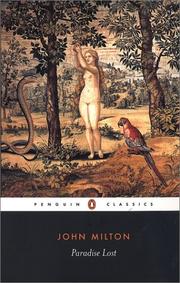
Paradise Lost
Blind Milton's epic of Satan's revolt, Adam and Eve's fall, and their hard walk out of Eden.
2,963-word summary · 13 min read
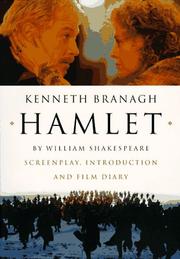
Hamlet: Screenplay, Introduction and Film Diary
Kenneth Branagh's 1996 book pairs his full four hour Hamlet screenplay with an intro on staging it uncut and a diary from the 70mm shoot at Blenheim Palace.
2,903-word summary · 13 min read
No Longer Human
A shy boy becomes a clowning teen and a lost adult in postwar Japan, told in notebooks that read close to confession.
2,320-word summary · 10 min read
Waiting for Godot
Two tramps wait by a tree for Godot who never comes, with jokes, boots, and silence.
2,045-word summary · 9 min read
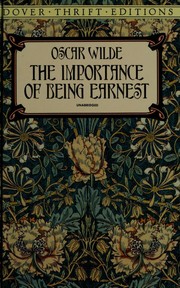
The Importance of Being Earnest
Jack and Algernon invent Ernest to court Gwendolen and Cecily until fiction collapses.
2,538-word summary · 11 min read