
King Lear
2,123-word summary 9 min read 384 pages in the book
- First published
- 1606
- Publisher
- Washington Square Press
- Pages
- 384
- ISBN
- 9780743484954
Reading options
What's inside (12 sections)
I teach King Lear as the play that ruins every other family drama, because nothing after it feels quite as large. William Shakespeare wrote it around 1605 to 1606, first performed at court in December 1606. The Washington Square Press Folger edition I cite runs 384 pages with ISBN 9780743484954. An old king divides his kingdom by flattery, two daughters take everything, and the third who told the truth dies for it anyway. Storms outside. Madness inside. A subplot about another old father blinded by his bastard mirrors the main wound. It is brutal, long, and strangely tender at the end. No other tragedy asks so much of its actors or its audience.
Lear opens with a love test that is really a retirement plan. Eighty, tired, wanting to shed rule while keeping the name, Lear calls his daughters to divide Britain by how sweetly they speak. Goneril, married to Albany, pours honey. She loves him beyond sight and speech. Regan, married to Cornwall, outbids her sister. Lear turns to Cordelia, youngest, unmarried, his favorite. Say something to beat them, he urges. Cordelia, honest to a fault, says she loves him as a daughter should, no more and no less, and will love a husband half when she marries. Lear hears insult where she meant duty. He disinherits her on the spot, splits her share between the sisters, and banishes Kent for defending her. The King of France takes Cordelia without dowry, valuing her plain worth. Burgundy walks away. Already the pattern is set. Flattery gets land. Truth gets exile.
Kent returns in disguise as Caius to serve the king he loves. Lear keeps a hundred knights and a Fool who speaks in riddles that cut. Goneril moves first. She tells her steward Oswald to be cold to Lear men, then demands Lear halve his train. Lear rages, curses her womb, and rides to Regan expecting welcome. Regan and Cornwall have been warned by letter. They receive him with procedure. Keep twenty five men. Keep ten. Keep none. Ask Goneril forgiveness. Lear, who gave everything for words, finds words mean nothing now. He walks into a storm rather than beg. That walk is the play hinge. A king who commanded weather now begs it to crack its cheeks and drown steeples. Nature does not obey either.
The heath
Acts three and four on the heath are Shakespeare at his most exposed. Lear, Kent disguised, the Fool, and later Edgar disguised as mad Tom shelter in a hovel while thunder covers dialogue. The Fool jokes about division of kingdoms and wise men turned fools. Lear tears at his clothes, tries a mock trial of his daughters with stools for judges, and pities poor naked wretches for the first time in his life. Take physic, pomp, he cries. Expose thyself to feel what wretches feel. It is the only sermon the play allows its king, and it comes too late to save anyone but honest enough to matter.
Edgar plot runs alongside. Gloucester, a gullible earl, believes his bastard Edmund lies that legitimate Edgar plots murder. Edgar flees, strips, smears mud, and begs as Tom o Bedlam. Edmund charms Goneril and Regan both, promises each marriage after their husbands, and orders Gloucester eyes put out after Cornwall finds letters. The blinding scene is the hardest to stage and to watch. Cornwall gouges one eye. A servant intervenes and is killed. Regan kills the servant. Cornwall gouges the other and dies of the wound. Gloucester, blind, asks to be led to Dover cliffs to die. Edgar, still disguised, leads him to flat ground, describes a fall that never happens, and then speaks in another voice as a stranger who found him alive below. Some call it cruel. I call it mercy with stagecraft. A father who wants death is given a miracle instead.
Cordelia returns with French forces to save her father, not to conquer. Lear, half mad with weeds in his hair, is brought to her tent. He kneels. She lifts him. Their reunion is short and plain after so much verse. Forget and forgive, Lear begs. No cause, Cordelia answers. It is the gentlest line in the canon and it lasts about a minute before war resumes. Edmund, now ruling with Goneril and Regan, defeats the French, captures Lear and Cordelia, and orders them hanged in prison. The sisters destroy each other first. Goneril poisons Regan over Edmund, then stabs herself when Albany exposes her letters. Edgar kills Edmund in single combat and reveals himself to Gloucester, who dies of joy and grief at once. Too much revelation. Hearts cannot hold it.
The last scene
Lear enters with Cordelia dead in his arms. Howl, howl, howl. Actors dread and crave this entrance because there is nowhere to hide. Lear believes her lips move. He asks for a mirror, a feather, any sign of breath. None comes. He kills the captain who hanged her, a last flash of old strength, then fades while looking for breath that is not there. Do you see this, he asks, and dies. Albany and Kent are left with Edgar to rule, though Kent says he must follow his master to death and Edgar closes with the weight of this sad time we must obey. No gods are thanked. No order is restored that matters. The stage is covered with bodies of the young and the honest. That is the point Lear missed at the start. Love cannot be weighed in speeches. Power given for praise returns as cruelty.
Fool and Kent
Two minor figures carry the play conscience. The Fool, who vanishes halfway, tells Lear truths no one else dares in jokes about divided eggshells and honest dolts. Many productions have him hanged offstage with Cordelia, doubling the roles to suggest Lear kills his own conscience. Kent, blunt and loyal, serves in disguise, stocks Oswald in revenge, and weeps openly at the end. Both love Lear without flattery, which is why Lear needs them and cannot keep them. Cordelia is the third in this group, the daughter who loves and is silent. Three plain speakers against a court of flatterers. The court wins every battle and loses the meaning.
Staging notes
Lear demands doubling, weather, and stamina. The storm must be loud enough to force shouting without drowning verse. The blinding needs light that lets the audience see and then wish they had not. The hovel must hold four men and a storm of feeling. Act lengths test older actors. Lear is onstage for most of four hours, raging, weeping, carrying a body. Cordelia has few lines but must fill silence with presence. Edmund needs charm that explains why two sisters risk all. Directors cut the Goneril steward business at their peril. Small humiliations build the outrage that drives Lear out. Keep them.
Why it still hits
Modern families divide businesses, houses, and care duties with speeches no less false than Lear daughters. The play names that rot. Flattery as currency. Truth as rudeness. Old parents who test love because they fear uselessness. Adult children who perform care while counting rooms. Gloucester plot adds the father who trusts the wrong child because the wrong one speaks smoothly. Both fathers suffer the same education. Feel what wretches feel. It is not subtle, but families rarely are.
Content notes for teachers and readers. Self harm threats, suicide attempts discussed, eye gouging onstage, hanging of a young woman, poisoning and stabbing, war deaths, and a storm that genuinely frightens small children. Suitable for older teens and up with context. Read the Mowat and Werstine notes in this edition. They explain quarto differences without drowning you. The 1608 quarto and 1623 folio differ in hundreds of lines. Either text works onstage. Knowing both exist frees you from hunting one true Lear. There is none, which suits a play about uncertain worth.
Edgar as Poor Tom
Edgar time as mad Tom deserves its own note because it is the play strangest mercy. Framed by Edmund forged letter, Edgar strips naked on the heath, talks in devil names, and begs for alms while his blind father walks beside him unrecognized. Actors often play Tom for horror. Better to play him for control. Edgar chooses madness as shelter, performing fits to avoid murder while watching his father suffer. His speeches about fiends with many names are funny and frightening at once. When he finally reveals himself to Gloucester, the old man dies from the shock of joy. Edgar must then lead armies and fight Edmund while carrying that death. His closing lines about speaking what we feel carry weight because he spent three acts feeling everything while saying opposite. No character travels farther. Legitimate son to naked beggar to ruler. The road passes through mud. He never washes it fully off.
Goneril and Regan
The sisters are often played as monsters from entrance, which wastes their arc. Goneril starts as a competent manager married to a weak man. She runs a household, handles a father with a hundred drunken knights, and asks for reasonable cuts. Her cruelty grows with power and with Edmund flattery. By the time she poisons Regan, she has become what Lear accused. Regan travels the opposite path. Quieter at first, she hardens faster once given authority. Her line about Gloucester eyes, pluck it out, chills because it is administrative. No rage. Just procedure. Both want Edmund because he praises them as rulers rather than wives. Their rivalry is political as much as romantic. Two women raised to compete for one father love compete for one lover the same way. The play offers no good sister alternative except absent Cordelia. That absence is the point. Flattery sisters fill rooms. Honest ones leave. Rooms feel fuller before they empty.
Storm as character
The storm on the heath is not background. It speaks in thunder that covers kings, which is exactly what Lear needs. Directors often stage it with drums, lights, and rain machines that soak actors. That excess serves the text. Lear shouts at elements that do not answer, learning what subjects felt for years. Kent begs him to shelter. The Fool sings through chattering teeth. When Edgar as Tom emerges from the hovel, the storm frames four outcasts in one light. No crowns visible. Just wet men. Critics call this the leveling scene. Nature ignores rank. The play agrees and goes further. Only when Lear stops commanding weather does he start noticing people. That shift from imperative to pity marks his change. Classrooms should read the storm speeches aloud with noise. Shout to feel how little shouting moves. Then read the pity speech quietly. Pomp learns physic when lungs tire.
Cordelia silence
Cordelia few lines carry the play because she refuses the market from the start. Nothing, she says when Lear asks what she can say to draw a third. That nothing echoes through five acts until she returns with an army and the same plain speech. No cause, no cause. Actresses often play her as saint, which flattens. Better to play her as stubborn. A daughter who loves her father but will not perform love for land. Her bluntness costs her a dowry and gains her France, who values worth without price. In the final scene she has no lines at all, carried dead while Lear begs a feather to move. Silence completes the arc. She spoke truth once and was banished. She returns with truth in actions and dies for it. The play offers no heaven to balance the loss. Only Lear learning, too late, that silence weighed more than speeches. That learning is the tragedy gift. Small. Devastating. Enough.
I keep returning to Cordelia no cause. After four hours of bargaining, excuses, letters, and trials, one person refuses the market entirely. No reason. No deal. Just love as duty kept quiet. Lear learns it while carrying her body. We learn it watching him learn too late. That lateness is the tragedy. Not that the good die, though they do, but that the living finally understand in time only to grieve. Take physic, pomp. The play is the physic. It tastes terrible and works.
A word on text
The Folger edition used here modernizes spelling, glosses hard words on facing pages, and marks quarto only passages. King Lear first quarto appeared in 1608, folio in 1623. Most editors conflate. Folger notes where they differ. Year 1606 reflects first court performance in December that year. Some cite 1605 for writing. Either way this is late Shakespeare, with Macbeth and Antony beside it. Read it after Othello and before the romances. You will see a master pushing tragedy past comfort toward something like grace that never quite arrives.
FAQ
When was King Lear written?
First performed in 1606. The Washington Square Press Folger edition runs 384 pages and the ISBN is 9780743484954.
Who are the main characters?
Lear, his daughters Goneril, Regan, and Cordelia, Kent, Gloucester and his sons Edgar and Edmund, and the Fool.
Is it part of a series?
No. It stands alone among the tragedies, though it shares the late romances interest in reunion.
Similar books

The Story of Edgar Sawtelle
A mute boy on a Wisconsin dog-breeding farm relives Hamlet as his uncle returns, his father dies in the barn, and the dogs inherit what is left.
2,392-word summary · 11 min read
Antigone
A new king forbids burial to one brother. His niece defies him with dust and wine, and pride seals three tombs.
2,545-word summary · 11 min read
Oedipus the King
A king hunting a murderer learns the killer is himself, blind to the truth until he blinds himself.
2,012-word summary · 9 min read

Sonnets & Poems
154 sonnets plus Venus and Adonis and other poems on time, love, and fading beauty.
2,341-word summary · 10 min read
Julius Caesar
Brutus joins Cassius to kill Caesar for Rome, then loses Rome to Antony words and Octavius swords.
1,916-word summary · 9 min read
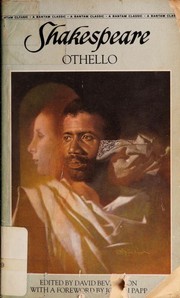
Othello
Iago's lies drive the Moor of Venice to murder his innocent wife in Shakespeare's tragedy of jealousy.
2,409-word summary · 11 min read
Macbeth
Macbeth hears witches hail him king and murders Duncan with Lady Macbeth pushing him on.
4,056-word summary · 18 min read
Hamlet
Hamlet sees his father's ghost in Elsinore and pretends madness to test Claudius and Gertrude while Denmark slides toward duel and death.
2,996-word summary · 13 min read
Romeo and Juliet
Shakespeare's Romeo and Juliet retold: Verona feud, balcony, Friar's plan, and why the last minutes collapse.
2,531-word summary · 11 min read
We Were the Mulvaneys
After a rape following a school dance, the Mulvaneys, a family that believed it was blessed, comes apart over fifteen years. Narrated by the youngest son.
2,094-word summary · 9 min read
The Tenth Circle
After Trixie accuses Jason of rape and he dies off a bridge, parents Daniel and Laura hide guilt and grace in Alaska flight.
2,164-word summary · 10 min read

Handle with Care
Parents of brittle bone daughter Willow sue best friend OB for wrongful birth, splitting marriage and friendships.
2,231-word summary · 10 min read
We Need to Talk About Kevin
In letters to her dead husband, Eva reconstructs how her son Kevin grew from a cold child into a school killer.
2,041-word summary · 9 min read
To the Lighthouse
On a Scottish island, the Ramsay family and their guests circle one postponed trip to a lighthouse across ten years of loss.
2,548-word summary · 11 min read

The Sound and the Fury
A ruined Mississippi family seen through three brothers across four days, closing on Easter Sunday with their servant.
2,226-word summary · 10 min read
Franny and Zooey
Two Glass family siblings wrestle with faith, phoniness, and breakdown across a weekend visit and a long phone call home.
2,286-word summary · 10 min read
Death of a Salesman
Willy Loman unravels as sons Biff and Happy return home, while Linda holds on and old Ben calls, toward a Requiem after a night in Boston.
2,343-word summary · 10 min read

Because of Winn-Dixie
Lonely Opal names a stray Winn-Dixie and finds ten friends, plus a way to ask her preacher father hard things.
2,024-word summary · 9 min read

The God of Small Things
Twins Rahel and Estha grow up in Kerala in 1969, where family rules and caste lines shape a loss that follows them into adulthood.
2,646-word summary · 12 min read

Tess of the D'Urbervilles
Tess Durbeyfield seeks work and love in Wessex, but assault and harsh judgment follow her from Marlott to Stonehenge.
3,726-word summary · 17 min read
Hamnet
Agnes Hathaway holds her Stratford family together while her husband works in London, until plague takes eleven-year-old Hamnet in 1596.
3,164-word summary · 14 min read

Nineteen Minutes
Sterling High student Peter Haddon commits a school shooting and lawyer Jordan McAfee defends him while Josie Cormier hides truth.
2,267-word summary · 10 min read

Where the Red Fern Grows
Billy earns two hounds and hunts raccoons in the Ozarks with love and loss.
2,990-word summary · 13 min read
The Taming of the Shrew
Petruchio woos sharp-tongued Kate while suitors scheme for sweet Bianca in Shakespeare's rowdy early comedy of marriage and disguise, first printed in 1623.
3,605-word summary · 16 min read
Twelfth Night
Viola disguised as Cesario woos Olivia for Orsino while a forged letter ruins Malvolio in Illyria.
2,546-word summary · 11 min read
The Merchant of Venice
Antonio borrows from Shylock to fund Bassanio, Portia picks suitors by chests, and a courtroom bond comes due.
2,950-word summary · 13 min read

The Tempest
Prospero raises a storm to wreck his enemies on his island, where his daughter meets a prince and old wrongs face trial.
2,890-word summary · 13 min read

A Midsummer Night's Dream
Four lovers flee to a forest where fairies mix them up, while workmen rehearse a play for a duke's wedding.
2,597-word summary · 12 min read

What Happened to Goodbye
Mclean has reinvented herself in four towns since her parents divorced. In Lakeview she uses her real name, and for the first time staying put becomes a choice.
2,796-word summary · 12 min read

The Long Winter
Dakota Territory, 1880: seven months of blizzards cut a town off from the railroad, and a family survives on twisted hay, ground wheat, and a dangerous wheat…
2,210-word summary · 10 min read