
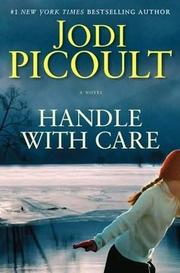
Handle with Care
2,231-word summary 10 min read 496 pages in the book
- First published
- 2009
- Publisher
- Atria
- Pages
- 496
- ISBN
- 9780743296410
Reading options
What's inside (8 sections)
I have read enough Picoult to expect courtroom tears and medical homework, and Handle with Care delivers both with a premise that made me argue out loud. Charlotte and Sean O'Keefe sue their best friend, an OB who missed signs of brittle bone disease in their daughter Willow, for wrongful birth. To pay for care, they must say in court they would have aborted a child they love. I finished unsure who was right, which is Picoult's favorite place to leave you.
Willow breaks
Willow O'Keefe is six with Type III osteogenesis imperfecta, brittle bones that break on sneezes, falls, hugs held too tight. She is bright, funny about casts, tired of pity stares at Disney World where staff mistake fractures for abuse. Parents Charlotte, ex pastry chef turned full time nurseadvocate, and Sean, cop who works overtime for bills, love her fiercely and drown in costs. Physical therapy, wheelchairs, surgeries, insurance fights. Older sister Amelia, teen from Charlotte's first relationship, parents herself through the cracks with skating and friends.
Picoult researched OI thoroughly without turning chapters into pamphlets. Breaks described by sound and aftermath rather than gore. A femur snapping on a slide, ribs cracking during a cough, the particular exhaustion of parents who sleep listening for cries. Willow narrates occasional chapters with wry wisdom that avoids saintly child trap. She loves reading, hates being called brave for existing, envies Amelia's unbroken body while loving her sister. Jealousy and love coexist without apology. That complexity makes her feel six rather than symbol.
The Disney trip that triggers plot shows system failures in miniature. Park staff see bruises and call security. Hospital staff see fractures and call child services. Sean shows badge to calm, Charlotte shows records, Willow cries that she fell. Everyone follows protocol and still harms because rare disease looks like abuse to tired eyes. The scene will resonate with parents of medically complex kids who carry letters to prove love. Picoult gets the humiliation and the necessity both. Safety nets that catch wrong.
What hooked me is how money shapes love here without making love mercenary. Charlotte quits work to manage care, Sean works extra to pay, Amelia skips skating camps to babysit. Each sacrifice is freely given and quietly resented. Resentment then guilts. That cycle, more than any courtroom, is the book's honest engine. Care costs and costs must be counted even when counting feels like betrayal.
Wrongful birth suit
Lawyer Marin Gates suggests the only suit that can pay for Willow's lifetime care. Sue OB Piper Reece, Charlotte's best friend and Willow's godmother, for missing 18 week ultrasound signs of OI. Claim that informed, the O'Keefes would have terminated or at least prepared. To win eight million, Charlotte must testify she would have aborted Willow, a sentence that chokes her every rehearsal. Sean must support a claim he finds morally repugnant as Catholic cop who loves his daughter exactly as she is. Best friendship must be performed as negligence for a jury.
Picoult, who excels at impossible choices, lays out both sides fairly enough to frustrate partisans. For suit: care costs millions, early diagnosis allows planning and safer delivery, doctors must answer for misses, love does not pay for wheelchairs. Against: valuing a life in dollars insults it, suing a friend who did her best destroys community, testifying to hypothetical abortion wounds Willow who will read transcripts. I argued with the book in margins and changed sides twice. That is the point. No clean answer, only bills and love pulling opposite.
Marin herself carries a parallel search that could feel tacked on but earns place. Adopted, seeking birth mother, finding her on the jury, learning she was product of rape and unwanted. Her story mirrors the suit's question. What does it mean to be wanted. She opposes wrongful birth privately while arguing it professionally, a conflict that makes her sharp in court and shaky outside. Her discovery that her birth mother does not want contact teaches her what Charlotte intuits. Being chosen by adoptive parents matters more than being kept by biology. That theme quietly supports the O'Keefes' love even as they sue over birth.
Trial chapters move with Picoult's usual research and reversals. Experts duel over ultrasound shadows. Nurses recall what was said. Amelia testifies about overhearing mother say she wishes Willow were never born, a line that damns though context softens. Sean, torn, testifies for defense against his wife to preserve his conscience, fracturing marriage on stand. Piper weeps while defending competence. Jury awards eight million. Everyone loses friendships even as they win funds. Justice as check that cannot be cashed without shame, literally, as final chapters show.
Amelia starves
Amelia O'Keefe, fifteen and overshadowed, deserves her own novel and nearly steals this one. Blonde, athletic, bright, she parents herself through Willow's crises until lawsuit consumes the last attention. She falls for a boy with OI met at convention, lies that she shares his disease to belong, is found out and dumped. She dye hair blue, shoplifts, vomits after meals, cuts thighs where skirts hide. Picoult writes bulimia and cutting without glamor or lecture. Binge descriptions focus on shame rather than food porn. Cutting scenes focus on relief rather than blood. Parents miss signs because Willow's crises fill rooms. That missing is not villainy. It is triage with casualties.
Her friendship with Emma Reece, Piper's daughter and former best friend, collapses under lawsuit weight. Emma, loyal to mother, recruits school to freeze Amelia. Hallway scenes sting with accurate teen cruelty. No notes, no seats, jokes about suing friends for being ugly. Amelia, who once had status through skating, learns how fast it goes when mothers sue. She responds by performing worse to be seen, a logic adults miss. If good girl gets ignored, bad girl gets noticed. Even punishment is attention when starved.
Sean discovers Amelia's illness through burst pipes eroded by vomit acid, a detail so specific it must come from plumbers Picoult interviewed. He confronts with cop directness softened by dad fear. No yelling, just I see you and we will get help. Charlotte suggests treatment center as family decision, but Amelia hears exile to clear field for Willow. Her court testimony that mother said she wishes Willow unborn comes from that wound as much as memory. Truth weaponized by hurt teen in a trial that rewards hurt. Picoult refuses to make her liar or hero. She is a kid telling partial truth to be heard at last.
Recovery, when it comes, is slow and untelevised. Outpatient program, painting instead of skating, returning home to parents who now look at her during dinner. No miracle chat fixes years. Small signs matter. Eating a full meal while Willow reads aloud. Asking for driving lessons. Forgiving Emma partially without reuniting. If you parent a teen beside a sick sibling, these chapters will feel like witness. The well sibling breaks quietly while monitors beep for the ill one. Both need holding.
Willow decides
The final chapter, narrated by Willow, reframes everything without excusing the suit. At six going on seven, bright enough to understand money and love as different currencies, she overhears enough to fear she is burden. Parents say they love her while a jury says she costs eight million. She loves them back while wondering if love would be easier without her. On a winter day she crawls onto backyard ice to skate like Amelia, though she cannot skate safely. Ice breaks. She drowns noting this time it was not her that broke. Whether accident, test, or giving gift of uncashed check, Picoult leaves open. I read it as child solving adult math the only way she can. Remove cost to save love.
Charlotte buries the check with Willow, never cashing. That act divides readers. Noble refusal to profit from death, or waste of care that could help other OI kids. Picoult lets Charlotte keep the check as love letter rather than funds. Sean reconciles after filing for divorce mid trial, not through grand speech but through shared grief that makes lawsuit seem distant. Marin accepts adoptive parents fully after birth mother rejection. Piper leaves practice for clinic work, forgiving without forgetting. No one returns to before because before included the conditions for suit. Money cannot fix what it broke, even uncashed.
A fair criticism is length and neatness at 496 pages. Medical info dumps slow middle. Marin's birth mother on jury strains belief. The drowning risks saintly disabled child trope, though Willow's wry voice resists for most of book. Still, courtroom tears work. I cried twice despite seeing strings. Picoult earns it through research and refusal to pick sides. She loves all her people enough to let them be wrong in interesting ways.
Read it if you like family courtroom dramas with medical depth, if you care for a fragile child, or if you want to argue about wrongful birth over dinner. Pair with My Sister's Keeper for another Picoult child cost puzzle, or with Nineteen Minutes for school violence from her shelf. Handle with Care, the title warns about babies and truths both. Hold gently. They break. So do friendships, marriages, and best laid plans to pay for love with lawsuits. Bury the check. Keep the child in memory, not in bank.
Piper, Marin, and friendship on trial
Piper Reece, OB and best friend, carries the book's most painful adult arc after Charlotte. Competent doctor who missed a shadow on ultrasound at eighteen weeks, godmother who loves Willow, wife and mother whose own family fractures under suit. She continues prenatal care while deposed, second guessing every scan she reads. Rob, her husband, supports publicly while privately wondering if fatigue caused miss. Emma, her daughter, loses best friend Amelia to lawsuit sides. Piper's leave from practice to work clinic shifts for the poor feels both penance and relief. Fewer high risk scans to miss, more sore throats she can fix. Picoult refuses to make her villain or martyr. She is a good doctor who made a possible error under time pressure that the system then turns into eight million dollars of blame. Readers in medicine will flinch at how quickly colleagues distance to avoid taint.
Marin Gates, lawyer who argues a claim she privately opposes, gives the novel its ethical spine outside family. Adopted by loving parents, searching for birth mother through sealed records, she finds her on the jury deciding Charlotte's fate. That coincidence strains belief, but Picoult uses it to mirror wrongful birth questions. Marin's birth mother, product of rape who gave her up, does not want contact. Marin must accept that being given up can be love rather than rejection, a lesson that reframes Charlotte's suit. Suing over birth does not mean wishing unbirth, though it sounds so in court. Marin argues the distinction brilliantly in closing while doubting it over drinks after. Lawyers who do not believe their own closings drink alone for reasons this book understands.
Friendship between Charlotte and Piper, once built on skating playdates and recipe swaps, dies in depositions where every coffee chat becomes exhibit. They try to preserve girls' friendship while mothers litigate, driving Amelia and Emma to joint outings that end in tears when lawyers warn against contact. The girls, who loved each other before suits, learn adult conflicts infect even when adults promise otherwise. Picoult shows how lawsuits colonize everyday life. Grocery encounters require lawyers. School pickups need schedules to avoid. Apologies sound like admissions. By the time jury awards money, no friendship remains to celebrate with. Both women understand the price and pay anyway because systems offer no other way to fund care. That indictment of American health finance, where suing friends is rational, lingers longer than any tearful testimony.
OI life and skating dreams
Willow's daily life with OI type III needs attention beyond courtroom to honor the book's research and its lead. Mornings start with checking what broke overnight from turning. A sneeze can crack ribs. A hug must be measured. Charlotte wraps her in padding for playgrounds where other kids stare. Sean carries her up stairs he means to ramp when money allows. School provides aides who hover too close for Willow's taste. She wants to be student, not lesson in bravery for classmates assigned to help. Her intelligence, reading years ahead, bores in classes slowed for her body though mind races. Picoult lets her be bored and bratty about it rather than grateful for access. That prickliness keeps her human when saintliness would flatten.
Skating dreams carry particular ache because Amelia skates beautifully and Willow watches from bleachers wrapped in blankets. She learns terms, Axels and loops, to talk with sister as equal in knowledge if not practice. On ice with Amelia's help, in boots that support ankles though doctors warn, she glides a few feet holding sister's hands and feels flying that able bodied readers take for granted. That scene, brief and unauthorized by doctors, is the book's most joyful before the pond ending mirrors it darkly. Joy on ice with sister, then death on ice alone. The parallel is deliberate and devastating without moralizing about risk. Disabled kids deserve joy that includes danger, Picoult suggests, even when danger wins. Protection that forbids all risk also forbids living. Charlotte learns this too late to save Willow but in time to let Amelia skate again without guilt shadowing every jump.
FAQ
When was Handle with Care published?
Atria published it on March 3, 2009. It runs 496 pages and debuted at number one on bestseller lists.
What illness does Willow have?
Osteogenesis imperfecta type III, brittle bone disease causing frequent fractures from little trauma.
Does Charlotte keep the money?
Yes. She buries the eight million dollar check with Willow after Willow drowns, never cashing it.
Similar books
The Tenth Circle
After Trixie accuses Jason of rape and he dies off a bridge, parents Daniel and Laura hide guilt and grace in Alaska flight.
2,164-word summary · 10 min read
Nineteen Minutes
Sterling High student Peter Haddon commits a school shooting and lawyer Jordan McAfee defends him while Josie Cormier hides truth.
2,267-word summary · 10 min read

House of Sand and Fog
A foreclosed California house pits recovering addict Kathy against Iranian immigrant Behrani, with a deputy whose obsession turns fatal.
2,008-word summary · 9 min read
All We Ever Wanted
A Nashville photo of a drunk boy over a passed out girl splits three families along money and race lines.
2,278-word summary · 10 min read
Change of Heart
Jodi Picoult's Change of Heart follows June Nealon, her ill daughter Claire, and death-row inmate Shay Bourne, whose wish to donate his heart forces a trial…
2,746-word summary · 12 min read

The Story of Edgar Sawtelle
A mute boy on a Wisconsin dog-breeding farm relives Hamlet as his uncle returns, his father dies in the barn, and the dogs inherit what is left.
2,392-word summary · 11 min read
We Were the Mulvaneys
After a rape following a school dance, the Mulvaneys, a family that believed it was blessed, comes apart over fifteen years. Narrated by the youngest son.
2,094-word summary · 9 min read
Empire Falls
Grill manager Miles stays in dying Maine town for daughter while past pulls.
2,072-word summary · 9 min read
We Need to Talk About Kevin
In letters to her dead husband, Eva reconstructs how her son Kevin grew from a cold child into a school killer.
2,041-word summary · 9 min read

The God of Small Things
Twins Rahel and Estha grow up in Kerala in 1969, where family rules and caste lines shape a loss that follows them into adulthood.
2,646-word summary · 12 min read
And the Mountains Echoed
When Abdullah and Pari are split in 1952 Afghanistan, their parting echoes across decades from Kabul to Paris to California in linked stories of loss and…
2,572-word summary · 11 min read

The Memory Keeper's Daughter
On a snowy night a doctor gives away his newborn daughter and tells his wife she died.
2,154-word summary · 10 min read
Vanishing Acts
A search-and-rescue worker's perfect life cracks when her past and her father catch up.
2,799-word summary · 12 min read
A Spark of Light
A gunman takes a Mississippi abortion clinic hostage as a negotiator finds his own daughter inside.
2,486-word summary · 11 min read

The Guest
Cast out of her wealthy boyfriend's Hamptons house, twenty-two-year-old Alex spends five days talking her way through other people's homes and accounts.
2,165-word summary · 10 min read

Revolutionary Road
A Connecticut couple who believe they are too good for the suburbs plan to move to Paris, and the plan slowly exposes everything they cannot say to each other.
2,085-word summary · 9 min read

Howards End
Forster's 1910 novel follows two families, a house in Hertfordshire, and a burned note, asking whether money and feeling can ever be connected.
2,187-word summary · 10 min read

Sophie's Choice
A young Southern writer in 1947 Brooklyn befriends a brilliant, unstable couple and slowly learns the story of the Polish Catholic woman at the center of their…
2,798-word summary · 12 min read

Fathers and Sons
Arkady brings the nihilist Bazarov home to his father's estate, and a generational argument turns into love, a duel, and an early death.
2,192-word summary · 10 min read
Unaccustomed Earth
Lahiri’s second story collection follows Bengali families in America and abroad, tracing the quiet distances between parents and children, spouses, and the…
2,333-word summary · 10 min read

The Age of Miracles
A California girl grows up while the Earth's rotation slows, and ordinary adolescence continues alongside slow catastrophe.
2,417-word summary · 11 min read
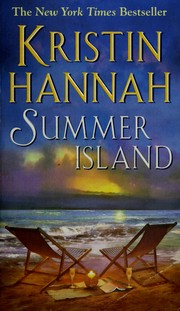
Summer Island
A radio advice host hides a scandal, and the estranged daughter hired to write about it agrees to care for her at the family's island house.
2,325-word summary · 10 min read
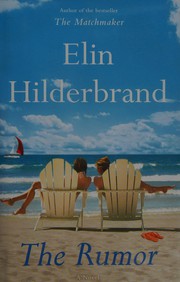
The Rumor
Two Nantucket best friends, Madeline and Grace, watch a summer of small indiscretions get retold into gossip that reshapes both their households.
2,017-word summary · 9 min read

The Girls in the Garden
Clare moves her daughters to a gated London garden where the community feels safe; at the midsummer party, twelve-year-old Pip finds her sister bleeding in the…
1,973-word summary · 9 min read

Peace Like a River
An asthmatic boy in the early 1960s narrates his family's search for his older brother, who is accused of two killings and has escaped custody.
1,969-word summary · 9 min read

We Are Okay
Marin fled San Francisco after her grandfather vanished and stopped answering anyone. When Mabel visits her college dorm, she has to say what happened.
2,253-word summary · 10 min read

The Chosen
A shattered pair of glasses in a 1944 Brooklyn softball game starts a friendship between a Hasidic boy and his Orthodox neighbor, and their fathers pull them…
2,443-word summary · 11 min read

A Spool of Blue Thread
Four generations of the Whitshank family in Baltimore, and the silences, resentments and quiet love they hand down without ever saying so.
2,408-word summary · 11 min read
Where We Belong
Marian's orderly New York life cracks when the daughter she gave up for adoption arrives, and the search for the father forces her to tell the truth.
2,056-word summary · 9 min read

This Is How You Lose Her
Yunior cycles through love affairs and betrayals in nine linked stories, tracing the damage he does and the family history behind it.
2,195-word summary · 10 min read