

The Tenth Circle
2,164-word summary 10 min read 387 pages in the book
- First published
- 2006
- Publisher
- Allen & Unwin
- Pages
- 387
- ISBN
- 9781741146936
Reading options
What's inside (8 sections)
I have read enough Jodi Picoult to know she will take a headline moral puzzle and refuse to let anyone stay clean, and The Tenth Circle does that with date rape, suicide, and parents who lie to protect kids. It follows the Stones in Maine after freshman Trixie accuses ex boyfriend Jason of rape, then Jason dies off a bridge. At 387 pages with comic pages woven in, it is classic Picoult. Research heavy, tear jerking, a little neat, hard to put down.
Trixie says rape
Trixie Stone is fourteen, freshman, bright, dating popular junior Jason Underhill. After a party at a friend's house with drinking, she says Jason raped her in a bedroom while she said no and froze. Jason says it was consensual and she regrets because she cheated. School splits instantly. Girls who were friends post doubts. Boys who want Jason's approval threaten. Administrators suspend both pending police to avoid lawsuits. Trixie's best friend Zephyr believes and also pulls away from fear of being targeted next. The town, small and hockey mad, chooses its star.
Picoult writes the party and its aftermath without graphic excess but with clear detail about freezing, a response many survivors recognize and juries misunderstand. Trixie showers, saves clothes too late, tells a nurse different pieces on different days because shame scrambles order. Police note inconsistencies as lies rather than trauma. Jason's parents hire a lawyer who frames Trixie as drama seeking. Social media of 2006, primitive by now with texts and IMs, spreads rumors faster than facts. Replace group chat with any app and the mechanics feel current.
Daniel Stone, father and comic book artist from Alaska Yupik country, believes instantly and clumsily. He wants to hit Jason, to keep Trixie home, to draw the pain into his comic The Tenth Circle where a father descends through Dante's hell to save a daughter. Laura Stone, mother and college professor sleeping with a student, believes but also calculates. An accusation will stain college applications, friendships, her own affair if exposed as distraction. Both love Trixie and fail her in opposite ways. One with rage, one with management.
What works is how Picoult shows belief as action, not slogan. Daniel drives Trixie to exams, sits outside parties, learns the names of every boy present that night. Laura emails teachers for extensions, finds a therapist who does not blame, and stops sleeping with her student though too late to keep moral high ground. Neither response fixes town talk, but both tell Trixie she matters more than reputation. That message gets lost later when parents lie to protect her, but early chapters get it right.
Jason dies
Jason, whose life is supposedly ruined though college scouts still call, jumps or falls from a bridge in town and dies. Grief flips blame. Now Trixie is accused of pushing him for revenge. Moss, Jason's best friend dating Zephyr, says Trixie threatened. Texts show she wrote wish you were dead in anger. Police, who doubted rape, now doubt suicide. Trixie, terrified, flees to Alaska where Daniel grew up among Yupik relatives, hoping distance will cool suspicion. It does the opposite. Flight reads as guilt.
Daniel and Laura follow to bring her home and find her in a village where Daniel's past lives in every cousin's face. He left Alaska to become an artist in Maine, ashamed of rough childhood and a father who drank. Returning forces him to ask help from family he abandoned. Uncles lend snowmachines without questions. Aunts feed Trixie seal soup and listen without taking notes. The Alaska chapters slow the thriller to show another justice system. Community watching, storytelling, survival skills. Trixie learns to cut fish, to listen to elders, to sleep without locking doors that do not lock. Healing happens through work, not talk.
Back in Maine, police build a case from texts and motive. Laura, who was present on the bridge that night to confront Jason about hurting Trixie, hides her presence because she fears affair exposure and because she pushed Jason when he lunged drunk and blaming. Actually she held his hand as he dangled, then let go when his weight threatened to pull her too and when she thought of Trixie. That letting go is the book's moral center. Not quite murder, not quite self defense, a choice made in seconds that law must judge and conscience cannot. Picoult withholds this until late, letting readers judge Trixie first and then rejudge.
The comic within the novel mirrors the plot with a father descending past nine circles to a tenth of his own making for parents who fail. Daniel draws himself horned and heavy, Laura as distant light, Trixie as child to carry. The art by Dustin Weaver is rough and dark, a nice break from prose that tells rather than shows. Some readers skip comics. Do not. The hidden Demosthenes quote about self deceit lands there and keys the theme. What each man wishes he also believes true. Every Stone wishes a version where they are innocent enough.
Laura lets go
The reveal that Laura was on the bridge reframes everything. She went to scare Jason from suing, found him drunk and raging about Trixie ruining his life, argued as he lunged. She grabbed, held, then released when her shoulder tore and when she calculated, in a flash mothers will recognize and hate, that saving him risked leaving Trixie motherless. She tells Daniel last, after Trixie is cleared in public opinion by Alaska alibi that Laura arranged through lies. Confession scenes between husband and wife are the book's best writing. No yelling, just flat facts and long pauses. Daniel, mild all book, goes cold. You let our daughter think she killed him. Laura answers she let her think she might have to keep her from knowing her mother did.
Legal fallout is soft pedaled in ways that frustrate. Laura faces little formal consequence beyond social ruin and marriage strain. Picoult focuses on family court of opinion rather than criminal court, which fits her interest in private punishment over prison. Daniel stays but cannot touch Laura for months. Trixie, told partial truth that Jason slipped, senses more and stops asking to preserve what family remains. That bargain feels true to teens who choose peace over full story when adults finally break.
Affairs and lies braid through. Laura's student lover threatens to expose if she fails him. Daniel's rough past includes fights he hid. Trixie's friends lie about that night to protect boyfriends. The town lies to protect hockey. Everyone practices self deceit from the epigraph. Picoult does not excuse. She maps how small lies to avoid shame grow into bridge deaths. Honesty early, she suggests, might have saved Jason though rape would still have happened. Prevention versus cure is the quiet argument. Teach consent before parties, believe first reports, supervise without spying.
A fair criticism is neatness. Alaska heals a bit fast. Comic parallels underline too hard. The Demosthenes quote appears twice. Picoult researches Yupik life respectfully but briefly, risking tourist gaze. Still, the pages on freezing response and on mothers letting go to save themselves will stay with many readers. I finished angry at Jason's parents' lawyer and sad for all three Stones. No one gets what they wanted. Trixie gets belief at cost of mother's guilt. Daniel gets daughter back at cost of wife's truth. Laura gets family intact at cost of self image. That is Picoult's tenth circle. Not hellfire, but kitchen table where everyone knows and eats anyway.
Comics, Dante, and Alaska detail
Daniel's comic The Tenth Circle, drawn in stark panels by Dustin Weaver, deserves attention as more than gimmick. A father descends through ice and fire to retrieve a daughter, meeting versions of Jason, Laura, and himself as demons who speak truths he avoids. The art is rough, anatomies stretched, lettering cramped. That roughness suits a man drawing between hospital visits and police interviews. When Daniel finally shows Trixie the finished pages, she sees herself as worth descending for rather than as accusation to defend. Art as apology works where words failed because lines can hold contradictions speech smooths over. I am sorry and I failed and I love you fit in one frame.
Dante framing is light enough for readers who never finished Inferno. Nine circles for sins from limbo to treachery, plus Picoult's tenth for parents who deceive themselves about children. Daniel lectures Trixie on contrapasso while driving, earning eye rolls that hide listening. Laura teaches Dante in college with feminist critiques her students quote back when scandal breaks. The book does not require homework. Know that hell is organized by choices and that self deceit is the coldest circle because it freezes change. That suffices to feel the title land when Laura admits she let go.
Alaska Yupik detail, though brief, avoids worst tourist traps through specific work. Cutting salmon, mending nets, listening to elders who speak Yupik and English in turns, sleeping in houses where cousins rotate couches without fuss. Daniel's relatives welcome Trixie without asking for story, feeding first and questioning later. That protocol shames Maine's interrogation first approach. Healing happens through useful hands rather than therapy talk. Trixie learns to fillet without gagging, to haul water without spilling, to sit through silence without filling with phone. Skills rebuild self after assault and accusation stripped control. When she chooses to return to Maine to face process, it reads as strength rather than surrender because she leaves a place that taught her how to stay.
Zephyr, Moss, and school fallout
Zephyr Santorelli-Weinstein, Trixie's best friend, carries the book's hardest friendship test. Loyal since childhood sleepovers, funny about teachers, present at the party but drunk in another room when assault happens. She believes Trixie instantly and also fears guilt by association when Jason's friends target anyone on Trixie's side. Dating Moss Minton, Jason's best friend, splits her further. Moss demands she choose him over Trixie, framing loyalty as romance test. She tries to keep both boys and girl and fails all three for weeks. Picoult writes teen girl friendship with rare accuracy here. Love expressed through borrowed clothes and shared chargers, hurt expressed through silence in halls. No big betrayal speech, just slow drift that aches more.
Moss himself is more than jock prop. Grieving Jason genuinely while using grief as shield against questions about that night. He drove Jason home drunk before, covered for cheating, now must decide whether loyalty includes lying to police. He chooses team over truth until Alaska alibi forces rethink. His breakup with Zephyr, when she refuses to lie about texts, costs him social cover and starts his own fall from star table to loner bench. Picoult allows him late growth without absolving. He apologizes to Trixie in a letter that admits cowardice without asking forgiveness. That distinction matters for restorative arcs. Sorry as account, not as request.
School fallout spreads beyond principals. Teachers who liked Trixie's essays now grade coldly to avoid taking sides. Coaches bench players who speak up. College counselors warn Trixie's record may note suspension though charges were false. The town paper prints Jason's obituary with Trixie unnamed but described, a cruelty of implication. Picoult, who researches institutions heavily, shows how schools protect donors and stars through process that looks neutral. Both kids suspended pending investigation sounds fair until you see Jason's lawyer father calling board members while Trixie's father draws comics to pay bills. Neutral process with unequal resources is not neutral. That lesson, applicable far beyond Maine, is the novel's most useful takeaway for parents navigating similar halls.
Daniel's Alaska and return
Daniel's Alaska past needs a final note because it explains his parenting better than any Maine scene. Raised among Yupik cousins by a hard father who drank and worked construction, Daniel escaped through comics to art school, changing his name slightly to sound less village to editors. He married Laura, who loved his exotic past until it required plane tickets and translators. Returning with Trixie forces him to ask uncles for snowmachines and aunts for floor space he swore never to need again. Shame and relief mix as relatives greet him without reproach for leaving. You went to draw, they say. Now draw us help. That acceptance cracks his city armor more than police pressure.
His comic work in Alaska shifts from hell metaphors to portraits of real cousins who search for Trixie on machines through whiteout. He draws them as heroes without horns, a change his editor will later praise as growth. Art stops being escape and becomes witness. When he finally shows Trixie pages where she appears not as victim to save but as girl who fillets fish well and navigates by stars her father forgot, she cries because competence is compliment she can accept when pity chokes. Fathers who cannot fix rape charges can still teach knots. That knot, tied right on a cold morning, holds more than any speech about belief. Picoult knows.
FAQ
When was The Tenth Circle published?
Allen and Unwin published it on March 17, 2006 with 387 pages. The US Atria edition came the same year.
What is the tenth circle?
The ninth circle in Dante holds traitors. Picoult adds a tenth for parents who fail children through self deceit.
Is there a film?
Yes. Lifetime aired a 2008 film with Kelly Preston as Laura and Ron Eldard as Daniel.
Similar books

Handle with Care
Parents of brittle bone daughter Willow sue best friend OB for wrongful birth, splitting marriage and friendships.
2,231-word summary · 10 min read

Nineteen Minutes
Sterling High student Peter Haddon commits a school shooting and lawyer Jordan McAfee defends him while Josie Cormier hides truth.
2,267-word summary · 10 min read

House of Sand and Fog
A foreclosed California house pits recovering addict Kathy against Iranian immigrant Behrani, with a deputy whose obsession turns fatal.
2,008-word summary · 9 min read

All We Ever Wanted
A Nashville photo of a drunk boy over a passed out girl splits three families along money and race lines.
2,278-word summary · 10 min read

Change of Heart
Jodi Picoult's Change of Heart follows June Nealon, her ill daughter Claire, and death-row inmate Shay Bourne, whose wish to donate his heart forces a trial…
2,746-word summary · 12 min read

The Story of Edgar Sawtelle
A mute boy on a Wisconsin dog-breeding farm relives Hamlet as his uncle returns, his father dies in the barn, and the dogs inherit what is left.
2,392-word summary · 11 min read

We Were the Mulvaneys
After a rape following a school dance, the Mulvaneys, a family that believed it was blessed, comes apart over fifteen years. Narrated by the youngest son.
2,094-word summary · 9 min read

Empire Falls
Grill manager Miles stays in dying Maine town for daughter while past pulls.
2,072-word summary · 9 min read
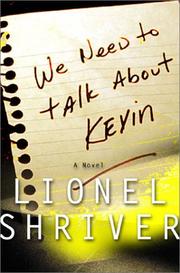
We Need to Talk About Kevin
In letters to her dead husband, Eva reconstructs how her son Kevin grew from a cold child into a school killer.
2,041-word summary · 9 min read

The God of Small Things
Twins Rahel and Estha grow up in Kerala in 1969, where family rules and caste lines shape a loss that follows them into adulthood.
2,646-word summary · 12 min read
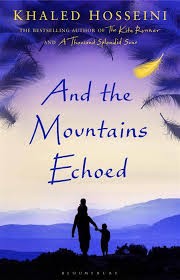
And the Mountains Echoed
When Abdullah and Pari are split in 1952 Afghanistan, their parting echoes across decades from Kabul to Paris to California in linked stories of loss and…
2,572-word summary · 11 min read

The Memory Keeper's Daughter
On a snowy night a doctor gives away his newborn daughter and tells his wife she died.
2,154-word summary · 10 min read

Vanishing Acts
A search-and-rescue worker's perfect life cracks when her past and her father catch up.
2,799-word summary · 12 min read

A Spark of Light
A gunman takes a Mississippi abortion clinic hostage as a negotiator finds his own daughter inside.
2,486-word summary · 11 min read

The Guest
Cast out of her wealthy boyfriend's Hamptons house, twenty-two-year-old Alex spends five days talking her way through other people's homes and accounts.
2,165-word summary · 10 min read

Revolutionary Road
A Connecticut couple who believe they are too good for the suburbs plan to move to Paris, and the plan slowly exposes everything they cannot say to each other.
2,085-word summary · 9 min read

Howards End
Forster's 1910 novel follows two families, a house in Hertfordshire, and a burned note, asking whether money and feeling can ever be connected.
2,187-word summary · 10 min read

Sophie's Choice
A young Southern writer in 1947 Brooklyn befriends a brilliant, unstable couple and slowly learns the story of the Polish Catholic woman at the center of their…
2,798-word summary · 12 min read

Fathers and Sons
Arkady brings the nihilist Bazarov home to his father's estate, and a generational argument turns into love, a duel, and an early death.
2,192-word summary · 10 min read

Unaccustomed Earth
Lahiri’s second story collection follows Bengali families in America and abroad, tracing the quiet distances between parents and children, spouses, and the…
2,333-word summary · 10 min read

The Age of Miracles
A California girl grows up while the Earth's rotation slows, and ordinary adolescence continues alongside slow catastrophe.
2,417-word summary · 11 min read

Summer Island
A radio advice host hides a scandal, and the estranged daughter hired to write about it agrees to care for her at the family's island house.
2,325-word summary · 10 min read
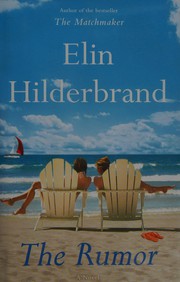
The Rumor
Two Nantucket best friends, Madeline and Grace, watch a summer of small indiscretions get retold into gossip that reshapes both their households.
2,017-word summary · 9 min read

The Girls in the Garden
Clare moves her daughters to a gated London garden where the community feels safe; at the midsummer party, twelve-year-old Pip finds her sister bleeding in the…
1,973-word summary · 9 min read

Peace Like a River
An asthmatic boy in the early 1960s narrates his family's search for his older brother, who is accused of two killings and has escaped custody.
1,969-word summary · 9 min read

We Are Okay
Marin fled San Francisco after her grandfather vanished and stopped answering anyone. When Mabel visits her college dorm, she has to say what happened.
2,253-word summary · 10 min read

The Chosen
A shattered pair of glasses in a 1944 Brooklyn softball game starts a friendship between a Hasidic boy and his Orthodox neighbor, and their fathers pull them…
2,443-word summary · 11 min read

A Spool of Blue Thread
Four generations of the Whitshank family in Baltimore, and the silences, resentments and quiet love they hand down without ever saying so.
2,408-word summary · 11 min read

Where We Belong
Marian's orderly New York life cracks when the daughter she gave up for adoption arrives, and the search for the father forces her to tell the truth.
2,056-word summary · 9 min read

This Is How You Lose Her
Yunior cycles through love affairs and betrayals in nine linked stories, tracing the damage he does and the family history behind it.
2,195-word summary · 10 min read