
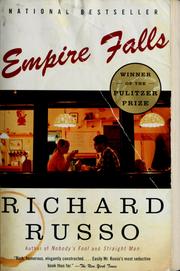
Empire Falls
2,072-word summary 9 min read 496 pages in the book
- First published
- 2001
- Publisher
- Vintage
- Pages
- 496
- ISBN
- 9780375726408
Reading options
What's inside (6 sections)
I read Empire Falls slowly over two weeks because the town felt like somewhere I lived once and needed to visit carefully. Knopf first published it in 2001. The Vintage edition runs 496 pages with ISBN 9780375726408. It won the 2002 Pulitzer Prize for Fiction. It follows Miles Roby, grill manager in dying Maine town, and everyone around him. If you love small town novels where nothing happens and everything matters, settle in. Empire Falls stays with you like hometown weather.
Miles Roby has slung burgers at the Empire Grill for twenty years, a job that cost him college and much self respect. What keeps him. Bright daughter Tick, who needs help surviving high school. Soon ex wife Janine, taken up with vain health club owner. Imperious Francine Whiting, who owns everything including, she thinks, Miles. His mother dead, father charming and absent, brother David stoner philosopher. Miles is decent to a fault, which means stuck. He cannot leave because leaving would hurt Tick, abandon brother, disappoint ghosts. So he stays, flips, listens, fixes. Decency as trap and virtue together is the book heart. Everyone leans on Miles because he stays. Staying costs. He pays daily with tips and patience.
Empire Falls town itself is character. Abandoned mills. Empty main street you could strafe. Empire Grill with regulars. Churches. School. Whiting mansion on hill. Russo writes place with love and clarity. Winter cold that seeps. Summer brief and sweet. People who know your father and your failure. That knowing comforts and chokes. Miles cannot order coffee without hearing about his mother. Tick cannot date without hearing about Miles. Newcomers never fully arrive. Old families never leave, even when they die, because stories keep them. If you grew up small town, you will nod constantly. If not, you will learn why people stay though they complain. Belonging outweighs promise elsewhere. Mostly. Sometimes tragically.
Tick, Janine, and Whiting
Tick, Miles daughter, carries teen plot with grace beyond years. Bright, sensitive, targeted by popular girls and a predatory teacher? Actually by school cruelty. She loves her father fiercely and sees his stuckness clearly. She wants college out but fears leaving him alone. Her chapters, with friends, crushes, art, show adolescence under town microscope. When a school shooting threatens late, Tick is there. I will not spoil who acts, but the event forces town to face what it hid about boys, guns, bullying. Tick response, brave and kind, proves Miles parenting worked though he doubts. Fathers of daughters should read with tissues. You will see your own fears about letting go while holding on. Tick lets Miles see too. She tells him to live, not just grill. He hears, finally, because shooting clarifies. Life short. Stay, but live while staying. That lesson lands without speeches. Just a girl looking at dad over fries.
Janine, soon ex wife, could have been villain. Russo makes her human. She left Miles for Walt, vain gym owner with teeth and tan. She wants more than grill wife life. Who blames her, though Walt is awful. She loves Tick. She resents Miles sainthood because it makes her leaving look bad. Their divorce talks, about money, custody, respect, ring true for anyone split. No one cheats cleanly. Both tired. Both right partly. Janine marries Walt? Actually plans to. Readers dread. By end she sees Walt clearly and chooses differently, not back to Miles, but forward alone. That choice respects her more than reunion would. Exes can coparent without recoupling. Rare in novels. Welcome here. Miles learns to let Janine go without hating. Growth for a man who holds everything. Letting go is also staying, just differently.
Francine Whiting owns everything and believes that includes Miles. Rich, imperious, lonely, she funded Miles college then withdrew after his mother left her husband? Actually complex history. She controls Grill, rents, jobs. She summons Miles for talks that are orders. She loves him in possessive way rooted in past with his mother. Their dynamic fascinates because power flips subtly. She has money. He has decency people trust. She needs him to stay to prove money keeps. He stays for other reasons, which frustrates her. When she finally tells truth about his mother and her husband, it reframes all. I will not spoil. The reveal shows Whiting cruelty came from wound, not just malice. Pity her without excusing. That balance is Russo mastery. Villains with histories. Heroes with limits. No one only one thing. Remember when meeting town queens. Ask what mill closed in them. Listen longer than comfortable. Truth surfaces slowly, like river thaw.
Past and present braided
Flashbacks to Miles mother and Whiting past braid with present grill days. Young Miles with mother who sacrificed to get him out. She worked for Whitings, saved, planned college. Then she got sick? Actually she died. Plans died. Miles stayed. Those chapters ache because readers see exit possible then closing. Mother love as both lift and weight. She wanted more for him than grill. He honors her by staying for Tick, which she would both love and hate. That paradox defines working class loyalty. Leave to succeed or stay to love. Either choice costs. Russo refuses to pick. He shows both bills. Miles brother David chose staying with humor and weed. Miles chose staying with duty. Neither wrong. Both tired. Town keeps both.
School shooting late forces reckoning without exploiting. A bullied boy brings gun. Tick present. Miles runs in. Others hide. The event lasts pages, not chapters. Aftermath matters more. Who bullied. Who knew. Who sold gun. Town meets in gym. Blame flies. Russo handles with care rare in 2001, before genre of school shooting novels. He focuses on survivors, not shooter fame. Tick trauma. Miles guilt for not seeing. Whiting money cannot fix. The Grill becomes shelter. Food served free. That response, community feeding after horror, feels true to small towns. They show up with casseroles when words fail. Let them. Eat. Talk later. Healing starts with full plates, not speeches. The book earns its length here. 500 pages of knowing people pays when danger hits because you care who hides where.
Fair criticism notes sprawl. At 496 pages, subplots meander. Father Max schemes. Brother David philosophizes stoned. Church ladies gossip. Readers wanting tight plot may skim. Stay for people. Russo writes humans better than almost anyone. Dialogue sparkles without showing off. Descriptions of food, weather, rooms satisfy. Pulitzer deserved, though some call it safe choice. Safe can be great when done this well. No tricks. Just town breathing. Breathe with it. You will miss Empire Falls after, strangely, though you would never live there. That missing is the book triumph. Ordinary lives matter hugely when witnessed kindly. Witness Miles. He witnesses all. Return the favor.
Who should read. Adults who love literary small town fiction fit best. Fans of Russo Nobody Fool, Straight Man will feel home. Pair with Olive Kitteridge next for more Maine, or with Gilead for different grace. Read slowly. Note names. Miles, Tick, Janine, Whiting, David, Max. Track who owes whom. Debts tangle like Christmas lights. Untangle patiently. Expect to laugh often and cry twice. Once for mother sacrifice. Once for Tick bravery. Both earned over hundreds of pages. That earning is why length matters. Short books cannot know towns this well. Live here awhile. Order fries. Listen. Stay.
Max, David, and staying
Max Roby as charming failure deserves love and exasperation because every town has one. Miles father drifts through, handsome, funny, broke, full of schemes and stories. He abandoned family young, returns for meals and money, charms Tick, infuriates Miles. Readers will want to shake him and hug him together. Russo refuses to reform him fully. Max tries small kindnesses, watching Tick once, fixing a door, then vanishes when responsibility looms. That inconsistency feels true to charming drunks many know. Love them at distance. Do not depend. Miles learns this late. He stops waiting for Max to parent and parents himself. That letting go frees more than anger ever did. If you have a Max, read with recognition and boundaries. Enjoy stories. Lock wallet. Love from porch, not house. Enough.
David Roby as stoner philosopher steals scenes with lines that land truer than sober sermons. Younger brother to Miles, cook at Grill, smoker, watcher. He sees town clearly through haze. Tells Miles to leave though he stays himself. Loves Tick fiercely and shows it with jokes, rides, late night talks. His wisdom comes sideways, never preachy. When shooting hits, David acts bravely without thinking, proving slacker label lies. Afterwards he shakes and jokes to cover. That cover is care, not cowardice. Brothers who tease often love deepest. Miles knows. Their late night kitchen talks, after Grill closes, with beers and silence, hold the book tenderness. No big confessions. Just presence. Stay open late with siblings if you can. Wash dishes together. Talk about nothing. That nothing holds everything when trouble comes. David knows. Listen to stoners sometimes. They watch while others rush. Their seeing saves.
Staying as choice closes the theme worth sitting with after last page. Miles could leave Empire Falls. College accepted him once. Jobs elsewhere beckon. He stays for Tick, for brother, for Grill regulars who need his steadiness. Is staying failure or love. The book answers both. Failure to become who mother dreamed. Love to be who town needs. That tension never resolves, which is honest. Most lives hold both. Russo honors staying in a culture that worships leaving. Small towns need Mileses. So do families. So do grills where coffee refills and gossip heals. Stay if staying serves. Leave if leaving grows. Choose consciously, not by default like Miles did at first. By end he chooses to stay awake, not just stay. That awake staying matters. Order fries. Listen. Stay on purpose. Good.
Grill, church, and school
Empire Grill as center needs sensory detail because novels live in rooms. Vinyl booths cracked. Coffee always on. Pie case turning. Regulars at counter by time. Miles flips, pours, listens. Horace? Actually staff banter. The Grill feeds town body and gossip soul. Who sits with whom matters. Whiting table empty but reserved. Tick booth after school. Max stool when broke. The Grill survives mills closing because people need somewhere to be. Miles keeps it open though money thin because closing would end town living room. That decision costs college fund, marriage ease, sleep. He pays gladly and resents. Both true. Visit your own grill after chapter. Tip well. Listen longer than phone. Places like this hold towns together more than factories. Factories close. Grills persist if some Miles stays. Thank them. Order pie. Stay awhile. You are part of why staying matters. Eat. Listen. Belong.
Church and school as other centers braid with Grill to hold town. Father Tom? Actually priests counsel, judge, comfort. Tick navigates youth group hypocrisy with clear eyes. School with teachers who try and bullies who rule. Shooting later shatters both. After, church fills. School closes then reopens with counselors. Miles attends both though faith wavers. He goes for Tick, for neighbors, not doctrine. That showing up matters more than believing rightly. Russo, lapsed Catholic? Actually kind to faith without preaching. People need rooms to grieve together. Provide them. Grill, church, gym all serve. When trouble hits your town, open a room. Make coffee. Listen. No speeches needed. Presence heals first. Words later if at all. Empire Falls knows. Practice it. Open doors. Pull chairs. Stay.
Whiting money as weather behind all deserves final note without excusing. Francine owns mills, Grill building, houses. She decides who rents, works, stays. Her power feels like climate. Unseen but shaping. Miles resents yet borrows. Tick benefits yet chafes. The town hates yet needs. That dependence corrupts even kind recipients. Miles takes Whiting help for Tick school? Actually for Grill? He hates asking. She gives with strings. Strings tangle. By end Miles sees strings clearly and chooses which to cut, which to keep for Tick sake. That discernment is adult. Not all help is trap. Not all gifts free. Ask what strings attached. Cut gently where you can. Keep where child needs. Thank through teeth if must. Money weather persists after mills close because ownership outlives work. Remember when voting, shopping, renting. Who owns your Grill. Ask. Then decide whether to stay or build new tables elsewhere. Either way, eat together while deciding. Fries help thinking. So does company. Stay awake. Choose.
FAQ
When was Empire Falls published?
Knopf first published it in 2001. The Vintage edition runs 496 pages with ISBN 9780375726408.
Is it part of a series?
No. It is a standalone novel, winner of the 2002 Pulitzer Prize.
Who should read it?
Adults fit best. There is suicide, adultery, and strong language.
Similar books
Olive, Again
Elizabeth Strout returns to Crosby, Maine, as Olive Kitteridge marries Jack Kennison, confronts her son, and faces old age, grief, and small-town judgment.
2,333-word summary · 10 min read
Change of Heart
Jodi Picoult's Change of Heart follows June Nealon, her ill daughter Claire, and death-row inmate Shay Bourne, whose wish to donate his heart forces a trial…
2,746-word summary · 12 min read
The Tenth Circle
After Trixie accuses Jason of rape and he dies off a bridge, parents Daniel and Laura hide guilt and grace in Alaska flight.
2,164-word summary · 10 min read
Handle with Care
Parents of brittle bone daughter Willow sue best friend OB for wrongful birth, splitting marriage and friendships.
2,231-word summary · 10 min read
All We Ever Wanted
A Nashville photo of a drunk boy over a passed out girl splits three families along money and race lines.
2,278-word summary · 10 min read
The Shipping News
At thirty-six, failed newsman Quoyle loses his cruel wife and flees to ancestral Newfoundland with his daughters, where a small-paper job slowly rebuilds him.
2,833-word summary · 13 min read
And the Mountains Echoed
When Abdullah and Pari are split in 1952 Afghanistan, their parting echoes across decades from Kabul to Paris to California in linked stories of loss and…
2,572-word summary · 11 min read

The Memory Keeper's Daughter
On a snowy night a doctor gives away his newborn daughter and tells his wife she died.
2,154-word summary · 10 min read

Howards End
Forster's 1910 novel follows two families, a house in Hertfordshire, and a burned note, asking whether money and feeling can ever be connected.
2,187-word summary · 10 min read
Once There Were Wolves
A biologist reintroduces fourteen wolves to the Scottish Highlands while protecting her traumatized twin sister, then finds a body in the snow that could…
2,682-word summary · 12 min read

Fathers and Sons
Arkady brings the nihilist Bazarov home to his father's estate, and a generational argument turns into love, a duel, and an early death.
2,192-word summary · 10 min read

Unaccustomed Earth
Lahiri’s second story collection follows Bengali families in America and abroad, tracing the quiet distances between parents and children, spouses, and the…
2,333-word summary · 10 min read

The Age of Miracles
A California girl grows up while the Earth's rotation slows, and ordinary adolescence continues alongside slow catastrophe.
2,417-word summary · 11 min read
Act Your Age, Eve Brown
Eve Brown crashes into a Lake District bed and breakfast, breaks the owner's arm, and talks her way into his kitchen. A grumpy-sunshine romance about work,…
2,474-word summary · 11 min read
Peace Like a River
An asthmatic boy in the early 1960s narrates his family's search for his older brother, who is accused of two killings and has escaped custody.
1,969-word summary · 9 min read

We Are Okay
Marin fled San Francisco after her grandfather vanished and stopped answering anyone. When Mabel visits her college dorm, she has to say what happened.
2,253-word summary · 10 min read

The Chosen
A shattered pair of glasses in a 1944 Brooklyn softball game starts a friendship between a Hasidic boy and his Orthodox neighbor, and their fathers pull them…
2,443-word summary · 11 min read
Stones from the River
Trudi Montag is born a dwarf in a small German river town in 1915 and grows up to keep the town's library and its secrets, from the First World War to the…
2,818-word summary · 13 min read

At First Sight
Jeremy and Lexie are married and expecting a baby when anonymous emails tell him the child may not be his.
2,317-word summary · 10 min read

A Spool of Blue Thread
Four generations of the Whitshank family in Baltimore, and the silences, resentments and quiet love they hand down without ever saying so.
2,408-word summary · 11 min read

This Is How You Lose Her
Yunior cycles through love affairs and betrayals in nine linked stories, tracing the damage he does and the family history behind it.
2,195-word summary · 10 min read
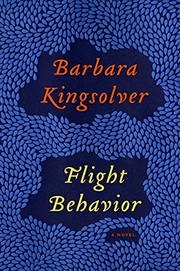
Flight Behavior
Dellarobia Turnbow is stuck in a Tennessee farm marriage until a valley full of monarch butterflies, and the scientist who comes to study them, force her to…
2,051-word summary · 9 min read

Delilah Green Doesn't Care
Delilah returns to Bright Falls to photograph her stepsister's wedding and falls for Claire, a bookstore owner and single mother, while a cruel bet threatens…
2,315-word summary · 10 min read

And Every Morning the Way Home Gets Longer and Longer
An elderly grandfather, his son, and his grandson share memories and fears as the old man's mind begins to fade, in a short novel about grief and love.
2,078-word summary · 9 min read

The Tiger's Wife
A young doctor in a war-scarred Balkan country chases the stories her grandfather left behind, including a deathless man and a deaf girl who loved an escaped…
2,232-word summary · 10 min read

The Story of Edgar Sawtelle
A mute boy on a Wisconsin dog-breeding farm relives Hamlet as his uncle returns, his father dies in the barn, and the dogs inherit what is left.
2,392-word summary · 11 min read
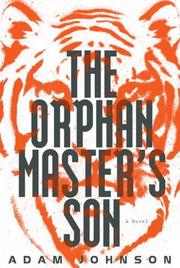
The Orphan Master's Son
Adam Johnson's Pulitzer-winning novel follows Pak Jun Do from a North Korean orphanage to a deadly identity swap, under a state whose loudspeakers never stop…
2,219-word summary · 10 min read
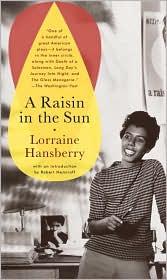
A Raisin in the Sun
Lorraine Hansberry's 1959 play follows the Younger family as a $10,000 insurance check, a house in a hostile neighborhood, and a stolen investment test their…
2,444-word summary · 11 min read
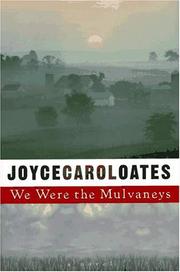
We Were the Mulvaneys
After a rape following a school dance, the Mulvaneys, a family that believed it was blessed, comes apart over fifteen years. Narrated by the youngest son.
2,094-word summary · 9 min read
Garden Spells
Two sisters reunite in their family home in Bascom, North Carolina, where an apple tree shows anyone who eats from it the biggest event of their life.
2,030-word summary · 9 min read