
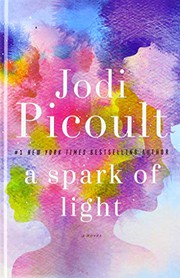
A Spark of Light
2,486-word summary 11 min read 384 pages in the book
- First published
- 2018
- Publisher
- Ballantine Books
- Pages
- 384
- ISBN
- 9780345544988
Reading options
What's inside (7 sections)
I picked up A Spark of Light because I had argued about Jodi Picoult with a friend for years and never actually finished one of her issue books. A gunman walks into a women's clinic in Jackson, Mississippi and holds everyone inside. Outside, a police negotiator tries to talk him down and slowly learns his own fifteen year old daughter is among the hostages. The 2018 novel from Ballantine Books runs 384 pages in the hardcover, and Picoult tells the whole day backward, starting near five in the evening and stepping back hour by hour toward morning. I finished it in three sittings, annoyed at parts of the design and moved by parts I did not expect.
The place matters, so let me set it plainly. The Center is the last clinic in Mississippi that performs abortions, though it also gives birth control, Pap smears, and basic care. On a normal day protesters line the sidewalk with signs and cameras, escorts walk patients past them, and staff buzz people through a locked waiting room. Picoult spent time researching clinics like this, and the waiting room feels observed rather than imagined. Chairs in rows. A fish tank. A reception window with clipboards. A hallway to exam rooms with thin doors. When George Goddard walks in that morning with a gun, he does not need a plan for the building. Fear does the work. He fires in the waiting area, kills a nurse who tries to stop him, wounds several others, and keeps the rest where he can see them.
George is the center of the siege, and Picoult gives him a history that explains without excusing. Months earlier his adult daughter came to this same clinic for an abortion and told him nothing at the time. Afterward she fell into a depression that George did not know how to meet, and then she died. George, a manual worker and a churchgoing man who had always voted and prayed against abortion, fixed on the clinic as the cause of everything. His house went quiet, his grief turned into rehearsal. By the morning he enters the Center he has stopped hearing other reasons. He wants someone to pay, and he wants the staff to admit they kill children. I found him believable as a grieving father and frightening as a man with a gun, and those two facts sit side by side without canceling.
Outside the doors, Hugh McElroy gets the call every negotiator dreads and then learns it is worse. Hugh is Jackson police, trained to keep his voice level. He sets up with SWAT behind vans and starts the slow work of contact. Then his sister in law Bex stops answering her phone, and a nurse inside whispers names, and Hugh understands that his daughter Wren is in the waiting room he is trying to clear. Wren is fifteen, and she came that morning with her aunt for an appointment she had hidden from her dad. Hugh has to keep talking to George in a calm radio voice while his chest tightens every time a shot or a scream comes through.
Wren and Bex and a secret appointment
Wren McElroy did not come to the Center on a dare. She is fifteen and pregnant, and she asked her aunt Bex to bring her because she could not tell her father yet. Bex is Hugh sister in law, funny in a tired way, loyal to Wren in a way that will cost her. The two of them sat in the car that morning rehearsing what to say at the window. Picoult writes teenagers well when she slows down. Wren counts ceiling tiles, reads posters twice, tries to joke with Bex and fails. She is not sure what she wants to do about the pregnancy, and the book is honest about that wobble. She wants advice, time to think, and a way to avoid hurting her dad.
Bex carries her own weight. She had an abortion years earlier and never told most of her family, so she knows the forms, the counseling script, the way protesters shout at your back. She holds Wren hand in the waiting room and answers when Wren voice sticks. When George starts shooting, Bex throws herself over Wren without thinking, and for the rest of the day she keeps placing her body between Wren and the gun. Their bond gives the siege its human scale. While George lectures and Hugh talks procedure on a bullhorn, these two whisper about practical things. A phone at low battery. Whether to drink the water George allows them. Whether Wren should tell her father she is there.
What stayed with me is how Picoult uses their secret to test ideas about choice. Wren is not a symbol. She is a sophomore who likes art class, who fights with her dad about curfews, who is scared of exams and scared of motherhood in equal measure. Bex does not push her toward any decision. She says the choice has to be Wren own, and then she stays in the room while Wren cries because staying is harder than advising. Hugh, outside, has always thought of himself as pro life in a vague church sense, until the thought of his own child in that waiting room scrambles his slogans. Picoult does not make this conversion neat. He just loves Wren more than his old sentences.
The waiting room and the people held there
The hostages are not background. Dr. Louie Ward, the clinic doctor, is an older man who flies in on rotation because local doctors will not do this work openly. He spends the siege trying to keep wounded people alive with whatever is in the crash cart. A nurse named Vonnie helps him, pressing gauze with shaking hands while George watches. Patients sit against walls with coats over heads. One woman came for birth control refills. One came because her contraception failed and she and her husband decided they could not carry another pregnancy. One older patient came for a follow up and keeps saying she does not belong here, as if that will protect her.
Picoult moves among them in short chapters, and the backward clock helps here. At five in the afternoon we see a woman bleeding quietly in a corner. At three we learn she was shot trying to shield someone else. At noon we see her joking at check in. The effect is sad rather than clever in these small cases. I liked the attention to staff routine under pressure. Dr. Louie talks to George the way doctors talk to agitated family in ERs, low and specific. Vonnie counts supplies out loud to stay calm. Someone prays. Someone else asks her to pray quieter. A teenager asks if the fish tank filter is still running, and that odd detail hit me harder than the speeches.
The weakness here is that some hostages exist mainly to state a position. One patient gives a crisp story about poverty and childcare costs that sounds ready for debate. Another gives a crisp story about faith and forgiveness that answers it. In life people talk in fragments, especially with a gun in the room. Here they sometimes speak in paragraphs. I still cared about them, because Picoult knows how to stage care under stress, but I could feel the research notes showing through. When Dr. Louie explains clinic law or funding rules, the lines serve readers more than the room.
George and Hugh talking through a door
The negotiation is the engine that keeps the day moving. Hugh cannot enter, George will not exit, so they trade words through phones and a crack in the door. Hugh follows training. Use the name. Ask open questions. Offer small things like water and medicine. Stall for the tactical team. George follows grief. He wants the news cameras to say the clinic kills babies. He wants Dr. Louie to confess. Their talks loop, break, restart. At one point George lets a wounded hostage crawl to the door for pickup. At another he fires into the ceiling because a helicopter drifts too close and SWAT shifts in the trees.
Time pressure builds in a strange way because the book runs in reverse. We know from the first pages that by evening someone is dead on the tile and Wren is still inside with blood on her shoes. Then we step back to four o clock and see how the blood got there. This can feel like a trick, and sometimes it is. But the structure also forces attention on causes. When George shouts at Hugh about fathers who fail, the insult sounds cruel at five. At ten in the morning, after we have seen George clean his dead daughter room and Hugh miss Wren science fair for work, the same insult sounds broken.
Faith runs through these talks without easy answers. George quotes Scripture and means it. Dr. Louie says he is a Christian too and means that. Bex stopped going to church after her abortion because she felt watched. Wren prays in fragments she half remembers from childhood. Hugh almost never prays on duty, then finds himself praying silently between radio calls. George uses verses as weapons. Vonnie uses a hymn under her breath to time compressions. I appreciated that no one gets a clean win in these exchanges. The gun decides who speaks, not who is right.
Morning reasons and the long walk in
As the chapters step back toward eight and nine in the morning, Picoult shows why each person came that day. Wren woke early and told her dad she was going to school, then met Bex at a gas station. Bex told her husband she had errands. Dr. Louie flew in the night before and ate dinner alone near the airport. George woke before dawn, cleaned his gun, and drove past his daughter grave on the way to Jackson. Protesters set up signs. Escorts put on vests. A new nurse learned where the panic button sits.
These morning chapters are the best written in the book because small acts carry weight once you know the ending. Wren choosing a blue shirt because she wants to look older at check in. Bex packing mints for the vending machine. Hugh kissing Wren forehead and telling her to text after practice, a normal father line that will sour in his memory by noon. George sitting in his truck in the clinic lot, watching patients walk in. Picoult slows her sentences here. Parking lot heat. Breakfast wrappers. A radio preacher. The ordinariness makes the first shot feel obscene rather than thrilling, which is the right choice.
The backward walk also reveals the abortion stories in full, and Picoult clearly wants readers to sit with variety rather than a single hard case. One patient is a mother of three who works two jobs and knows another baby would sink them. One is a college student whose partner left. One is a woman carrying a wanted pregnancy with anomalies that doctors say will not survive birth. Bex own past abortion came after a breakup and a lost job, a decision she does not regret but still mourns at odd moments. Wren has not decided, which matters. The book argues, through Bex and Dr. Louie more than through slogans, that reasons cluster around money, health, age, and timing, and that strangers shout while patients calculate.
I will name the fair criticism straight. The research sometimes crowds out the people. Pages on fetal development, state law, and clinic funding read like briefing memos placed in mouths. George gets long interior passages about loss that work, then long speeches about politics that sound like op eds. The reverse order, bold at first, grows familiar by the middle and starts to cushion shocks it should sharpen. Readers who dislike issue novels will feel lectured in spots, even if they agree with the point being made.
Shots, rescue, and what remains after
I will keep the final hour light on step by step detail because the book wants you to feel the morning turn, but the shape is this. Promises made on the radio fail. A hostage tries something brave. George fires again. SWAT moves. Hugh is forced into a shot no negotiator wants to take, the kind that ends a standoff and starts a different haunting. People who walked in for routine care leave on stretchers, past cameras and shouting crowds that have not moved all day. Wren survives, marked in ways she will need years to name. Bex survives with a wound that will heal faster than her guilt about bringing Wren there.
The aftermath chapters, set after the clock snaps forward again, are quieter and better than the siege peaks. Hugh sits with Wren in a hospital room and finally hears the whole story about the pregnancy, and his first response is relief that she is alive. Then comes the harder talk about what Wren wants now, with Bex present and no gun to force honesty. George family faces reporters and funeral math of a second loss. The clinic staff argue about reopening and security costs. Protesters return to the sidewalk within days, because Jackson is still Jackson and the law is still the law.
What lingers for me is not a message but a set of images. The Center waiting room with its fish tank still bubbling while people bleed. Hugh with a radio in one hand and a dead phone in the other, waiting for a text from a daughter who is twenty feet away. Bex counting Wren breaths to keep herself steady. George asking Dr. Louie to pray with him and meaning it even with the gun still warm. Those scenes earned their place. The speeches around them sometimes felt assigned, and the backward trick sometimes felt proud of itself. Still, as a friend telling you whether to spend a weekend on it, I would say yes if you can stand a sad, talky thriller that wants to change how you hear clinic debates. It changed how I hear them, even where I resisted the way it pushed.
For readers new to Picoult, this is a fair entry point if you know her mode. Standalone story, no series baggage, short chapters that pull you forward even as the clock runs back. Pair it with Small Great Things if you want her courtroom side too. Read it when you have room to sit with grief and anger, not as a plane distraction. The gun gives the plot speed, but the point is the slow morning. People drove across Mississippi for care they could not get near home and signed a clipboard. Then one man decided his loss outweighed their lives. The book asks what that math costs, hour by hour, until there are no hours left to rewind.
FAQ
Is A Spark of Light based on a true story?
No. It is a 2018 Ballantine novel set at a fictional Jackson clinic called the Center, though Picoult researched real clinics, staff routines, and state laws.
Why is the book told backward?
Each chapter steps back an hour from evening to morning so readers see harm first and causes later, which keeps focus on choices rather than surprise.
Does Wren decide about her pregnancy?
She arrives unsure and the siege delays any clinic decision, so the closing chapters center her talks with Hugh and Bex about what she wants next.
Similar books

The Wedding
Wilson Lewis courts his own wife again with Noah's help as daughter Anna plans her wedding.
2,076-word summary · 9 min read
The Rescue
Volunteer fireman Taylor finds a crashed mother and son in a storm, then falls for them both.
1,939-word summary · 9 min read
Without Merit
Merit Voss feels invisible in a crowded converted church home until Sagan, Luck, and a painful night force the truth out.
3,300-word summary · 15 min read
The Memory Keeper's Daughter
On a snowy night a doctor gives away his newborn daughter and tells his wife she died.
2,154-word summary · 10 min read

Dear John
A soldier and a student trade letters through war until duty and waiting pull them apart.
2,138-word summary · 10 min read
It Ends with Us
It Ends with Us from Lily's flower shop to her marriage: alternating past and present, Ryle's cycles of violence, and why the ending refuses a clean romantic…
2,381-word summary · 11 min read

Vanishing Acts
A search-and-rescue worker's perfect life cracks when her past and her father catch up.
2,799-word summary · 12 min read
Change of Heart
Jodi Picoult's Change of Heart follows June Nealon, her ill daughter Claire, and death-row inmate Shay Bourne, whose wish to donate his heart forces a trial…
2,746-word summary · 12 min read

The Tenth Circle
After Trixie accuses Jason of rape and he dies off a bridge, parents Daniel and Laura hide guilt and grace in Alaska flight.
2,164-word summary · 10 min read
Handle with Care
Parents of brittle bone daughter Willow sue best friend OB for wrongful birth, splitting marriage and friendships.
2,231-word summary · 10 min read
House Rules
Jodi Picoult's 2010 House Rules follows Jacob Hunt, a teen with Asperger syndrome accused in his tutor's death, as his mother Emma and brother Theo face police…
3,079-word summary · 14 min read
The Pact
After Emily Gold dies from a gunshot, her boyfriend Chris Harte says it was a suicide pact and faces trial for murder.
2,873-word summary · 13 min read
Nineteen Minutes
Sterling High student Peter Haddon commits a school shooting and lawyer Jordan McAfee defends him while Josie Cormier hides truth.
2,267-word summary · 10 min read
My Sister's Keeper
Thirteen-year-old Anna sues her parents for medical emancipation so she can refuse to give her dying sister Kate a kidney.
2,332-word summary · 10 min read

What Happened to Goodbye
Mclean has reinvented herself in four towns since her parents divorced. In Lakeview she uses her real name, and for the first time staying put becomes a choice.
2,796-word summary · 12 min read

Little Earthquakes
Four Philadelphia women meet during pregnancy and discover that new motherhood is nothing like the plan, while friendship becomes the thing that holds them…
1,997-word summary · 9 min read

Sam's Letters to Jennifer
A grieving journalist reads her grandmother's letters and finds a decades-long love affair that changes how she sees her family.
2,310-word summary · 10 min read
Between Sisters
Estranged sisters Meghann and Claire reunite in Washington when Claire announces a rushed wedding, then face their mother's desertion and a medical crisis.
2,467-word summary · 11 min read
Saving Noah
A seventeen-year-old swimmer confesses to molesting two girls he coached, and his mother must decide what unconditional love is worth.
2,976-word summary · 13 min read

A Spool of Blue Thread
Four generations of the Whitshank family in Baltimore, and the silences, resentments and quiet love they hand down without ever saying so.
2,408-word summary · 11 min read
On the Come Up
Bri Jackson, a sixteen-year-old rapper in Garden Heights, chases a record deal while a viral song turns her into a symbol she never wanted to be.
2,034-word summary · 9 min read

Days at the Morisaki Bookshop
Heartbroken Takako moves into her uncle's tiny secondhand bookshop in Jimbocho, and the shop and its regulars slowly give her back her life.
2,011-word summary · 9 min read
A Raisin in the Sun
Lorraine Hansberry's 1959 play follows the Younger family as a $10,000 insurance check, a house in a hostile neighborhood, and a stolen investment test their…
2,444-word summary · 11 min read
Maame
Maddie Wright, 25, has spent years as the responsible one in her Ghanaian British family, and the year she finally tries to live for herself is the year…
2,108-word summary · 9 min read
How to Walk Away
Margaret Jacobsen has the job, the fiance, and the future mapped out, until a small-plane crash on Valentine's Day takes almost all of it in one afternoon.
2,012-word summary · 9 min read
Dial A for Aunties
A wedding photographer accidentally kills her blind date, and her mother and three aunties help her hide the body during the biggest wedding of their careers.
2,076-word summary · 9 min read
True Colors
Three Grey sisters split over love and duty after their father judges them.
2,596-word summary · 12 min read

The Identicals
Twin sisters swap Nantucket and Martha Vineyard lives for a summer.
2,556-word summary · 11 min read

Collided
Sophie bets she can resist playboy Liam, then pit walls fall.
2,219-word summary · 10 min read

Heart of the Matter
Two Boston mothers collide after a burn injury puts a single mom in the orbit of another woman's surgeon husband.
2,585-word summary · 11 min read