

Heart of the Matter
2,585-word summary 11 min read 336 pages in the book
- First published
- 2010
- Publisher
- St. Martin's Press
- Pages
- 336
- ISBN
- 9781250043733
Reading options
What's inside (8 sections)
I picked this up because Something Borrowed had left me arguing with myself about likable cheaters, and I wanted to see what Emily Giffin would do with a marriage story instead of a wedding story. Heart of the Matter was first published May 11, 2010 by St. Martin's Press, 336 pages in the mass market edition I tracked, ISBN 9781250043733, author Emily Giffin. It follows two mothers in the same Boston suburb whose lives barely touch until a child is hurt and the surgeon husband of one starts treating the son of the other. I read it over a weekend and spent half of Monday still turning it over.
Tessa Russo lives in Wellesley with her husband Nick and their two small children. Nick is a respected pediatric plastic surgeon at Mass General, the kind of doctor other doctors call when a case is hard. Tessa used to teach and work, and she has recently stepped back to stay home full time. Her mother warned her against giving up her income and structure, and that argument hums underneath the whole book. Tessa loves her kids with an almost physical force. She also misses being competent in a room where nobody needs a snack.
From the street, the Russos look settled in the way people envy at school pickup. Big house, busy calendars, a marriage that started in love and still has warmth. Tessa describes birthday parties and pediatrician visits and late dinners after Nick finishes rounds. She adores Nick and trusts him completely. She also keeps score in small ways she does not admit out loud. I recognized that accounting from friends with young kids. She is tired, proud, a little bored, and deeply invested in the idea that she chose right.
Tessa and Nick and the life that looks finished
Tessa narrates her own sections in first person, chatty and observant in the way Giffin does best. She notices what other mothers pack for lunch, how her daughter clings at drop off, how her toddler melts down in grocery lines. She has a circle of suburb friends, school gate talk, playdates, charity auctions. Some of those women are warm. Some are sharp in the way competitive parenting makes people sharp. Tessa feels both inside and outside that group. She chose to stay home, yet she flinches when someone implies she wasted her education.
Her marriage to Nick has the texture of a long partnership with small children. They still touch in the kitchen. They still laugh about his terrible dancing. They also talk past each other about money and time and help. Nick thinks providing is helping. Tessa thinks presence is helping. Neither is wrong, which is why the fights sting. They love each other, but they have stopped saying the uncomfortable parts out loud.
One detail I liked is that Tessa is Dex sister from Something Borrowed and Something Blue. It is a light touch, a phone call here, a family memory there. It places Tessa in a family that knows about messy choices. Her brother made a famous mess of his own. Her mother remembers. That history colors how Tessa later thinks about error and pardon. Her mother, practical and blunt and divorced, never fully approved of the stay at home plan, and her warnings about keeping options open echo through the later chapters.
Valerie Anderson and six year old Charlie
Valerie Anderson lives in the same town but in a different orbit. She is an attorney and a single mother to Charlie, a six year old in kindergarten who has never met his father. Valerie got pregnant years ago by a man who left before she could even tell him, and she raised Charlie alone with help from sitters and her own stubbornness. She works hard at a firm where she is competent and not quite on partner track. At home she is everything to one small boy.
Giffin writes Valerie in third person, which creates distance in a way that fits. Valerie keeps people at arm length. She has pared her social life down to work and Charlie and a few careful friendships. She does not date. She tells herself she has no time, and that is partly true and partly armor. Too many disappointments taught her to expect little so she will not be blindsided. She loves Charlie with a focus that is beautiful and a little airless. He is her calendar, her worry, her joy, her excuse.
Charlie feels real on the page. He is six, funny about dinosaurs and games, anxious about school, attached to his mom the way only children are. He wants to be brave at sleepovers and liked by older kids. Valerie worries about him fitting in among wealthier classmates with two parents and big houses. She packs his bag twice. She calls to check. She tries not to hover and hovers anyway. What I appreciated is that Valerie is not written as a sad waif waiting for rescue. She is capable in court, tired in the evenings, lonely in a way she will not name. When attention finally comes from an unexpected place, she is both hungry for it and ashamed of the hunger.
The marshmallow fire and the night everything splits
The accident happens on the night of Tessa and Nick anniversary. They are at dinner when Nick gets paged for an emergency. Valerie has taken Charlie to a school friend birthday sleepover. The kids are outside roasting marshmallows around a fire pit. In a quick, stupid moment that any parent dreads, Charlie stumbles into the fire and burns one side of his face and one hand and arm. The book handles this without sensational detail. Panic, screaming, a cooler of ice, a frantic car ride, then the bright lights of Mass General.
Tessa remembers that night as the dividing line. She went home alone from the anniversary dinner and fell asleep waiting for Nick. She did not know yet that her life would afterward be measured as before that call and after it.
Nick becomes Charlie surgeon. Burns on a small child face require careful, staged work, cleaning and grafting and follow up, plus painful occupational therapy for the hand. Giffin makes the medical beats feel concrete. The smell of ointment. The pressure garments. The way Charlie screams during dressing changes and then apologizes. The way Valerie holds his good hand and counts with him. Nick is calm through all of it. He explains without rushing. He remembers Charlie name and favorite toy. To Valerie, sleepless and terrified, that steadiness feels like shelter.
Tessa, meanwhile, is home with two healthy kids and a husband who is suddenly absent more than usual. At first she is proud. This is what he trained for. Then absence stretches. Late pages, extra checks, weekend rounds that were not on the calendar. She tells herself surgeons keep odd hours. She also starts noticing small changes. A phone turned face down. A tenderness that feels distracted. Giffin writes suspicion as a slow stain rather than a sudden discovery, and that choice makes it more believable.
Nick and Valerie and the slow slide nobody stops
The affair does not start with a grand declaration. It starts with proximity and gratitude and exhaustion. Valerie is at the hospital for hours every day. Nick checks on Charlie more than strictly required. They talk in hallways about swelling and sleep and therapy. Then they talk about other things. Her job. His kids. How hard it is to be the parent who cannot fix pain. Valerie tells herself he is just a caring doctor. Nick tells himself he is just supporting a scared mother. Both stories are partly true, which is why they are dangerous.
Giffin is good at the logistics of forbidden closeness. Coffee from the hospital cart. A text about test results that turns into three texts about nothing. A hand on a shoulder that lasts half a second too long. Valerie has not been looked at with interest in years, and being seen feels intoxicating even when she knows it is wrong. Nick has not felt needed in this pure way in a long time. At home he is one more demand in a loud house. At the hospital he is the man who can save a boy face. That contrast flatters him, and he does not examine it hard enough.
Nick remains harder to read, partly because we never get inside his head. Through Tessa, he seems guilty and loving and evasive. Through Valerie, he seems torn and tender and a little self pitying about his marriage. He says he loves Tessa. He also keeps choosing Valerie time. The book does not offer a clean motive like cruelty or a dead marriage. It offers drift, flattery, stress, and opportunity. That felt honest to me, though less dramatic than some readers may want. The physical side is present but not graphic. Giffin focuses on talks and looks and the awful thrill of being chosen. Nobody is happy, even before anyone is caught.
I believed Valerie confusion more than Nick explanations, and I think Giffin intended that. Valerie knows this is wrong and keeps showing up because Charlie needs the best surgeon and because she needs someone to tell her Charlie will be fine. Each step feels defensible alone. A longer visit. A personal email. A coffee to discuss care that is really about seeing him. Together they form a path she would have judged in another woman.
Two voices and why the structure works
The book alternates chapters between Tessa in first person and Valerie in close third person. I liked the effect more as it went on. Tessa voice is immediate, funny about domestic detail, raw about fear. You hear her argue with herself in real time. Should she ask who he is texting. Should she call the hospital. Valerie sections are cooler, more observed. You watch her make choices she half understands. The distance makes her sympathetic without letting her off the hook.
This split controls sympathy in clever ways. When I was with Tessa, I ached for her and felt angry at the other woman. When I was with Valerie, I ached for her and felt angry at Nick for using his position, even unintentionally. Giffin does not let you settle on one villain. Tessa can be controlling and quick to assume. Valerie can be self protective to the point of blindness about harm to another family. Nick can be kind and selfish in the same hour. Holding all three truths at once is uncomfortable, and that discomfort is the point.
Pacing is steady rather than fast. The middle has many hospital visits, therapy sessions, school runs, dinners where Nick is late. Some readers will find that stretch repetitive. I mostly did not, because repetition is the subject. Still, I wanted a few scenes trimmed. A second fundraiser argument covers ground the first already covered. Dialogue carries it. Giffin writes how mothers actually talk at pickup, half sentence and interruption, and how doctors talk to frightened parents, plain words and pauses. Nick voice shifts by room, which is telling. With Tessa he is breezy and vague. With Valerie he is careful and complete. I started listening for what he did not say.
Forgiveness and what stays broken
The truth comes out the way these truths usually do. Not in one cinematic confession but in receipts and sightings and a story that will not hold. Tessa finds inconsistencies. A colleague mentions seeing Nick somewhere he said he was not. Charlie, healing but scarred, picks up more than adults think. The scene where Tessa finally understands is quiet and devastating. She is doing something ordinary, laundry or carpool, and the pieces click. Her first feeling is not rage. It is humiliation.
What follows is the strongest part of the book. Tessa confronts Nick, then later asks to meet Valerie face to face. That meeting, in a plain public place like a mall food court area, is excruciating in the best way. Two mothers who love their children, sitting across from each other, trying to talk about a man without reducing each other to labels. Tessa wants to know if Valerie loves him. Valerie admits feelings she is not proud of. Neither woman performs sisterhood. They talk, badly and honestly, and leave with nothing solved.
Tessa must then decide what pardon means and whether it is possible. Her mother, shaped by her own divorce, urges self protection and doubts Nick can change. Her friends split. One says leave. Another says stay for the kids and see. Her brother Dex history hovers as proof that people can fail badly and still build something afterward. Tessa loves Nick. She also no longer trusts her own judgment about him. The book asks whether love without trust is enough to stay on, and whether trust can be rebuilt by behavior over time rather than words in a crisis. Valerie has her own reckoning. She used Charlie care as permission to keep seeing Nick, and that self knowledge costs her. She pulls back, focuses on Charlie therapy and school reentry with visible scars, endures stares at playgrounds.
The final chapters choose restraint over neat closure. Tessa sets terms, asks for time, watches what Nick does when no one is watching. Nick says he wants his family and will do the work. Whether you believe him will depend on your own history. I believed he meant it in the moment and doubted whether meaning it is enough. Valerie steps away and tries to rebuild a smaller, cleaner life with Charlie. His scars will fade but not vanish. That image does a lot of quiet work. Bodies mend with marks. So do families.
What works is emotional fairness. Giffin could have made Valerie a schemer or Tessa a martyr. She does neither. Both women feel like people I might know from school pickup. The Boston suburb details help. Waiting rooms at Mass General, kindergarten cubbies, birthday parties with too much sugar. Scenes about Charlie returning to class with a changed face were especially strong. Valerie wants to protect him without teaching shame. Where it drags, for me, is Nick opacity. Because he never narrates, his motives stay blurry, and he can feel slightly spared, asked to apologize more than to understand. A few Wellesley friends also read as types. Still, if cheating as a central plot is a hard no for you, skip this. If you liked Something Borrowed but wanted more grown up stakes, kids and mortgages instead of roommates and weddings, this is the next Giffin to try.
I closed the book thinking about pardon versus trust, which Giffin separates with care. Pardon is something Tessa can choose. Trust is something Nick must earn back through months of ordinary faithfulness, showing up on time, telling truth before asked. That distinction felt wise and hard won. The heart of the matter, for me, is not whether good people can do bad things. They can. It is whether families can absorb that knowledge and still feel like home. Giffin does not promise they can. She shows two women trying to live as if they might.
Facts held while reading: first published May 11, 2010 by St. Martin's Press in the United States, mass market paperback runs 336 pages, ISBN 9781250043733, author Emily Giffin, alternating Tessa and Valerie narration, Boston suburb setting with Mass General care for Charlie burn injury.
FAQ
When was Heart of the Matter published?
It was first published May 11, 2010 by St. Martin's Press. The mass market edition runs 336 pages with ISBN 9781250043733.
Who are the main people?
Tessa and Nick Russo, Valerie Anderson, and her six year old son Charlie, in a Boston suburb near Mass General.
Is it part of a series?
No. It stands alone, though Tessa is Dex sister from Something Borrowed and Something Blue.
Similar books
True Colors
Three Grey sisters split over love and duty after their father judges them.
2,596-word summary · 12 min read

The Identicals
Twin sisters swap Nantucket and Martha Vineyard lives for a summer.
2,556-word summary · 11 min read
The Pact
After Emily Gold dies from a gunshot, her boyfriend Chris Harte says it was a suicide pact and faces trial for murder.
2,873-word summary · 13 min read

What Happened to Goodbye
Mclean has reinvented herself in four towns since her parents divorced. In Lakeview she uses her real name, and for the first time staying put becomes a choice.
2,796-word summary · 12 min read

Little Earthquakes
Four Philadelphia women meet during pregnancy and discover that new motherhood is nothing like the plan, while friendship becomes the thing that holds them…
1,997-word summary · 9 min read

Sam's Letters to Jennifer
A grieving journalist reads her grandmother's letters and finds a decades-long love affair that changes how she sees her family.
2,310-word summary · 10 min read
Between Sisters
Estranged sisters Meghann and Claire reunite in Washington when Claire announces a rushed wedding, then face their mother's desertion and a medical crisis.
2,467-word summary · 11 min read

Marriage for One
Rose marries a cold lawyer to save her coffee shop, then discovers the arrangement was never only business.
2,032-word summary · 9 min read

Days at the Morisaki Bookshop
Heartbroken Takako moves into her uncle's tiny secondhand bookshop in Jimbocho, and the shop and its regulars slowly give her back her life.
2,011-word summary · 9 min read
How to Walk Away
Margaret Jacobsen has the job, the fiance, and the future mapped out, until a small-plane crash on Valentine's Day takes almost all of it in one afternoon.
2,012-word summary · 9 min read
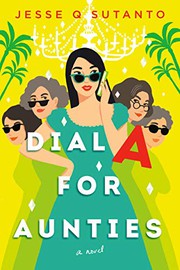
Dial A for Aunties
A wedding photographer accidentally kills her blind date, and her mother and three aunties help her hide the body during the biggest wedding of their careers.
2,076-word summary · 9 min read
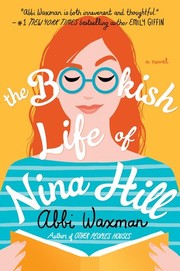
The Bookish Life of Nina Hill
Bookstore Nina gains a family and pub-quiz love in Los Angeles.
2,399-word summary · 11 min read
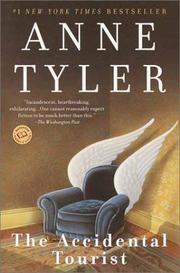
The Accidental Tourist
Grieving Macon writes travel guides for haters of travel, then Muriel intrudes.
2,252-word summary · 10 min read

Anne's House of Dreams
Newlyweds Anne and Gilbert start in a seaside house with kind neighbors.
2,465-word summary · 11 min read

The Shell Seekers
Elderly Penelope Keeling must decide the fate of her father's treasured painting while her three children press her to sell.
2,592-word summary · 12 min read
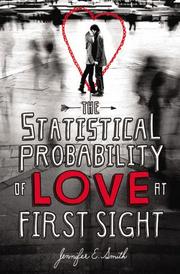
The Statistical Probability of Love at First Sight
Hadley misses a flight, meets Oliver to London, and faces her father wedding in one day.
2,002-word summary · 9 min read
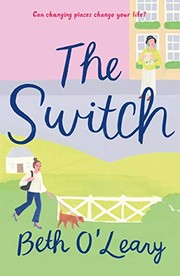
The Switch
A burned-out consultant and her 79-year-old grandmother swap London and Yorkshire homes for two months, facing grief, dating apps, and village politics.
2,782-word summary · 12 min read

The Longest Ride
A stranded widower relives his marriage while a Wake Forest student and a bull rider test new love in North Carolina.
2,488-word summary · 11 min read

Major Pettigrew's Last Stand
A 68-year-old widower and a Pakistani shopkeeper widow fall for each other in a Sussex village that watches their every step.
2,957-word summary · 13 min read

The Wedding
Wilson Lewis courts his own wife again with Noah's help as daughter Anna plans her wedding.
2,076-word summary · 9 min read
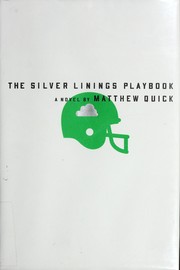
The Silver Linings Playbook
A man leaves a mental facility sure his wife waits, then dance practice and hard truths reshape him.
2,981-word summary · 13 min read
Lola and the Boy Next Door
Costume maker Lola must choose between older Max and inventor Cricket while her two dads hold home steady.
2,045-word summary · 9 min read
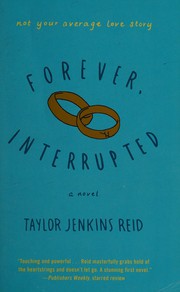
Forever, Interrupted
Elsie elopes in May, loses Ben nine days later, and learns grief beside the mother in law she never met.
2,051-word summary · 9 min read

The One Plus One
Broke cleaner Jess Thomas gets a lift from wealthy Ed Nicholls to take math gifted daughter Tanzie to her Olympiad, and a cramped road trip slowly turns to…
3,020-word summary · 13 min read

The Girl You Left Behind
Two women a century apart fight for what they love, joined by a portrait painted in wartime France and claimed in modern London.
2,613-word summary · 12 min read
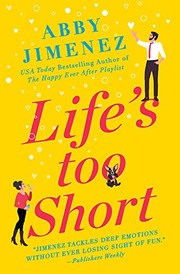
Life's Too Short
A travel YouTuber facing possible ALS takes in baby Grace and falls for Adrian, the lawyer next door.
2,913-word summary · 13 min read
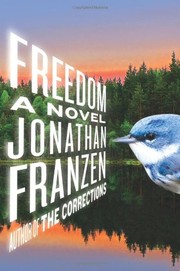
Freedom
A St. Paul couple and their grown children strain marriage, loyalty, and ideals in 2000s America.
2,678-word summary · 12 min read
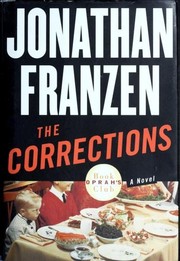
The Corrections
An aging Midwestern couple tries to gather three troubled adult children for one last Christmas at home.
2,094-word summary · 9 min read
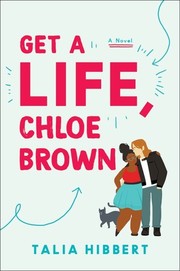
Get a Life, Chloe Brown
A chronically ill woman recruits her gruff handyman neighbor to help her finish a bold Get a Life list.
2,147-word summary · 10 min read
The Rescue
Volunteer fireman Taylor finds a crashed mother and son in a storm, then falls for them both.
1,939-word summary · 9 min read