
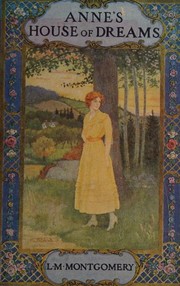
Anne's House of Dreams
2,465-word summary 11 min read 236 pages in the book
- First published
- 1917
- Publisher
- McClelland & Stewart
- Pages
- 236
- ISBN
- 9781519513748
- Series
- Anne of Green Gables (#5)
Reading options
What's inside (5 sections)
I read Anne's House of Dreams on a quiet autumn week when I wanted kindness after darker books, and Four Winds gave it. First published in 1917 by McClelland & Stewart at 236 pages in the reprint I cite, fifth in the Anne of Green Gables series about Anne Shirley now Blythe. Anne and Gilbert marry in Green Gables orchard and move to a small seaside house at Four Winds Point where Gilbert takes his uncle's practice. Neighbors Captain Jim, Miss Cornelia, and Leslie Moore shape early marriage through joy and loss. I cried twice and smiled through. It is gentle without being naive about grief.
Anne starts radiant. Long red hair now up, grey eyes bright, marrying Gilbert after years of friendship and rivalry. Wedding in orchard with friends, Marilla weeping happy, Diana fussing. They leave for Four Winds, a fishing village with lighthouse, dunes, harbor. Their house, small and white by sea, Anne names house of dreams. She furnishes with wedding gifts, books, wildflowers. Gilbert works long hours learning practice. Anne keeps house, writes, walks shore. Their happiness feels earned after books of waiting. You root for domestic bliss. Montgomery lets you have it briefly before testing. That testing deepens rather than destroys. Marriage here is teamwork, not fairy end. They face money worries, work calls at night, loneliness when Gilbert rides far. They talk, laugh, adjust. That adjustment models healthy young marriage rare in 1917 fiction. Talk plainly. Share chores. Welcome neighbors. Good.
Captain Jim Boyd, lighthouse keeper and former sailor, becomes heart. Old, kind, lonely, full of sea tales. He befriends Anne instantly, telling stories of storms, lost loves, voyages. He keeps a life book of memories he wants written. Anne listens well, which is love to old men. His tales fill chapters with adventure inside quiet novel. Storms survived, ports seen, friends buried at sea. He loves Leslie like daughter. He loves Anne like spring. His death at end after reading his book in print, smiling, broke me gently. A good death after good life told. That arc gives book weight beyond newlyweds. Old and young need each other. Anne gives Jim audience. Jim gives Anne wisdom about loss before she needs it. When she loses first child Joyce shortly after birth, his words return. Grief shared eases. Montgomery, who lost a son, writes this loss with aching restraint. No melodrama. Just empty nursery and kind neighbors bringing soup. I wept quietly. Anyone who lost will recognize. Joy and sorrow in same house of dreams. Both true. Hold both.
Leslie and Cornelia
Leslie Moore is the novel's shadow and light. Beautiful with golden hair to knees, intelligent, trapped at sixteen by mother into marriage with Dick Moore, mean and unscrupulous. Dick vanished on sea voyage, then Captain Jim found him in Cuba amnesiac and brain damaged, brought home dependent as big baby. Leslie cares for him for over a decade, giving up ambitions, resigned to depressed existence. She befriends Anne but is bitter at times because Anne is happy and free while she never can be. That bitterness is honest, not villainous. Who would not ache watching friend's joy from cage. Anne responds with compassion, not pity. She visits, listens, includes Leslie without forcing cheer. Their friendship grows through shared womanhood across fortune gap. When Anne loses Joyce, Leslie feels Anne now understands tragedy, less gulf between. That terrible bonding, grief as equalizer, hurts and heals. No one wishes loss to connect, but connection deepens after. Montgomery handles with grace. No one says it was for the best. They sit together in silence that comforts more than words.
Owen Ford, writer grandson of house's former owners, rents Leslie's extra room for summer to write Great Canadian Novel. He finds inspiration in Captain Jim's diary, turning it into Life Book. While finishing, he and Leslie realize feelings, but both know nothing can happen while Dick lives. Owen leaves and Leslie sinks further. That restrained love, glances and talks about books, aches more than affairs. Gilbert's medical role brings resolution. He examines Dick and suspects skull surgery could restore faculties. Anne and Cornelia oppose, fearing Leslie's life harder if Dick returns as himself, but Gilbert feels obligated to tell. Leslie consents. Surgery in Montreal reveals Dick is actually cousin George, who was with Dick in Cuba when Dick died of yellow fever twelve years before. Resemblance due to shared grandparents and heterochromia Captain Jim used to identify. Leslie freed abruptly. That twist, soap operatic now, delighted 1917 readers and still satisfies if you accept coincidence. It frees Leslie without killing disabled man cruelly. George gets care elsewhere. Leslie can study nursing, love Owen. Owen returns after Cornelia informs. Engagement follows. While some find it neat, I found it merciful. After chapters of entrapment, release feels like air. Allow it.
Miss Cornelia Bryant, unmarried in forties living alone in green house, thinks she hates men and loves truth. Outspoken, Presbyterian, excellent cook. She deems Blythes part of race that knows Joseph, meaning decent folks. She advises Anne bluntly about marriage, babies, neighbors. Her contempt for men hides old heartbreak with Marshall Elliott, Grit with beard she refused till he shaves and cuts hair, which he refuses for twenty years till Grits win. Their late romance delights. Two stubborn old fools finally wedding after Anne's story ends? Actually announced at end. That parallel old love to young Owen Leslie pairing shows love at all ages. Cornelia's feminism, sharp and funny, surprises for 1917. She works, owns house, speaks mind, helps poor. She is not punished for spinsterhood. She chooses marriage late on terms. That choice respects single women while celebrating love. Take note. Montgomery, herself wife and mother struggling, writes alternatives with sympathy. Be Anne happily married, Leslie freed to love, Cornelia single then married late. All valid. Good.
Susan Baker, elderly spinster maid of all work, joins at end and stays for series. Efficient, loyal, funny with sayings. She mothers Anne through second birth of healthy James Matthew, named for Matthew and Captain Jim. Her arrival signals move to larger Morgan house in Glen, later Ingleside, as Gilbert's practice grows. Leaving house of dreams saddens Anne, but she knows small house outgrown. Growth requires leaving dreams to build bigger. That metaphor lands gently. First homes matter even when left. Keep memory, move on. Good.
What shines is prose and place. Montgomery writes sea, dunes, lighthouse, gardens with poetry without purple overload. Four Winds light changes by hour. Anne names rooms, trees, paths. That naming is love. Place becomes character. You want to visit. Characters feel like neighbors. Dialect light, humor warm. Captain Jim's tales could be books alone. Cornelia's sayings beg underlining. At 236 pages it reads fast but rich. Episodes connect loosely rather than tight plot. Some may find it meandering. I found it lifelike. Marriage years are episodes, not arcs. Joy, loss, neighbors, moves. That rhythm suits.
What may challenge is dated views. 1917 gender, class, disability portrayals of Dick/George as big baby grate now. Terms and attitudes reflect time. Read with context. Leslie's entrapment in marriage with no divorce option frustrates modern readers. Why not leave. She could not legally and economically then. Understand constraints to feel stakes. Also, Anne's perfection can annoy. Always kind, pretty, loved. Leslie's bitterness balances, but Anne remains idealized. If you prefer flawed heroines, you may sigh. I accepted Anne as light others orbit. She listens more than shines here. That listening is growth from talkative girl to empathetic woman. Watch for it. She speaks less, hears more. Good.
Content is gentle. Infant death of Joyce described tenderly, no graphic. Grief central. No explicit sex. Language clean. Suitable for ages ten and up, beloved by generations. Pair with earlier Anne books in order, starting Green Gables. This is fifth, after Island. You can start here, but wedding hits harder knowing wait. Read in order if possible. At 236 pages, it comforts.
Who should visit Four Winds
Read it if you love Anne and want her happy after waiting, if you like seaside villages with lighthouses, if you like gentle books about marriage, loss, neighbors. Read it slowly with tea. At 236 pages it soothes.
Skip it if you need fast plot or dislike idealized heroines. This meanders through visits and tales. No villain to defeat except circumstance. Skip if infant loss is too close. Joyce's death, though brief, aches deeply. Take care.
For me, the image that stays is Anne and Gilbert on doorstep of white house by sea at dusk, Captain Jim waving from lighthouse, Cornelia bringing pie, Leslie watching from window with longing and hope. Newlyweds held by community while learning joy and sorrow both fit in dreams. At 236 pages, Anne's House of Dreams argues houses become homes through people hosted, not walls. Welcome sailors, spinsters, trapped wives, writers. Listen to life books. Help where you can. Grieve when must. Move when outgrown, carrying dreams forward. I closed it missing Four Winds though never lived there, trusting Anne and Gilbert in Ingleside ahead, Leslie free, Cornelia wed, Jim at peace. That trust, built on kindness patiently shown, is why series lasts since 1917. Visit. Stay awhile. Dream.
Grief and joy together
I want to say more about Joyce's brief life and death, because Montgomery writes infant loss with restraint that aches more than melodrama. Anne gives birth to first child Joyce with Marilla present, joy full. Baby dies shortly after, as Montgomery's second son did in life. No long illness description. Just quiet fading, small burial, empty nursery. Anne and Gilbert grieve differently. Anne weeps openly, holds clothes, walks shore. Gilbert works, silent, blaming himself as doctor who could not save. Marilla sits with Anne without fixing. Leslie, who knows entrapment and sorrow, says Anne now understands tragedy, less gulf between. That terrible bonding, grief as equalizer, hurts and heals. No one says it was for the best. They sit together in silence that comforts more than words. That silence respects readers who lost. No lessons forced. Just company. If you lost, read with care and tissues. You will feel seen without being used. Montgomery knew. She gives Anne another child later, James Matthew, healthy son, without erasing Joyce. Love after loss does not replace. It adds. Joyce remains first, remembered. Jem second, celebrated. Both true. Hold both.
Captain Jim's life book deserves emphasis as story within story about storytelling. Old sailor keeps diary of voyages, storms, friends buried at sea. He wants it written properly but cannot. Owen Ford, writer renting Leslie's room, finds inspiration and turns diary into Life Book. While finishing, he and Leslie fall in love restrainedly. Jim reads advance copy before dying with smile. That arc celebrates listening as creative act. Anne listens to Jim for months, encouraging. Owen listens and writes. Jim lives on through book. That chain shows how stories save. Tell to one who listens, who tells another who writes, who publishes so many remember. Without Anne's listening, Jim's life would vanish. With it, he smiles at end. We all need listeners to make lives books. Be Anne for someone old. Listen to sea tales even when long. Ask follow ups. Write down if you can. That care outlives houses. Jim dies, book lives, Anne moves carrying. Good.
Leslie's freedom through George revelation needs discussion for disability and identity ethics that grate now. Dick Moore, brain damaged and helpless, cared for by Leslie for over a decade, turns out to be cousin George who was with Dick in Cuba when Dick died of yellow fever. Resemblance due to shared grandparents and heterochromia Jim used to identify. Surgery reveals truth, freeing Leslie. Modern readers may flinch at switch. Disabled man as obstacle removed by revelation that he is not husband, allowing romance without guilt of abandoning disabled spouse. It feels convenient. Montgomery wrote in 1917 without modern disability justice lens. She treats George kindly after? He gets care elsewhere. Focus stays on Leslie's relief, understandable after forced teenage marriage and years of caregiving without love. Do not judge 1917 by 2026 standards entirely, but note discomfort. What would ethical resolution look like now. Support for caregivers, choice to leave with support for disabled, not miracle identity swap. Acknowledge while appreciating Leslie's joy. Both can coexist. Love her freedom, critique device. That dual reading enriches rather than cancels. Teach with context if sharing with young readers. Discuss consent, caregiving, identity. Good conversations follow.
Cornelia and Marshall as old love give delight and depth. She, outspoken spinster who deems men useless, secretly loved Marshall Elliott, Grit with beard she demanded shaved. He refused for twenty years till Grits won? Actually till politics shifted? Their banter hides tenderness. She cooks for poor, sews, speaks mind. He respects and waits. When she finally announces marriage, town gasps then cheers. That late love after independence models that single life is full and marriage can add, not complete. Cornelia was whole alone. She chooses company now for joy, not need. That distinction matters for girls reading Anne. You can be Cornelia happy alone and Anne happy married and Leslie happy freed. All valid. Montgomery, herself wife and mother who struggled with depression, writes alternatives with sympathy rare for time. Celebrate. Young readers need multiple paths. Old readers need permission to change late. Cornelia gives both. Marry at forty plus if you like, on terms including shaved beard. Good.
Susan Baker's arrival at end as maid of all work sets future books and deserves welcome. Elderly spinster, efficient, loyal, funny with sayings, mothers Anne through second birth. She stays for series as family anchor. Her practical love balances Anne's dreaming. She cooks, cleans, scolds gently, tells stories. Every dream house needs a Susan to keep floors swept while dreamers gaze at sea. Appreciate such people in life. Thank them. Montgomery does by keeping Susan central later. Notice who holds homes together. Often older women unseen. See them. That seeing is book's quiet feminism alongside Cornelia's loud. Both needed. Loud demands change. Quiet sustains daily. Honor both.
If you visit Four Winds in mind, go slowly. Walk shore with Anne, listen to Jim, take pie from Cornelia, sit with Leslie without fixing. Houses of dreams are built that way. Not by walls alone, but by welcoming. At 236 pages, the book teaches hospitality as practice. Open doors to sailors, spinsters, trapped wives, writers. Listen to life books. Help where you can. Grieve when must. Move when outgrown, carrying dreams forward to Ingleside and beyond. That carrying, not clutching, lets dreams grow with family. Keep dreaming. Keep moving. Keep listening. Four Winds will stay in heart even after leaving, as it stays in Anne's. Return when need kindness. It will be there, white by sea, light on.
FAQ
When was Anne's House of Dreams published?
It was first published in 1917 by McClelland & Stewart at 236 pages in the cited reprint. It is book five in the Anne of Green Gables series.
What is the setup?
Anne and Gilbert marry and move to Four Winds Point where Captain Jim, Cornelia and Leslie Moore shape early marriage.
Similar books
More from Anne of Green Gables first, then related titles.
Anne of Green Gables
L. M. Montgomery brings talkative Anne Shirley to Green Gables on Prince Edward Island, where mistakes, school rivalries, and fierce friendship slowly turn…
2,182-word summary · 10 min read
Anne of Avonlea
Anne teaches at sixteen, adopts twins, and learns that fixing Avonlea takes patience.
1,909-word summary · 8 min read

Anne of the Island
Anne leaves Avonlea for Redmond College, shares Patty's Place with friends, and learns to tell admiration apart from love.
2,766-word summary · 12 min read
Anne of Windy Poplars
Anne spends three letter-filled years as principal of Summerside High, outlasts the Pringle clan, and warms a lonely vice-principal and a dreaming little girl…
2,599-word summary · 12 min read

The Long Winter
Dakota Territory, 1880: seven months of blizzards cut a town off from the railroad, and a family survives on twisted hay, ground wheat, and a dangerous wheat…
2,210-word summary · 10 min read

The Japanese Lover
A Polish refugee and the son of a Japanese gardener fall in love in San Francisco in 1939, then keep the affair secret for nearly seventy years.
2,286-word summary · 10 min read

The Shadow Sister
Star D'Apliese steps out of her sister's shadow and follows a bookshop clue into the Edwardian life of Flora MacNichol, a woman who gave up love for duty.
2,260-word summary · 10 min read

Little Town on the Prairie
In the spring after the Long Winter, fifteen-year-old Laura sews shirts, studies for a teaching certificate, and helps send her blind sister Mary to college.
2,071-word summary · 9 min read

Ivanhoe
A disinherited Saxon knight, a great tournament, a besieged castle and a trial by combat. Scott's most famous novel, set in England in 1194.
2,834-word summary · 13 min read

What the Wind Knows
Annie scatters her grandfather's ashes on Lough Gill and is pulled into 1921 Ireland, where she becomes the missing Anne Gallagher and falls for Dr. Thomas…
2,056-word summary · 9 min read

Doctor Zhivago
A doctor and poet lives through revolution, war, and love in Pasternak's novel of private life under the pressure of Russian history.
2,213-word summary · 10 min read

The Storm Sister
Ally D'Aplièse loses her father and her lover within weeks, then follows a brass frog and a Norwegian biography into Anna Landvik's music and the world of…
2,376-word summary · 11 min read
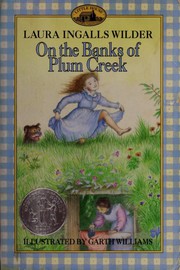
On the Banks of Plum Creek
The Ingalls family trades their horses for a dugout on Plum Creek and bets a single wheat harvest on a house above ground, in Wilder's fourth Little House book.
2,090-word summary · 9 min read

True Colors
Three Grey sisters split over love and duty after their father judges them.
2,596-word summary · 12 min read

The Tea Girl of Hummingbird Lane
A Chinese tea farming mother gives up a daughter who later seeks roots.
2,607-word summary · 12 min read
The Red Badge of Courage
Henry Fleming runs at Chancellorsville, then returns to stand.
2,486-word summary · 11 min read

The Identicals
Twin sisters swap Nantucket and Martha Vineyard lives for a summer.
2,556-word summary · 11 min read

The Accidental Tourist
Grieving Macon writes travel guides for haters of travel, then Muriel intrudes.
2,252-word summary · 10 min read

News of the World
Captain Kidd carries captive Johanna home across 1870 Texas.
2,571-word summary · 11 min read

The Shell Seekers
Elderly Penelope Keeling must decide the fate of her father's treasured painting while her three children press her to sell.
2,592-word summary · 12 min read

Song of Solomon
Milkman Dead leaves Michigan to hunt for family gold and finds instead the old song of his ancestor Solomon.
2,465-word summary · 11 min read

Heart of the Matter
Two Boston mothers collide after a burn injury puts a single mom in the orbit of another woman's surgeon husband.
2,585-word summary · 11 min read
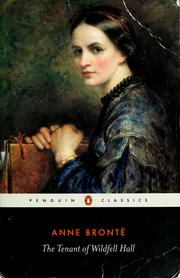
The Tenant of Wildfell Hall
Helen flees a cruel marriage, hides as Helen Graham at Wildfell Hall, and tells her full story through a long diary young Gilbert Markham must read before…
2,838-word summary · 13 min read
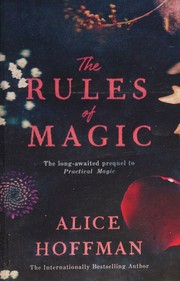
The Rules of Magic
Franny, Jet, and Vincent Owens test strict family rules and a love curse in 1960s Manhattan and Massachusetts in Alice Hoffman's warm prequel about love, loss,…
2,686-word summary · 12 min read
The House at Riverton
In 1999, ninety eight year old maid Grace Bradley tapes the truth about a 1924 shooting at Riverton Manor, poet Robbie Hunter, two sisters and a lie held for…
2,433-word summary · 11 min read
Roll of Thunder, Hear My Cry
In Depression-era Mississippi, nine-year-old Cassie Logan learns what her Black family's land costs and why they keep it.
2,273-word summary · 10 min read

The Seven Sisters
Maia follows Pa Salt clue from Geneva to Rio and Christ the Redeemer.
2,210-word summary · 10 min read
The Scarlet Pimpernel
A foppish baronet rescues aristocrats from the guillotine while his French wife hunts the hero she scorns.
2,980-word summary · 13 min read
Major Pettigrew's Last Stand
A 68-year-old widower and a Pakistani shopkeeper widow fall for each other in a Sussex village that watches their every step.
2,957-word summary · 13 min read

The Girl You Left Behind
Two women a century apart fight for what they love, joined by a portrait painted in wartime France and claimed in modern London.
2,613-word summary · 12 min read