
Anne of Avonlea
1,909-word summary 8 min read 336 pages in the book
- First published
- 1909
- Publisher
- L. C. Page
- Pages
- 336
- ISBN
- 9780140367980
- Series
- Anne of Green Gables (#2)
Reading options
What's inside (6 sections)
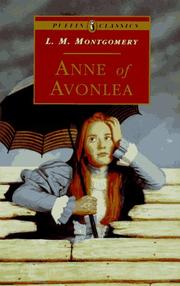
Growing up means learning that home needs fixing, not just loving. Anne of Avonlea by L. M. Montgomery was first published in September 1909 by L. C. Page, with the Puffin paperback running 336 pages and ISBN 9780140367980. It is book two about Anne Shirley, after Anne of Green Gables. Anne is sixteen, teaching in Avonlea, dreaming of college, and adopting twins with Marilla. I read it slowly over a week, smiling at school mishaps and tearing up at goodbyes that feel small and huge at once.
Anne starts as a teacher, not a pupil, which flips the first book delightfully. Avonlea school with its mixed ages, cold stove, and pranksters tests her theories about kindness. She tries to win bad boys with patience instead of strap. Sometimes it works. Sometimes a mouse in a desk ruins the plan. Her narration of school days, with names like Anthony Pye who hates girls and Paul Irving who dreams too much, shows a teen learning that authority needs humor more than rules.
Marilla adopts twins with Anne help, which anchors the home plot. Dora, sweet and neat, and Davy, wild and honest, lost their mother and need care. Marilla, older and tireder after Matthew death, doubts she can do it again. Anne insists they can together. Davy steals, lies, and charms in turns. Dora mothers everyone at eight. Their chapters add noise and joy to Green Gables quiet. A scene where Davy cuts his own hair to look like a convict had me laughing aloud. Kids are chaos and cure.
School and village work
Anne teaching chapters are the heart and the most useful for anyone who works with kids. She makes mistakes that modern teachers will recognize. Over preparing. Favoring bright Paul. Losing temper with Anthony Pye family feud. Her growth is not becoming perfect. It is learning to apologize to students and to ask Miss Stacy advice by letter. When she visits a sick student instead of sending work, attendance improves more than any speech. Presence beats policy.
The Avonlea Village Improvement Society, A.V.I.S., gives comedy and theme. Anne, Gilbert, Diana, and Fred start it to fix roads, plant gardens, and paint halls. Old Mrs Rachel Lynde mocks it. Men nod politely and do nothing. The group paints the town hall the wrong color blue, plants trees that cows eat, and argues about subscriptions. It is all charming failure that teaches civic love. Improvement is slow, funny, and worth doing badly at first. Anyone in small town committees will feel seen.
Gilbert Blythe grows here from rival to friend to something more that Anne will not name. He teases gently. He walks her home without claiming. He gives up a teaching post so Anne can stay near Marilla, a sacrifice she learns late and feels deeply. Their slow burn is perfect slow. No kisses. Just looks held a beat too long and letters about college. Readers who know the series will wait. New readers will feel the pull without needing payoff yet. Friendship first, done right.
Diana Barry remains best friend, engaged to Fred and torn between love and restlessness. Her chapters with Anne, picking apples and talking about futures, show two paths diverging with love intact. Diana chooses home early. Anne chooses school and work. Neither judges. That mutual support, without jealousy, is rare in coming of age books and precious here. Girls can want different lives and stay close. Montgomery insists on it.
A fair note. Pye family feud chapters drag withtit for tat pranks. Necessary to show school politics, but two trap scenes repeat. I skimmed one and missed nothing. The payoff, when Anne wins Anthony over by refusing to shame him after he confesses, needs the buildup. Still, tighter would have helped pace between twin antics.
Twins, neighbors, and second chances
Dora and Davy deserve their own praise because Montgomery writes kids without cuteness filter. Dora irons doll clothes and worries about grace. Davy asks why God lets mosquitoes live and whether he can marry Anne when grown. His lies are transparent and his apologies are operas. When he kills a chicken by accident and buries it with a funeral, Anne laughs and cries together. Discipline here is teaching, not punishment. Extra chores. Honest talks. Love that does not excuse.
Mr. Harrison, the gruff neighbor with a parrot that swears, provides comedy and a lesson on pride. He feuds with Anne over a cow in his oats, then becomes an ally when she admits fault first. His parrot, Ginger, repeats insults at perfect moments. A scene where Ginger curses during a minister visit is peak Avonlea chaos. Underneath, Harrison is lonely after a broken engagement years ago. Anne meddling to reunite him with Emily Gardiner could feel nosy. Instead it feels like community repair. Everyone deserves a second parlor call.
Miss Lavendar Lewis is the spinet heart. A sweet older woman living alone in Echo Lodge with dreams of a lover lost to pride twenty five years ago. Anne and Diana find her, befriend her, and scheme to bring Stephen Irving back. Their tea parties with imaginary friends and real cake show Anne imagination maturing into hospitality. She still dreams, but now she hosts. When Stephen returns and proposes, middle aged love gets its due without irony. It made me cry more than any teen kiss. Waiting can end well.
Paul Irving, the little American boy with a dead mother and a sailor father, gives Anne a chance to mentor grief. He dreams of rock people and fairy places to cope with absence. Anne does not correct his fancy. She gives him books and listens. When his father returns and Paul must choose between grandmother comfort and father adventure, Anne helps him name fear without choosing for him. Those chapters show teaching as listening first. Good teachers will nod.
If there is a slow stretch, it is the middle improvement society minutes where subscriptions and paint colors dominate. Skim paint if you must. Do not skip Lavendar. Her lodge chapters are the book soul. Old dreams kept tidy while waiting. Anne learns from her that imagination needs tending, not outgrowing.
Leaving and staying
The ending balances ambition and duty without preaching. Anne earns a scholarship to Redmond College but stays an extra year to teach and to help Marilla with twins and failing eyesight. Gilbert, who also earned college, takes the Avonlea school so Anne can go later with money saved. That swap, done quietly through the school board, is love in action. No declaration. Just a post given up. Anne learns of it late and is furious and grateful together. Montgomery lets her feel both. Duty can chafe even when chosen.
Matthew death grief still shapes Green Gables. Marilla naps more. The house feels his absence in chores he did. Anne plants his favorite roses and talks to him while weeding. These small rites show mourning as maintenance, not event. Davy asking about heaven gets an honest answer. We miss him and we work. That is enough theology for Avonlea.
What stays with me is Montgomery argument about improvement. Love Avonlea enough to paint it wrong blue and try again. Love kids enough to apologize when you shame them. Love friends enough to let them marry differently. Anne starts the book wanting to fix the village and ends wanting to serve it. That shift from reformer to neighbor is growing up. She still dreams of college and writing. She also knows home needs hands, not just hearts.
Marilla, Rachel, and the older women who teach
The older women around Anne deserve focus because they model different kinds of strength that Anne samples before becoming herself. Marilla Cuthbert, aging and tired after Matthew death, takes in twins not from energy but from duty warmed by love. She doubts she can do it again at her age. She does it anyway, with stricter rules than Anne and softer nights than she admits. A scene where Marilla sits up with a sick Davy, singing an old hymn off key, shows care without performance. Anne watches and learns that love is night work, not just day dreams.
Rachel Lynde, sharp tongued and big hearted, criticizes the improvement society while funding it quietly. She mocks Anne blue paint choice at the hall, then brings sandwiches to painters. Her gossip carries news faster than any paper, but also carries meals to the sick. Anne once feared her judgment. Now she seeks it, knowing Rachel honesty, though blunt, is reliable. When Rachel tells Anne she was too hard on Anthony Pye, Anne listens and changes. Mentors who can be wrong and say so are rare in coming of age books. Rachel manages it once, which makes her human rather than caricature.
Miss Lavendar gets her own chapter in my heart, but Mrs Allan and Miss Stacy matter too as professional models. Mrs Allan, the minister wife, visits without preaching, bringing flowers and asking about school rather than souls. Miss Stacy, Anne old teacher, writes letters encouraging new methods and admitting her own failures with difficult boys. Those letters give Anne permission to experiment without shame. Teaching is lonely work in a one room school. Knowing your own teacher struggled helps more than any manual.
Diana mother and other matrons show the marriage market Anne navigates without scorn. They want Diana settled. They eye Anne as too fanciful for a wife. Anne feels the pressure without surrendering to it. She enjoys weddings and babies while keeping college plans. That balance, loving domestic life without making it the only prize, feels modern for 1909. Montgomery lets girls want both home and horizons. The twins teach Anne that mothering is work, not just instinct. College teaches that minds need feeding too. No choice is mocked. A late talk where Diana admits she fears Anne will outgrow her, and Anne promises to write weekly no matter what, sealed their bond for me more than any adventure. Growing apart need not mean growing cold. They plan visits, swap books by mail, and argue happily about baby names. That maintenance work, often skipped in coming of age endings, feels true to friendships that survive school splits. Montgomery respects it enough to show the effort. Letters written. Trains taken. Tea saved for the other chair. Diana once sends Anne pressed flowers from her garden with a note that says for your desk at college. Small gifts that say remember me without demanding return. Anne keeps them in books like bookmarks. Love filed between pages. Marilla finds one once while dusting and smiles without commenting, which tells Anne her sentimentality is safe at home. Those tiny household mercies accumulate into the book warmth. No grand declarations. Just flowers kept and tea saved. Growing up, Montgomery suggests, is learning to notice such filings and to add your own.
Read it after Green Gables, not alone. Give it time for school days and twin noise. Skim paint if needed, but sit with Lavendar tea. Notice how often Anne listens before acting by the end. That listening is the real college she attends before Redmond. By the last page, when she watches Gilbert walk away to save her year, you will understand why generations root for them. Not grand passion. Just two smart kind people making room for each other. That is romance worth waiting two books for, and Avonlea is better for their patience.
FAQ
When was Anne of Avonlea published?
L. C. Page published it in September 1909. The Puffin paperback runs 336 pages with ISBN 9780140367980.
Is it part of a series?
Yes. It is book two about Anne Shirley after Anne of Green Gables, before Anne of the Island.
Similar books
More from Anne of Green Gables first, then related titles.
Anne of Green Gables
L. M. Montgomery brings talkative Anne Shirley to Green Gables on Prince Edward Island, where mistakes, school rivalries, and fierce friendship slowly turn…
2,182-word summary · 10 min read
Anne of the Island
Anne leaves Avonlea for Redmond College, shares Patty's Place with friends, and learns to tell admiration apart from love.
2,766-word summary · 12 min read
Anne of Windy Poplars
Anne spends three letter-filled years as principal of Summerside High, outlasts the Pringle clan, and warms a lonely vice-principal and a dreaming little girl…
2,599-word summary · 12 min read
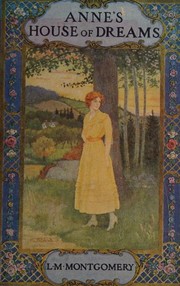
Anne's House of Dreams
Newlyweds Anne and Gilbert start in a seaside house with kind neighbors.
2,465-word summary · 11 min read
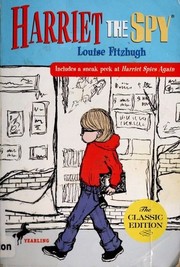
Harriet the Spy
Eleven year old Harriet Welsch fills notebooks with honest, often cruel observations about her neighbors, until her classmates read one and turn her spy route…
2,510-word summary · 11 min read

Little Town on the Prairie
In the spring after the Long Winter, fifteen-year-old Laura sews shirts, studies for a teaching certificate, and helps send her blind sister Mary to college.
2,071-word summary · 9 min read
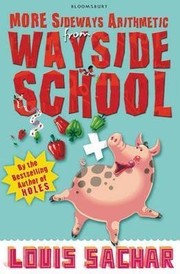
Sideways Stories from Wayside School
Thirty stories, one class per floor, and a teacher who turns students into apples: Louis Sachar's absurd school classic.
2,045-word summary · 9 min read
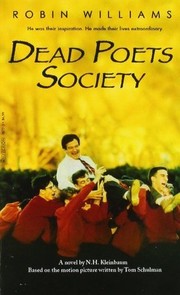
Dead Poets Society
Keating tells Welton boys to seize the day and his secret club costs more than grades.
2,031-word summary · 9 min read
Matilda
Brilliant Matilda Wormwood teaches herself to read, faces her crooked parents and the fearsome Miss Trunchbull, and finds Miss Honey.
2,296-word summary · 10 min read

Make Way for Ducklings
A pair of mallards raise eight ducklings on the Charles River and lead them across Boston to the Public Garden, with a little help from a friendly policeman.
2,044-word summary · 9 min read
Amelia Bedelia
A literal-minded housekeeper follows her employer's list to disastrous and funny effect in the 1963 picture book that made wordplay a children's staple.
2,038-word summary · 9 min read

Hard Luck
Rowley has a girlfriend, so Greg turns to a Magic 8 Ball, a family Easter hunt and the school yearbook for answers.
2,586-word summary · 11 min read
The Mitten
Jan Brett retells a Ukrainian folktale about a boy, a lost white mitten, and the woodland animals that crowd inside until a bear sneezes.
2,609-word summary · 12 min read

Clifford the Big Red Dog
Emily Elizabeth picks the smallest puppy in the litter, loves him as hard as she can, and wakes up to a dog the size of a house.
2,092-word summary · 9 min read
The Story of Ferdinand
A gentle Spanish bull would rather smell flowers than fight, and when he is taken to the bullring he simply sits down among the flowers in the ladies' hats.
2,135-word summary · 9 min read
Go, Dog. Go!
Dogs drive, work, play, and climb a tree for a party in this Beginner Book built on repetition, opposites, and one very unpopular hat.
2,196-word summary · 10 min read
Caps for Sale
A peddler balances his caps on his head, naps under a tree, and wakes to find monkeys wearing his stock in this 1940 picture book.
2,787-word summary · 12 min read

The Chosen
A shattered pair of glasses in a 1944 Brooklyn softball game starts a friendship between a Hasidic boy and his Orthodox neighbor, and their fathers pull them…
2,443-word summary · 11 min read
The Third Wheel
Greg tries to find a date for the Valentine's dance, ends up the third wheel in his own plan, and watches Rowley get the girl.
2,019-word summary · 9 min read
The Borrowers
A family of tiny people live under the floorboards of an English house, borrowing what they need until a lonely boy and a suspicious housekeeper change…
2,164-word summary · 10 min read

The Swiss Family Robinson
Shipwrecked Robinsons build treehouses and tame island beasts.
2,400-word summary · 11 min read
The Complete Fairy Tales
Mermaids, snow queens and tin soldiers in the full Andersen collection.
2,414-word summary · 11 min read
Tales from a Not-So-Fabulous Life
Nikki starts private school and writes mean-girl survival in her diary.
2,587-word summary · 11 min read
Miss Nelson Is Missing!
Room 207 gets kind Miss Nelson, then terrible Viola Swamp instead.
2,597-word summary · 12 min read
I Capture the Castle
Cassandra journals six months of love and money trouble in a castle.
2,402-word summary · 11 min read

Ham on Rye
Henry Chinaski grows up rough in Depression Los Angeles and finds writing.
2,244-word summary · 10 min read

The Snowy Day
Peter in his red snowsuit explores fresh snow, from footprints and angels to a melted pocket snowball, in Keats classic winter day.
2,375-word summary · 11 min read
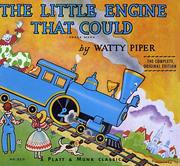
The Little Engine That Could
Watty Piper follows a stranded toy train past proud engines that refuse, to a small blue switcher who agrees to try the mountain and pulls her chanting load…
2,311-word summary · 10 min read
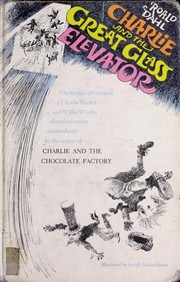
Charlie and the Great Glass Elevator
Charlie and Wonka overshoot Earth in the glass elevator, meet alien Knids, then risk age pills and Minusland.
2,514-word summary · 11 min read
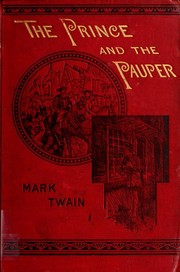
The Prince and the Pauper
Tom Canty and Prince Edward swap clothes in Tudor London and live each other's lives, from palace dinners to prison cells, until a hidden seal decides the…
2,979-word summary · 13 min read