
Reading options
What's inside (12 sections)
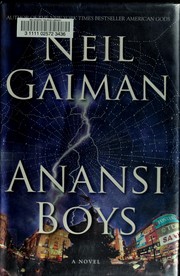
I came to Anansi Boys after American Gods left me wrung out, and this felt like Gaiman exhaling. He published it with William Morrow in 2005, a 336 page comic novel with ISBN 9780060515188. Same universe of old gods in new countries, but the stakes are personal rather than cosmic. Fat Charlie Nancy, a dull Londoner with an embarrassing name and a missing spark, learns at his father funeral that Dad was Anansi the spider trickster, and that he has a brother who got all the magic. What follows is inheritance farce with teeth. Stolen fiancees, haunted karaoke, lime spells, and a slow lesson in how to tell your own story.
Fat Charlie is one of Gaiman most lovable sad sacks. He works for a talent agency, checks contracts, fears his boss, loves his fiancee Rosie in a dutiful way, and dreads his mother in law to be. His father, recently dead in Florida after singing too hard on stage, spent Charlie childhood calling him Fat Charlie in front of everyone and pulling pranks that scarred. Charlie flew to the funeral to close a door. Instead the door opens. An old neighbor tells him he has a brother. All he has to do is ask a spider. Drunk and grieving, Charlie does. Next morning a tall, grinning man named Spider is eating his breakfast and borrowing his life.
Spider is everything Charlie is not. Handsome, musical, confident with women, comfortable with gods. He is also careless in the way only immortals can be. He sleeps with Rosie friend, gets Charlie fired by performing miracles at the office, and charms Rosie mother while ruining Charlie wedding plans. Charlie cannot fight him because Spider knows the old songs and the world bends. So Charlie does what powerless younger brothers do. He complains to the wrong authorities. He visits a creepy old woman in the Caribbean who knows Anansi. He asks the gods to take Spider away. They agree, but help from gods always has a fee. Tiger, the old enemy of stories, wants his revenge served through Charlie mouth.
London and Florida
Gaiman splits the book between damp London offices and bright Florida coasts, and both feel lived in. London is gray commutes, tiny flats, pub weddings planned with spreadsheets. Rosie is kind but tired of Charlie apology loop. Her mother is a force who treats Charlie as a project to fix. Charlie boss, Grahame Coats, is a small fraud running small scams until Spider miracles expose him in ways that escalate into genuine horror. Coats flight with stolen money to a Caribbean island where old things wait is one of the funniest and darkest threads. Gaiman lets a comic villain stumble into myth and get eaten by it.
Florida is funerals and family. Mrs. Higgler and her friends, old women who knew Anansi when he was worshipped properly, cook, gossip, and guard gates between worlds. They speak in patois and proverbs and refuse to hurry for Charlie schedule. Their kitchens smell of pepper and lime. Their warnings are plain. Do not call what you cannot feed. Do not promise what you cannot pay. Charlie, who has spent life avoiding embarrassment, must learn to ask for help aloud and to accept food from strangers. Those meals matter more than spells.
The Caribbean island chapters tilt into horror. Tiger walks as a man with a cat smell. The Bird Woman collects grudges. Ghosts wait at crossroads for lawyers who cheated them. Gaiman, who can be cozy to a fault, keeps real menace here. Spider, for all his charm, is genuinely afraid when the old powers turn. Charlie, for all his dullness, keeps walking forward because there is no one else to do it. Courage in this book is not roaring. It is showing up to a cave you were told not to enter because your brother, annoying as he is, will die if you do not.
Rosie and Maeve
Two women keep the story from becoming a boy god romp. Rosie starts as the fiancee who wants a better man and becomes someone who can say no to gods. When Spider seduces her while wearing Charlie face, she senses wrongness and pulls back. When Charlie fails to explain, she ends the engagement rather than live in confusion. It hurts and it is right. Later, kidnapped by Bird Woman as a hostage, Rosie stops waiting for rescue and bargains for herself. She offers stories instead of tears. Gaiman gives her a spine that was missing in early chapters, and the payoff feels earned rather than assigned.
Maeve Livingstone, Charlie neighbor, gets the book saddest and funniest ghost arc. Murdered by Coats to cover theft, she lingers because she has unfinished business with a lock and a grudge. She haunts Charlie flat, learns to move objects, and testifies in her own way at the end. Her chapters are gentle. She misses tea. She worries about her plants. She is furious about being killed for money. Gaiman treats her as a person rather than a clue, which makes Coats crimes feel heavier than any god fight.
Stories about stories
The theme is stated early and often. Anansi owns stories. Whoever tells them best rules. Spider inherited the gift. Charlie inherited the name Fat Charlie, which stuck like a curse. The novel is about renaming. Charlie must stop answering to Fat Charlie, stop letting his father nickname define him, and start telling a story where he acts rather than reacts. That means singing badly on purpose. Wearing a lime without shame. Telling Rosie the truth even when it sounds mad. Each small telling loosens Anansi hold.
Tiger wants the opposite. He wants stories to end in teeth. The old bargain was that Anansi stole Tiger tales and made them spider tales. Tiger never forgave it. When Charlie offers himself as bait to save Spider, Tiger accepts because humiliation of Anansi line matters more than hunger. The final confrontation is not a punch up but a tale duel. Who gets eaten depends on who tells better under pressure. Charlie, who has practiced being dull, tells a dull, true story that bores Tiger into a mistake. It is a very Gaiman victory. Boredom as weapon. Truth as trap.
What sings and what sags
What sings is voice. Gaiman narrator is warm, arch, and fond of lists. Chapter titles read like storyteller patter. Which is mostly about funerals. In which Fat Charlie fails to get home even by taxi. The humor is kind rather than cruel, even toward Coats. Patois dialogue is musical without becoming caricature. Songs run through the book as spells and jokes. Karaoke death. Shower singing. A lime that must be carried and not explained. You will smile often and laugh aloud at least twice, probably at the flamingo scene.
What sags is middle bloat. The office fraud plot and the god plot run side by side for a long stretch without touching, and Coats chapters, funny as they are, delay Charlie growth. Rosie disappears for too long while brothers squabble. A subplot about Charlie employer records could have been cut by twenty pages. Readers who want American Gods weight may find this light. It is light on purpose, a comedy about inheritance rather than a war about belief, but the lightness means lower stakes until the Bird Woman takes Rosie.
Who it is for
Read it if you like Good Omens banter or American Gods myth but want a happier, smaller story. It works standalone. You do not need to know Anansi from folklore, though knowing a little helps. Content notes are mild. Death of a parent, infidelity and impersonation for sex, workplace fraud, ghost violence, animal menace, and colonial echoes in how gods traveled with enslaved people, handled with respect but briefly. Suitable for teens and up.
I finished fond of both brothers in a way I did not expect. Spider learns to be ordinary for a woman who deserves it. Charlie learns to be extraordinary for a family that needs it. Their father, terrible and delightful, gets the farewell he earned. Not forgiveness exactly, but acknowledgment. You were Anansi. You were also Dad. Both can be true. Gaiman, who writes fathers as distant stars, lets this one burn out warmly. For a book that starts with a karaoke death, that is a generous place to land.
Grahame Coats descent
Grahame Coats deserves his own section because his fall is the book funniest horror. A small time fraud who skimmed client money, Coats runs when Spider miracles expose him, grabbing cash and a passport and landing on the same Caribbean island where old gods wait. He has no mythic sense at all. He tries to bribe ghosts. He hires a lawyer who is already dead. He hides in a cave that belongs to the Bird Woman. Gaiman takes visible pleasure in watching a modern cheat meet powers that do not accept settlements. Coats is not evil enough to be tragic. He is greedy enough to be instructive. Every shortcut he takes tightens the trap. By the time he offers Tiger a deal, you laugh and wince at once. Some men will negotiate with anything, even hunger with feathers.
Mrs. Higgler kitchen
The old women kitchen scenes are the book warmest pages and they do real plot work. Mrs. Higgler and her friends feed Charlie while telling him, in proverbs, how to survive gods. Eat before you ask. Bring rum for the dead. Never point at a crossroads after dark. Charlie, English and embarrassed, tries to take notes and is told to eat instead. That food matters. Anansi stories were carried by people who fed each other on ships and islands. The kitchen honors that lineage without speechifying. When Charlie finally stands up to Spider, he does it with phrases he heard over stew. Borrowed words work because they were given with love. Gaiman, who often writes lonely boys, lets this one be mothered by a whole street. It changes what courage looks like. Not solo. Fed.
Spider learns limits
Spider arc is easy to miss because he starts charming and stays charming, but he changes in the ways that count. Used to taking what he wants with songs, he meets Rosie, who refuses to be a verse. She ends their fling when she senses he is wearing her fiance face. Later, facing Bird Woman who wants to eat his heart, Spider learns fear for the first time and does not enjoy it. He asks Charlie for help instead of demanding it. He offers to give back the life he borrowed. His final gift to Charlie is not magic but absence. He steps out of stories so his brother can tell his own. For a trickster used to center stage, leaving is the bravest trick. Gaiman gives him a quieter power in return. A woman who likes him without spells. Work that needs doing. Mornings without applause.
Tiger and the cost of stories
Tiger deserves a closer look as the book true horror. Where Anansi steals with jokes, Tiger takes with teeth and holds grudges for centuries. Imprisoned in stories where he always loses, he waits for a careless invitation. Charlie gives it by asking for help without naming the price. The caves where Tiger waits smell of old meat and wet stone. His victims hang as shadows. Gaiman, drawing on real folklore where Tiger is Anansi rival, keeps him animal even in human shape. He stretches. He sniffs. He circles. Defeating him requires not strength but story. Charlie tells a boring, true tale about commuting and tea that gives Tiger nothing to bite. It is a very English victory. Dullness as armor. Decency as trap. Children who fear monsters will find this comforting. Adults who pay bills will find it instructive.
A note on audio
Many fans meet this through Lenny Henry reading, and Henryvoicing is superb. If you struggle with patois on the page, try ears first. The songs land harder spoken. Either way, read the acknowledgments. Gaiman thanks the storytellers who kept Anansi alive across oceans. The novel is his offering back. Take it in that spirit. A story to pass on, with limes.
FAQ
When was Anansi Boys published?
William Morrow published it in 2005. The first edition runs 336 pages and the ISBN is 9780060515188.
Who are the main characters?
Fat Charlie Nancy, his brother Spider, their father Anansi, Rosie and her mother, and Maeve Livingstone.
Is it part of a series?
No. It stands alone in the American Gods universe but follows different people.
Similar books
Norse Mythology
Gaiman retells the Norse myths in order, from the creation of the world to Ragnarok, with Odin, Thor and Loki at the center.
4,647-word summary · 21 min read
American Gods
Shadow Moon leaves prison to work for Mr Wednesday and gets pulled into war between old gods and new.
3,718-word summary · 17 min read
Hounded
A two-thousand-year-old druid runs a bookshop in Arizona, hides from an Irish god who wants his sword back, and talks to his dog.
2,159-word summary · 10 min read
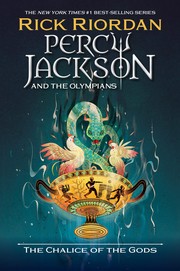
The Chalice of the Gods
Percy needs three recommendation letters from three gods to apply to college, so his first quest is recovering a stolen chalice from the god of old age.
2,106-word summary · 9 min read
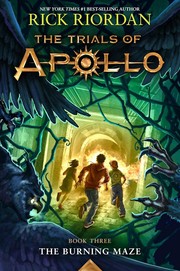
The Burning Maze
Apollo, still trapped in a mortal teenager's body, follows a dangerous prophecy through the Labyrinth with Meg and Grover as the Triumvirate's grip tightens.
2,248-word summary · 10 min read
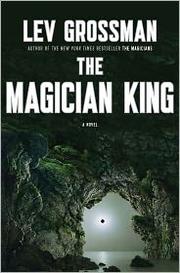
The Magician King
Quentin rules a peaceful Fillory until a golden key strands him on Earth, while Julia's brutal road from hedge witch to demigod rewrites the whole story.
2,431-word summary · 11 min read

Electric Idol
Psyche wears a camera deal to dodge Aphrodite and falls for Eros.
2,332-word summary · 10 min read

A Touch of Malice
Engaged Hades and Persephone face gods who vote on their marriage.
2,562-word summary · 11 min read
The Hammer of Thor
Magnus and Sam chase Thor's stolen hammer to a giant wedding heist, with Alex Fierro joining Floor Nineteen as Loki bargains and Ragnarok stirs.
3,068-word summary · 14 min read
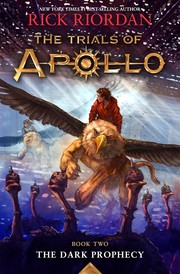
The Dark Prophecy
Mortal Apollo and Leo cross America to free the Oracle as Commodus hunts them.
2,368-word summary · 11 min read
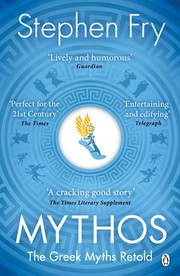
Mythos: The Greek Myths Retold
Stephen Fry retells Greek myths from Chaos to Perseus with jokes, footnotes, and very human gods.
2,553-word summary · 11 min read
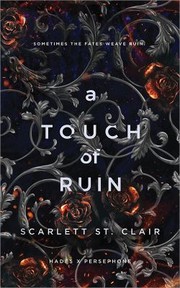
A Touch of Ruin
Persephone and Hades go public, tragedy shatters trust, and she bargains toward queenship through grief.
2,085-word summary · 9 min read
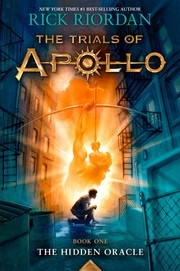
The Hidden Oracle
Apollo lands as a teen in New York with no powers and must earn his way back with Meg and demigods.
1,933-word summary · 9 min read

Circe
Exiled witch Circe masters plant magic on Aiaia, faces gods and monsters, loves Odysseus, and chooses a mortal life.
2,957-word summary · 13 min read

Dream Country
Four Sandman shorts on muses, cats, Shakespeare, and a veiled heroine.
2,001-word summary · 9 min read
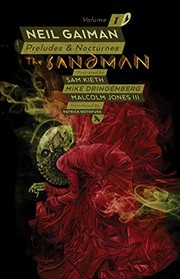
Preludes & Nocturnes
Dream escapes a 70 year prison, hunts his lost tools, faces Hell, and learns care from Death.
2,047-word summary · 9 min read
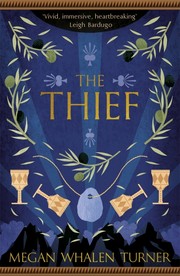
The Thief
A boastful young thief is pulled from a prison to steal a legendary stone for the king's magus, and the story he tells about himself is not the whole story.
2,514-word summary · 11 min read
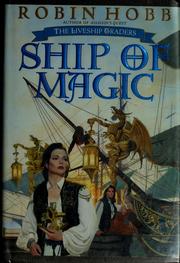
Ship of Magic
A sentient ship wakes when her captain dies, and the family that owns her starts to come apart over who gets to sail her.
2,026-word summary · 9 min read
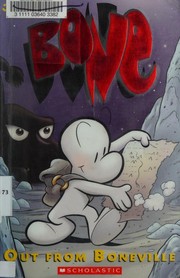
Bone, Vol. 1: Out from Boneville
Three cartoon cousins are run out of Boneville, separated by locusts, and dropped into a valley where rat creatures and an old grudge are waiting.
2,155-word summary · 10 min read

Magic Burns
A magic flare hits Atlanta, and mercenary Kate Daniels must recover stolen maps, find a missing witch, and keep a teenage girl alive while Celtic gods try to…
2,021-word summary · 9 min read

The Secret of the Nagas
Shiva hunts the Naga who attacked Sati, discovers her hidden twin sister and lost son, and follows the trail to the Naga capital of Panchavati.
2,442-word summary · 11 min read

Hard Luck
Rowley has a girlfriend, so Greg turns to a Magic 8 Ball, a family Easter hunt and the school yearbook for answers.
2,586-word summary · 11 min read

The Siren
Saved from a shipwreck in 1930, Kahlen becomes a siren who sings men to their deaths for the Ocean, until a boy in a college library makes her want a life she…
2,369-word summary · 11 min read
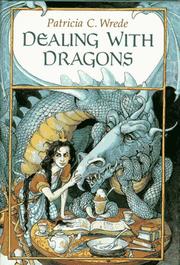
Dealing with Dragons
A princess who hates embroidery runs away to become the cook and librarian for a dragon, then has to outthink wizards, knights, and a plot against the dragon…
2,563-word summary · 11 min read

Tales from the Café
Four more visitors to a Tokyo café travel through time under strict rules, each hoping to say the thing they could not say before.
2,242-word summary · 10 min read

Fantasy Lover
A New Orleans sex therapist summons a cursed Spartan general from an ancient book and gets one month to break his spell.
2,315-word summary · 10 min read

Act Your Age, Eve Brown
Eve Brown crashes into a Lake District bed and breakfast, breaks the owner's arm, and talks her way into his kitchen. A grumpy-sunshine romance about work,…
2,474-word summary · 11 min read
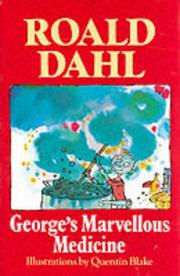
George's Marvellous Medicine
George stirs a brew of dozens of household chemicals and gives it to his grumpy grandmother, and the medicine works far better than anyone planned.
2,014-word summary · 9 min read
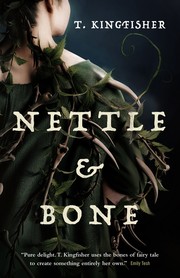
Nettle & Bone
Marra, a princess in a convent, leaves to save her abused sister, but first she must finish three impossible tasks: a bone dog, a nettle cloak, moonlight in a…
2,061-word summary · 9 min read
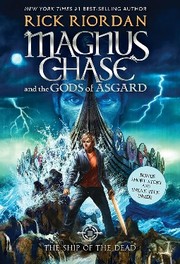
The Ship of the Dead
Magnus and his crew sail to the edges of the Norse worlds to stop Loki from launching Naglfar, the ship of the dead.
2,426-word summary · 11 min read