
American Gods
3,718-word summary 17 min read 635 pages in the book
- First published
- 2001
- Publisher
- William Morrow
- Pages
- 635
- ISBN
- 9780380789030
- Series
- American Gods (#1)
Reading options
What's inside (9 sections)
- Shadow gets out and signs on with a con man
- Old gods, new gods, and Mr Nancy telling it plain
- Laura will not stay buried and Sweeney wants his coin back
- Easter, the House on the Rock, and a war vote
- Lakeside looks perfect because someone pays for it
- Wednesday dies, Shadow hangs, and the con shows
- What to read next and how to take it
- Key takeaways
- FAQ
I picked up American Gods because a friend kept telling me it was the road novel for people who like old stories. I expected a straight fantasy quest. What I got instead was slower, stranger, and a lot sadder, in a good way. Shadow Moon gets out of prison early, his wife is dead, his job plan is dead, and then this shabby old con man named Mr Wednesday offers him work as a bodyguard and driver. You say yes because there is nothing else to say yes to. That is the whole engine of the first third, and Gaiman plays it well.
The book came out in 2001 from William Morrow, and it won the Hugo and Nebula awards the next year. That pedigree made me expect something polished and tight. It is not tight. It wanders. It stops for side stories about immigrants bringing gods to America, about a dead wife who will not stay in the ground, about small towns that look perfect and are not. Some of those detours are the best parts. A couple made me check how many pages were left. Both things can be true.
Shadow is the kind of narrator I trust because he does not talk much. He is big, quiet, mixed race, did three years in Eagle Point for a casino robbery, learned coin tricks inside from his cellmate Low Key Lyesmith. He was supposed to walk out, marry Laura, work for her best friend Robbie Burton at the gym, live clean. Then two days before release the warden tells him Laura died in a car crash. At the funeral he learns Robbie died with her. They were together in the car. They were having an affair. Gaiman does not soften that. Shadow cries in the motel and still loves her and still feels stupid for loving her. That conflict stays with him the whole book.
On the plane home he meets Wednesday. White hair, cheap suit, silver tongue, always smoking a little cigar. He knows Shadow's name without being told. He offers a job: drive, carry bags, stand behind him at meetings, take a beating if one comes. Shadow says no. Then the plane hits bad weather, Wednesday stays calm, and Shadow ends up saying yes after Wednesday pulls quarters from the air and makes him laugh despite grief. It feels like a bar bet that turns into a contract.
That contract matters later. Remember that.
Shadow gets out and signs on with a con man
The early chapters move like a crime story with a weird edge. Shadow flies to Eagle Point for the funeral, fights with Laura's mother, drops a gold coin on Laura's grave, drinks too much. He meets Mad Sweeney in Jack's Crocodile Bar, a tall red haired Irishman who claims to be a leprechaun and fights like a brawler. Sweeney teaches him a real coin trick, the one where the coin seems to come from nowhere, then loses a fight to Shadow outside in the snow. Afterward Sweeney presses a gold coin on Shadow and tells him to keep it. Shadow does not know yet what it is. He tosses it onto Laura's grave as a goodbye gift.
Big mistake. Big gift.
Wednesday's work turns out to be driving all over the Midwest to meet strange old men and women who owe him favors. Wednesday is running scams on the side. In Chicago he has Shadow pose as muscle while he runs a bank fraud with account numbers he pulls from memory. Shadow hates it but he needs the money, and Wednesday pays in cash and stories. Wednesday eats big breakfasts, charms waitresses, falls asleep in the car, tells Shadow nothing useful. He calls Shadow "m'boy" and treats him like an employee and a son and a pawn at the same time.
Then the other side shows up. A fat kid in a stretch limo who calls himself Technical Boy, vaping and sneering, tries to buy Shadow off and then has his thugs try to lynch him. A woman who speaks through TV screens, calling herself Media, appears as Lucy Ricardo and later as other familiar faces, and tells Shadow he is working for the wrong side. Men in black suits with names like Mr Town and Mr Wood beat Shadow half to death in a motel and hang him. He survives because Laura shows up, grey and cold, and rips them apart with strength no living woman should have.
That is when you understand this is not a crime novel with magic bits. Laura is walking around dead. She was embalmed, she does not heal, her arm breaks off at one point and she has to have it sewn back on. She drinks little, eats nothing, but she can fight. She still loves Shadow in her flat dead way, and she is furious about dying stupidly. She follows Shadow across the country because she wants to make it right and because the coin in her grave is keeping her up.
Gaiman writes Laura better than I expected. She could have been a plot device. Instead she gets a full inner life in flashbacks. We see her bored at work, smoking, loving Shadow but restless, sleeping with Robbie because Robbie pays attention and Shadow is locked up. She regrets it right before the crash. She dies mid argument about oral sex while Robbie is driving drunk. It is ugly and human. When she comes back she is blunt about it. Sorry does not fix it. She knows.
Old gods, new gods, and Mr Nancy telling it plain
Wednesday finally tells Shadow part of the truth. He is Odin, the All Father, called Wednesday because Wednesday is Odin's day. The old gods came to America in the heads of immigrants, Norse and Slavic and African and Irish and Egyptian and Hindu, and then America forgot them. They drive taxis now. They run funeral homes. They hustle. The new gods, Technical Boy and Media and Mr World and the Black Hats, feed on phones and screens and highways and markets. They are strong and rude and well funded. Wednesday wants war. He wants Shadow to stand behind him while he recruits.
The recruitment tour is my favorite part, even when it slows the plot. In Chicago Shadow meets Czernobog, a short grey Slavic god of darkness who works in a slaughterhouse and smells of blood and cigarettes. Czernobog lives with three sisters, the Zoryas, who watch the stars. Zorya Vechernyaya, Zorya Utrennyaya, Zorya Polunochnaya, evening and morning and midnight. Shadow plays checkers with Czernobog over vodka and salami. He loses. The price is that Czernobog gets to hit him on the head with a hammer when the time comes. Shadow agrees because Wednesday needs Czernobog's hammer for the war. It is a dumb deal and Shadow knows it. He does it anyway. That tells you who Shadow is.
Zorya Vechernyaya gives Shadow a silver coin she says she took from the moon. Keep it for luck, she says. He keeps it in his pocket and forgets about it until he needs it.
Mr Nancy shows up in a sharp yellow suit and tells stories that cut. Nancy is Anansi, the spider trickster from Ghanaian tales. His big entrance in the book is a memory of a slave ship, where he tells chained men that America will take everything from them and they should choose defiance now. It is harsh and funny and cruel. Gaiman gives Nancy the best dialogue in the book. Later Nancy shows up in Chicago to tease Czernobog and to size up Shadow. He likes Shadow because Shadow listens.
Other meetings pile up fast. Bilquis, Queen of Sheba turned prostitute goddess who eats men with her worship. The Egyptian gods Mr Ibis and Mr Jacquel, who run a funeral parlor in Cairo, Illinois, and write careful histories of how each god arrived. Ibis is Thoth, patient and bookish. Jacquel is Anubis, kind and final. They give Shadow a place to hide later. Mama Ji, who is Kali, cooking and arguing in a motel kitchen. The Jinn in a taxi with Salim the Omani salesman. Whiskey Jack and John Chapman, Johnny Appleseed, living out in the woods. A forgettable god in Las Vegas whose name slides off your mind. An Egyptian cat goddess named Bast who licks Shadow's wounds when he is beaten.
You can see the problem already. Every stop is interesting on its own. Together they make the middle feel episodic. I kept thinking, when are we getting back to Laura and the war. Then Easter fixed that for me.
Laura will not stay buried and Sweeney wants his coin back
Laura is the heart of the middle third. She is dead but moving because Shadow gave her Sweeney's gold coin. That coin holds a lot of Sweeney's power. Without it Sweeney is weaker, coughing, drinking more, scared. He tracks Shadow to Cairo and begs for it back. Shadow says he threw it away. Sweeney does not believe him until Laura shows up and proves it, the coin glowing inside her. Sweeney yells, mourns, then later dies after a fight tied to Laura. Ibis and Jacquel prepare his body with real respect. It hit me harder than I expected because Sweeney is obnoxious for two hundred pages and then suddenly tragic. He was a king in Ireland once, long before America shrank him to a bar trick.
Laura's scenes with Shadow are awkward in the right way. She smells of formaldehyde. She cannot sleep. She watches him while he sleeps. She kills people who try to hurt him without blinking. At one point her body starts to rot and she needs Sweeney's help to stay together. She asks Shadow if he still loves her. He says he does not know. That honesty is rare in fantasy love stories. He loved the living Laura. This Laura is someone else wearing her face and memory.
Sam Black Crow saves the book from getting too grim here. Shadow picks her up hitchhiking on the way to Lakeside, a young Black college woman with strong opinions and a beat up car story of her own. She talks about college, about her brother, about gods and roadside America. She draws on Shadow's hands. She does not believe his lies but she likes him. Their friendship is chaste and warm. She gives Shadow a place to be normal for a few hours. I wished she had more pages.
The new gods keep pressing. Technical Boy tries to be scary but comes off as a spoiled kid with too much processing power. Media is better, always changing channels, always reasonable until she is not. Mr Town is the worst of the Spooks, a man in a black suit who blames Shadow for his friends dying at Laura's hands. He hunts Shadow with paperwork and guns. Gaiman uses these spooks to show how modern worship looks: surveillance, convenience, noise.
Easter, the House on the Rock, and a war vote
Wednesday drags Shadow to meet Easter, called Ostara, goddess of dawn and spring. She lives in a nice house, hosts a lukewarm party, lets Christians use her name for their holiday while she gets nothing. Wednesday wants her to take back spring to show power. Media shows up at the party wearing Easter's face on TV and mocks her. Easter snaps and calls back the buds and the rain. The Midwest freezes in April. Crops fail on the news. It is a strong scene because Easter is kind until she remembers she is a goddess. That shift feels earned.
Before that comes the big set piece at the House on the Rock in Wisconsin. If you have ever been there, Gaiman nails the clutter: the Infinity Room jutting out over the valley, the world's largest carousel with hundreds of animals and no good place to ride, the coin operated orchestras. Wednesday gathers old gods there and gives a speech about being forgotten while new gods grow fat. The carousel turns, music plays, gods argue. Technical Boy walks in and gets torn apart, then later comes back changed. It should feel triumphant. It feels tired, which I think is the point. These are old beings asking for one more fight they cannot win cleanly.
I liked this section but I will be honest about a drag. The House on the Rock chapters run long. Names pile up. Some gods get one line and vanish. The speechifying repeats ideas we already got from Nancy and Ibis. I skimmed a little on first read and felt guilty, then on second pass I appreciated the small beats more, like Shadow noticing who sits with who. Still, if you like tight plotting, this is where you will sigh.
The meeting votes for war. Wednesday looks pleased. Shadow looks sick. Laura watches from the edge with Sweeney, unseen by most. She is starting to understand the coin inside her is borrowed power. Sweeney is starting to understand he will not get it back by asking.
After the meeting Wednesday sends Shadow to hide in Lakeside.
Lakeside looks perfect because someone pays for it
Lakeside, Wisconsin is quiet in a way that feels staged. Snow, a frozen lake, friendly neighbors, a small town where Shadow rents a spare apartment over a garage under the name Mike Ainsel. He drives a junk car called the clunker around the ice in winter for bets. He works at a local shop. He chats with Marguerite Olsen, who is kind and tired. He drinks coffee with Hinzelmann, an old man who tells long stories and runs the town's unofficial history. He gets checked on by Chief Chad Mulligan, decent and lonely. A teenager named Alison McGovern goes missing. Then another kid. People search. Nobody finds them.
This is the coziest part of a very uncozy book and also the creepiest. Gaiman slows down on purpose. Shadow shovels snow. He learns to ice fish. He reads. He thinks about Laura. He tries not to think about Wednesday. The town's prosperity feels out of scale for a place that small. Everyone is employed. Everyone is nice. Kids vanish every winter and people grieve and move on too fast.
I guessed part of the answer early and still enjoyed watching Shadow work it out. Hinzelmann protects Lakeside. Every year he takes one child and drowns them with a car through the ice. The cars pile up on the lake bottom. The town stays rich and safe because of those deaths. Hinzelmann is a kobold, an old house spirit turned local god, and he has convinced himself he only takes kids no one will miss much. He tells Shadow this almost proudly after Shadow finds Alison's body in the trunk of the clunker and falls through the ice himself. Shadow survives because Hinzelmann pulls him out. Then Shadow cannot kill him because of that debt. Chad overhears and shoots Hinzelmann instead.
Lakeside is where the book's idea about belief gets concrete. Not temples and prayers, but a town looking away while it benefits. I found that more disturbing than any god fight. It also slows the main war plot for a hundred pages. If you came for Odin versus Technical Boy, you may resent the pause. I did not. I needed the quiet after the carousel noise. Fair warning though, the pacing here is winter slow. Snow, coffee, small talk, then horror all at once.
Shadow gets arrested in Lakeside for breaking parole, since he left the state without permission. Czernobog and Nancy bail him out with tricks and threats. That scene reminded me these old gods do care about Shadow, in their prickly way. Czernobog still wants his hammer blow. Nancy still teases him. It is affection with teeth.
Wednesday dies, Shadow hangs, and the con shows
The parley goes wrong. Wednesday meets the new gods to talk terms and Mr World has him shot. The old gods see it and howl for blood. They take Wednesday's body and prepare for Rock City, the battle site. Shadow, bound by his contract and by honor, agrees to hold a vigil for Wednesday the old way. He hangs from a tree that is Yggdrasil, the World Tree, pierced by a spear, for nine days and nights, no food, no water, watched by ravens.
These chapters are hard to read and strong. Horus, now half mad from living too long as a hawk, visits him. Bast watches. The tree dreams crowd in. Shadow dies. He goes to the land of the dead where Mr Jacquel weighs his heart and Mr Ibis writes his story. He learns Wednesday is his father. Wednesday slept with Shadow's mother years ago as part of a long plan to make a son who would be bound to him. Shadow feels used and also strangely calm. Laura comes to him in death and kisses him, giving him back the life she borrowed. She takes her own final death in exchange. He wakes.
While dead and then alive again, with help from Easter and Horus, Shadow sees the shape of it. Mr World is Low Key Lyesmith, Loki, Shadow's old cellmate who taught him coin tricks inside. Wednesday and Loki built this whole war together as a two man con. They arranged Shadow's birth. They arranged Laura's death by arranging Robbie's drunk driving. They arranged the meeting hits and the insults. Old gods killing new gods on sacred ground would feed Odin power through sacrifice. Chaos would feed Loki. Everyone else would bleed.
Shadow walks to Rock City while both armies gather. The old gods stand with spears and hammers. The new gods stand with black SUVs and screens. Shadow steps between them and talks. He says Wednesday and Loki set this up. He says America is a bad place for gods because everything gets used up and thrown away here. He says go home or fade or find small honest work, but do not die for two tricksters. Czernobog listens because Shadow kept his word about the hammer. Nancy backs him because Nancy hates a rigged game. The new gods back off because Mr World is exposed and wounded, Laura stabbed him with a branch from the World Tree that turned sharp in her dead hands. Loki dies talking. Odin's ghost thins out. The battle never happens.
I love this ending and I know some readers find it flat. No big clash after six hundred pages of buildup. That is the point, but the point still costs something. If you wanted gods throwing lightning, you will feel cheated. Gaiman gives you a speech instead of a siege. For me the speech lands because Shadow earned the right to give it by hanging on that tree.
Afterward Shadow rests with Nancy, then settles accounts. He takes Laura's coin back from her body when she finally dies for good. He returns to Lakeside, opens the trunk, proves what Hinzelmann did, lets Chad forget with a little help. He leaves town before spring melt. In Iceland he meets another Odin, older and cleaner, made by Icelanders who remembered better. Shadow gives him Wednesday's glass eye. He does a coin trick for him, a real one this time, pulling gold from air the way Sweeney taught him. Then he flips the coin and walks away without watching it land.
That last image stuck with me more than any battle would have.
What drags, said plain: the middle sags under cameos, Shadow can feel passive for long stretches because he is literally hired to stand around, and Laura's resurrection raises questions the book waves off. How dead is she. Why does embalming fluid not stop her. What are the rules. Gaiman does not care about rules. He cares about mood and debt and deals. If you need hard magic systems, this will annoy you. If you like stories where power comes from attention and memory, with messy costs, you will forgive a lot.
What lands: the specific American texture, diners and motels and roadside attractions, the immigrant interludes where a god arrives with nothing but a name in a suitcase, the humor in Wednesday's scams, the ache in Shadow and Laura trying to be decent after death and prison. Easter taking back spring is worth the price alone. Czernobog arguing about checkers while plucking a chicken is worth it too. Mr Nancy in full flow is worth it most of all.
I finished the Tenth Anniversary text, the longer preferred version with about twelve thousand extra words, and I could feel the added fat in places. A longer funeral home talk here, a longer drive there. I did not mind. This is a book to live in for a while, not to sprint. Read it in winter if you can. Lakeside reads colder and truer when your own windows frost.
What to read next and how to take it
If you liked the myth hopping, try Anansi Boys next. It follows Mr Nancy's sons and is lighter and funnier. If you liked the roadside America part, pick up Gaiman's short work about Shadow, The Monarch of the Glen and Black Dog, where Shadow goes to Scotland and England and keeps running into old powers. If you liked Cairo, Illinois, reread those Ibis chapters slowly. They hold the whole thesis: people brought gods over like seeds, some grew, most withered.
Take the book as a story about attention. Who we watch feeds what watches us. Old gods begging for a nod. New gods screaming for a stare. Shadow learning to look away on purpose. Laura learning that love without a living body is still love but cannot last. Wednesday learning that a good con eats the con man too.
I am glad I read it, even the slow miles. Some books you admire. This one I kept thinking about while making coffee, which is my real test. Shadow flipping that last coin and not looking up. Laura choosing to let go. Hinzelmann's lake full of cars. Nancy laughing on a slave ship because laughter is the only weapon left. Those images stay.
Pick it up when you have time to wander. Do not rush the drives between gods. The drives are the book.
FAQ
Who is Mr Wednesday in American Gods?
Mr Wednesday is Odin, the Norse All Father. Shadow learns this after driving and guarding him across America.
What does the Mad Sweeney coin do?
Mad Sweeney gives Shadow a gold coin holding much of his power. Shadow leaves it on Laura grave, which brings her back half alive.
Is American Gods part of a series?
Yes, it is book 1 in the American Gods series. Anansi Boys follows in the same world with Mr Nancy family.
Similar books
More like American Gods →More from American Gods first, then related titles.

Circe
Exiled witch Circe masters plant magic on Aiaia, faces gods and monsters, loves Odysseus, and chooses a mortal life.
2,957-word summary · 13 min read
Neverwhere
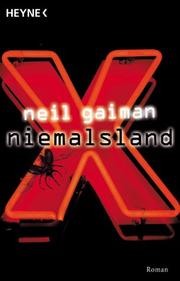
Richard Mayhew helps a bleeding girl in London and slips into London Below, a hidden city of killers, bargains and angels.
2,689-word summary · 12 min read

The Blood of Olympus
Seven demigods stop Gaia waking while Reyna brings Athena statue.
2,196-word summary · 10 min read

Storm Front
Wizard PI Harry Dresden hunts heart-explosion killer in Chicago.
2,563-word summary · 11 min read

A Touch of Darkness
Persephone bargains with Hades in New Athens nightclub deal.
2,545-word summary · 11 min read
The Red Pyramid
Siblings Carter and Sadie Kane wake the Egyptian gods and must stop Set from destroying the world.
2,682-word summary · 12 min read