
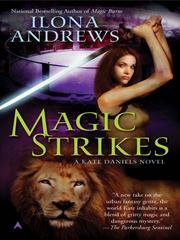
Magic Strikes
2,012-word summary 9 min read 320 pages in the book
- First published
- 2009
- Publisher
- Ace
- Pages
- 320
- ISBN
- 9780441017027
- Series
- Kate Daniels (#3)
Reading options
What's inside (10 sections)
I came to Magic Strikes after Magic Burns left me with a teenage ward and a city full of Celtic gods. The third Kate Daniels book opens with Kate a few months older and no less broke, working a job she did not choose for people she does not trust. I expected the usual wash of wonders and monsters. What I found was a tournament story, tighter and meaner than the books around it, and for a while I wondered whether the series had traded its strange Atlanta for a generic arena. It has not. The arena is simply where the book decides to tell the truth about Kate's blood.
Ilona Andrews is the pen name of Ilona and Gordon, a husband and wife team, and their habit here is to take one piece of folklore that almost nobody else is using and build a whole threat around it. In Magic Burns it was the Fomorians. Here it is the rakshasas of Hindu legend, and the interview in the edition I read explains how that happened: a childhood reading of The Jungle Book, the line about Raksha the wolf, and then the Ramayana. That chain of association is pure Kate Daniels. The mythology is not decoration. It is the plot.
A Job With the Order of Merciful Aid
Kate no longer works only for herself. She has been drafted into the Order of Merciful Aid, an organization of necromancers who deal with the dead, and the arrangement suits nobody. The Order wants her sword and her discretion. Kate wants to be left alone. The vampires in this world are not the brooding, kissable sort. They are ravenous beasts raised and controlled by the Masters of the Dead, and the author has said the idea came from asking why a necromancer's army had to be made of skeletons when it could be made of something with teeth.
The opening stretch is a good reminder of how strange this Atlanta is. Kate helps an elderly banshee, drives through streets where a magic wave can kill a car engine mid intersection, and generally handles problems that would send an ordinary private detective home. The waves matter here as much as ever. When magic is up, guns jam and spells work. When technology is up, the city almost looks normal. Kate has learned to fight with whatever the current wave allows, and her swordsmanship is the one tool the waves cannot take away.
For a mercenary who complains about being used, Kate keeps accepting work that puts other people first. That contradiction is the engine of the book. She does not take the Order's jobs because she believes in the Order. She takes them because someone has to keep the human parts of Atlanta from being eaten, and she is good at it.
Derek, and a Bargain From Saiman
The personal stakes arrive with a phone call. Derek, the young werewolf Kate has taken under her wing, has been caught in his apartment and badly hurt. Saiman, a shape shifter with polished manners and a habit of collecting favors, lets Kate know that Derek is in his hands. The price of Derek's release is simple: Kate accompanies Saiman to the Midnight Games.
Saiman is one of the more interesting people in the book because he never raises his voice. He makes a bargain that sounds like a social invitation. Kate agrees because Derek is family in all but name, and because she has no better option. She also knows the Games are illegal, which is exactly why Saiman wants her there.
When Kate reaches Derek, he is in terrible shape. He does not heal the way a wolf should. Pieces of something have been taken from him, shards of a stone called the Wolf Diamond, and until they are gone his body cannot mend. The attackers are connected to a team in the tournament called the Reapers. The attack on a boy Kate loves turns a crooked investigation into a rescue, and Kate stops pretending she can walk away.
The Midnight Games
The Games are an invitation only fighting tournament where supernatural creatures meet to batter each other for an audience and a prize. Kate and her allies get a look at the staging area before the real fights begin, and the book has fun with the pageantry. There are minotaurs, golems, fighters who can shift into things that should not fit in a room, and a vegetarian were tiger named Dali who uses a form of calligraphy based magic. Dali is a delight, and she is also a reminder that the series keeps finding new corners of the world it has not shown before.
The crowd treats lethal combat as entertainment, and the book is clear about what that means. The rules make the violence look organized. They do not make it gentle. Bouts are arranged, wagers are placed, and the Reapers keep winning in ways that should draw suspicion. Kate notices because she is looking for the people who hurt Derek, not for a good show.
There is a running joke about Kate's effect on the men around her. When she mutters that Curran needs a "can I girl" to ask whether she may fetch his food or kiss his boots, Raphael, a vain and charming fighter, freezes at the thought that Curran is standing behind her. Curran's reply is that the correct word is "may I," since she is asking permission. The scene is silly, and it works because the book trusts the reader to enjoy the rhythm of these people talking. The humor is one of the main reasons to keep reading when the fights start to blur.
Rakshasas in Plain Sight
The Reapers turn out to be rakshasas, shape shifting demons who can wear human skin well enough to pass in a room full of shapeshifters. Fragments of the Wolf Diamond let them hold those forms and hide what they really are. That is the clever part of the threat. The tournament gives them a stage where unusual strength is expected, so nobody looks too closely at a fighter who does not change all the way.
Kate and Jim, the Pack's security chief, put the pieces together. Jim has his own entanglement with the Games, which complicates his help, but he stays. The rakshasas are not simply thugs looking for a purse. They are working toward something that would put the shapeshifting community of Atlanta in danger, and the Diamond is both their prize and their camouflage.
The mythology lands better than it did in Magic Burns because it is tied to a visible mechanism. A demon that can pass as human because it is holding a piece of a magic stone is easy to picture and easy to fear. The book does not stop to lecture about the Ramayana. It lets the rakshasas be frightening first and interesting second.
Curran, Again
Curran, the Beast Lord, is a were lion, and the author has said his other side is meant to be a prehistoric American lion, territorial and used to a pride. He finds out that Kate means to enter the Games without him and is furious. He joins the team anyway. That decision is the clearest thing he does in the book. He stops arguing about whether Kate should fight and starts fighting beside her.
Kate's problem with Curran is not that she dislikes him. It is that she expects any person who cares about her to try to manage her. She pushes back at every offer of protection, even when the offer is sensible. The tournament forces the argument into action: Curran risks himself for the team, Kate accepts the help, and neither of them gives up the larger complaint. Their relationship moves forward through friction rather than confession. When they finally agree to a dinner date at the end, it feels earned because both of them have chosen to show up.
Andrea is back as Kate's friend and fellow fighter, and her presence steadies the group. The team that forms around Derek is the found family pattern the series keeps returning to, but this book gives it a practical shape. These people train, argue about tactics, and learn each other's strengths because the alternative is losing someone else in the pit.
The Sword Roland Made
The final stretch brings the tournament to a head and pulls in a threat from Kate's past. Hugh d'Ambray, a warlord connected to Roland, supplies the Reapers with a sword made by Roland himself. It is the kind of weapon that cannot be answered with ordinary steel, and the Reapers bring it into the last fight expecting to win outright.
Kate works out that the sword can be destroyed only by the blood it was made to answer. Her blood. Using it means letting Hugh see what she has spent her life hiding, that Roland is her father. She does it anyway. This is the moment the whole book has been moving toward, and it is less a display of power than a choice. Kate gives up a secret to keep her friends alive.
The Reapers do not go quietly. They take Kate hostage and demand the Wolf Diamond, and for a chapter or two the book turns into a chase. Curran and the Pack track them down, Kate is rescued, and the stone is recovered. Derek survives, though the damage from the attack does not simply vanish. The victory is real and incomplete, which is the tone the series prefers.
What Works and What Drags
The strongest thing here is the structure. A tournament gives the book a clock and a ladder, so every fight raises the question of what Kate will risk next. The first books of a series can wander. This one knows where it is going. The humor is sharper too, and the banter between Kate, Andrea, Curran, and Saiman has a rhythm that makes the violent stretches easier to take.
The mythology is put to better use than the Celtic material in the previous book. Rakshasas that hide behind shards of a magic diamond are a clear idea, and the book explains just enough to make the final fight legible. Dali is a welcome addition, and Saiman remains a pleasing worry, a man whose bargains always cost more than they seem to.
For all that, the middle sags. Once the team is inside the Games, a string of bouts starts to feel interchangeable, and a few of the opponents exist only to be defeated. Hugh d'Ambray is a thin villain whose menace is mostly inherited from Roland, the more frightening figure in the background. The book also assumes you already know the Pack's politics and the rules of the world, which is fair for a third volume but makes it a poor place to start. Readers looking for a clean romance will find a lot of arguing and one date. The violence is graphic, with torture and a badly injured boy, and it sits closer to the surface than the banter suggests.
What the Title Is About
A magic strike is a moment when the waves turn and the world bites. Kate spends this book being struck from several directions at once: a job she did not want, a friend in a pit, a demon in a crowd, a secret she would rather keep. She answers with a sword, a team, and one decision she cannot take back.
I closed it thinking less about the Wolf Diamond than about Derek. The tournament saves the city from a hidden threat, but the reason Kate enters the ring is a boy who did not heal. That is the book's quiet claim, that the biggest risk she takes is not fighting a demon in public but letting herself care enough to be seen. The next book, I gathered, makes that choice harder. Kate has told Hugh who she is, and a warlord who knows her blood is not a problem that ends with a dinner date.
FAQ
Do I need to read Magic Bites and Magic Burns before Magic Strikes?
Yes. The Midnight Games plot stands on its own, but the Pack politics, Derek's history, and Kate's relationship with Curran all build on the first two books.
Who are the Reapers in Magic Strikes?
They are rakshasas, shape shifting demons from Hindu legend who fight in human form. Fragments of the Wolf Diamond let them hide what they really are.
What happens to Derek in Magic Strikes?
He is found near death in his apartment with shards of the Wolf Diamond removed from him. Once the shards are gone he begins to recover, though the attack leaves lasting damage.
Similar books
More from Kate Daniels first, then related titles.
Magic Bites
A broke Atlanta mercenary takes her murdered guardian's last case and walks into a war between vampires and shapeshifters.
2,272-word summary · 10 min read

Magic Burns
A magic flare hits Atlanta, and mercenary Kate Daniels must recover stolen maps, find a missing witch, and keep a teenage girl alive while Celtic gods try to…
2,021-word summary · 9 min read
Magic Bleeds
The fourth Kate Daniels novel finds Kate investigating a magical plague in Atlanta while her relationship with Curran fractures and an ancient enemy tied to…
2,236-word summary · 10 min read
Forced Bonds
The Sanctuary's shield is down and the Resistance is inside. Oli must complete her bond group, including the hostile Nox, before the war costs her everything.
2,316-word summary · 10 min read

The Darkest Part of the Forest
In a town built around a sleeping horned boy in a glass coffin, a girl discovers she has been spending her nights as a faerie king's knight and remembers none…
2,012-word summary · 9 min read
Hounded
A two-thousand-year-old druid runs a bookshop in Arizona, hides from an Irish god who wants his sword back, and talks to his dog.
2,159-word summary · 10 min read
River Marked
Mercy and Adam's honeymoon on the Columbia River turns into a fight with an ancient river devil, and Mercy finally learns the truth about her father.
2,008-word summary · 9 min read
Blood Bonds
Oleander is chained in a Resistance camp, and her five Bonds have to find her before Silas Davies finishes what he started in this third Bonds that Tie book.
2,018-word summary · 9 min read

The Siren
Saved from a shipwreck in 1930, Kahlen becomes a siren who sings men to their deaths for the Ocean, until a boy in a college library makes her want a life she…
2,369-word summary · 11 min read

Lore
Lore Perseous, the last of a hunted bloodline, is pulled back into the Agon when a wounded Athena offers her revenge against the god who killed her family.
2,188-word summary · 10 min read
A Fate Inked in Blood
In Norse-inspired Skaland, a fish gutter hiding a goddess's blood is claimed by a jarl, bound by oath, and guarded by the son she cannot want.
1,971-word summary · 9 min read
Savage Bonds
Oli's deadly gift is out in the open, her Bond runs the show, and the Resistance is closer than ever in the second Bonds that Tie novel.
2,431-word summary · 11 min read

The Indigo Spell
Sydney Sage hunts an aging witch, learns forbidden magic, and finally admits she loves Adrian, while the Alchemist tattoo on her cheek may be controlling her.
2,604-word summary · 12 min read
Dreamfever
With the walls between worlds down and Mac broken by the Fae, Dreamfever is the darkest volume of the Fever series, and the one that changes everything.
2,007-word summary · 9 min read

Bitten
Elena Michaels is the world's only female werewolf, and keeping that world away from her human life in Toronto works fine until the Pack calls in a favor.
2,039-word summary · 9 min read
Silver Borne
Mercy hides a Fae book while Samuel slips and the fae close in.
2,571-word summary · 11 min read
Shadowfever
Mac Lane hunts the Sinsar Dubh in Dublin as Fae walls fail and Barrons secrets surface.
3,016-word summary · 13 min read
One Foot in the Grave
Cat hunts vampires with Bones while her Sire plots from the grave.
2,200-word summary · 10 min read
Half-Blood
Half-blood Alex trains at the Covenant while gods stir and rules close in.
2,601-word summary · 12 min read
Cry Wolf
Omega Anna joins Charles to hunt a rogue werewolf in Montana.
2,463-word summary · 11 min read
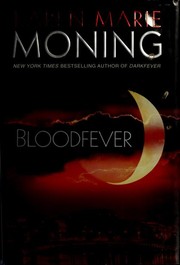
Bloodfever
Mac hunts the Sinsar Dubh in Dublin while Barrons tests her.
2,124-word summary · 9 min read
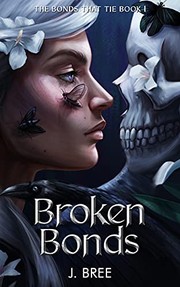
Broken Bonds
Oleander returns after five years on the run to face the five men she is bonded to, in J. Bree's 2021 opener of resentment, training, and slow trust.
2,582-word summary · 11 min read
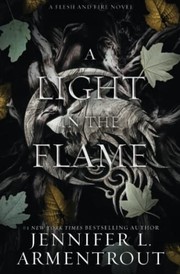
A Light in the Flame
Held by Nyktos in the Shadowlands, Sera faces trials, Kolis and the Rot while broken trust is tested.
2,577-word summary · 11 min read

The Golden Lily
Sydney Sage guards Jill at Amberwood Prep in Palm Springs, studies forbidden magic, favors Adrian over Brayden, and faces Alchemist custody in this second…
2,988-word summary · 13 min read
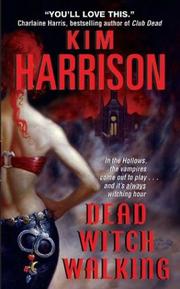
Dead Witch Walking
Witch and runner Rachel Morgan quits the agency with a death mark on her head and hunts an untouchable crime lord.
2,709-word summary · 12 min read
Halfway to the Grave
Half vampire Cat hunts rogues to atone until Bones captures her and pulls her into vampire politics and love.
2,995-word summary · 13 min read
House of Earth and Blood
Bryce Quinlan hunts a killer in Crescent City with fallen angel Hunt Athalar.
2,496-word summary · 11 min read
A Game of Fate
The Fates choose a queen for Hades, but the god of the dead resists, and the journalism student sent to expose him defies him at every turn.
2,373-word summary · 11 min read
Wolfsong
Ox Matheson grows up believing he is worth nothing. Then the Bennett family moves in next door, werewolves with a secret, and a boy named Joe begins to howl…
2,823-word summary · 13 min read