

A Light in the Flame
2,577-word summary 11 min read 652 pages in the book
- First published
- 2022
- Publisher
- Blue Box Press
- Pages
- 652
- ISBN
- 9781957568140
- Series
- Flesh and Fire (#2)
Reading options
What's inside (8 sections)
I picked up this one the night I finished the first book, mostly because I could not leave Sera and Nyktos where they were. A Shadow in the Ember had closed with trust cracked open and a lot of blood on the floor, in a figurative and literal sense. A Light in the Flame, published by Blue Box Press in 2022 as Flesh and Fire book 2 at 652 pages, starts almost at once after that fallout. It does not reset the story. It sits inside the mess.
I will keep a few late reveals soft here, the way I did for book one. This is a plot heavy sequel with family secrets and godly law tangled together, and spelling out each turn would steal the tension. I will walk through in order, name who matters, and say where the book dragged for me.
Sera is still Seraphena, the mortal girl raised to be the Maiden promised to Death. Nyktos, called Ash in private, is still the King of Gods who carries Death with him. Around them are Saion and Nektas, the draken who shift between human shape and scaled wings, plus guards and servants learning to read a new Consort. Against them stands the Golden King in Lasania, the spreading blight called the Rot, and far above them, Kolis and the other Primals who wrote the laws everyone else has to live under.
Where Sera and Nyktos are left after the first book
The opening is raw. Sera came to Ash under orders. She was trained from childhood to get close enough to end him if her kingdom asked it. By the close of book one she had acted on that training, or come close enough that intent counted as much as the cut. Ash survived, because gods of his kind do not die easily, but survival is not the same as forgiveness.
What I thought worked early is that Armentrout does not let either of them pretend it was small. Sera knows she lied with her body near his. She slept beside him, ate at his table, let him teach her how his court moves, all while holding a second purpose back. Ash knows he missed signs because he wanted to. He is old, careful, used to bargains where mortals flinch. He let himself trust her laugh and her temper. That makes his coldness in these first chapters feel earned rather than staged for drama.
Lasania hangs over both of them. Sera still thinks of herself as its shield. If she fails, crops keep failing and wells keep turning. Her mother and the priests raised her to believe her life was the price for rain. Ash thinks of Lasania as one more desperate court that would spend a girl to buy time. He has watched kingdoms do it before. Neither view is fully wrong, which keeps their fights sharp.
There is also the matter of what Sera is becoming. Hints from book one about her blood and the ember inside her grow louder here. She heals fast at times. She senses death in a way mortals should not. Ash watches those moments with open worry. He will not explain yet, and his silence lights her fuse.
A short scene I kept thinking about has Sera awake before dawn, listening to draken wings far off, trying to decide if she regrets the strike or only regrets failing. That indecision follows her for half the book.
A prisoner who is also a Consort in the Shadowlands
Most of the middle takes place in the Shadowlands, in Ash's palace and its grounds. Sera is not in a cell. She has rooms, clothes, food, guards who answer her questions when law allows. She is also not free. She cannot ride out alone. She cannot send letters home without them being read. She cannot walk the lower halls after dark without Saion or another guard at her back.
Armentrout is good at the texture of this half captivity. Meals arrive covered and cooling because Sera eats late to avoid talk. Bath water is scented with pine and smoke. The stone holds cold even at noon. Draken land on the high walls and shake dust into the courtyard. Servants bow to Sera as Consort in public, then go still when she asks for news of Lasania.
Saion becomes her main sparring partner again. He is blunt, funny in a tired way, loyal to Ash to the bone. He drills her with short swords, corrects her footwork, tells her when she is favoring her left side. Through him we learn palace routine. Who stands watch. Which gods visit. What it costs to feed a court while the Rot thins herds outside.
Nektas is warier. He is draken, older, a father in his own right with a mate and young, and he looks at Sera the way a soldier looks at a drawn bow. He is polite. He is never casual. In one council he stops her from speaking out of turn with a single glance, not to shame her but to keep her alive under godly law. Later, when she trains with his kin, he lets her see a softer edge, pride when she holds her ground against a larger fighter.
Sera chafes, of course. She tries doors. She tests guards with small lies to map what they will repeat. She counts windows. Back in Lasania waiting meant duty, while here waiting means being studied. She starts to ask better questions instead of only pulling at locks. What does Consort mean under Shadowlands rite. What protection does it give. What happens if she refuses it.
Ash keeps distance on purpose. He is formal in hall, brief in private. He tells himself distance keeps her safe. Sera reads it as punishment, and in part it is. Their few honest talks happen on walks or during training, when bodies are busy and guards stand far enough off that voices drop.
Kolis, the other Primals and the spread of the Rot
The larger myth opens up here. Above Ash stands a structure of Primals, the oldest and strongest gods, each tied to a force like Life or Death or Sky. Kolis sits at the top in name, called King of Gods by many courts. The book makes clear that title and truth are not the same. Ash holds Death in his blood by birthright. Kolis holds power by seizure and fear.
I am keeping the history general because the book reveals it in pieces through stories, arguments, and old rites. Long ago there was a woman named Sotoria, loved and lost, whose death bent Kolis toward cruelty. There was Eythos, Ash's father, and choices about succession that left wounds no law could close. Sera hears versions that do not match. A priest says one thing. Nektas says another. Ash says little at all until pressed hard.
What is plain is the Rot. In book one it was blight on fields. Here it moves faster. Villages empty. Rivers run low and strange. Animals born weak. The palace receives reports tied with red cord, read aloud at table while food cools. One courier speaks of a town near the foothills where half the wells failed in a week. Another speaks of soldiers refusing to escort grain because they fear the sickness will follow them home.
Courts read the Rot to suit themselves. The Golden King uses it as cover to press Lasania for land and brides and taxes. Lesser lords blame the gods. Priests blame weak faith. Ash and his inner circle treat it as a symptom of imbalance among the Primals, something no mortal army can stab.
Kolis himself appears more directly than before, and those scenes carry real dread. He is charming in the way of men used to being pleased. He notices Sera. He asks after her health, her sleep, her dreams. Courtiers laugh too fast at his jokes. Even draken go quiet when his name is read from a scroll. Armentrout does not make him a shouting tyrant. She makes him attentive, which is worse. Sera feels seen by him in a way that has nothing to do with care.
Other Primals drift at the edges. Attes, Phanos, and kin are named in council and gossip. Some favor Ash. Some favor Kolis out of fear. Fates are invoked often, though rarely seen, as the weavers who set lines no god may cross without price. The central split stayed clear to me. Ash stands for a law that binds even kings. Kolis stands for will that bends law.
Love held at arm's length and the trials Sera faces
The romance in this book is less about first spark and more about whether damaged trust can bear weight. Ash wants Sera. That is never in doubt. He also believes wanting her puts a mark on her back. If Kolis decides Sera matters to the King of Death, she becomes a lever. So Ash pulls back. Cold baths. Short answers. Long nights riding the borders instead of sleeping under his own roof.
Sera does not accept that logic quietly. She points out, rightly, that she was already a mark from birth. Lasania promised her. Prophecy named her. Kolis has already looked at her twice too long. Hiding feeling does not hide her. Better to train her, arm her, teach her court law, than to lock her in soft rooms and hope danger passes.
This argument repeats, and the repeats are the point and the problem. Neither will yield and both have reasons, but three long talks circle the same ground. I started skimming, then got pulled back when Ash fixes her cloak without thinking and then hates himself for it. Those unguarded gestures do more than the speeches.
Sera also faces set trials meant to test if a mortal can stand beside Death. I will not list each step, to leave some surprise, but they involve endurance, judgment under fear, and the ember inside her that answers to life. She prepares with Saion and with draken handlers. She fails, adjusts, tries again. One trial in a flooded hall left me holding my breath, not because of magic display but because Sera has to choose who to save when she cannot save all.
The intimate scenes are frequent, as readers of Armentrout will expect. Early ones run on anger and relief. Later ones run on grief. I thought the best of them were quiet, talk first, hands learning again, questions asked instead of orders given. A few run long enough to stall momentum. When a council about grain follows a lengthy bedchamber scene, the grain talk feels thin by comparison, though it should carry more weight for Lasania.
Jadis and Reaver, younger draken tied to Nektas, add light here. Jadis is curious about mortal habits and asks Sera blunt questions about food and sleep and fear. Reaver teases Saion until Saion snaps, then grins like a boy. Their play keeps the palace from feeling like only stone and law. Ector, another guard, steadies Sera when Saion pushes too hard. These bonds matter because Sera has no family near. Chosen kin has to do.
What tests my patience in the middle
Let me be plain about faults, because book one had the same ones and they grow here.
Length is first. At 652 pages in the Blue Box Press edition, this is a big book that sometimes moves like a bigger one. Training runs together. Councils repeat points about the Rot and Kolis with new names but little new sense. Sera walks the same corridor thinking the same thoughts about trust. I set it down twice around the halfway mark, not from boredom exactly but from fullness. A tighter middle by eighty pages would have helped.
Second is repetition of beats from Blood and Ash and from book one. Hidden bloodline. Bargain that forces nearness. Powerful man who calls the heroine by a private name. Loyal guard who jokes to cover care. Older mentor who withholds truth to protect. If you are new to Armentrout, these will feel rich. If you read Poppy and Casteel, you will guess turns early. I guessed two late reveals by the middle, which dulled some shock.
Third is spice crowding plot at times. I do not object to heat. The early tension between Sera and Ash tells us how they are. The issue is placement. A strong political scene about Lasania grain or Primal law is sometimes followed at once by an extended intimate scene that eases the same tension the council built. After a while the pattern trains you to expect release instead of consequence.
The prose has tics too. Men order and growl. Women lift chins and narrow eyes. Oaths stack up. I did not mind in book one, but across two long books the sameness shows. A few councils needed sharper talk and fewer titles.
None of this made me dislike the book. Sera's voice stays distinct from Poppy's, angrier and more practical about hunger and duty. Ash's tired care stays distinct from Casteel's flash. The Shadowlands feels colder and older than Atlantia. When the book focuses on those differences, it sings.
How it ends and what it sets up next
The last hundred pages move fast. Kolis presses his claim in ways I will not spell out. Lasania pays for Sera's absence. The Golden King overreaches. Saion and Nektas are forced to choose in public where private loyalty once sufficed. Sera must use what the trials taught her under real threat, with gods watching and no second attempt allowed.
Sera's choice is the core. Will she hide inside Ash's protection and hope Kolis looks away. Will she run for Lasania and spend herself for a kingdom that spent her first. Or will she claim the ember and the title that goes with it, knowing claim invites Kolis to look harder. Armentrout stages this as action, not debate. Sera runs, climbs, bleeds, calls on life in a place shaped by death. Ash meets her halfway, breaking his own rules in stages rather than with one vow. A concession at a gate. A blade drawn against his own kind. A name spoken aloud before witnesses.
The close does not cure the Rot. It does not topple Kolis. It does not make Lasania safe. It shifts the bargain between Sera and Ash into something chosen rather than imposed, then puts that choice under immediate threat. A final arrival, which I will leave unnamed, changes who holds Sera's future. I shut the book annoyed at the cliffhanger and at once ready for book three, which is probably the honest response to a middle volume.
If you liked book one for Sera's anger and Ash's restraint, this one deepens both. If you tired of length and heat in book one, know those traits stay. For me the palace politics and Kolis scenes carried the extra pages. Sera walking into trial halls, Saion guarding the door, Nektas bowing to her before witnesses, Ash speaking plain about fear, those moments paid off the slower stretches.
Read it soon after book one while names and laws are fresh. Keep track of who tells which story about Sotoria and Eythos, because tellers shape tales to protect themselves. And expect to finish with more questions than answers about life, death, and what a Consort can demand from gods.
FAQ
Is A Light in the Flame part of a series?
Yes. It is Flesh and Fire book 2, published by Blue Box Press in 2022. It continues Sera and Nyktos directly after A Shadow in the Ember.
Who are the central characters?
Seraphena, called Sera, and Nyktos, called Ash, the King of Gods tied to Death. Saion, Nektas and the draken support them, with Kolis as the main threat from above.
Do I need to read A Shadow in the Ember first?
Yes, you should. This sequel starts inside the fallout of book one, and its trials and godly politics assume you know the bargain and the Rot.
Similar books
More from Flesh and Fire first, then related titles.

A Shadow in the Ember
Promised to Nyktos, the King of Gods, mortal Sera must face prophecy, the Rot and a bargain that tests loyalty and desire.
2,571-word summary · 11 min read

Magic Burns
A magic flare hits Atlanta, and mercenary Kate Daniels must recover stolen maps, find a missing witch, and keep a teenage girl alive while Celtic gods try to…
2,021-word summary · 9 min read
Blood Bonds
Oleander is chained in a Resistance camp, and her five Bonds have to find her before Silas Davies finishes what he started in this third Bonds that Tie book.
2,018-word summary · 9 min read
Savage Bonds
Oli's deadly gift is out in the open, her Bond runs the show, and the Resistance is closer than ever in the second Bonds that Tie novel.
2,431-word summary · 11 min read

The Indigo Spell
Sydney Sage hunts an aging witch, learns forbidden magic, and finally admits she loves Adrian, while the Alchemist tattoo on her cheek may be controlling her.
2,604-word summary · 12 min read
Broken Bonds
Oleander returns after five years on the run to face the five men she is bonded to, in J. Bree's 2021 opener of resentment, training, and slow trust.
2,582-word summary · 11 min read

The Golden Lily
Sydney Sage guards Jill at Amberwood Prep in Palm Springs, studies forbidden magic, favors Adrian over Brayden, and faces Alchemist custody in this second…
2,988-word summary · 13 min read

Half-Blood
Half-blood Alex trains at the Covenant while gods stir and rules close in.
2,601-word summary · 12 min read
A Kingdom of Flesh and Fire
Poppy travels to Atlantia with Hawke as Casteel while war, prophecies, and her own gifts close in.
3,048-word summary · 14 min read

River Marked
Mercy and Adam's honeymoon on the Columbia River turns into a fight with an ancient river devil, and Mercy finally learns the truth about her father.
2,008-word summary · 9 min read

The Siren
Saved from a shipwreck in 1930, Kahlen becomes a siren who sings men to their deaths for the Ocean, until a boy in a college library makes her want a life she…
2,369-word summary · 11 min read

Demonglass
Sophie Mercer spends the summer at the Council's English estate, where two new demons, a suspicious host, and Archer's return complicate her plan to remove her…
2,771-word summary · 12 min read

Born at Midnight
Kylie Galen is sent to a camp for troubled teens and discovers it is a haven for vampires, werewolves, and witches, and that she may be something stranger…
2,310-word summary · 10 min read

The Rose & the Dagger
Shahrzad is pulled from her Caliph husband and left in a desert camp of rebels, needing to break his curse and end a war before it ends her.
2,520-word summary · 11 min read

We Hunt the Flame
In a fractured Arabia-inspired world, a disguised huntress and a prince-assassin race to find a magic-restoring book and confront an ancient evil.
2,195-word summary · 10 min read

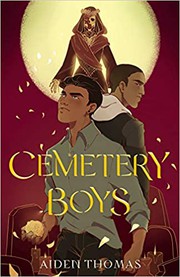
Cemetery Boys
A trans brujo in East Los Angeles summons the ghost of a boy who refuses to move on, and together they uncover a murder hidden beneath Día de los Muertos.
1,997-word summary · 9 min read

Blue Moon
Ever Bloom tries to save her immortal boyfriend, Damen, from a mysterious illness while a new student named Roman quietly takes control of her school and her…
1,998-word summary · 9 min read
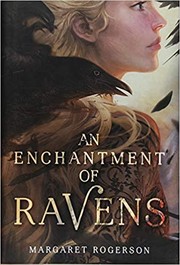
An Enchantment of Ravens
Isobel, a mortal artist in the fairy town of Whimsy, paints a portrait of the autumn prince and falls in love with him, breaking the laws of her craft.
2,087-word summary · 9 min read
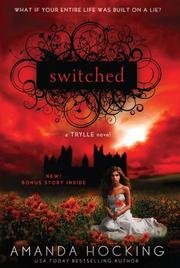
Switched
A Minnesota teenager who can make people obey her discovers she is a changeling troll princess, and the hidden kingdom she came from wants her back.
2,131-word summary · 9 min read
A Fate Inked in Blood
In Norse-inspired Skaland, a fish gutter hiding a goddess's blood is claimed by a jarl, bound by oath, and guarded by the son she cannot want.
1,971-word summary · 9 min read


Dreamfever
With the walls between worlds down and Mac broken by the Fae, Dreamfever is the darkest volume of the Fever series, and the one that changes everything.
2,007-word summary · 9 min read

Bitten
Elena Michaels is the world's only female werewolf, and keeping that world away from her human life in Toronto works fine until the Pack calls in a favor.
2,039-word summary · 9 min read
A Deal with the Elf King
A village herbalist is exposed as the hidden Human Queen, married to a cold elf king, and given three months to save his dying kingdom or be bound to it…
2,094-word summary · 9 min read

When the Moon Hatched
An assassin who hears air takes a job that throws her to dragons and a hunter.
2,083-word summary · 9 min read

This Savage Song
Monster hunter Kate meets August, a monster who plays violin.
2,574-word summary · 11 min read

Soulless
A soulless spinster in Victorian London nullifies supernaturals and solves disappearances.
2,362-word summary · 10 min read
Silver Borne
Mercy hides a Fae book while Samuel slips and the fae close in.
2,571-word summary · 11 min read
Shadowfever
Mac Lane hunts the Sinsar Dubh in Dublin as Fae walls fail and Barrons secrets surface.
3,016-word summary · 13 min read