
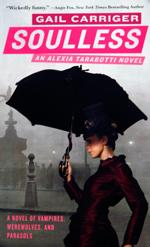
Soulless
2,362-word summary 10 min read 384 pages in the book
- First published
- 2009
- Publisher
- Orbit
- Pages
- 384
- ISBN
- 9780316056632
- Series
- Parasol Protectorate (#1)
Reading options
What's inside (7 sections)
I picked up Soulless because I wanted funny fantasy after heavy books, and Alexia Tarabotti gave me exactly that dry British wit with parasols and vampires. First published in 2009 by Orbit Books at 384 pages in paperback, it is book one in the Parasol Protectorate series set in an alternate Victorian London where werewolves and vampires are part of society. Alexia is a spinster with no soul, which means she turns supernaturals human by touch. She kills a vampire who attacks her at a party, and suddenly the Bureau, the hives, and a gruff werewolf earl all want her. I laughed a lot and still cared about the mystery.
Alexia starts as an outsider with excellent manners and a bad parasol habit. Half Italian through her dead father, living with a mother who thinks she is ruined, two silly half sisters, a stepfather who snores, and a best friend Ivy who wears terrible hats. She is twenty six, too outspoken, too curious, too intelligent for marriage market. She reads science, carries parasols with hidden weapons, says what she thinks over tea. When a rude vampire attacks her in a dark hall and she kills him with a stake hidden in her parasol, she does not faint. She complains about blood on her dress and the lack of decent constables. That practicality sets tone. Danger is real, but decorum must hold.
Queen Victoria sends Lord Conall Maccon, Earl of Woolsey, Alpha of local wolves, to investigate. Maccon is huge, Scottish, gruff, always a little angry because his wolf hates being nullified by Alexia's touch. Every time she grabs his arm, he turns human and feels naked without his beast. He dislikes her and desires her in equal messy parts. Their banter is the book's engine. She corrects his manners. He growls about Italians and parasols. Underneath, both are lonely competent people tired of performing. I rooted for them early, even when he was rude, because Carriger lets him be wrong and apologize without groveling.
Vampires missing
The mystery is solid under comedy. Vampires of London high society vanish. Countess Nadasdy's Westminster hive loses members. Lord Akeldama, flamboyant old vampire friend of Alexia's who wears velvet and keeps drones like Biffy, worries in his dramatic way. The Bureau of Unnatural Registry, which tracks supernaturals, asks Alexia to help because her soulless state makes her immune and useful. Professor Lyall, Maccon's beta and calm werewolf valet type, explains with patience. Mr. MacDougall, American scientist obsessed with souls, has a crush and theories. All point to human science. Someone builds a device to steal souls or kill supernaturals.
The Hypocras Club, human scientists who hate supernaturals, drives plot. Mr. Siemons leads, with Dr. Neebs and others, believing Britain should be free of monsters. They kidnap, experiment, build a machine that disrupts supernatural aether. Alexia, being preternatural, is key to understanding because she nullifies. They want to study or eliminate her too. The club scenes mix horror and farce. Men in coats arguing about souls while holding ray guns. Alexia tied up, still correcting grammar. Maccon breaking doors. It works because Carriger takes science seriously enough. Aether as explanation for magic, soul as organ that holds excess. Alexia has none, so she cancels. That rule stays consistent. Touch on, powers off. Touch off, powers return. Simple, fun, used cleverly in fights and kisses. A kiss that turns a wolf human mid growl is both romantic and funny.
London itself charms. Carriages, tea shops, balls, dirigibles, parasols as fashion and weapon. Carriger loves Victoriana and mocks it. Etiquette books quoted, then broken. Ivy's hats described lovingly as disasters. Dresses with hidden pockets for stakes and sandwiches. Dirigibles overhead while servants gossip below. You feel alternate history without info dumps. Vampires registered, werewolves in military, ghosts in bureaucracy. It is silly and thought through. I believed this London could run, with paperwork for fangs.
Alexia's family gives comedy and sting. Her mother Lady Loontwill cares about reputation more than daughters. She married Squire Loontwill for safety after Italian love, and now polices Alexia's prospects. Half sisters Evylin and Felicity are silly and sometimes cruel in the way sheltered girls are. Stepfather snores through crises. Floote, the butler who knows more than he says, watches Alexia with quiet loyalty. These home scenes show why Alexia clings to independence. No one there sees her. Ivy sees, Akeldama sees, eventually Maccon sees. Found family forms around tea and danger. That warmth balances mystery.
Manners and fighting
Parasol combat deserves praise. Alexia fights with parasol tips, hidden stakes, acid-tipped darts, and sharp wit. She is not strongest. She wins by preparation and nerve. A scene where she faces a vampire in a library and talks while positioning for a stake made me grin. She asks about his cravat to distract. Very Alexia. Maccon fights with brute wolf strength, tearing doors, growling orders. Their styles clash and complement. She plans. He pounces. Together they survive Hypocras traps that neither alone could. That partnership, prickly then trusting, carries romance better than declarations.
Romance builds through arguments about propriety. Maccon thinks Alexia should stay home. She refuses. He follows to protect and ends needing protection from nullification. She thinks he is a barbarian. He proves tender with his pack and with her when she is hurt. A moment where he carries her coat in human form because she is cold, hating softness, stayed with me. No grand speech. Just coat. Later, a kiss that leaves him human and vulnerable, which he hates and craves. Consent stays clear. She asks before touching to nullify in intimate moments. He asks before claiming in wolf way. For paranormal romance, that care stands out. Heat exists, but respect leads.
Mystery resolution satisfies without cheating. Disappearances trace to Hypocras machine disrupting aether, plus vampire politics. Countess Nadasdy plays her own game, proud and angry. Siemons wants genocide for science. Alexia exposes by being herself in the wrong room at the right time, nullifying at key moment. Maccon backs with force. Lyall coordinates. Akeldama gossips usefully. No one person saves day. Team of odd friends does. That ensemble feel, built over 384 pages, promises series joy. You will want more tea with these people.
What shines is voice. Third person close to Alexia, arch, funny, observant about class and gender. Footnotes? No, but asides about etiquette and science read like them. Sentences are crisp. Dialogue crackles. Worldbuilding is deep but light. You learn soul theory while laughing at hats. That balance is hard and Carriger nails debut. It won Alex Awards and made best lists for good reason. Accessible to romance, fantasy, and steampunk fans without demanding prior lore.
What creaks is repetition. Alexia explains soullessness many times to different people. Maccon growls and apologizes on loop. Some side characters stay types. Ivy is hats and loyalty. Tunstell is eager. Haverbink is guard. They charm but do not grow here. Later books deepen. Here they serve. Also, American scientist MacDougall's crush resolves fast. If you want tight mystery without romance detours, you may skim banter. I did not. Banter is point.
Content is adult but light. Violence with stakes and claws, no gore linger. Sex talk frank, scenes closed door or fade. Language mild for Victorian setting with modern bite. Good for adults and older teens who like romance with fangs. No one is shamed for desire. Alexia owns appetite and intellect together. That ownership felt feminist without speeches. She wants husband and work and respect. She negotiates for all.
Who should read it
Read it if you like steampunk romance with comedy, like Etiquette and Espionage but adult, or Mercy Thompson banter but Victorian. Read it for parasols, tea, wolves, and a heroine who says no to staying home. Start here, in order. Later books build on marriage and politics set here.
Skip it if you need grimdark or dislike romance in fantasy. This is cozy with fangs. Stakes kill, but tea follows. Skip if Victorian gender jokes tire. Alexia fights them, but they fill pages. You must enjoy manners to enjoy mocking them.
For me, the image that stays is Alexia at a ball, parasol over shoulder, turning a growling earl human with one gloved touch, then scolding him for growling while offering lemonade. Power as etiquette. She does not need a soul to have soul, as friends learn. At 384 pages, Soulless argues soul is not magic organ but choices. Be curious, be brave, be kind while armed. I closed it smiling, wanting Changeless next, trusting Alexia to keep nullifying nonsense with style. That trust, built on wit and heart, is why the book endures since 2009. Parasols up. Manners sharp. Heart open. Go on.
Aether, science, and society
I want to say more about aether and soul theory, because Carriger builds rules that support both mystery and romance. In this London, supernaturals have excess soul that gives powers. Vampires and werewolves were once human, changed by soul surplus. Ghosts linger with remnants. Preternaturals like Alexia have no soul at all, so touch cancels excess, turning wolves human and vampires mortal while contact holds. Scientists at Hypocras and the Bureau debate. Is soul measurable. Can it be removed or bottled. Mr. MacDougall crushes on Alexia while theorizing. That blend of flirtation and physics charms. You learn rules through tea talk, not lectures. Touch on, powers off. Simple enough to remember in fights. Complex enough to drive disappearances when a machine disrupts aether citywide.
The social order built on soul fascinates. Queen Victoria employs supernaturals openly. Vampires hold hives with queens and drones. Werewolves form packs with alphas and betas under Bureau registry. Ghosts have offices. Humans accept because law and manners contain. High society invites vampires to balls while whispering about Italian fathers. That hypocrisy mirrors real Victorian class and empire. Carriger, who studied history, lets parallels show without speeches. Who counts as natural. Who registers. Who passes. Alexia, half Italian and soulless, fails both blood and soul tests. She responds with impeccable manners and sharper mind. Her existence questions system more than any speech. What if worth is not soul surplus but character. The book asks quietly while entertaining loudly. That balance lets fun carry thought.
The Hypocras Club as human supremacists warns about science without ethics. Siemons and doctors want to cure Britain of monsters by killing or normalizing. They kidnap vampires, experiment, build disruptors. Their language is hygiene. Cleanse, purify, protect. Alexia, who nullifies, could be weapon or proof that coexistence works. They choose weapon. Maccon and Lyall choose protection. That split among humans matters. Not all scientists hate. MacDougall loves supernaturals awkwardly. Lyall studies to understand. Alexia studies to survive. Science serves values chosen. Carriger does not reject progress. Dirigibles, parasol guns, aether detectors delight. She rejects using progress to erase difference. That message lands now as then. Difference is not disease, even when fangs show.
Friendship and family
Ivy Hisselpenny deserves more love. Best friend with terrible hats, actress aspirations, loyal to a fault. She accompanies Alexia to balls, distracts with chatter, believes without full understanding. Her hats, described with loving horror, signal refusal to conform quietly. She will be seen, even if laughed at. That courage mirrors Alexia's parasol. Both use fashion as armor. Ivy's loyalty never wavers, even when danger mounts. She does not fight with stakes. She fights with presence. Showing up to dangerous tea. That presence matters as much as Maccon's claws. Found family needs witnesses who stay.
Lord Akeldama, ancient vampire in velvet and perfume, steals scenes with kindness underneath flamboyance. He shelters Alexia, gossips usefully, sends Biffy with messages. He loves beauty and loyalty fiercely. His house is safe because he makes it so with power and style. He teases Maccon mercilessly about feelings, which helps prickly wolf admit. Representation matters here. Queer vampire as nurturer, not predator, in 2009 paranormal romance was brave. Carriger writes him with respect, not caricature, though camp delights. He chooses family across species. Drones like Biffy adore him genuinely. That household shows alternative kinship working. Blood shared by choice, not birth. Alexia learns from it. She builds her own household of friends who choose her back.
Alexia's blood family contrasts sharply. Mother obsessed with reputation, stepfather snoring through crises, half sisters silly and sharp. They love in limited ways. Mother wants Alexia married to anyone respectable to stop embarrassment. Sisters mock Italian nose while borrowing dresses. Floote the butler sees more and says little, protecting Alexia with quiet acts. A warmed cloak, a message delayed. Servants see truth upstairs misses. That downstairs loyalty echoes upstairs found family. Home is where people notice. Alexia notices servants back, learning names, thanking. Small courtesies build alliances that save her later when she needs a carriage fast or a rumor quashed. Manners as survival, not just performance. Be kind to those who serve. They remember.
The romance's consent deserves emphasis. Maccon in wolf form could overpower. He does not. He asks to court in human words, clumsy and sincere. Alexia sets terms. No claiming without asking. Touch to nullify only with permission in intimacy, because it leaves him vulnerable. He agrees, though wolf hates. That negotiation, frank and funny, models healthy paranormal romance. Desire does not override autonomy, even with fangs. Later books test this further with marriage and pregnancy, but foundation here is solid. Love as negotiation between equals with different powers. She nullifies. He protects. Both yield. That yielding, not alpha dominance, makes their banter sizzle. Equals sparring, not master and miss.
If you reread, watch for soul language. Characters say bless my soul, soulful, soulless as insult. Alexia reclaims. Having no soul means she cannot be swayed by supernatural glamour, cannot be turned, cannot be read. Lack becomes strength. That inversion empowers anyone told they lack something essential. Too old, too foreign, too outspoken. Alexia is too much and not enough by society measures, yet exactly enough to solve. That message, delivered with parasol twirls, lasts beyond mystery. You do not need a soul as defined by others. You need choices that show soul in action. Curiosity, bravery, kindness while armed. Keep those. The rest is aether.
FAQ
When was Soulless published?
It was first published in 2009 by Orbit Books at 384 pages. It is book one in the Parasol Protectorate series.
Who is Alexia Tarabotti?
Alexia Tarabotti, preternatural with no soul, kills a vampire in self defense and works with werewolf Lord Maccon to find missing vampires.
Similar books
More from Parasol Protectorate first, then related titles.

The Indigo Spell
Sydney Sage hunts an aging witch, learns forbidden magic, and finally admits she loves Adrian, while the Alchemist tattoo on her cheek may be controlling her.
2,604-word summary · 12 min read

One Foot in the Grave
Cat hunts vampires with Bones while her Sire plots from the grave.
2,200-word summary · 10 min read
Lover Mine
Mute fighter John Matthew loves scarred Xhex as Lash and the war close in on Caldwell.
2,516-word summary · 11 min read
Lover Avenged
Half symphath Rehvenge hides behind ZeroSum and drugs while nurse Ehlena pulls him toward truth.
2,421-word summary · 11 min read
Dead in the Family
Sookie shelters fairy kin and a telepathic boy while pack murder and Eric's vampire kin close in.
2,412-word summary · 11 min read
Lover Eternal
Cursed fighter Rhage must control his beast to protect Mary Luce as the Lessening Society closes in.
2,842-word summary · 13 min read
Dead as a Doornail
Sookie tracks a sniper hunting shifters as Jason faces his first panther change and pack justice looms.
2,440-word summary · 11 min read
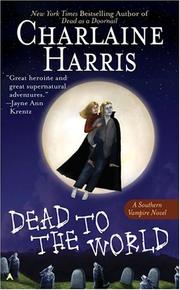
Dead to the World
Sookie hides a blank Eric for Christmas while hunting the witch who cursed him and finding Jason.
1,997-word summary · 9 min read
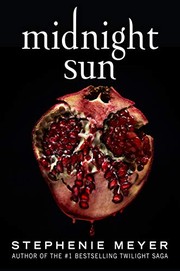
Midnight Sun
Twilight retold by Edward Cullen: a silent mind, singer blood in Forks, and restraint tested to the edge.
3,824-word summary · 17 min read

Dark Lover
Blind King Wrath turns to cop Butch to protect Beth as the Lessers war closes in.
2,442-word summary · 11 min read
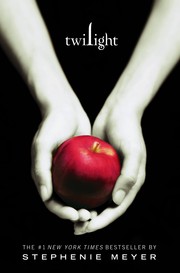
Twilight
Stephenie Meyer's Twilight in full: Bella and Edward's romance in Forks, the Cullens' rules and the nomad vampires, and what the novel's restraint does to its…
2,494-word summary · 11 min read
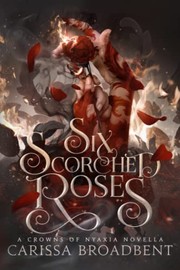
Six Scorched Roses
A dying scholar bargains with a reclusive vampire for blood, and six roses turn a transaction into a slow, dangerous romance.
2,663-word summary · 12 min read

Magic Burns
A magic flare hits Atlanta, and mercenary Kate Daniels must recover stolen maps, find a missing witch, and keep a teenage girl alive while Celtic gods try to…
2,021-word summary · 9 min read
At Grave's End
Cat and Bones face Max, a zombie-raising ancient vampire, and a prophecy that ties their marriage to Patra's death in the third Night Huntress novel.
2,061-word summary · 9 min read

Masquerade
After Cordelia's death, Schuyler flies to Venice to find her exiled grandfather, then returns to the Blue Bloods as they prepare for a masked ball and a hidden…
2,543-word summary · 11 min read
Blood Bonds
Oleander is chained in a Resistance camp, and her five Bonds have to find her before Silas Davies finishes what he started in this third Bonds that Tie book.
2,018-word summary · 9 min read
Demonglass
Sophie Mercer spends the summer at the Council's English estate, where two new demons, a suspicious host, and Archer's return complicate her plan to remove her…
2,771-word summary · 12 min read

Born at Midnight
Kylie Galen is sent to a camp for troubled teens and discovers it is a haven for vampires, werewolves, and witches, and that she may be something stranger…
2,310-word summary · 10 min read
Lover Unleashed
Paralyzed vampire warrior Payne and surgeon Manny Manello collide in an adult paranormal romance, as Xcor's Band of Bastards arrives in Caldwell for revenge.
2,374-word summary · 11 min read
Cemetery Boys
A trans brujo in East Los Angeles summons the ghost of a boy who refuses to move on, and together they uncover a murder hidden beneath Día de los Muertos.
1,997-word summary · 9 min read
Switched
A Minnesota teenager who can make people obey her discovers she is a changeling troll princess, and the hidden kingdom she came from wants her back.
2,131-word summary · 9 min read
Savage Bonds
Oli's deadly gift is out in the open, her Bond runs the show, and the Resistance is closer than ever in the second Bonds that Tie novel.
2,431-word summary · 11 min read
Glass Houses
Claire Danvers moves off campus to escape a bully and lands in a house where the roommates know Morganville's real secret: the town belongs to vampires.
2,345-word summary · 10 min read
Dreamfever
With the walls between worlds down and Mac broken by the Fae, Dreamfever is the darkest volume of the Fever series, and the one that changes everything.
2,007-word summary · 9 min read
Deadlocked
A dead woman on Eric's lawn starts a murder investigation, a vampire queen wants Eric as her consort, and the fairies in Sookie's life close in.
2,885-word summary · 13 min read

Bitten
Elena Michaels is the world's only female werewolf, and keeping that world away from her human life in Toronto works fine until the Pack calls in a favor.
2,039-word summary · 9 min read
This Savage Song
Monster hunter Kate meets August, a monster who plays violin.
2,574-word summary · 11 min read