
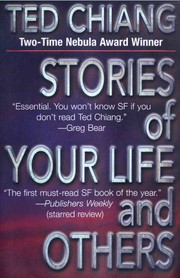
Stories of Your Life and Others
2,402-word summary 11 min read 333 pages in the book
- First published
- 2002
- Publisher
- Tor
- Pages
- 333
- ISBN
- 9780765304186
Reading options
What's inside (5 sections)
I read Stories of Your Life and Others one story at a time with pauses because each needs settling. First published in 2002 by Tor at 333 pages in hardcover, it collects eight stories by Ted Chiang, most Nebula and Hugo winners. Tower of Babylon, Hell Is the Absence of God, Understand, Division by Zero, Story of Your Life, Seventy Two Letters, The Evolution of Human Science, Liking What You See. Language, time, math, faith, beauty. The tale behind Arrival film, Story of Your Life, sits in middle and shines, but neighbors match. I found it brilliant, humane, and demanding in the best way. At 333 pages it reads like a novel of ideas with heart.
Tower of Babylon opens with bricklayers climbing a tower to heaven. Workers live generations on scaffolds, trading up and down. Protagonist Hillalum climbs past clouds to vault. What he finds reframes cosmology. Labor as worship. Chiang loves work detail. How bricks carried, how water lifted, how years pass climbing. That physicality grounds metaphysics. You feel shoulders ache while pondering heaven. It won Nebula for good reason. Awe with sweat. Read slowly to feel height. Do not rush to top. Climbing is point. What we build to reach God changes us more than arrival. That theme returns across book. Knowledge as climb that alters climber. Keep climbing, kindly.
Hell Is the Absence of God follows Neil, widower whose wife died in angelic visitation collateral. Angels appear as disasters. Blessings blind, healings crush. Neil seeks love for God without feeling, while others feel without seeking. His journey to witness and demand healing inverts Job. Chiang, not religious in simple way, treats faith seriously. Can you love God who takes wife as side effect. Neil tries through pilgrimage to shrines where angels appear. Ending devastates and enlightens without preaching for or against. It asks what love means when power harms indifferently. Read with care if grieving. It will ache and accompany. No easy comfort. Just honest struggle. That honesty respects believers and doubters both. Rare and precious. Sit with.
Understand follows Leon after brain damage treatment boosts intelligence past human. He learns languages in days, sees patterns, outthinks doctors, then others like him. Two超? Actually two enhanced minds duel. One seeks transcendence, one control. Prose itself grows complex as Leon smartens, sentences lengthening with clauses that model thought. That formal mimicry delights. You feel smarts rising in syntax. Then beyond language into激素? Actually into pure understanding that cannot be told. Ending leaves human perspective behind, which frustrates some. I loved the attempt. What would superintelligence feel from inside. Chiang tries without cheating. He shows limits of telling by showing telling break. Read twice. First for plot, second for sentences. You will notice new links. That reread reward defines collection. Each story teaches how to read it while telling. Meta without smugness. Learn as characters learn. Good.
Language and time
Story of Your Life anchors middle and justifies fame. Linguist Louise Banks learns alien Heptapod language to talk to visitors. Heptapods write in circles, no direction, seeing time whole. Learning rewires Louise to see future as memory. She knows daughter will die young and chooses to have her anyway. That choice, told out of order in vignettes, breaks hearts quietly. No action set pieces like film Arrival adds. Just language lessons, physics talks, daughter moments. Chiang focuses on determinism and love. If you knew future pain, would you still choose. Louise says yes to daughter, to husband who leaves, to brief joy. That yes is profound without sentimentality. It says meaning is not in duration or control. It is in living what comes fully, even knowing end. New parents will weep. Anyone who lost will nod. Time as circle, not line, comforts and terrifies. No warnings help. Live anyway. That message carried me weeks after. Read slowly. Learn circles. Choose yes.
Division by Zero follows mathematician Renee discovering 1 equals 2, unraveling math and marriage. Proof that breaks consistency. If math inconsistent, what holds. Her husband loves but cannot follow into abyss. She attempts suicide? Actually struggles. Story treats intellectual crisis as real as affair. Ideas wound. That validation matters to thinkers. Heartbreak is not only romantic. Losing proof hurts like losing lover. Chiang respects. Seventy Two Letters follows golem makers in alternate Victorian England where names animate clay. Scientists discover human reproduction is naming, with implications for eugenics and souls. Dense with Kabbalah and biology. Demands attention. Payoff about free will and creation rewards. The Evolution of Human Science is very short, epistolary about future where science ends because unaugmented minds cannot contribute. Humbling and funny. Liking What You See is documentary about calliagnosia, inability to see beauty, debating if society should turn off looks bias. Timely about filters and bias. Each story different, all about how knowledge tools reshape knowers. Language, math, names, beauty. Tools are not neutral. They make us who use. Choose tools carefully. Learn consequences before fluency. That caution threads 333 pages without Luddism. Love learning while fearing cost. Both.
What shines is clarity and compassion. Chiang writes plain sentences that carry huge ideas without showing off. No purple. Just precise. Characters are decent people facing impossible. Miners, linguists, mathematicians, parents. They try kindly and fail interestingly. That kindness distinguishes from cold hard SF. Ideas matter because people matter. At 333 pages it is perfect length. Eight stories, no filler. Each could be novel in implications but ends where should. Reread annually and find new. That longevity explains awards and Arrival film, though film adds action Chiang avoids. Read book after film for quieter deeper. Both good. Book better on time philosophy. Film better on tension. Enjoy both. Do not compare harshly. Adaptations translate, not transcribe. Appreciate each medium's gifts. Language circles on page become visuals on screen. Both move.
What challenges is density. Seventy Two Letters and Understand demand focus. Names, math, golem rules blur if tired. Read rested with notebook. Do not binge all eight in one sitting or ideas blur. One nightly with tea works. Some endings ambiguous. Hell, Understand, Liking leave open. If you need closure, you may fume. Sit with open. Questions are point. What would you do knowing future. Would you turn off beauty. Is God love if absent. Live with asks. That living is reading's work. Do it.
Content is adult ideas with gentle presentation. Suicide attempt, death of child known in advance, angelic disasters killing, mathematical despair. No graphic gore. Language clean. Suitable for teens older ready for philosophy and adults who like literary SF. Pair with Exhalation, Chiang's second collection, for more. At 333 pages it teaches how to think about thinking. Read with pencil. Underline sentences about language shaping thought. They will shape yours after. Keep underlining. Keep wondering. Stories will stay like circles, no beginning or end, always returning when you need. Choose yes to reading even knowing it will end and ache. That yes is Story's gift. Take it.
Math, beauty, and God
Division by Zero follows mathematician Renee discovering 1 equals 2, unraveling consistency. If math breaks, what holds. Her husband loves but cannot follow into abyss. She struggles deeply. Story treats intellectual crisis as real as affair. Ideas wound. That validation matters to thinkers. Heartbreak is not only romantic. Losing proof hurts like losing lover. Chiang respects. Partners of thinkers take note. Do not dismiss proof crises as nerdy. They are existential. Sit with loved one in abyss without fixing with platitudes. Just stay while ground shifts. That staying helps more than arguing proof wrong. Acknowledge loss. Rebuild together on new ground that includes inconsistency. Love can hold even when math cannot. Practice.
Liking What You See imagines calliagnosia, inability to see beauty, debated as mandatory to end bias. Documentary form with students, activists, advertisers. Should society turn off looks bias. Arguments both sides compelling. Beauty bias harms hiring, dating, self worth. Turning off seems fair. Yet beauty also brings joy, art, attraction. Turning off dulls. Who decides. Teens with filters will recognize. We already edit faces. Would you turn off if you could. I paused long. Probably not fully, though bias shames me. Want to see clearly without cruelty. Calli does not make kind, just blind to one bias while others remain. Race, class, voice persist. Fix one filter, others dominate. Better to teach seeing kindly than not seeing. Look and love beyond looks through practice, not surgery. That answer feels right but hard. Practice daily. Compliment character, not face. Hire for skill, not photo. Those habits rewire better than tech. Use story to discuss with teens about filters. Would you turn off. Why. What would you lose. Talk.
Hell Is the Absence of God follows Neil whose wife died in angelic visitation collateral. Angels appear as disasters. Blessings blind, healings crush. Neil seeks love for God without feeling, while others feel without seeking. His pilgrimage to witness and demand healing inverts Job. He wants proof to love. Gets proof that wounds. Ending devastates and enlightens without preaching for or against faith. It asks what love means when power harms indifferently. Can you love God who takes wife as side effect. Neil tries through rites. That struggle honors believers and doubters both. Believers see honest wrestling, not straw. Doubters see costs named, not dismissed. That evenhandedness is rare. Chiang respects faith enough to test seriously. Take test if you hold faith. Ask hard. Stay or leave with reasons, not slogans. That wrestling deepens either way. For grieving readers, Neil accompanies without fixing. Loss as collateral of glory feels obscene and true when disasters called acts of God. Sit with obscenity. Demand better theodicy or none. Keep demanding.
Seventy Two Letters and Tower of Babylon explore language as creation. Golems animated by names, tower to heaven by bricks. Both about work that reaches divine. Kabbalistic names that make clay live raise questions about souls, reproduction, eugenics. If names make life, who may name. Men. Rabbis. Corporations. Story follows scientists discovering human reproduction is naming, with implications for control. Dense with biology and mysticism. Demands attention but rewards with awe about words making flesh. Every parent names child into being. Every coder names functions into action. Naming is creation with responsibility. Choose names carefully. Tower bricklayers climbing generations to vault find heaven is below. Labor as worship changes laborers more than heaven. What we build to reach God changes us. Keep building kindly. Heaven may be mirror. Look.
If you teach, use one story at a time with writing prompts. Learn Heptapod circles by drawing. Prove 1 equals 2 and discuss feelings. Debate calli. Visit tower in mind. Each prompts essays and art. At 333 pages, collection suits semesters. Do not rush all eight in week or ideas blur. One weekly with discussion lets circles form. Students will argue determinism versus free will after Story, beauty ethics after Liking, faith after Hell. Those arguments last beyond grades. Facilitate with care. No right answers, only better questions. Chiang models. Follow. Keep underlining sentences about language shaping thought. They will shape yours after. Choose fluencies that let you love better. Even knowing ends. Choose yes.
Reading slowly in circles
I want to add about reading practices, because these stories punish rushing and reward return. First read Tower of Babylon for awe. Do not worry about cosmology. Feel bricks, sweat, height. Second read after finishing collection and notice labor as worship theme returns in Seventy Two Letters with golems. Workers building to heaven versus scholars naming to life. Both reach divine through work, not prayer alone. Hands make holy. That connection across first and late stories frames collection as cathedral built story by story. Enter, work, look up. Good.
Read Story of Your Life twice, once for daughter ache, once for linguistics. First time follow vignettes of daughter growing while Louise learns Heptapods. Cry at choice to have child knowing loss. Second time track circle language lessons. How verbs lack direction. How writing shows time whole. Notice Louise starts thinking in circles before she names it. Dreams of daughter future bleed into present lessons. That bleed is craft, not confusion. Chiang teaches Heptapod by structure. Story itself is circle. Beginning is end known. End is beginning chosen. Read in circle too. Start at middle, go to start, return. You will feel time whole briefly. That feeling is gift few books give. Sit with dizziness. It passes into calm acceptance like Louise. Choose yes to daughter, to reading, to living despite knowing ends. Practice that yes daily with small losses known. Eat ripe fruit knowing rot. Love knowing goodbye. That practice, learned from circles, helps more than optimism. Accept whole.
Read Understand with pencil for syntax. Sentences lengthen as Leon smartens. Short simple early. Long looping later with clauses that model thought outrunning language. Underline longest sentence you can parse. Marvel, then feel exclusion as meaning exceeds grammar. That feeling is point. Superintelligence cannot be told in human sentences fully. Chiang shows by breaking telling. Some readers quit here, frustrated. Stay with frustration as lesson. Limits of telling are real. Minds exceed words. Accept mystery without demanding translation. Leon leaves human perspective at end. Follow as far as you can, then wave. Not all journeys include readers to end. Some go beyond. Bless and let go. That letting go practices humility. Smartest are not clearest. Clearest are kindest within limits. Be kind within yours. Good.
Read Hell and Liking as debates to have aloud. Hell asks can you love God who harms indifferently. Argue with friends over tea. One defends mystery, one demands accountability. Both honor text by wrestling. Do not settle quickly. Live with tension. Liking asks would you turn off beauty bias. Poll friends. Tally reasons. Notice who fears losing attraction versus who hopes for fairness. Those fears reveal values. Discuss without shaming. Beauty matters and biases harm. Both true. How to hold. Practice complimenting character aloud to rewire. That practice matters more than hypothetical surgery. Do it.
At 333 pages, the book invites slow circling, not sprinting. One story nightly with tea works. Journal after each. What language did you learn. What time did you see. What beauty did you notice. Those notes become your own circles to reread later. You will find you chose yes to reading even knowing it ends and aches. That yes is Story's gift. Take it. Return. Circles hold.
FAQ
When was Stories of Your Life and Others published?
It was first published in 2002 by Tor at 333 pages. It collects eight Nebula winning stories.
What stories?
Tower of Babylon, Story of Your Life, Understand and others explore how knowledge changes humans.
Similar books
Exhalation
Ted Chiang's second collection contains nine stories about time, memory, free will, and artificial minds, told with clarity and moral seriousness.
2,075-word summary · 9 min read
The Diamond Age: Or, A Young Lady's Illustrated Primer
A stolen nanotech primer raises a poor girl in 22nd-century Shanghai, and Neal Stephenson turns her education into an argument about class, freedom, and who…
2,055-word summary · 9 min read
The First Fifteen Lives of Harry August
Harry August dies and is born again into the same life, again and again, until a warning from a child tells him the world is ending faster with each pass.
2,189-word summary · 10 min read
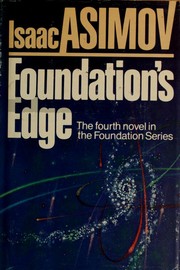
Foundation's Edge
Exiled councilman Golan Trevize hunts for the Second Foundation and the lost world of Earth, and finds a planet with one mind waiting to change the galaxy.
2,335-word summary · 10 min read
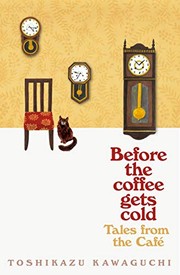
Tales from the Café
Four more visitors to a Tokyo café travel through time under strict rules, each hoping to say the thing they could not say before.
2,242-word summary · 10 min read
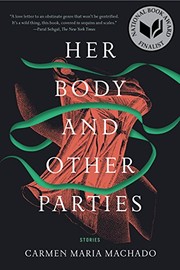
Her Body and Other Parties: Stories
Eight stories where bodies, medicine and old fairy tales get taken apart, with a green ribbon running through the whole book.
2,997-word summary · 13 min read

Stars Above: A Lunar Chronicles Collection
Nine Lunar Chronicles stories fill in the histories of Cinder, Wolf, Thorne, Cress, Winter, and Jacin, and end with a wedding after the war.
2,230-word summary · 10 min read
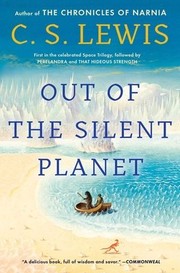
Out of the Silent Planet
A Cambridge philologist is kidnapped and taken to Mars, where the natives are civilized and the humans are the dangerous invaders.
2,612-word summary · 12 min read
Ishmael: An Adventure of the Mind and Spirit
A gorilla named Ishmael teaches a disillusioned man that civilization is a story, and that humans may compete but must not wage war on other species.
2,015-word summary · 9 min read
Hearts in Atlantis
Five linked stories follow Bobby Garfield, Carol Gerber, and their friends from a haunted childhood in 1960 to the long aftermath of Vietnam.
2,402-word summary · 11 min read
The Illustrated Man
A tattooed drifter's moving pictures retell eighteen Bradbury stories of children, rockets, Mars and the last night of the world.
2,791-word summary · 12 min read
Olive, Again
Elizabeth Strout returns to Crosby, Maine, as Olive Kitteridge marries Jack Kennison, confronts her son, and faces old age, grief, and small-town judgment.
2,333-word summary · 10 min read

Paper Girls, Volume 1
Four paper girls in 1988 Ohio chase a stolen walkie-talkie into a basement and stumble into a time war, flying dinosaurs, and an older version of themselves.
2,235-word summary · 10 min read
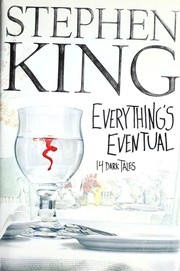
Everything's Eventual: 14 Dark Tales
Fourteen Stephen King stories shuffled by the deal of a card deck, from the haunted room of 1408 to quiet tales of grief that sting as much as the monsters.
2,000-word summary · 9 min read
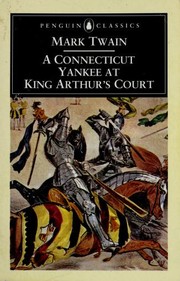
A Connecticut Yankee in King Arthur's Court
Hank Morgan, a Connecticut factory man, wakes in King Arthur's England, rises to chief adviser, and rebuilds the kingdom until his own inventions turn on him.
2,193-word summary · 10 min read
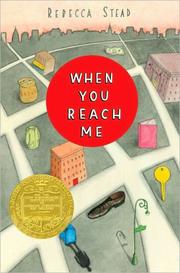
When You Reach Me
A sixth grader in 1970s New York gets strange notes that seem to predict the future.
2,456-word summary · 11 min read
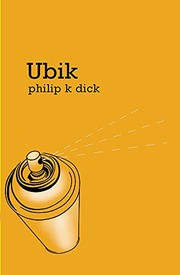
Ubik
A psychic agency crew dies in a blast and reality decays unless a spray called Ubik saves them.
2,674-word summary · 12 min read
Men Without Women
Seven stories about men living after women leave, die, or stay distant.
2,673-word summary · 12 min read
Haunted
Writers lock in for three months and trade worse stories as food runs out.
2,576-word summary · 11 min read
Children of the Mind
Ender's children split across worlds as Jane faces shutdown and Lusitania flees.
2,532-word summary · 11 min read
A Swiftly Tilting Planet
Charles Wallace rides time with a unicorn to stop a dictator before birth.
2,193-word summary · 10 min read
A Canticle for Leibowitz
After nuclear war, monks save books across centuries while the world rebuilds and falls again.
2,381-word summary · 11 min read
The Time Keeper
Mitch Albom's 2012 fable follows Dor, the first measurer of time punished in a cave, as he returns to guide a heartbroken teen and a dying businessman toward…
2,466-word summary · 11 min read
The Fall
A fallen Paris lawyer confesses in an Amsterdam bar, tracing guilt from Paris success to a bridge he failed to face.
2,220-word summary · 10 min read
The Celestine Prophecy
A restless American chases a missing manuscript through Peru and learns Nine Insights about coincidence, energy, and how people vie for attention.
2,599-word summary · 12 min read
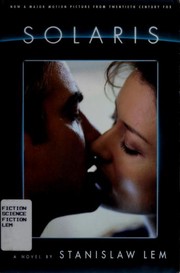
Solaris
Kelvin reaches a silent station above Solaris and finds grief made solid when the ocean returns his dead wife Rheya, testing memory, science, and the limits of…
2,548-word summary · 11 min read

One Day in the Life of Ivan Denisovich
One freezing day with prisoner Shch-854 in a Soviet camp: roll call, bricklaying in the cold, bread rations, and small wins that let Shukhov call the day…
2,668-word summary · 12 min read
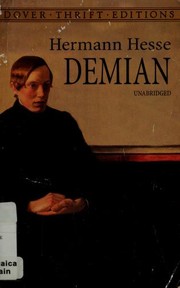
Demian
Hesse's 1919 German classic of Emil Sinclair, from Kromer blackmail to Demian, Abraxas, Beatrice and Frau Eva, ending in war: a short, strange guide to growing…
2,510-word summary · 11 min read

The Island of Doctor Moreau
Shipwrecked Prendick finds Doctor Moreau shaping beasts into men by pain on lost island.
2,137-word summary · 9 min read
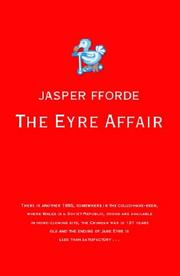
The Eyre Affair
Literary detective Thursday Next chases a villain who kidnaps Jane Eyre from her own novel in an alternate 1985 England.
1,929-word summary · 9 min read