
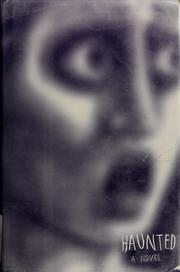
Haunted
2,576-word summary 11 min read 404 pages in the book
- First published
- 2005
- Publisher
- Doubleday
- Pages
- 404
- ISBN
- 9780385509480
Reading options
What's inside (8 sections)
I came to this one late, after Fight Club and Choke and Survivor had already set my expectations for Palahniuk. A friend warned me that Haunted, first published in 2005 by Doubleday, 404 pages in the hardcover edition with ISBN 9780385509480, was the one people either quit or finish in two sickened sittings. I finished it in three days, mostly late at night, and I kept putting it down to walk around the apartment. It is a novel built from stories, twenty three of them by the count on the jacket copy, told by writers who lock themselves away for three months to make art and end up performing hunger for each other.
The setup is simple and nasty. An ad headlined Writers Retreat: Abandon Your Life for Three Months draws a group of aspiring authors to an old theater. A man called Mr. Whittier runs the retreat. He tells them they will be cut off from the outside world so they can write masterpieces, with food and heat provided. The doors lock. The supplies run short. The heat and power fail. Food becomes the center of everything. Each writer tells a story in turn, and between stories we get short poems and interludes that show the group getting thinner, meaner and more calculating. They start sabotaging supplies and hurting themselves because they have decided the suffering will make their story worth selling as a book or film after they get out.
If that sounds like reality television mixed with The Canterbury Tales, that is exactly what Palahniuk intended. He has said the frame borrows from Chaucer and Boccaccio, travelers passing time with tales, and from the Villa Diodati ghost story contest that produced Frankenstein. The modern twist is fame hunger. Every character wants to be the hero of the movie version. They give each other nicknames taken from their stories. Saint Gut-Free. Mother Nature. Miss America. Comrade Snarky. Chef Assassin. Baroness Frostbite. Director Denial. The names stick because the stories wound them into shape.
Abandon your life for three months
The novel opens with the ad and the arrivals. Nineteen writers, depending how you count late additions and early exits, walk into the theater with suitcases, notebooks, medications, snacks they hide. Whittier locks them in and explains the rules. No contact with the outside. Write every day. Meals together. No one leaves early.
At first it feels like a parody of artists colonies. People pose. A screenwriter talks about structure. A romance writer talks about heart. A horror fan talks about shock. A poet talks about truth. They claim they want quiet to do serious work. Within days the masks slip. Someone steals food. Someone fakes illness. Someone proposes they all agree on a shared lie to tell the press later.
Palahniuk paces this section well. Short chapters. Quick cuts. A story, then a poem, then a nasty little interlude where the lights flicker or a pantry shelf turns out to be emptier than promised. The theater itself becomes a character, cavernous and ornate, with a stage, dressing rooms, balconies, a kitchen built for crowds and now feeding a shrinking group. The cold gets in. The toilets back up. The group votes on rules and immediately breaks them.
What makes it work is that Whittier barely needs to do anything. He set the trap and lets vanity spring it. The writers convince themselves that suffering equals value. If they starve, the book deal grows. If someone dies, the movie rights grow. That logic starts as a joke and hardens into policy. By the second month they are destroying their own food to look more abused when rescuers arrive. They throw potatoes into the pond in the basement. They spoil meat. They hide cans and then mourn them loudly for the future camera.
I found this part funnier than I expected and then less funny as it went on, which I think is the plan. Early scenes spoof grant applications and workshop talk. Later scenes show people eating wallpaper paste and fighting over a single can of green beans. The comedy curdles. You laugh, then you check yourself.
How the book is built
Haunted alternates three kinds of writing. There are the short frame chapters that move the retreat plot forward. There are the poems that introduce each teller. And there are the stories themselves, each one a complete nasty tale in a different voice.
The poems are mostly character sketches. They tell you how each writer sees themselves and how the group sees them. Miss Sneezy. Lady Baglady. The Duke of Vandals. The Earl of Slander. Agent Tattletale. The Missing Link. Countess Foresight. Sister Vigilante. Reverend Godless. The poems are short and often cruel. They work as palate cleansers between longer horrors.
The stories vary widely. Some read like Palahniuk short fiction at full strength. Some read like pastiches of genres he wants to mock. A Hollywood satire. A domestic horror. A crime confession. A fairy tale gone wrong. A science fiction riff. A romance that turns predatory. Because each story has a different teller, Palahniuk gets to change diction and rhythm without breaking the book. One story is flat and procedural. The next is lush and panicked. The next is a child's voice retelling adult crime.
You do not need to love every story for the book to hold. I skimmed two and reread four. The frame keeps pulling you forward because you want to know who will crack next back in the theater. The stories keep interrupting that pull with their own hooks. It is a demanding structure, and Palahniuk mostly controls it by keeping chapters short. You can read one story, put the book down, come back, and find your place through the nicknames.
One craft point worth noting. Palahniuk repeats a chorus in several frame chapters to mark time passing. Hunger. Cold. Dark. The repetition annoys some readers. For me it created the locked room feeling. Days blur. The same complaints return. The same votes fail. That sameness is the horror underneath the gross out tales.
Guts and the other infamous tales
No summary can avoid the story called Guts, told by Saint Gut-Free. It was published on its own before the novel and became famous because people reportedly fainted during readings. It concerns a teenage boy, a swimming pool filter, masturbation, a carrot, and a series of terrible decisions that end in permanent injury. It is graphic, clinical in its description of bodies, and written in a looping, breathless style that mimics panic.
I will not retell the details here beyond that shape, because the effect depends on accumulation and because spoiling the mechanics would be unfair to first time readers. What matters for the novel is what Guts establishes. Palahniuk will go anywhere on the page. No body part is off limits. No shame will stop a narrator. And the teller, Saint Gut-Free, carries his injury into the theater scenes, where his past makes him both respected and mocked. His nickname is both a joke and a scar.
Other stories earned their reputations in quieter ways. Cassandra's tale follows a woman who can see small disasters and gets punished for warning people. Mother Nature's story follows a woman who turns homicidal care into a kind of hospitality. Chef Assassin tells a food industry confession that curdles into revenge. The Matchmaker story follows a lonely hearts scheme with teeth. Miss America tells a beauty pageant story that starts as satire and ends in blood. Comrade Snarky's story mocks political posturing while committing its own cruelties.
A few stories deal with children and parents, and those hit harder than the gore for most readers I know. Palahniuk writes neglected kids who learn to perform for adults, and adults who use kids as props for virtue. He is unsparing about mothers who smother, fathers who vanish, and couples who narrate their marriage as a brand. Those tales linger after the shock tales fade, because the cruelty in them is familiar from ordinary life rather than from horror films.
Fair warning for new readers. Several stories include sexual assault, self harm, animal harm, and graphic injury. Palahniuk does not look away and does not offer comfort after. If you need to skip a story, skip it and keep the frame. The book still makes sense. I skipped pages in one story about a reality show murder and felt no loss in the main plot.
Hunger as the real plot
Back in the theater, the frame story turns into a study of sabotage. The group realizes rescuers will pay more for worse suffering, so they compete to suffer visibly. They cut their own hair badly. They pull teeth. They starve the weakest to make the group look thinner. They electrocute, burn and cut themselves in small ways that photograph well. They argue about who gets to be the victim in the future interview.
Mr. Whittier watches most of this with amusement and occasional intervention. He is less a villain than a producer. He set up cameras in a sense without needing cameras, because the writers internalized the audience. They narrate their own starvation as if for a trailer. Director Denial wants a final girl edit. Chef Assassin wants a genius edit. Lady Baglady wants a saint edit. Everyone wants a deal.
Food scenes carry the middle of the book. Early meals are communal and hopeful. Then portions shrink. Then the group finds a garden and fights over it. Then they find stores they had forgotten and accuse each other of hiding them. A dead cat becomes an argument. A bag of dog food becomes a feast. Teeth loosen. Hair falls. Tempers shorten. Palahniuk describes all this with close attention to smells, textures and sounds, which makes it harder to read than the supernatural stories. Bodies failing from lack of food feel more real than ghosts.
The most disturbing turn is how the group treats the weakest members. They do not help them get out. They keep them alive just enough to look pitiable, or they let them die to raise the stakes. One death is staged to look like murder for the future book. Another is allowed through neglect. The writers tell themselves these are artistic choices. Palahniuk makes sure we see them as career moves.
This is where the satire lands. Haunted came out in 2005, as reality television was teaching ordinary people to perform pain for votes. Palahniuk pushes that logic one step further. What if contestants produced the show themselves, with no crew to stop them. The answer is this theater. People will eat garbage if they think America is watching. People will let friends die if they think it improves the third act.
What he is aiming at
On one level Haunted mocks the idea that pain makes art honest. Every writer in the theater believes a ruined body proves a true voice. Palahniuk shows them manufacturing ruin and then writing thin, self serving stories about it. The joke is that their real story, the starvation they chose, would be interesting if they told it honestly, but they cannot because honesty would ruin the pitch. So they lie to the future audience while telling lurid truths in their fiction. The split is the point.
On another level the book mocks how fame flattens people into roles. The nicknames start as jokes and become cells. Saint Gut-Free must be the gross one. Mother Nature must be the nurturing monster. Miss America must be the pretty victim. Once the group assigns a role, the person plays it even when it kills them. That feels true to how internet fame and reality casting worked then and now, even though Palahniuk wrote before social feeds dominated. He caught an early signal and amplified it until it bled.
The literary models help him. Like Chaucer's pilgrims and Boccaccio's tale tellers fleeing plague, his writers tell stories to pass time inside a closed world. Like the Villa Diodati contest, isolation breeds extremity. Palahniuk adds the modern contract. His tellers are not passing time. They are building product. Every tale is a pilot episode. That twist keeps the old structure from feeling academic. You recognize the game from television even if you never read Chaucer.
There is also a personal thread. Many stories return to parents who failed, lovers who used, bosses who humiliated. Palahniuk's fiction often circles shame learned at home and then performed at work. Haunted collects those themes in one room. The writers compete for who was most damaged as a child, as if trauma were currency. The winner gets the cover photo. That competition reads as both parody and confession, which is why the book unsettles even readers who enjoy the gore.
What works and what wears thin
The strengths are obvious when the book is moving. Pacing is relentless. Voices change enough to keep attention. The frame has a clear engine, dwindling food plus growing vanity, that drives toward a grim ending without needing a monster. A few stories are genuinely excellent as standalone fiction, tight, surprising, with images that stay with you for weeks. The theater chapters build dread through logistics rather than jump scares, which I prefer.
The weaknesses are equally clear. At 404 pages the repetition grates. Another story introduced by another poem followed by another petty betrayal over food can feel like a loop. Some stories read as sketches rather than finished work, leaning on a single gross image or twist. The satire of reality television, sharp in 2005, can feel dated in spots where characters explain the reference instead of living it. And the treatment of women, a common criticism of Palahniuk, will bother many readers here. Female characters are often defined by bodies, appetites and sexual history in ways male characters escape, even when the point is supposed to be parody of that very gaze.
I also wish Whittier had more depth. He functions as a host and a punchline more than a person. A stronger antagonist might have forced the writers to face him instead of only each other. As written, he can disappear for long stretches while the group self destructs, which is thematically neat but dramatically thin. The ending, which I will not spoil beyond saying it refuses rescue in any clean form, divided my friends. I found it honest to the logic set up. Others found it cruel for its own sake.
Who should read it. Readers who already like Palahniuk and want him at his most extreme. Horror readers who enjoy anthologies with a frame, like old Amicus films or Creepshow with a meaner streak. Writers who can tolerate being mocked, because this book mocks writers without mercy. Who should skip it. Anyone squeamish about bodily harm, anyone looking for warmth or redemption, anyone who wants satire to stay polite. This is not Fight Club with a bigger canvas. It is closer to a dare.
I closed it thinking about the title. Haunted usually means visited by ghosts. Here the haunting is by future audiences, agents, producers, readers who will pay for pain. The writers lock themselves in for three months and trade worse stories as food runs out, hoping ghosts of their future fame will save them. Palahniuk leaves them in the theater with their notebooks and their wounds. The stories are the ghosts, and they do not let anyone leave clean.
FAQ
When was Haunted published and how long is it?
It was first published in 2005 by Doubleday. The hardcover runs 404 pages with ISBN 9780385509480.
How is Haunted structured?
It alternates frame chapters in a locked theater with poems and twenty three standalone stories, including Guts, told by writers using nicknames like Saint Gut-Free and Mother Nature.
Is Haunted part of a series?
No, it stands alone as a satirical horror novel about fame, reality television and writers manufacturing suffering for a better deal.
Similar books
Lullaby
A reporter discovers that a poem in a children's book kills anyone who hears it, and his attempt to destroy every copy turns into a road trip through grief,…
2,147-word summary · 10 min read
Survivor
Tender Branson, last Creedish survivor, confesses into a flight recorder as his plane dives, from servant to agent-made celebrity messiah in Palahniuk's 1999…
2,683-word summary · 12 min read
Everything's Eventual: 14 Dark Tales
Fourteen Stephen King stories shuffled by the deal of a card deck, from the haunted room of 1408 to quiet tales of grief that sting as much as the monsters.
2,000-word summary · 9 min read
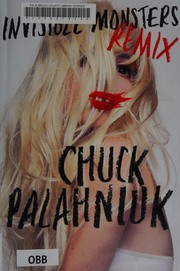
Invisible Monsters Remix
A veiled model, a bold friend, and a scam-filled road trip remake Palahniuk's 1999 satire of beauty in shuffled Remix order.
2,665-word summary · 12 min read
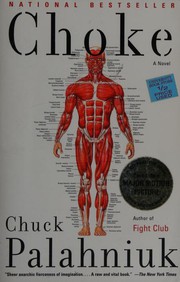
Choke
A medical dropout fakes choking in restaurants to pay for his mother's care while stuck in a colonial park and sex addiction meetings.
2,044-word summary · 9 min read
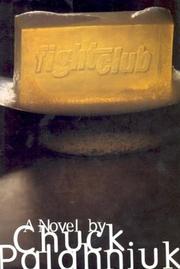
Fight Club
An insomniac office worker and Tyler Durden build underground clubs that grow into Project Mayhem.
2,036-word summary · 9 min read
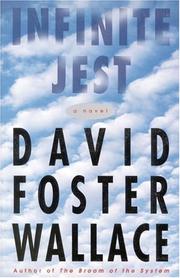
Infinite Jest
A film that kills its viewers, a tennis academy, a halfway house for addicts, and a future America where corporations name the years, all tangled together.
2,084-word summary · 9 min read
The Lottery
In Jackson's 1948 story, a village draws lots to keep the corn heavy, and the chosen person is stoned by her neighbors.
3,080-word summary · 14 min read
Her Body and Other Parties: Stories
Eight stories where bodies, medicine and old fairy tales get taken apart, with a green ribbon running through the whole book.
2,997-word summary · 13 min read
The Sisters Brothers
Two hired killers ride from Oregon to Gold Rush California to murder a prospector, and find their trade, their brotherhood, and the frontier myth coming apart.
2,095-word summary · 9 min read
Hearts in Atlantis
Five linked stories follow Bobby Garfield, Carol Gerber, and their friends from a haunted childhood in 1960 to the long aftermath of Vietnam.
2,402-word summary · 11 min read
The Wasp Factory
Iain Banks's 1984 debut follows Frank Cauldhame, an isolated sixteen-year-old on a Scottish island, as his brother's escape and a family secret unravel his…
2,248-word summary · 10 min read
Olive, Again
Elizabeth Strout returns to Crosby, Maine, as Olive Kitteridge marries Jack Kennison, confronts her son, and faces old age, grief, and small-town judgment.
2,333-word summary · 10 min read
The Zombie Survival Guide: Complete Protection from the Living Dead
Max Brooks's deadpan survival manual explains the Solanum virus, the only ways to destroy the living dead, fortifying a home, and the outbreaks history quietly…
2,650-word summary · 12 min read
Stories of Your Life and Others
Eight stories about language, time and choice, including the tale behind Arrival.
2,402-word summary · 11 min read
Men Without Women
Seven stories about men living after women leave, die, or stay distant.
2,673-word summary · 12 min read

If It Bleeds
Holly Gibney faces an outsider plus three more tales of dread.
2,219-word summary · 10 min read
Full Dark, No Stars
Four novellas about revenge where ordinary people do terrible things and live with it.
2,646-word summary · 12 min read
Four Past Midnight
Four novellas about a plane lost in time, a writer haunted, and horrors small and large.
2,584-word summary · 11 min read
An Object of Beauty
Lacey climbs the art world from Sotheby to fraud and fall.
2,629-word summary · 12 min read
The Call of Cthulhu and Other Weird Stories
Seventeen tales from Dagon to Innsmouth, led by Cthulhu, the Colour, and the Whisperer, in S. T. Joshi careful Penguin edition with notes and corrected texts.
2,593-word summary · 12 min read
The Call of Cthulhu
A professor's papers link a sculptor's dreams, a Louisiana cult raid, and a sailor's voyage to a sleeping god under the sea.
2,530-word summary · 11 min read
White Noise
Jack Gladney teaches Hitler studies, flees a chemical cloud with his family, and chases a drug for dread in DeLillo's funny and bleak 1985 novel of…
2,768-word summary · 12 min read
Skeleton Crew
King's 1985 collection pairs The Mist with The Jaunt, The Raft, and Survivor Type: 22 stories of Maine dread.
3,209-word summary · 14 min read
The Sirens of Titan
A ruined playboy is herded from Mars to Titan while a stranded robot waits for a spare part.
2,663-word summary · 12 min read
The Legend of Sleepy Hollow
A lanky schoolmaster courts a farmer's daughter in a haunted Dutch valley until a midnight ride by the Headless Horseman ends at the bridge.
2,968-word summary · 13 min read
Pride and Prejudice and Zombies
Austen's courtship plot survives intact while Elizabeth and Darcy battle zombies, from the Netherfield ball to a duel with Lady Catherine.
2,526-word summary · 11 min read
House of Leaves
Danielewski's 2000 debut about a house larger inside than outside, told through film analysis, footnotes, and a troubled annotator. Strange, demanding, and…
2,693-word summary · 12 min read
The Corrections
An aging Midwestern couple tries to gather three troubled adult children for one last Christmas at home.
2,094-word summary · 9 min read
Night Shift
King's first story collection moves from haunted mills to killer cornfields, twenty early tales where ordinary places turn evil.
2,488-word summary · 11 min read