
Reading options
What's inside (8 sections)
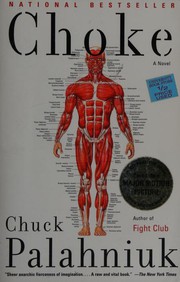
I picked up Choke because Fight Club had rattled me years ago and I wanted to see what Palahniuk did when he swapped office insomnia for sex addiction and colonial theme parks. Doubleday published it in 2001, 293 pages in the first hardcover, ISBN 9780385501569. It follows Victor Mancini, a medical school dropout who works as a colonial reenactor, attends sex addiction meetings he does not take seriously, and pays for his mother's nursing home by faking choking fits in restaurants. That premise sounds like a joke. The book plays it straight enough that the scam starts to feel like work.
Victor's scam is simple and awful. He goes to a nice restaurant, eats, then acts as if food stuck in his throat. Someone jumps up, does the Heimlich, saves him. Victor keeps names and addresses. Later he writes sad letters about rent or medical bills he cannot cover. Many rescuers send checks. They feel tied to him because they saved him once. Do that a couple hundred times and you get steady money. Victor tells himself the money is for his mother Ida, who is fading in a care facility with what looks like Alzheimer's. Part of him likes the rescue too. For a minute someone has to touch him and care if he breathes.
What surprised me was how sad the book got between gross jokes. Victor cruises sex addiction recovery workshops for partners. He meets his best friend Denny there. They later get hired together at Colonial Dunsboro, a reenactment museum stuck in 1734. Victor guards the stocks. Denny keeps getting caught with things that do not belong in that year. They are both trying to stay clean and failing in different ways. Work scenes are funny until you notice neither man has anywhere else to go.
A dropout with a side hustle
Victor left medical school and never found a replacement plan. He knows enough anatomy to sound smart and to scare himself. He knows how bodies fail. He uses that knowledge to fake choking well. He also uses it to narrate his life in short bursts about glands and reflexes and childhood illnesses his mother taught him to fear.
The choking routine gives the book its engine. Victor picks restaurants with good lighting and kind looking people. He times the fit for maximum panic. Then he plays grateful. He apologizes. He leaves a big tip he cannot afford. At home he logs the rescue in a notebook. Follow up letters do the rest. Some people send twenty bucks. Some send more. A few write back with kind notes. Victor feels guilty and keeps going because the nursing home bills keep coming.
Palahniuk makes the scam feel like customer service. Victor studies marks the way a waiter studies tables. Who will act. Who will freeze. Who will cry after. He learns that saving a stranger gives people a story about themselves. He sells them that story again each month by mail. It is cruel. It also pays for clean sheets and nurses for Ida. Victor clings to that excuse. I found myself annoyed at him and rooting for the checks to keep coming, which is an uncomfortable mix the book wants.
Stuck in 1734 with Denny
Colonial Dunsboro is the best setting in the book. Visitors come for churned butter and candle dipping. Staff come because they cannot hold normal jobs. Most are high or hungover. They wear wool in summer. They say thee and thou while thinking about cigarettes. School groups mock them. Managers fine them for modern items. Victor spends his shifts standing near Denny, who is often locked in the stocks as punishment for carrying contraband.
Denny is the one warm person here. He met Victor in a support group for sex addiction. He tries harder at recovery. He asks Victor how he is doing and means it. He gets fired from the park for breaking the period rules too often. After that he starts picking up stones around the city. He wants to build a dream home from found rocks, one load at a time. Other people see a pile of rubble. Denny sees walls. Victor mocks the project, then helps carry a few stones, then mocks it again because caring openly scares him.
Those work chapters show Palahniuk at his sharpest about fake history. The park sells a clean past that never existed. The staff live a messy present they cannot sell. Victor is supposed to play an indentured servant. He is good at it because he feels owned by bills and habits. Kids ask dumb questions. Tourists want photos. Denny smiles through it until he cannot. When Denny leaves, the park gets colder. Victor has to face that his only friend is building something real while he builds rescue letters.
Ida and the childhood that never settled
Ida Mancini dominates the book even when she barely speaks. In the present she is thin and confused in a hospital ward. She sometimes knows Victor. Often she does not. Victor visits out of duty and guilt. He still wants answers about his father and about why his childhood felt like running.
Flashbacks fill that gap. Ida was found unfit more than once, so Victor grew up moving through foster homes. Ida would then take him back without permission and run. Police would catch them. Back he went to the agency. Each move meant a new school and new rules. Ida taught him conspiracy theories and strange medical facts during those runs. Some were funny. Many frightened a kid who did not know what to believe. She loved him in a wild way and failed him in practical ways. Both things stayed true.
Now her memory is going. Victor talks to nurses to learn what care costs and what might help. He reads her old diary with help because parts are in Italian he cannot follow. The diary hints at a strange story about his conception involving a holy relic she believed held power. Victor does not know how much is illness talking and how much she once believed. He keeps feeding her, combing her hair, sitting beside a woman who stole him and saved him by turns. Those visits are the most human pages here. Palahniuk drops the jokes and lets a son sit with a mother who cannot explain herself anymore.
The doctor who is not a doctor
A hospital worker calling herself Dr. Marshall changes Victor's routine. She says Ida is getting worse. She offers attention when Victor is starved for it. She shows interest in Ida's diary. She talks about experimental treatments involving stem cells and what a child with Victor's genes might make possible. Victor, who chases any woman in meetings, finds he cannot perform with her at first. That failure shakes him more than his usual encounters. He starts to care what she thinks.
Paige Marshall is the name she uses. The twist is that she is not Ida's doctor at all. She is a patient in the same facility, a former medical student dropout whom staff let wear a white coat because it calms her. She learned Victor's story through Ida's talk and built herself into it. A wristband gives her away during a crisis. Small details stop adding up. Fellow patients like Stu drift through the ward and treat her as one of their own, which Victor had missed because he wanted to believe a competent adult had arrived to fix things.
I will not spoil every beat of how Victor reacts, but the reveal reframes earlier scenes in a useful way. Paige understood Victor because she shares his habits of fantasy and pursuit. She chased a pregnancy idea the way he chases rescue checks, as a plan that might force meaning. Their scenes together are frank about sex and longing without getting explicit for shock alone. She wants a child to save Ida. He wants to be wanted without paying afterward. Both want a fresh start that biology cannot give. When the truth lands, Victor has to decide if he can care for someone who lied the way he lies every night in restaurants.
Sex, shame and the meetings
The meetings anchor Victor's week. He sits in a circle with other addicts and listens to fourth steps and relapse stories. Then he often slips into a bathroom with someone for quick sex. He counts partners the way he counts rescues. Denny tries to use the steps. Victor uses the room as a bar. Palahniuk writes these scenes in plain terms. Bodies meet. Shame follows after, then the urge returns. No lingering detail, just the cycle.
That cycle explains Victor better than any speech could. As a boy he learned closeness meant sudden moves and broken promises. As a man he confuses attention with care. If a stranger wants him for ten minutes, he does not have to explain foster homes or dropped out med school. If he fakes choking, he does not have to ask for help directly. Both habits let him get needs met without saying what he needs. Palahniuk hammers this point. At times he hammers too hard, with meeting after meeting and hookup after hookup that blur together. The blur is the point, but pages still drag in the middle when Victor relapses the same way twice.
There is humor here, dark and physical. Victor narrates arousal and failure with medical words that make it sound like a chart note. That distance can be funny. It can also feel cold. Readers who want warmth should look to Denny's rock pile and Ida's quieter moments. Those scenes carry the feeling Victor cannot name. The meetings show what happens when feeling gets routed into appetite. It is bleak, and Palahniuk knows it. He lets Victor admit, in rare clear passages, that he is tired of performing want.
What works and what wears thin
The voice carries the book. Short chapters with flat jokes land, then a sudden gut punch breaks the rhythm. Victor sounds like a tired med student explaining his own case badly on purpose. Colonial park chapters crackle while Ida chapters ache. The choking letters are perfect little cons, polite and shameless at once. When Palahniuk sticks to work and family, the satire bites because targets are clear. Fake history and priced care give him clear material, plus men who use recovery language to hunt.
The shock tactics wear thin in places. Bodily jokes repeat. Some meeting scenes feel copied with names changed. The diary plot, with its relic and virgin birth talk, strains belief even for Palahniuk. He wants it to raise the stakes about whether Victor might be good inside if his origin were holy. To me it read as Ida's illness talking, which is moving, plus Victor's wish talking, which is sad. As doctrine it wobbles. As psychology it holds. Paige as patient rather than doctor helps ground it, but the middle still sags under too many reveals about parentage that cannot be proved.
Fair criticism also includes who gets reduced. Women in Victor's orbit often exist to grant or refuse sex. Paige gets more interior life than most, and Ida gets real weight in flashbacks, yet many meeting partners blur into types. That may be Victor's view rather than the author's, but pages still tilt male. Readers sensitive to graphic talk about sex and bodies should know the book stays frank throughout, though it rarely turns explicit for long. It is more about compulsion than titillation. Still, the tone can feel smug when Victor brags and then apologizes on repeat.
Who should read it. Fans of black comedy about addiction who can sit with an unlikable narrator. Readers curious about Palahniuk beyond Fight Club. People who work in care or reenactment may laugh in recognition, then wince. Skip it if you need steady growth or clean redemption. Victor backslides while Denny builds slowly, and Ida keeps fading. Paige leaves and returns on her own terms. I closed the book thinking about Denny's stones. One rock will not house anyone. A thousand might. Victor is still waiting for one rescue that pays for everything. Denny knows better. Carry what you find and stack it to see what holds.
FAQ
When was Choke published?
Doubleday published it in 2001. The first hardcover runs 293 pages and the ISBN is 9780385501569.
Who are the main characters?
Victor Mancini, his mother Ida, his friend Denny, and Paige Marshall, who first calls herself Dr. Marshall.
Is Choke part of a series?
No, it stands alone as a satirical novel about addiction, cons and family.
Similar books
Haunted
Writers lock in for three months and trade worse stories as food runs out.
2,576-word summary · 11 min read
Survivor
Tender Branson, last Creedish survivor, confesses into a flight recorder as his plane dives, from servant to agent-made celebrity messiah in Palahniuk's 1999…
2,683-word summary · 12 min read
Fight Club
An insomniac office worker and Tyler Durden build underground clubs that grow into Project Mayhem.
2,036-word summary · 9 min read
Infinite Jest
A film that kills its viewers, a tennis academy, a halfway house for addicts, and a future America where corporations name the years, all tangled together.
2,084-word summary · 9 min read
An Object of Beauty
Lacey climbs the art world from Sotheby to fraud and fall.
2,629-word summary · 12 min read
The Queen's Gambit
Orphan Beth Harmon rises in chess while pills and drink threaten to take her.
2,027-word summary · 9 min read
Post Office
Chinaski drifts through postal shifts, cheap rooms, horse tracks and rough love in Bukowski's 1971 debut about work, drink and survival.
2,444-word summary · 11 min read
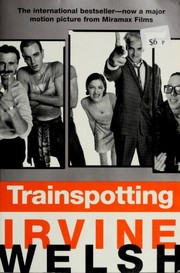
Trainspotting
Renton and his Leith mates cycle through heroin, detox, scams and football in Welsh's Scots voiced Edinburgh portrait.
3,476-word summary · 15 min read
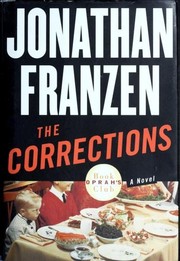
The Corrections
An aging Midwestern couple tries to gather three troubled adult children for one last Christmas at home.
2,094-word summary · 9 min read
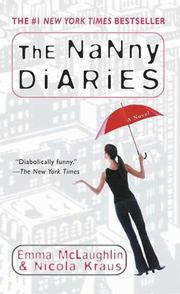
The Nanny Diaries
NYU student Nan nannies four-year-old Grayer X on Park Avenue, caught between a demanding Mrs. X, an absent Mr. X, and a lonely child who needs her more than…
2,233-word summary · 10 min read
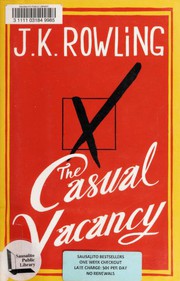
The Casual Vacancy
Barry Fairbrother dies and leaves a Pagford council seat open, sparking an election, a class war over the Fields, and trouble for local teenagers.
2,571-word summary · 11 min read
Animal Farm
George Orwell's Animal Farm explained: Old Major's vision, the seven commandments, Napoleon's dogs, Boxer, and how all animals end up equal but some more equal.
1,985-word summary · 9 min read
Lullaby
A reporter discovers that a poem in a children's book kills anyone who hears it, and his attempt to destroy every copy turns into a road trip through grief,…
2,147-word summary · 10 min read
Invisible Monsters Remix
A veiled model, a bold friend, and a scam-filled road trip remake Palahniuk's 1999 satire of beauty in shuffled Remix order.
2,665-word summary · 12 min read
The Crying of Lot 49
A California woman named executor of her ex-lover's estate follows a muted post horn into a possible centuries-old postal conspiracy, and Pynchon refuses to…
2,003-word summary · 9 min read

Take My Hand
In 1973 Montgomery, a young nurse discovers that two sisters were sterilized without consent, and spends the rest of her life living with what she could not…
2,126-word summary · 9 min read
Go the Fuck to Sleep
A rhyming bedtime book for adults in which an exhausted father narrates the fourth hour of a toddler's stalling, one profane couplet at a time.
2,291-word summary · 10 min read

Little Earthquakes
Four Philadelphia women meet during pregnancy and discover that new motherhood is nothing like the plan, while friendship becomes the thing that holds them…
1,997-word summary · 9 min read
The Diamond Age: Or, A Young Lady's Illustrated Primer
A stolen nanotech primer raises a poor girl in 22nd-century Shanghai, and Neal Stephenson turns her education into an argument about class, freedom, and who…
2,055-word summary · 9 min read
Witches Abroad
Three Lancre witches fly to Genua to stop a fairy godmother from forcing a servant girl into a storybook marriage, and find a city arranged around a happy…
2,651-word summary · 12 min read
James
Percival Everett retells Huckleberry Finn from Jim's side, giving him a library, a hidden school, and a voice the novel lets loose.
2,211-word summary · 10 min read

Summer Island
A radio advice host hides a scandal, and the estranged daughter hired to write about it agrees to care for her at the family's island house.
2,325-word summary · 10 min read

Scar Tissue
Kiedis's memoir follows the Red Hot Chili Peppers from Hollywood house parties to fame, heroin, and the long work of staying clean.
2,217-word summary · 10 min read
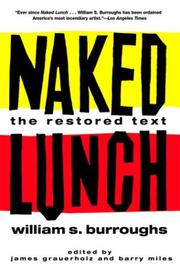
Naked Lunch
Burroughs's banned 1959 collage novel follows Bill Lee through addiction, Tangier, and the nightmare bureaucracy of the Interzone.
2,082-word summary · 9 min read
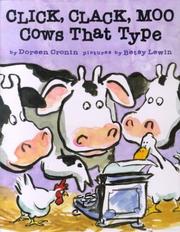
Click, Clack, Moo: Cows That Type
Cows learn to type, demand electric blankets, and go on strike in a deadpan picture book about negotiation and withheld labor.
2,617-word summary · 12 min read
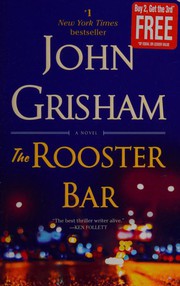
The Rooster Bar
Three law students buried in debt discover their for-profit law school is a scam, and decide the only way out is to con their way into practicing law before…
2,837-word summary · 13 min read
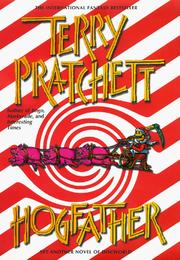
Hogfather
Death fills in for a missing Father Christmas, Susan Sto Helit hunts the Hogfather, and the twentieth Discworld novel turns Santa into a management problem.
2,871-word summary · 13 min read
Dry
A memoir of drinking, rehab and relapse, and the strange business of getting sober one morning at a time.
2,643-word summary · 12 min read
America (The Book): A Citizen's Guide to Democracy Inaction
Jon Stewart and the Daily Show writers turn a high school civics textbook inside out, with a foreword from beyond the grave.
2,511-word summary · 11 min read
The Sisters Brothers
Two hired killers ride from Oregon to Gold Rush California to murder a prospector, and find their trade, their brotherhood, and the frontier myth coming apart.
2,095-word summary · 9 min read