
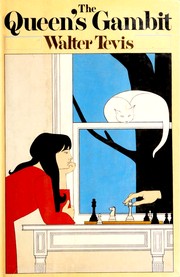
Reading options
What's inside (7 sections)
I watched the Netflix series first, then read The Queen's Gambit to see what the show kept, and found the book quieter and harder. Walter Tevis published it in 1983 with Random House, a 243 page first edition with ISBN 9780394528014. It is a standalone novel about Beth Harmon, orphan chess prodigy. It covers adoption, feminism, chess, addiction. The show is faithful. The book interiority hits different. If you think you know Beth from Anya Taylor Joy stare, read her thoughts. They are sharper and sadder.
Beth is eight when her mother dies in a crash. She goes to Methuen Home for girls, where order rules. Quiet. Clean. Pills given to calm children. Beth takes hers and saves extras. She feels foggy and safe. In the basement, janitor Mr Shaibel plays chess alone. Beth watches. He teaches pawn moves to make her leave. She memorizes. She beats him. She beats teachers. She plays blindfold in bed, seeing boards on ceiling. Chess gives her control pills promise without fog. For the first time, she feels fully herself.
Methuen gives her two educations. Chess from Shaibel. Addiction from the dispensary. Green pills calm and sharpen until they rule. Beth learns to hoard. She learns to lie about taking. When the state bans pills after suicides, she withdraws hard. That early dependence shapes all later wins. Every tournament victory comes with a drink or pill nearby. Tevis, who knew addiction, writes need without glamour. Hands shake. Vision blurs. She plays anyway and wins, which teaches the wrong lesson. Win while using, so using must help.
Adoption and appetite
Adopted as a teen by the Wheatleys, Beth gets a home that is not home. Mrs Wheatley wants company and money from chess. Mr Wheatley leaves. Beth and her mother orbit, polite and lonely. Mrs Wheatley drinks. Beth drinks with her, then more. They travel to tournaments together, sharing hotel rooms and hangovers. Love exists but warped by need. When Mrs Wheatley dies, Beth grieves complicatedly. She lost the only adult who showed up, even if showing up meant pouring.
Chess rise is thrilling even if you do not play. Tevis explains just enough. Openings, Sicilian, Queen Gambit, endgames, clocks. He focuses on feeling. Time pressure as panic. Opponent stare as war. Winning as hunger briefly fed. Beth beats high school boys, then college men, then masters. Each win brings money, articles, invitations. Men underestimate her, then resent, then respect. One rival, Harry Beltik, becomes lover and coach. Another, Benny Watts, becomes rival and friend with sharp hats and sharper lines. Their games, analyzed move by move, reward careful reading. Non players can skim moves and still feel tension. Players will adore accuracy. Tevis played well and researched deeper.
Addiction shadows every win. Beth drinks before matches to calm. She takes pills to focus. She wakes with shakes and plays hungover. Friends notice. Harry confronts. Benny mocks. She promises to stop and means it until pressure returns. The 1960s chess circuit, with its smoke, drink, all night analysis, enables. No one stops a winner. The book does not preach. It shows costs. Missed mornings. Lost friendships. A game thrown because hands trembled. Beth knows. Knowing does not stop. That honesty about addiction, understanding without control, feels true.
Feminism runs quiet and strong. Beth enters rooms of men. Organizers assume she is girlfriend. Opponents offer draws they would not offer men, thinking kindness. She refuses. She demands pay equal to wins. She wears what she wants, short dresses, no apology. She sleeps with who she chooses and leaves when bored. The book does not speechify. It shows a girl genius navigating sexism by being undeniably better and paying for it in loneliness. When she finally studies with friends instead of alone, victory feels feminist not because she beats men, but because she stops proving alone.
Moscow and mothers
The Moscow finale is justly famous. Beth, invited to USSR championship, flies scared and hungover. Soviets play as team, sharing analysis, while Americans isolate. Beth, broke and tired, must face Borgov, the champion who beat her before. She prepares by drinking. It fails. She calls friends from home. Harry, Benny, others stay up all night on phone, analyzing adjourned position. That call, costing fortunes in 1960s rates, saves her. She sleeps. She plays clean. She wins by accepting help. The show kept this beat because it is the book heart. Genius needs others.
Mothers haunt the book. Beth biological mother, brilliant and unstable, left notes about math and paranoia. Mrs Wheatley, adoptive, loved TV and pills. The orphanage housemother loved order. None could teach Beth how to be a woman who wins. Beth mothers herself badly, with pills and drink. By Moscow she learns to let friends mother a little, bringing soup, covering phones, saying sleep. That shift from orphan to teammate is the true gambit. Sacrifice queen to win game. Sacrifice lone myth to win life.
Tevis prose is plain and fast. Short sentences. Clear images. Hotel carpets, chess clocks, pills in envelopes. No lyric overload. That plainness suits Beth mind, logical, hungry, tired. When beauty appears, a board position that sings, a Moscow snow, it lands harder for restraint. The book reads in two sittings because chapters end mid tournament. You tell yourself one more game and read fifty pages. The show added glamour. The book has grit. Both work. Read then rewatch. You will see Joy choices differently.
Fair criticism is light. At 243 pages, side characters blur. Harry and Benny get types, kind coach, flash rival. Mrs Wheatley addiction mirrors Beth without enough depth. Black characters barely exist, though 1960s circuit was white in reality too. The book could question that more. Chess detail, loving to players, may bore others. Skim moves if needed. Story holds. Addiction recovery feels fast at end. One clean tournament does not cure. Tevis knows. He ends with Beth walking Moscow streets alone but steady, not cured. Hope, not cure.
Who should read it
Older teens and adults fit best. There is pills, alcohol, sex talk, no explicit scenes, strong need. Ages sixteen and up can handle with context. Chess players will love accuracy. Feminist readers will love Beth refusal. Addiction readers should know recovery is simplified. Pair with Tevis Hustler for same themes in pool, or with Fischer biography for real cost. Play through one Beth game slowly. Feel time.
I closed it wanting to call my mother and to clean a board. Beth, who learned chess in a basement to escape, ends using chess to connect. She accepts help, shares wins, walks snowy streets with strangers who love the game. The queen gambit sacrifices a pawn for center control. Beth sacrifices lone genius myth for shared strength. That trade wins. Tevis, who died a year after publishing, knew. Play well. Ask for help. Stay for endgame. Beth learns that genius without sleep, food, and friends hollows fast. Moscow win matters because she shares preparation and credit. The board still sings, but now others listen too. That shared music lasts longer than trophies. Keep playing, keep asking, keep walking snowy streets with people who love the game.
Shaibel, Wheatley, and learning care
Shaibel the janitor deserves more than a footnote because he gives Beth first respect. He teaches pawn moves to make her leave, then keeps teaching because she returns. He does not pity the orphan. He charges her with cleaning boards, learning notation, studying books. When she beats him, he shows pride by saying nothing and setting harder puzzles. His basement, with coal smell and single bulb, becomes her first safe room. When she sends him money later, he buys books for other kids. That quiet chain, janitor to orphan to others, is the book kindness that never speeches. Remember who taught you in a basement. Thank them with interest.
Mrs Wheatley care is messier. She adopts Beth partly for company, partly for checks. She drinks, sleeps late, loves TV, drives Beth to tournaments for adventure more than Beth future. Yet she shows up. She sews dresses. She packs pills though she should not. She tells Beth she is proud in a hallway before a big match, awkward and true. Beth dismisses her as stage mother, then misses her fiercely after death. Grief arrives as anger at being left again. Tevis writes that anger without villainizing a flawed woman who tried in her way. When Beth later refuses a drink offered by a kind host, she hears Mrs Wheatley voice saying enough. Care persists even when flawed. That is how mothering works after loss.
Harry and Benny as chess brothers give Beth different lessons. Harry, sweet and steady, loves her and coaches without needing to win. He offers to quit his own path to support hers. She refuses because she respects him too much to use. They part kindly, rare in books about rivals. Benny, flashy and sharp, needs to beat her to love her. He trains her hard, mocks her softness, then stays up all night on phone for Moscow because respect grew into friendship. Both men learn to help a woman without owning her win. Beth learns to accept help without owing body or future. Those negotiations, handled in a few lines of dialogue, feel feminist without slogans. Work together. Keep names separate. Share credit. That is enough.
Moscow strangers close the circle. Soviet players who share analysis, old women who feed Beth soup, a taxi driver who refuses fare because she plays beautifully. Beth, who trusted no one, lets herself be held by a chess community that transcends Cold War. She walks streets alone at end, but not lonely. She knows boards wait with friends. That walk, in snow with coat borrowed, is the true trophy. Not Borgov scalp. Belonging without pills. Tevis ends there, not with parade. Just a girl who can sleep without aid and play for joy. Enough to live and keep playing tomorrow with clear eyes.
Pills, drink, and playing clean
Addiction detail needs honest space because Tevis lived it and writes without moralizing. Green pills at Methuen calm girls into compliance. Beth learns to hoard extras under tongue. She trades for more. Withdrawal hits as shakes, nausea, panic. Later, tranquilizers prescribed for nerves become tools for focus. She takes before matches to steady. Drink joins, first wine with Mrs Wheatley, then vodka alone in hotel rooms. Each win while using teaches wrong lesson. Use helps. It does not. It borrows calm from tomorrow with interest. Beth knows by Moscow and still drinks on plane over. Habit outlives insight. That gap is the disease, not weakness.
Playing clean in Moscow does not cure. It proves possible. Beth prepares with friends on phone, sleeps, eats soup, walks. She loses a game and does not binge. She wins and does not celebrate with bottle. Small choices accumulate into steadiness she never had. Tevis does not end with vow of sobriety. He ends with Beth choosing tea over vodka one night because game matters more. That one night choice, modest and repeatable, is recovery as practice, not epiphany. Readers wanting rock bottom turnaround may find it quiet. Those who lived addiction recognize truth. Change comes in nights, not mornings after.
Chess as addiction mirror helps too. Both offer control, escape, obsession. Beth studies openings to avoid thinking about mothers. She replays losses to avoid feeling. Tevis shows chess can be drug as well as art. When Beth plays for joy with friends in final park scenes, not for rank, board becomes play again. That shift from compulsion to love parallels pill shift from need to choice. Neither complete. Both started. Enough to walk Moscow snow clear eyed. Keep friends on phone for next tournament. Ask for help before pills. That plan, practical not grand, is the book hope. Play well. Stay for endgame. Repeat tomorrow.
Boards wait patiently. Set one up and play through a Beth game slowly. Feel time stretch around moves. Notice when urge to rush comes. Breathe. Choose. That practice helps beyond chess, in exams, talks, hard days. Play for joy first. Winning follows calm more often than pills ever gave.
FAQ
When was The Queen s Gambit published?
Random House published it in 1983. The first edition runs 243 pages with ISBN 9780394528014.
Is it part of a series?
No. It is a standalone novel, later adapted by Netflix.
Who should read it?
Older teens and adults fit best. There is addiction, pills, and alcohol.
Similar books

The Diamond Age: Or, A Young Lady's Illustrated Primer
A stolen nanotech primer raises a poor girl in 22nd-century Shanghai, and Neal Stephenson turns her education into an argument about class, freedom, and who…
2,055-word summary · 9 min read
Hearts in Atlantis
Five linked stories follow Bobby Garfield, Carol Gerber, and their friends from a haunted childhood in 1960 to the long aftermath of Vietnam.
2,402-word summary · 11 min read
Ham on Rye
Henry Chinaski grows up rough in Depression Los Angeles and finds writing.
2,244-word summary · 10 min read
Demian
Hesse's 1919 German classic of Emil Sinclair, from Kromer blackmail to Demian, Abraxas, Beatrice and Frau Eva, ending in war: a short, strange guide to growing…
2,510-word summary · 11 min read

About a Boy
An idle London bachelor invents a toddler son to meet women, then builds a real friendship with a lonely twelve year old.
2,750-word summary · 12 min read
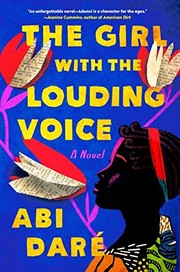
The Girl with the Louding Voice
Sold as a wife at fourteen, Adunni flees to Lagos servitude and fights for school.
2,010-word summary · 9 min read

Trainspotting
Renton and his Leith mates cycle through heroin, detox, scams and football in Welsh's Scots voiced Edinburgh portrait.
3,476-word summary · 15 min read
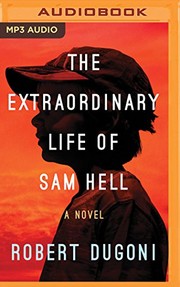
The Extraordinary Life of Sam Hell
Sam Hill, born with red eyes and mocked as Sam Hell, leans on his mother, his friend Ernie, and his faith to face bullying and forgive. A warm coming of age…
3,060-word summary · 14 min read

Different Seasons
Four novellas: prison hope, a boy and an old Nazi, kids chasing a body, and a club that grants wishes with teeth.
1,974-word summary · 9 min read
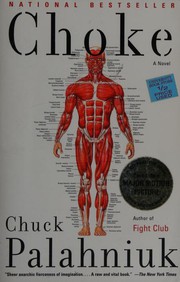
Choke
A medical dropout fakes choking in restaurants to pay for his mother's care while stuck in a colonial park and sex addiction meetings.
2,044-word summary · 9 min read
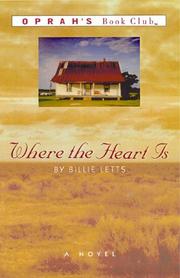
Where the Heart Is
Pregnant teen Novalee Nation is abandoned at a Sequoyah, Oklahoma Wal-Mart, where she gives birth to Americus and rebuilds life with town help.
2,352-word summary · 10 min read
Girl, Woman, Other
Twelve Black British women and girls link across years and cities, anchored by playwright Amma on her National Theatre premiere night.
2,202-word summary · 10 min read
The Bell Jar
Esther Greenwood wins a New York internship that should feel bright, then sinks into depression at home. Plath's 1963 novel follows her breakdown, treatment,…
2,504-word summary · 11 min read
The Catcher in the Rye
J. D. Salinger's The Catcher in the Rye explained: Holden's weekend in New York, the phony adults, Phoebe's carousel, and why readers keep coming back to him.
2,477-word summary · 11 min read
Harry Potter and the Order of the Phoenix
Harry Potter and the Order of the Phoenix explained: the D.A., Umbridge's regime, the Department of Mysteries, and the loss that changes the series.
2,249-word summary · 10 min read
Harry Potter and the Half-Blood Prince
Harry Potter and the Half-Blood Prince explained: the Pensieve, Tom Riddle's past, Slughorn's memory, and the ending that sets up the last book.
2,018-word summary · 9 min read
Harry Potter and the Goblet of Fire
Harry Potter and the Goblet of Fire explained: the Triwizard Tournament, the graveyard, Bertha Jorkins, and the point where the series stops being a school…
2,199-word summary · 10 min read
Harry Potter and the Deathly Hallows
Harry Potter and the Deathly Hallows explained: the hunt for Horcruxes, the Resurrection Stone, Snape's memories, and how the series ends in the forest.
2,218-word summary · 10 min read
Harry Potter and the Philosopher's Stone
How Harry Potter and the Philosopher's Stone introduces Hogwarts, the Dursleys, Quidditch, and Voldemort: the first book's plot, its quiet setup, and why the…
2,165-word summary · 10 min read

What Happened to Goodbye
Mclean has reinvented herself in four towns since her parents divorced. In Lakeview she uses her real name, and for the first time staying put becomes a choice.
2,796-word summary · 12 min read
The Idiot
A Turkish-American freshman at Harvard falls in love through email with a Hungarian math student and spends a summer in Hungary trying to turn correspondence…
2,019-word summary · 9 min read
Take My Hand
In 1973 Montgomery, a young nurse discovers that two sisters were sterilized without consent, and spends the rest of her life living with what she could not…
2,126-word summary · 9 min read
Love Letters to the Dead
A fifteen-year-old writes letters to dead artists because they cannot ask questions, and slowly tells the one story she has been hiding about her sister's…
2,520-word summary · 11 min read
Brown Girl Dreaming
Jacqueline Woodson retells her childhood in verse, moving from Ohio to South Carolina to Brooklyn while the civil rights movement reshapes the world around her.
2,727-word summary · 12 min read
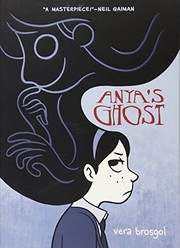
Anya's Ghost
A lonely Russian immigrant falls into a well, befriends the ghost trapped there, and discovers that the ghost's help comes with a dangerous price.
2,001-word summary · 9 min read
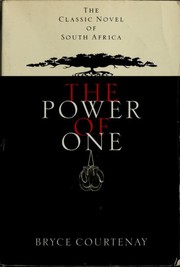
The Power of One
A boy in apartheid South Africa decides to become welterweight champion of the world, and the novel follows every mentor, fight, and loss that gets him there.
2,145-word summary · 10 min read

Little Town on the Prairie
In the spring after the Long Winter, fifteen-year-old Laura sews shirts, studies for a teaching certificate, and helps send her blind sister Mary to college.
2,071-word summary · 9 min read
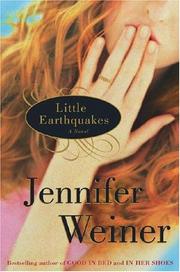
Little Earthquakes
Four Philadelphia women meet during pregnancy and discover that new motherhood is nothing like the plan, while friendship becomes the thing that holds them…
1,997-word summary · 9 min read

Less Than Zero
Clay returns to Los Angeles for Christmas and drifts through parties, drugs, and old friends, including one who is selling himself to survive.
1,926-word summary · 9 min read

Dumplin'
Willowdean Dickson enters her town's beauty pageant as a protest and discovers that confidence is harder to keep once she lets someone close.
1,922-word summary · 9 min read