

The Extraordinary Life of Sam Hell
3,060-word summary 14 min read
- First published
- 2018
- Publisher
- Lake Union Publishing
Reading options
What's inside (8 sections)
I found this book because a coworker left it on the break table with a sticky note that said you will cry at the end. I usually ignore that kind of pitch, but the title stuck in my head and the cover looked gentle rather than sad. I brought it home on a Friday and told myself I would read fifty pages before bed. I read past midnight instead, then finished it over the weekend with coffee going cold beside me. It is that kind of story, warm and propulsive, even when you can see where it is headed.
Robert Dugoni published this novel in 2018 with Lake Union Publishing. It is a standalone work of fiction, not part of a series, and it follows one man from birth through middle age. The central figure is Sam Hill, a boy born with ocular albinism, which leaves him with red eyes and poor vision. Classmates twist his last name into a taunt, calling him Sam Hell, and the nickname follows him for years. The book stays close to his point of view as he grows up in a Catholic family, attends parochial school, and learns how cruelty and kindness can live side by side in the same hallway.
What drew me in was the tone. Dugoni writes plainly and with feeling. Chapters move in order through childhood, teen years, and adult life, with enough detail that you can picture classrooms and kitchens and church pews. He cares about decency. He cares about mothers who refuse to give up and friends who stand their ground. If you like coming of age stories where character matters more than plot twists, this will feel familiar in a good way. If you prefer cool distance or sharp satire, the sincerity may test you.
A difficult birth and a fierce mother
The novel opens with Sam's arrival and the worry that follows. His eyes are unusual, a deep red that startles nurses and visitors. Doctors explain the condition in careful terms. His vision will be limited. Light will hurt. He will need glasses and close seating and patience from teachers. His parents absorb this while caring for a newborn, which is a lot to carry at once. His father works and tries to stay steady. His mother becomes the engine of the family, watchful and unwilling to accept low expectations for her son.
His mother is the strongest presence in the early pages, and I liked her immediately. She prays, she argues, she shows up at school when she senses Sam is being overlooked. She refuses special treatment that would isolate him, but she demands fair treatment that lets him learn. She teaches him to look people in the eye even when they stare. She tells him he is made as he was meant to be. That faith sounds simple on paper. In scenes with doctors and principals and playground mothers, it plays as courage. She absorbs stares so he can play.
Sam narrates these years with a mix of clarity and ache. He remembers bright light on white walls, the hum of classrooms, the smell of lunchrooms, the way other children went quiet when he walked in. He wants to be normal, a word he uses a lot as a boy. He tries to run and catch and read like everyone else. Sometimes he manages. Often he falls short and pretends it does not matter. His parents see through the act. His mother in particular reads his face across a room and knows when the day went badly.
Faith enters early and stays. The family attends Mass, prays at home, and treats God as a daily presence rather than a Sunday idea. Sam learns prayers by heart, serves when he is old enough, and asks the plain questions children ask about fairness. Why was I made this way. Why do others stare. Why does prayer not change my eyes. The book does not dodge those questions. It lets adults answer as best they can, with honest love rather than polished theology. A priest tells him that suffering can teach sight of another kind. His mother tells him that his worth is settled. Both answers help, and neither removes the playground.
One early scene that stayed with me involves enrollment at Catholic school. His mother walks him in, meets the teacher, explains his vision, and asks for a front seat. She smiles, stays firm, and refuses to apologize for asking. Sam feels proud and embarrassed at once, a combination Dugoni captures well. He wants her there and wishes he did not need her. Any child who ever stood out for reasons beyond control will recognize that pull in both directions.
Catholic school and the nickname
School is where the title earns its sting. On paper Sam Hill is an ordinary name. In a hallway full of boys looking for weakness, it becomes ammunition. Sam Hell, they call him, with red eyes to match. The joke writes itself and they never tire of it. Teachers correct it. Nuns punish it. It persists in whispers and notes and laughter behind hands. Dugoni shows how a nickname can harden into identity if adults do not intervene with consistency.
The bullying is specific without feeling exploitative. Sam gets tripped, mocked during reading aloud, seated alone at lunch, picked last despite effort. He squints at the board. He holds books close. He misses balls in games. Each small failure becomes proof, in the eyes of tormentors, that he belongs apart. The ringleader is a bigger boy with confidence and followers, the type who senses adult blind spots and uses them. Sam learns to watch doorways and time his movements. He learns which bathrooms to avoid. He learns to laugh first so others cannot laugh at him.
Religion class complicates rather than simplifies this. Sam is taught to turn the other cheek, to forgive, to love enemies. He tries, because he believes and because he wants to be good. But forgiveness feels abstract when someone has just knocked your tray to the floor. He asks whether forgiving means allowing repeat harm. He asks whether anger makes him bad. His teachers give sincere answers that do not always land. One nun tells him strength can look like restraint. A priest tells him justice matters too. Sam files those lessons away and tests them in real hallways.
Amid this, he finds refuge in routine. He likes reading, especially stories where outsiders find a place. He likes helping in church, where tasks are clear and adults are kind. He likes sitting near the front where the board resolves. He develops habits that help him cope, memorizing layouts, counting steps, listening closely. Dugoni does a good job showing adaptation without making Sam seem superhuman. He is a bright boy working harder than peers for the same result, and the effort tires him in ways he hides.
There is also humor here, which keeps the pages from growing too heavy. Sam notices adult quirks, repeats playground logic with deadpan accuracy, and trades jokes with the few kids who sit with him. Laughter does not solve the bullying, but it loosens its grip for an hour. I appreciated that balance. The book takes cruelty seriously and still allows a boy to be funny, curious, and occasionally mischievous rather than only wounded.
Ernie and the meaning of loyalty
If his mother is his anchor at home, Ernie Cantwell becomes his anchor at school. Ernie is the friend every bullied kid hopes for and rarely gets, steady and unafraid. He is bigger, plainspoken, and unimpressed by status. He sits with Sam when sitting with Sam costs social points. He walks with him between classes. He answers taunts with a stare that ends them. Their friendship forms in small increments, shared answers, traded snacks, side by side silence, and then holds for years.
Ernie comes with his own weight. His home life is rougher, his manners less polished, his future less assumed. The book does not turn him into a prop. He has pride, temper, and tenderness of his own. He struggles in class, works when he can, and relies on Sam for help with lessons. Sam relies on him for safety and for proof that loyalty exists outside family. They protect each other in different arenas, which makes the bond feel mutual rather than charitable. I believed in these boys because Dugoni lets them annoy each other like real friends.
One stretch I liked follows them through sports and after school hours. Sam cannot see well enough to star, but he tries, and Ernie covers for him without making it obvious. Coaches notice effort. Teammates slowly adjust. There are practices where Sam keeps up and practices where he does not. Ernie never makes a speech about inclusion. He just passes the ball, waits an extra beat, and glares at anyone who complains. That practical loyalty moved me more than any lesson about kindness could.
Their friendship also tests faith and family rules. Sam's mother worries about influence and hours and language. Ernie's world introduces Sam to realities his sheltered home kept soft. They argue and make up. They keep secrets they should not keep. They learn when to tell an adult and when to handle a problem alone. Through it all, the book keeps their connection central. When Sam doubts himself, Ernie's blunt confidence steadies him. When Ernie doubts his worth, Sam's faith in him does the same work in return.
As they reach the teen years, new pressures arrive. Girls, grades, jobs, cars, priests warning about choices, parents warning about consequences. The boys respond differently. Sam leans into school and church, hoping achievement will quiet mockery. Ernie leans into work and toughness, hoping self reliance will quiet shame. Both strategies help and both cost something. Their paths diverge without breaking, which felt true to how childhood friendships often survive adolescence, thinner in places but still holding.
Growing up under watched eyes
High school brings larger stages and sharper judgments. Sam works hard, earns respect in classrooms where vision matters less than thought, and finds teachers who see past his eyes to his mind. He reads widely, writes well, and considers what kind of man he wants to become. He also discovers that old nicknames fade slowly. Even when classmates mature, someone remembers and repeats, and laughter follows out of habit rather than malice. Dugoni captures that lingering mark without overstating it.
Faith deepens here from rule to question. Sam attends retreats, serves at Mass, talks with priests about calling and conscience. He wonders whether his experience of being judged gives him insight into mercy. He wonders whether anger at tormentors disqualifies him from goodness. Father Brogan, a patient priest who appears through these years, offers counsel that is firm and kind. He tells Sam that forgiveness is a practice rather than a feeling, and that boundaries can coexist with charity. Those talks give Sam language he will need later.
His mother remains close, though the relationship strains as it should. She wants to protect. He wants room. She checks homework and curfews. He pushes for freedom and privacy. They fight about friends, dances, summer plans, and risk. Beneath the friction, her devotion never wavers. She prays for him daily. She keeps every clipping and report card. She reminds him, when he is low, of how far he has come since the boy who hid his eyes. That history helps him stand taller than praise alone could.
Dating arrives with both sweetness and hurt. Sam likes girls, fears rejection, misreads signals, and learns that some people look past his eyes while others cannot. One relationship in particular teaches him about pity versus respect. He does not want to be a project. He wants to be chosen freely. Dugoni handles these scenes with care, avoiding melodrama while honoring how high the stakes feel at seventeen. Sam makes mistakes, apologizes, and grows less self centered through them.
By graduation, Sam has a record he can be proud of and wounds he has not fully named. He leaves for college and adult work with Ernie still beside him in spirit, his mother praying behind him, and his faith tested but intact. The book marks this passage without fanfare. No single triumph erases the past. Instead there is a quiet sense of momentum, a boy who endured becoming a man who might endure with more grace.
Adult reckoning and forgiveness
The adult section moves faster and covers more ground, following Sam into work, love, and return. He builds a career that uses his mind and discipline. He lives independently, manages his vision with tools and habits, and forms a life that looks stable from outside. Inside, old questions persist. He still flinches at certain laughs. He still hears the nickname in his head when rooms go quiet. Success quiets those echoes without silencing them, which feels honest.
A crisis brings him home and forces reckoning. Without spoiling the mechanics, Sam must face people from his school years, including those who hurt him and those who helped. He meets former classmates as adults with mortgages and children and regrets. Some remember cruelty with shame. Others barely remember at all, which hurts in its own way. He learns that memory is uneven. What marked him for life was, for someone else, a thoughtless afternoon. Forgiveness, in that light, becomes less about excusing and more about releasing a debt no one else is tracking.
His mother ages through these chapters, and those pages are tender. The fierce advocate becomes a woman who needs care, forgets names, and leans on prayer when words fail. Sam reverses roles, driving her to appointments, managing pills, sitting through long afternoons. He sees her fear and her faith side by side. He understands, more fully than as a boy, what her vigilance cost her. Their late conversations carry the book's emotional weight. She asks little. He tries to give much. Neither says everything, but enough is said.
Ernie's adult life provides counterpoint. He works hard, loves deeply, stumbles, and keeps showing up. His loyalty never wavers, though his path includes trouble Sam cannot fix. Their friendship endures because it allows change. They do not need daily contact to trust each other. A phone call, a visit, a shared meal restores the old ease. When Sam faces hard choices about justice and mercy, Ernie's blunt view helps him see clearly. Forgive where you can, Ernie suggests in his own way, but do not confuse forgiveness with forgetting what matters.
Faith resolves not into certainty but into practice. Sam prays, serves, doubts, and returns. He learns to accept help as well as give it. He learns that communities, including churches and schools, can wound and heal in the same season. Father Brogan's early counsel returns to him when he needs it most. He chooses mercy in a situation where revenge would feel justified, not because mercy is easy but because he has seen where bitterness leads. The book presents this choice without preaching, as a man's decision rather than a moral badge.
What moved me and what felt too tidy
What moved me most was the heart. Dugoni writes about mothers and friends and priests with respect that never curdles into sentiment for its own sake, at least in the early going. Sam's childhood feels lived in. Classrooms smell of chalk and floor wax. Kitchens hold soup and worry. Churches hold song and silence. The bullying scenes ring true because they focus on routine humiliation rather than single shocks. Anyone who survived school with a visible difference will find moments that ache with recognition.
The structure also works. By following Sam in order from birth to middle age, the novel lets small causes produce large effects. A front seat in second grade leads to confidence in fifth. A friend in sixth grade leads to courage in tenth. A priest's sentence at sixteen returns at forty. That accumulation gives the ending its power. When Sam forgives, you know the full price. When he accepts love, you know why acceptance took so long. The steady pacing helps here, even when individual chapters run long.
What felt too tidy is the neatness. Late revelations line up cleanly. Old wrongs get faced in ways that satisfy more than life usually allows. Some characters soften right on cue. The prose, always clear, occasionally turns sweet in a way that tells you how to feel. Readers who like ambiguity may wish for more rough edges. I wished at times for a scene to end before the lesson arrived, to let silence do the work. Dugoni rarely trusts silence. He explains, reconciles, and closes loops.
Length is the other honest caveat. This is a full life in one volume, and the middle can drag when school years blur and adult setup takes over. A few subplots repeat the same point about loyalty. A few conversations restate beliefs the action already showed. I skimmed lightly in two stretches and did not feel lost. A tighter edit might have kept tension higher. But the pages turn easily because the voice stays warm and the next milestone always beckons.
Who should read it? Fans of heartfelt fiction about childhood, faith, and friendship will feel at home. Readers who liked books about outsiders finding their people will recognize the shape. Book groups will find much to discuss, especially around bullying and forgiveness and the role of Catholic schooling. Readers who want spare prose or open endings should adjust expectations. This is generous, direct storytelling that aims to comfort as well as confront.
I closed it thinking about my coworker's sticky note. I did tear up near the end, not because of a trick but because Sam's mother gets a scene she earned across hundreds of pages. I thought about the kids I knew who were mocked for how they looked or spoke, and about the Ernies who stood beside them without being asked. The nickname Sam Hell starts as cruelty and ends as something Sam reclaims through a life lived with attention. That turn feels sentimental, and I accepted it. Sometimes a book earns its tears by doing the simple work well, showing up every day, like a good friend, until you believe change is possible.
FAQ
When was The Extraordinary Life of Sam Hell published?
It was published in 2018 by Lake Union Publishing as a standalone novel. It is not part of a series.
Who is Sam Hell?
Sam Hill is a boy born with ocular albinism, which gives him red eyes and poor vision. Schoolmates twist his surname Hill into the taunt Sam Hell, and he carries that nickname through Catholic school and beyond.
Is the book based on a true story?
No. It is a work of fiction told as a life story, following Sam from childhood through adulthood as he deals with bullying, faith, and forgiveness.
Similar books
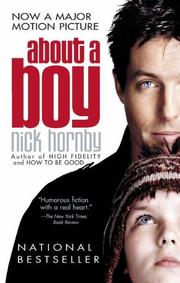
About a Boy
An idle London bachelor invents a toddler son to meet women, then builds a real friendship with a lonely twelve year old.
2,750-word summary · 12 min read
A Prayer for Owen Meany
John Wheelwright believes in God because of Owen Meany, the tiny friend whose foul ball killed his mother.
3,046-word summary · 14 min read

Anya's Ghost
A lonely Russian immigrant falls into a well, befriends the ghost trapped there, and discovers that the ghost's help comes with a dangerous price.
2,001-word summary · 9 min read
The Power of One
A boy in apartheid South Africa decides to become welterweight champion of the world, and the novel follows every mentor, fight, and loss that gets him there.
2,145-word summary · 10 min read

Little Earthquakes
Four Philadelphia women meet during pregnancy and discover that new motherhood is nothing like the plan, while friendship becomes the thing that holds them…
1,997-word summary · 9 min read

Dumplin'
Willowdean Dickson enters her town's beauty pageant as a protest and discovers that confidence is harder to keep once she lets someone close.
1,922-word summary · 9 min read

The Diamond Age: Or, A Young Lady's Illustrated Primer
A stolen nanotech primer raises a poor girl in 22nd-century Shanghai, and Neal Stephenson turns her education into an argument about class, freedom, and who…
2,055-word summary · 9 min read
Same Kind of Different as Me
An art dealer and a formerly homeless sharecropper tell the story of the friendship that began at a Fort Worth mission and the woman who insisted on it.
2,023-word summary · 9 min read
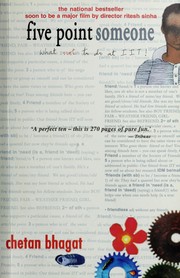
Five Point Someone: What Not to Do at IIT
Three friends at IIT drift to a five-point GPA, mock the system, and break into a professor's office for an exam paper.
2,458-word summary · 11 min read
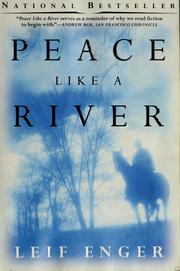
Peace Like a River
An asthmatic boy in the early 1960s narrates his family's search for his older brother, who is accused of two killings and has escaped custody.
1,969-word summary · 9 min read

The Chosen
A shattered pair of glasses in a 1944 Brooklyn softball game starts a friendship between a Hasidic boy and his Orthodox neighbor, and their fathers pull them…
2,443-word summary · 11 min read
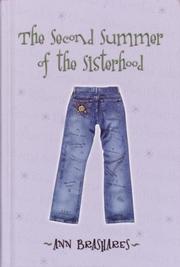
The Second Summer of the Sisterhood
Four friends share the traveling pants through a summer of grandmothers, first loves, and mothers who are learning to let go.
2,209-word summary · 10 min read

Hearts in Atlantis
Five linked stories follow Bobby Garfield, Carol Gerber, and their friends from a haunted childhood in 1960 to the long aftermath of Vietnam.
2,402-word summary · 11 min read

Aristotle and Dante Dive into the Waters of the World
Ari and Dante return for senior year in El Paso, navigating first love, AIDS, family grief, and the cost of being openly gay in 1987 Texas.
2,188-word summary · 10 min read
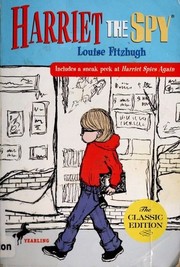
Harriet the Spy
Eleven year old Harriet Welsch fills notebooks with honest, often cruel observations about her neighbors, until her classmates read one and turn her spy route…
2,510-word summary · 11 min read

Someone Like You
Halley and her best friend Scarlett face a summer of grief, a surprise pregnancy, and Halley's dangerous first romance in Sarah Dessen's 1998 young adult novel.
2,218-word summary · 10 min read

Paper Girls, Volume 1
Four paper girls in 1988 Ohio chase a stolen walkie-talkie into a basement and stumble into a time war, flying dinosaurs, and an older version of themselves.
2,235-word summary · 10 min read
The Reading List
A lonely widower and a teen library worker connect through a mysterious list of books.
2,810-word summary · 12 min read
The One Hundred Years of Lenni and Margot
Dying teen Lenni and 83-year-old Margot paint one hundred years of stories.
2,281-word summary · 10 min read

Loveless
Georgia starts university sure she wants love, then learns she is aro-ace.
2,539-word summary · 11 min read
Ham on Rye
Henry Chinaski grows up rough in Depression Los Angeles and finds writing.
2,244-word summary · 10 min read

Since You've Been Gone
Shy Emily spends summer finishing her vanished best friend Sloane list of thirteen dares, finding Frank, Dawn, and courage.
2,566-word summary · 11 min read

The Interestings
Meg Wolitzer follows Jules Jacobson from 1974 arts camp into middle age, as friendship with Ethan and Ash turns into envy, money gaps, marriage strain, and…
2,990-word summary · 13 min read
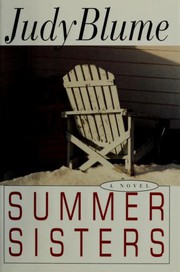
Summer Sisters
Vix and Caitlin share Martha's Vineyard summers from age twelve into adulthood, through first love, grief, marriage, and a disappearance that still haunts Vix.
3,633-word summary · 16 min read

Demian
Hesse's 1919 German classic of Emil Sinclair, from Kromer blackmail to Demian, Abraxas, Beatrice and Frau Eva, ending in war: a short, strange guide to growing…
2,510-word summary · 11 min read
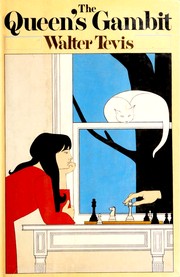
The Queen's Gambit
Orphan Beth Harmon rises in chess while pills and drink threaten to take her.
2,027-word summary · 9 min read
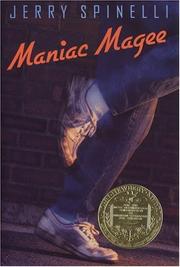
Maniac Magee
Orphaned Jeffrey Magee runs to Two Mills, becomes a playground legend, and tests a town split by race while hunting for a real home.
2,219-word summary · 10 min read

Dead Poets Society
Keating tells Welton boys to seize the day and his secret club costs more than grades.
2,031-word summary · 9 min read

Almond
Yunjae, born with alexithymia, navigates grief and friendship with troubled Gon after losing mother and grandmother.
2,088-word summary · 9 min read