
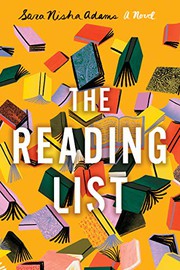
The Reading List
2,810-word summary 12 min read 373 pages in the book
- First published
- 2021
- Publisher
- William Morrow
- Pages
- 373
- ISBN
- 9780063025288
Reading options
What's inside (8 sections)
I found The Reading List on a shelf about books that love books, and it turned out warmer than I expected without being sugary. First published in 2021 by William Morrow at 373 pages in hardcover, it is a debut novel set in London, about a teenage library assistant and a lonely widower who connect through a mysterious handwritten list of novels. No murders, no twists for shock, just people learning to talk again through stories. I cried once, smiled a lot, and wrote down three books to read next.
Aleisha is seventeen, working a summer job at the local library in Wembley while caring for her younger brother Aidan. Their mom is struggling with mental health, their dad is gone, money is tight. Aleisha is tired in the way teens who parent get tired. She loves books privately but acts like the library is just a job because hoping for more feels risky. Her best friend is busy, her brother needs food and calm, her mom has good days and bad days. The library is dusty, underfunded, threatened with cuts, run by a kind manager who sees Aleisha more clearly than she sees herself.
Mukesh is in his seventies, widowed after the death of his wife Naina. They were married for decades, raised daughters, ran a shop, argued about small things and loved deeply. Since she died, his house is too quiet. His daughters worry. His granddaughter Priya, bright and bookish, used to be close to Naina and now feels distant from him because they do not share books the way she did with her grandmother. Mukesh wants to bridge that gap but does not know where to start. He was not a reader. Naina was. He walks to the library one day because Naina loved it, and because he is lonely enough to try anything.
Aleisha finds a scrap of paper tucked in a returned book. It is a list, handwritten, just titles. To Kill a Mockingbird, Rebecca, The Kite Runner, Life of Pi, Pride and Prejudice, Little Women, Beloved, A Time Traveller’s wife, and a couple more in different editions. No name, no note. She shows it to her coworker, they shrug. She starts reading the first one on break because she is curious and because the library is quiet in afternoons. That curiosity changes both her and Mukesh, because when he asks for help finding a book for Priya, she remembers the list and suggests they read it together.
Reading together
Their early scenes are awkward in the best way. Mukesh is formal, a little stiff, afraid of looking foolish. Aleisha is blunt, tired, kind underneath. He asks what edition to buy. She explains library cards. He worries about fines. She tells him no one cares if he is late by a day. He tells her about Naina, how she cried at endings, how she marked pages with receipts. Aleisha tells him almost nothing about home at first, just that she likes the quiet room at the back.
They agree to read the list in order, meeting to talk. Mukesh reads slowly, with a dictionary nearby, sometimes rereading pages. Aleisha reads fast, annoyed when he does not like her favorite parts. Their talks start about plot, then slide into life. What it means to be brave like Atticus, what it means to be haunted like Rebecca’s narrator, what it means to forgive like Amir. Mukesh connects everything to Naina and Priya. Aleisha connects everything to Aidan and her mom, though she does not say so at first.
The books on the list do real work. To Kill a Mockingbird opens talk about fairness and standing up when it costs. Rebecca opens talk about grief and living with a ghost in the house. The Kite Runner opens talk about guilt and making amends late. Life of Pi opens talk about faith and stories that keep you alive. Pride and Prejudice opens talk about pride in themselves, Mukesh about being an old man who never read, Aleisha about judging people fast to protect herself. Little Women opens talk about sisters and brothers and money. Beloved opens talk about mothers and loss too big for words. A Time Traveller’s wife, spelled different ways on different lists, opens talk about waiting and loving someone who leaves.
Adams does not summarize these novels at length. She assumes you know them or will feel enough from reactions. That keeps the pace moving. You get just enough to follow why Mukesh cries at one scene or why Aleisha gets angry at another. If you have read them, you will enjoy the echoes. If you have not, you will still get the emotion, and you may want to read them after. I added two to my own list.
Priya’s thread adds pressure. She is around Aleisha’s age or a bit younger, smart, grieving her grandmother, annoyed at her parents’ worry, unsure about her grandfather. She loves books. Mukesh fears she sees him as boring. When he tells her he is reading the list, she is skeptical, then curious. Their first talk about a book is stiff, then real. He listens. She corrects him gently. It is not a movie reunion. It is slow, with texts and short visits. That slowness felt true. Trust after loss does not snap back because you finished a chapter.
Aidan’s thread is quieter and just as important. He is young, anxious, attached to Aleisha. He hides when mom is low. He loves the library because it is safe and has beanbags. Aleisha brings him snacks, helps with homework, shields him from adult fights. She loves him fiercely and resents how much she must carry. Mukesh notices, without prying, and offers small help. A lift, a meal, sitting with Aidan while Aleisha shelves. Those small helps matter more than advice. They show community forming without speeches.
Library under threat
The library itself is at risk. Council cuts, low footfall, talk of closure or reduced hours. The manager fights with data and heart. Regulars write letters. Kids need the space after school. Older people need papers and warmth. Aleisha learns to see her job as more than shelving. She starts a tiny display of the list books. Patrons borrow them. Someone adds a note. Someone else returns a book with a star. The list spreads a little, like gossip but kinder.
This part could have been preachy about saving libraries. Adams keeps it grounded. She shows what the library does on a Tuesday. Printing forms, charging phones, story time for toddlers, a teen hiding from rain, an old man learning to use the catalog. No grand speech saves it in one meeting. It is ongoing work, imperfect, worth doing. As someone who uses libraries, I felt seen without being lectured.
There are bumps. Aleisha messes up at work and at home. She snaps at Mukesh once when he asks about her mom. She lies to her friend about being fine. Mukesh messes up too. He pushes Priya too fast, he forgets a meeting, he tries to buy love with gifts. Their friendship wobbles. They apologize awkwardly. Those repairs build trust more than easy agreement. I liked that Adams lets good people be tired and rude sometimes, then make amends without drama.
The mystery of who wrote the list runs lightly underneath. Patrons guess. Aleisha wonders if it was Naina, which would mean a lot to Mukesh. I will not say who it was, but the answer fits the theme. Lists are love letters we leave in books, hoping a stranger needs them. Whoever wrote it needed these stories once and wanted to pass them on. That idea carried me. I thought about notes I left in margins, books I lent with a line underlined, hoping someone would feel less alone.
What glows and what feels neat
What glows is warmth without falseness. Grief is present on every page. Mukesh misses Naina in his body, reaching for her side of the bed, cooking too much rice. Aleisha misses the mom she had before illness, and grieves while her mom is alive, which is a special ache. Aidan misses calm. Priya misses her gran. Books do not fix this. They give language and company. A line about Atticus sitting with Jem, a scene about Jo losing Beth, these become ways to say I am sad without saying it bare.
London feels real. Wembley streets, buses, shops, aunties with advice, teens code switching between home and school. Mukesh’s family is Gujarati, Hindu, with rituals around mourning and food that are shown, not explained to death. Aleisha’s family is Black British, with church and community and music. Cultures sit side by side naturally. Food matters. Mukesh brings thepla. Aleisha shares chips. Small kindnesses cross gaps where big talks fail.
What feels neat is how well the list cures. Almost everyone who reads it gets better. That is comforting but a little tidy. Real reading helps, but not this evenly. A couple of side characters change fast in the last fifty pages. A council decision, a family talk, a job offer all land close together. I did not mind because I wanted good news for these people, but readers who like mess may find the ending too smooth. It is hopeful, not realistic in every thread.
Pacing is gentle. No cliffhangers, just next chapters. Some middle sections repeat. Another talk about the same book, another worry about Priya, another bad day for mom. I never got bored, but I could feel the pattern. If you need propulsive plot, this may feel slow. It is a book to read with tea, a few chapters a night, letting the list be your list too.
There is no explicit content to warn about. Language is mild. Themes include grief, mental illness in a parent, child caregiving, racism in small moments, financial strain. All handled with care. Teens fourteen and up will get a lot, especially those who care for siblings or miss grandparents. Adults who lost partners will feel Mukesh deeply. Bring tissues, but not a box.
Who should borrow it
Borrow it, do not buy at first, because libraries are the point. Read it if you like books about books like The Guernsey Literary and Potato Peel Pie Society or 84 Charing Cross Road but want more diversity and youth. Read it if you like intergenerational friendships, grumpy old men with soft centers, tired teens who are stronger than they know. Read it if you need hope after loss.
Skip it for now if you want twists or high stakes. The stakes here are a boy’s dinner, a girl’s exam, an old man’s phone call. That is the beauty and, for some, the limit. Skip if you dislike crying at books about grandmothers. Naina is gone from page one and present everywhere. You will miss someone you never met.
For me, the image that stays is Mukesh and Aleisha at a small table in the back, books stacked, cups going cold, arguing gently about whether Elizabeth Bennet was right to refuse Darcy at first. Aidan drawing nearby. Priya texting a thought about the same chapter from her room. A list that started as scrap becomes a table where people sit. That is what reading does at its best. It makes a place.
The Reading List is 373 pages and felt shorter because I liked the company. It is a debut, and you feel care in every choice, sometimes too much care to surprise. But kindness done well is rare enough. I closed it and wrote my own list for a friend going through a hard month. Eight books, no explanation, just titles. If she reads one and feels less alone, Adams will have passed it on through me. That seems like exactly what the book wanted.
Naina in the room
I want to say more about Naina, because she is dead before page one and still the warmest person in the book. We meet her through Mukesh's memory and through objects. Her reading glasses with a bent arm. Her recipe book with notes in margins. Her cardigan Mukesh will not wash because it smells like her. Her habit of crying at endings and then cooking something to recover. Her voice on the phone in old messages Priya saves. These fragments build a woman who loved loudly and argued well. She teased Mukesh for not reading, then read passages aloud till he listened. She told her daughters to marry for kindness, not money, and then worried when they did.
Mukesh's grief is physical and specific, which I appreciated. He reaches for her side of the bed. He makes tea for two, then pours one out. He talks to her photo while shaving. He forgets she is gone in shops and turns to ask what she thinks of mangoes. Then remembers and stands still while people pass. Adams does not rush him through stages. He has good days where he laughs with Aleisha about Darcy, and bad days where he cannot get up to open curtains. Priya sees both and learns her grandfather is not boring, just broken open. That learning softens her without making her a caretaker. She is still a teen with exams and friends. She just makes a little more room.
One scene I loved was Mukesh trying to cook Naina's dal from her notes and failing. Too much salt, wrong lentils, pot boils over. Aleisha comes by with Aidan, they laugh, they order chips, they try again next week. No lesson spoken, just people in a kitchen making a mess together. Grief cooking shows are common in books, but this one felt unforced because he is bad at it and keeps trying. Love as practice, not performance.
Aleisha at home
Aleisha's home life deserves more attention than plot summaries give. Her mum loves her kids but illness makes her distant and sometimes frightening. She stays in bed for days, then cleans frantically at night. She forgets to shop, then buys too much. Aleisha tracks moods like weather, sunny, cloudy, storm. She hides money for food. She tells Aidan mum is tired, not sick, to protect him. She tells school everything is fine to protect them all. That vigilance exhausts her in ways she cannot name at seventeen.
Aidan is young enough to ask plain questions. Is mum sad because of us. Will she go away. Can we stay at the library. Aleisha answers with calm she does not feel. She reads to him at night, even when her eyes close. She walks him to school early so he gets breakfast club. She defends him fiercely if anyone calls him shy. Their bond is the book's quiet spine. Mukesh sees it and remembers raising his own daughters with Naina, the night feeds, the school runs, the worry you never voice. He offers help without taking over, which is exactly right. A lift when it rains. Sitting with Aidan while Aleisha talks to a teacher. Small, steady, no strings.
Aleisha's friendship outside home also shifts. Her best friend is busy with college plans and a boyfriend, and does not know how to ask about Aleisha's mum. They fight once,sharp words about who tries harder. Then they make up slowly through texts and shared chips. It is not a big subplot, but it shows how caregiving isolates teens. Friends move on while you stay. The library becomes Aleisha's other friend group, older, odd, kind. The manager who saves her a chair. The regular who teaches her to mend books. Mukesh who asks how her day was and listens to the answer.
Work itself teaches her. Shelving looks simple till you learn the system, the returns cart that never ends, the toddler who pulls every picture book, the man who needs help printing a form for a job. Aleisha gets good at it. She learns to recommend without pushing, to ask what someone liked before, to respect a no. Those skills help at home too. Listening, waiting, offering choices. The book suggests jobs can grow you, not just pay you, especially service jobs people dismiss. I liked that respect for library work. It is skilled, patient, often invisible.
The list mystery resolves gently, as it should. Whoever wrote it needed these books once. That person left them for whoever needed next. Aleisha and Mukesh add their own notes and pass it on. The final image of a new borrower finding the list with fresh marks gave me chills in the best way. Kindness replicates. I thought about all the marginalia I loved in used books, the underlined lines that felt like messages. Adams makes that feeling into plot, and it works because it is true. Readers do leave trails for strangers. I will check my own shelves for what I underlined and why.
FAQ
When was The Reading List published?
It was first published in 2021 by William Morrow at 373 pages in hardcover. It is a debut novel and standalone.
What is the list?
Aleisha finds a list of books in the library and shares it with Mukesh, a widower trying to connect with his granddaughter.
Similar books

About a Boy
An idle London bachelor invents a toddler son to meet women, then builds a real friendship with a lonely twelve year old.
2,750-word summary · 12 min read
Someone Else's Shoes
A rich wife loses everything and a tired mom gains red heels when gym bags swap in London.
1,951-word summary · 9 min read
Little Earthquakes
Four Philadelphia women meet during pregnancy and discover that new motherhood is nothing like the plan, while friendship becomes the thing that holds them…
1,997-word summary · 9 min read
Summer Island
A radio advice host hides a scandal, and the estranged daughter hired to write about it agrees to care for her at the family's island house.
2,325-word summary · 10 min read
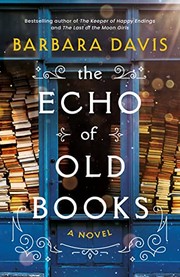
The Echo of Old Books
Barbara Davis's 2023 novel sends a rare-book dealer in 1984 New Hampshire hunting for the authors of two unpublished volumes that tell opposite sides of one…
2,491-word summary · 11 min read
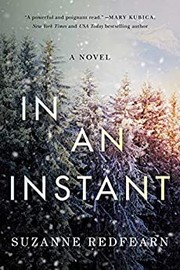
In an Instant
After a family camper crashes down a snowy mountain, sixteen-year-old Finn watches from the afterlife as survivors make impossible choices and try to live with…
2,130-word summary · 9 min read
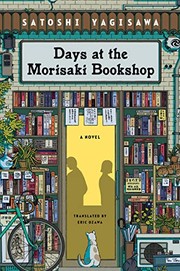
Days at the Morisaki Bookshop
Heartbroken Takako moves into her uncle's tiny secondhand bookshop in Jimbocho, and the shop and its regulars slowly give her back her life.
2,011-word summary · 9 min read

The No-Show
Three women are stood up on Valentine's Day by the same man, but the timeline is not what it seems. O'Leary's warmest book with a knife in it.
2,127-word summary · 9 min read
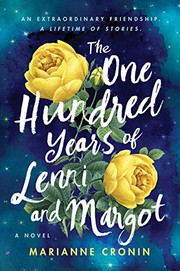
The One Hundred Years of Lenni and Margot
Dying teen Lenni and 83-year-old Margot paint one hundred years of stories.
2,281-word summary · 10 min read
The Bookish Life of Nina Hill
Bookstore Nina gains a family and pub-quiz love in Los Angeles.
2,399-word summary · 11 min read

The Bromance Book Club
A Nashville pitcher joins a secret romance book club to save his marriage after his wife Thea asks for divorce. He trades pride for listening, chores, and…
2,932-word summary · 13 min read

Ghosts
At 32, food writer Nina Dean faces ghosting by Max and her father's dementia in London.
2,677-word summary · 12 min read

The Paris Library
Odile lands her dream job at the American Library in Paris as war closes in, then hides that past in Montana until teen Lily draws it out.
2,813-word summary · 13 min read

House of Sand and Fog
A foreclosed California house pits recovering addict Kathy against Iranian immigrant Behrani, with a deputy whose obsession turns fatal.
2,008-word summary · 9 min read
Queenie
Jamaican British Queenie spirals after Tom break while friends hold her.
2,056-word summary · 9 min read

Good Material
A struggling comic replays his breakup with Jen while sofa surfing, bombing gigs and missing the other half of the story.
2,500-word summary · 11 min read
The Lost Bookshop
A modern woman in Dublin chases the mystery of a vanished bookshop, uncovering a 1920s bookseller and a missing girl. Magic, grief, and old letters tie the two…
3,337-word summary · 15 min read

The Extraordinary Life of Sam Hell
Sam Hill, born with red eyes and mocked as Sam Hell, leans on his mother, his friend Ernie, and his faith to face bullying and forgive. A warm coming of age…
3,060-word summary · 14 min read
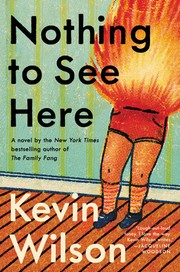
Nothing to See Here
A struggling young woman spends one summer caring for twins who burst into flame when upset, in this warm oddball novel.
2,167-word summary · 10 min read
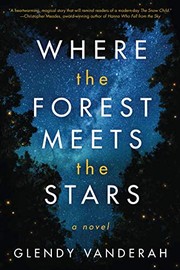
Where the Forest Meets the Stars
A grieving bird researcher hosts a strange child who claims to be alien in an Illinois cabin.
1,910-word summary · 8 min read
Something Blue
Dumped while pregnant, Darcy flees to London to regrow up with help from an old friend she once wronged.
2,027-word summary · 9 min read

High Fidelity
Dumped record shop owner Rob remakes top five lists to learn why every relationship failed.
1,935-word summary · 9 min read
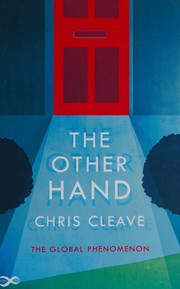
The Other Hand
Nigerian Little Bee leaves detention after two years and reunites with Sarah O'Rourke, linked by a violent beach meeting in Nigeria.
2,385-word summary · 11 min read
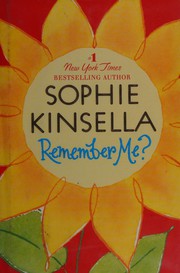
Remember Me?
Lexi wakes after an accident missing three years, with a polished new life and a husband she does not recall, and must work out which parts she wants to keep.
2,390-word summary · 11 min read
The Storied Life of A.J. Fikry
A widowed bookseller on Alice Island adopts abandoned toddler Maya, rebuilds Island Books, and finds love with sales rep Amelia before illness closes in.
2,972-word summary · 13 min read

One Day in December
Laurie spots her dream man from a London bus, then meets him again as her best friend Sarah's new boyfriend.
2,513-word summary · 11 min read

A Little Princess
Rich Sara Crewe loses her father and fortune at boarding school, survives the attic on stories and kindness, and is rescued from next door.
2,867-word summary · 13 min read
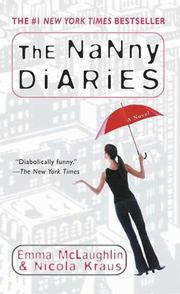
The Nanny Diaries
NYU student Nan nannies four-year-old Grayer X on Park Avenue, caught between a demanding Mrs. X, an absent Mr. X, and a lonely child who needs her more than…
2,233-word summary · 10 min read
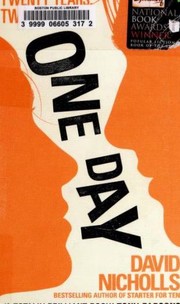
One Day
Emma and Dexter meet July 15 1988 and we revisit each St Swithins Day for 20 years.
2,392-word summary · 11 min read