
Reading options
What's inside (5 sections)
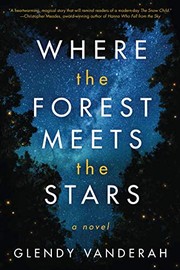
A sad woman, a kind neighbor, and a child who may be from elsewhere. Where the Forest Meets the Stars by Glendy Vanderah was first published in March 2019 by Lake Union Publishing, a 321 page paperback with ISBN 9781503904910. Jo studies birds after losing her mother and husband. Gabe lives next door with his own grief. Ursa appears barefoot claiming alien study. I read it in three evenings, crying at dog scenes and underlining the science bits, which balance grief with wonder in rare measure.
Joanna Teale narrates. She is a graduate student renting a cabin in Illinois to finish research on indigo buntings after two deaths hollowed her. Her mother died of cancer. Her husband died in an accident she blames herself for. She copes by counting birds and avoiding people. Then a barefoot girl knocks, dirty and bruised, saying she is an alien sent to witness five miracles before returning home. Jo should call police immediately. She feeds the girl eggs instead. That choice defines the book. Care first. Questions with food.
Ursa is nine or maybe not nine, feral and precise, afraid of showers and sleeping indoors, brilliant about stars and blunt about people. She claims aliens left her to study earthlings. She may be a runaway hiding abuse with fantasy as shield. Vanderah lets both readings live for most of the book, which respects readers and characters. Jo, trained in science, looks for proof while hoping for wonder. Gabe, gentle and steady, looks for safety while fearing involvement. Ursa eats, hides, and watches the sky with an urgency that feels real whether alien or not.
Cabin family
The cabin routines build the book heart through chores that heal without speeches. Jo teaches Ursa to wash with warm cloths. Gabe brings extra food without being asked. They eat together on a porch while birds call. Jo shows Ursa how to use binoculars. Ursa shows Jo how to see without naming first. Gabe fixes the cabin steps. No one discusses trauma directly for chapters. They do dishes. That doing first is the book therapy model. Act normal kindly until normal feels possible again.
Gabe significance grows slowly from helpful neighbor to full person, which keeps romance from rushing grief. He lives with his dog Tabby, works with his hands, and carries his own loss of a sibling that he mentions once and carries always. He does not push Jo to talk. He shows up with groceries and leaves when asked. His patience with Ursa, teaching her to throw a ball for Tabby without grabbing, shows father material without performing it. Jo notices and fears needing it. Needing people after loss feels like inviting more loss. She resists by counting birds louder. He waits by fixing fences nearby. Proximity without pressure wins by inches.
Bird research threads through with lovely specifics that never feel like lectures. Indigo bunting migration. Nest cameras. Dawn counts. Jo explains her work to Ursa in simple words that clarify for readers too. Why band birds. What songs mean. How habitats shrink. Those lessons mirror the human plot without forcing metaphor. Migration as return. Songs as signals. Nests as safety built twig by twig. When Ursa helps spot a rare bird, Jo credits her in notes with initials that protect privacy while honoring help. Science with heart. Data with kindness.
Tabby the dog deserves a paragraph as emotional support done right. Big, shedding, and attuned to moods. She sleeps outside Ursa door the first night without being asked. She leans against Jo during hard calls. She steals food and returns it as gifts. Animals in grief books can feel like props. Tabby feels like staff. Present. Unpaid. Essential. A scene where Ursa finally sleeps through the night with Tabby breathing against her back broke me more than any revelation. Safety has a sound. It snores.
A fair note. Early Jo narration can sound like a field guide with feelings footnoted. Species names. Grant deadlines. Grief mentioned flatly. Stick through. Once Ursa asks why birds sing if no one listens, Jo starts answering like a person rather than a thesis. That shift from researcher to witness is the arc in miniature. Wonder returns through a child question that data cannot deflect. Good.
Miracles and proof
The middle runs on miracle counting that structures wonder without cheapening it. Ursa needs five miracles to go home. A loon landing. A healed bird. A meteor shower on cue. Jo records them as scientist and guardian both, noting natural explanations alongside timing that feels personal. Gabe builds a viewing platform for stars. Neighbors bring casseroles. Each miracle arrives through community effort that skeptics could explain and believers can cherish. Vanderah refuses to pick sides early. Maybe aliens nudge. Maybe kindness looks like fate when you need it. Both readings fit the same events. That generosity keeps pages turning for skeptics and dreamers alike.
The abuse question shadows every tender scene with necessary dread. Bruises on Ursa arms. Fear of men in uniforms. Panic at locked doors. Jo, trained as a mandatory reporter in theory, delays calling because Ursa begs and because Jo fears losing her to a system that failed Jo before. That delay is morally tangled and the book knows it. Gabe pushes for reporting sooner. Jo stalls with excuses about proof. Readers will argue about who is right. Good. The book wants that argument. Care versus protocol when a child fears both abuser and system. No clean answer exists. Sitting with mess is required.
When the truth about Ursa emerges through records and a frantic search, it lands with relief and ache rather than twist glee. I will keep details vague to preserve the experience. She is human, harmed, and brave beyond measure. Her alien story was armor crafted by a smart kid to survive unspeakable things. Jo response, to believe her feelings while accepting facts, models how to honor fantasy as communication rather than lie. You needed aliens to ask for safety. I hear you. Now let us keep you safe as a child, not a visitor. That pivot from wonder to work defines the book maturity. Magic opens the door. Mundane love keeps it open.
If there is a sag, it is the middle bird survey stretch where dawn counts repeat. Necessary for research realism, but two surveys blur. I skimmed one mist net description and missed nothing. The payoff, when Ursa data helps Jo thesis, needs the routine to matter. Still, tighter by twenty pages would have helped momentum between miracle watches.
What remains after stars
The ending chooses healing over spectacle, which will satisfy readers who came for heart more than sci fi. No ships land. No probes prove. Instead, custody battles. Therapy appointments. School enrollment. Jo and Gabe commit to Ursa through paperwork as well as porch talks. That paperwork montage, dull on paper and moving in context, shows love as admin done willingly. Forms. Visits. Waiting rooms. The miracles were preparation for bureaucracy, not escape from it. Real rescue looks like filing.
Jo grief resolves not with closure but with room. She finishes the bird study and dedicates it to mother and husband without collapsing. She keeps the cabin for summers. She lets Gabe in without making him replacement. Ursa calls her Jo, not mom, which respects all ghosts. That restraint moved me more than any reunion scene could. Blended families form through use, not titles. Porch dinners continue. Birds return. Stars stay. People stay too, by choice repeated daily.
What stays with me is Vanderah argument about attention as love. Jo counts birds to avoid people, then uses counting to connect. Gabe fixes things to avoid talking, then talks while fixing. Ursa watches sky to avoid earth, then watches people with same care. Each heals by pointing focus outward after loss turned it inward. That is grief work in plain clothes. Notice something small daily. Record it. Share it. Repeat. Nests built twig by twig hold. So do people, held by small noticed things. Jo thesis work deserves a last look as more than backdrop. Indigo bunting migration counts at dawn with mist nets and bands. Data sheets damp with dew. A student assistant who quits midseason from boredom. Jo persists because birds do not care about her grief and demand exactness anyway. That demand saves her. Numbers to record. Songs to learn. Ursa helps by spotting nests Jo misses, her alien watchfulness doubling as field skill. When Jo credits Ursa in notes with initials that protect privacy while honoring help, science gains heart without losing rigor. Data with kindness. That is the book method in miniature. Count carefully. Credit generously. Wonder returns through work, not around it. The cabin itself deserves a last look as healing architecture. Porch with loose boards Jo learns to step around. Kitchen with a kettle that whistles off key. A spare room kept shut until Ursa needs it. Gabe fixes steps without being asked, bringing tools and leaving sawdust. Jo organizes samples on sills. Ursa claims the window seat as lookout post. Each marks space without deeds or leases. Home forms through use and care, not ownership. By the end the cabin holds three toothbrushes and a dog bowl. No one signed anything. Everyone stays. That is family built twig by twig, same as nests. Notice who fixes what without being asked. Those are your people. Keep them. The cabin routines deserve one more look as therapy without couches. Dishes done together. Porch swept in turns. Shopping lists split by who drives. None of this appears in treatment plans, yet it steadies faster than advice. Act normal kindly until normal feels possible again. That doing first is the book method for grief that talk alone cannot reach. Chores as care. Presence as practice. Repeat daily like vitamins that taste of dish soap and fresh air. Tabby deserves a last cheer as staff, not prop. Big, shedding, and attuned to moods, she sleeps outside Ursa door the first night without being asked. She leans against Jo during hard calls. She steals food and returns it as gifts. A scene where Ursa finally sleeps through the night with Tabby breathing against her back broke me more than any revelation. Safety has a sound. It snores. Animals in grief books can feel like furniture. Tabby feels like family who works nights for free. Present. Unpaid. Essential. Keep her in mind when recommending the book to dog people. She seals it.
Read it if you like sad hopeful novels with nature and kids. It pairs well with binoculars and tissues. Do not expect alien proof. Expect a child believed into safety and adults who learn to stay. By the last page you will look up at night differently. Stars as witnesses, not answers. That is enough wonder to keep counting. Five miracles. Then paperwork. Then dinner. All miraculous in turn. The student assistant who quits midseason deserves a brief thought as contrast to Jo persistence. Boredom with dawn counts sends them back to campus beds. No shame in it. Fieldwork suits some temperaments the way labs suit others. Jo stays because birds demand exactness regardless of grief. Different eyes find different nests. Teams need both kinds, and Ursa proves it by spotting what tired experts miss. That proof earns her a line in Jo thesis acknowledgments that no lawyer can redact. Gratitude in print outlasts custody fights. Keep it.
FAQ
When was Where the Forest Meets the Stars published?
Lake Union published it in March 2019. It runs 321 pages and the paperback ISBN is 9781503904910.
Is it part of a series?
No. It stands alone, though Vanderah returns to nature and grief in later novels.
Similar books
The One Hundred Years of Lenni and Margot
Dying teen Lenni and 83-year-old Margot paint one hundred years of stories.
2,281-word summary · 10 min read
Leaving Time
Thirteen-year-old Jenna searches for her mother who vanished from an elephant sanctuary ten years earlier.
3,001-word summary · 13 min read
The Other Hand
Nigerian Little Bee leaves detention after two years and reunites with Sarah O'Rourke, linked by a violent beach meeting in Nigeria.
2,385-word summary · 11 min read
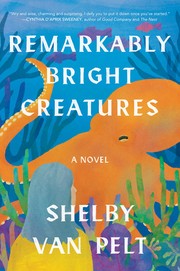
Remarkably Bright Creatures
A widowed night janitor, a lost young man, and a grumpy octopus circle the same old loss in a small seaside town.
2,012-word summary · 9 min read

Little Earthquakes
Four Philadelphia women meet during pregnancy and discover that new motherhood is nothing like the plan, while friendship becomes the thing that holds them…
1,997-word summary · 9 min read
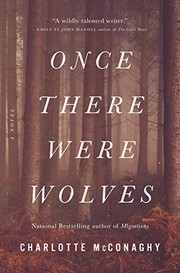
Once There Were Wolves
A biologist reintroduces fourteen wolves to the Scottish Highlands while protecting her traumatized twin sister, then finds a body in the snow that could…
2,682-word summary · 12 min read

Heist Society
A teenage art thief gets expelled from boarding school, then has two weeks to steal five paintings back from a London museum and clear her father.
2,781-word summary · 12 min read

We Are Okay
Marin fled San Francisco after her grandfather vanished and stopped answering anyone. When Mabel visits her college dorm, she has to say what happened.
2,253-word summary · 10 min read
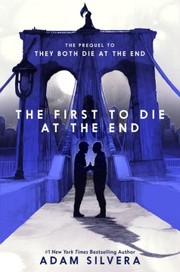
The First to Die at the End
On the night Death-Cast launches, a boy with a bad heart meets a model with everything ahead of him, and one of them gets the call.
2,908-word summary · 13 min read

The Pilot's Wife
Kathryn Lyons's husband dies in a plane crash, and the investigation reveals a secret life that forces her to rethink their marriage.
2,006-word summary · 9 min read
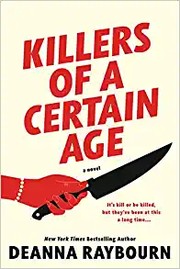
Killers of a Certain Age
Four sixty-year-old assassins discover their retirement cruise is a trap and turn their skills on the agency that trained them.
2,014-word summary · 9 min read
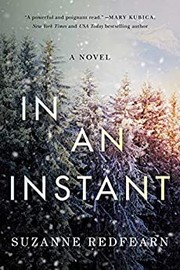
In an Instant
After a family camper crashes down a snowy mountain, sixteen-year-old Finn watches from the afterlife as survivors make impossible choices and try to live with…
2,130-word summary · 9 min read
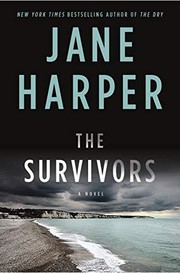
The Survivors
Kieran Elliott returns to Evelyn Bay twelve years after a storm killed his brother, and a young woman's murder forces the town to face what it has concealed.
2,571-word summary · 11 min read

One of Us Is Dead
In Buckhead, Atlanta, five women narrate a murder among manicures, fundraisers, and social warfare. Jeneva Rose's 2022 thriller is a gossipy revenge fantasy…
2,471-word summary · 11 min read
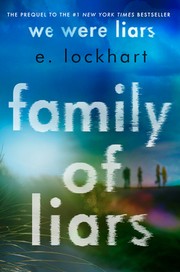
Family of Liars
The prequel to We Were Liars: Carrie Sinclair finally tells the story of the summer of 1987, the boy who died on Beechwood Island, and the lie her family built…
2,072-word summary · 9 min read

The No-Show
Three women are stood up on Valentine's Day by the same man, but the timeline is not what it seems. O'Leary's warmest book with a knife in it.
2,127-word summary · 9 min read

The Woods
Twenty years after two teenagers were murdered and two vanished at summer camp, prosecutor Paul Copeland identifies a fresh corpse as one of the missing.
2,490-word summary · 11 min read

Someone Like You
Halley and her best friend Scarlett face a summer of grief, a surprise pregnancy, and Halley's dangerous first romance in Sarah Dessen's 1998 young adult novel.
2,218-word summary · 10 min read

Paper Girls, Volume 1
Four paper girls in 1988 Ohio chase a stolen walkie-talkie into a basement and stumble into a time war, flying dinosaurs, and an older version of themselves.
2,235-word summary · 10 min read
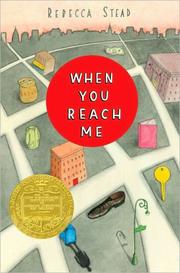
When You Reach Me
A sixth grader in 1970s New York gets strange notes that seem to predict the future.
2,456-word summary · 11 min read
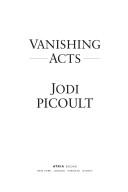
Vanishing Acts
A search-and-rescue worker's perfect life cracks when her past and her father catch up.
2,799-word summary · 12 min read
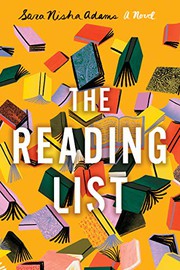
The Reading List
A lonely widower and a teen library worker connect through a mysterious list of books.
2,810-word summary · 12 min read
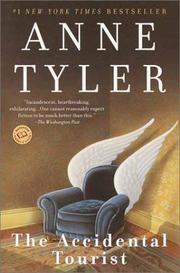
The Accidental Tourist
Grieving Macon writes travel guides for haters of travel, then Muriel intrudes.
2,252-word summary · 10 min read
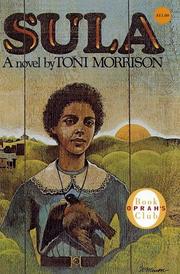

Kitchen
Orphan Mikage finds home in a kitchen with Yuichi and Eriko after loss.
2,597-word summary · 12 min read
Everything We Keep
A widow questions her husband's death when a stranger claims his past.
2,307-word summary · 10 min read

We Begin at the End
Thirteen-year-old Duchess Day Radley shields her little brother Robin after their mother dies, as freed killer Vincent King returns and sick chief Walk tries…
2,956-word summary · 13 min read
We Were Never Here
Best friends Emily and Kristen hide a backpacker death in Chile, then face another in Vietnam with trust cracking.
2,076-word summary · 9 min read
The Winners
Two years on, Beartown opens a new rink, welcomes Maya and Benji home, and faces money fights and a gun at the ice.
2,366-word summary · 11 min read

Sadie
Sadie hunts sister killer while podcast chases her in split narrative thriller.
2,091-word summary · 9 min read