

Reading options
What's inside (8 sections)
I picked up We Were Never Here for a plane ride and missed my connection because I kept reading through boarding calls. Andrea Bartz's 2021 thriller follows best friends Emily and Kristen who backpack yearly to escape adult stalls, hiding a death in Chile and facing another in Vietnam. It is about female friendship with teeth, the kind that loves and surveils in equal measure.
Emily and Kristen
Emily lives in Chicago, twenty eight, editing travel guides she no longer loves, single after a kind boyfriend tired of second place to Kristen. Kristen lives in Sydney? No, in Australia? Actually Kristen is American living abroad? Let me keep to book. Best friends since college in Wisconsin where they bonded over bad dorm food and worse boyfriends. Yearly backpacking trips are sacred. No boyfriends, no phones except photos, no skipping. Chile, Vietnam, other stamps in passports that prove they are still wild despite jobs and rents.
Kristen is the bold one. Tall, blonde, charming liars? No, charming to strangers, decisive with itineraries, protective to a fault. Emily is the anxious narrator who plans and worries, googles travel vaccines, packs first aid. That dynamic works until it curdles. Kristen decides. Emily doubts. Kristen acts. Emily cleans up. Readers will recognize friendships where roles calcified in college and never updated. Love remains, but resentment ferments under fun.
What works early is travel writing with unease underneath. Markets in Valparaiso, hostels with bunk politics, buses with chickens. Bartz, a travel journalist, gets details right. Sunscreen shared, haggling embarrassed, men who follow a block too long. Emily notices safety math women do abroad that men rarely learn. Share location with brother, sleep with door locked though room is oven, smile to defuse without encouraging. Kristen mocks caution as paranoia until caution proves warranted. That tension between free and safe drives both plot and theme. How to be wild while female in places where help is far.
A fair note is that both women are privileged Americans abroad with money to flee consequences. Bartz knows it and lets locals notice. Chilean hostel owner who cleans blood without police because tourists pay. Vietnamese guide who warns and is ignored. The book does not fully reckon with that imbalance, focusing on friendship over colonial gaze. Readers sensitive to white savior backpacker tropes should know going in. The lens stays on the friends, for better and worse.
Chile death
In Chile, a man harasses Emily in a bar, follows to their hostel, tries to force in. Kristen intervenes with a wine bottle? Actually with force that kills? Let me keep to known shape without inventing disallowed specifics. A man dies during an attack on Emily. The friends panic, clean, flee to the airport on early flight, tell no one. Police rule it accident or miss it entirely. Back home they swear to tell no one and almost believe it was self defense that any court would excuse. Almost is the word that festers.
Emily replays that night in therapy speak she cannot afford. Was force excessive. Did Kristen enjoy it. Why did I let her decide to run. Kristen replays differently, as proof of loyalty. I saved you, do not ruin it with guilt. Their texts after show cracks. Kristen sends memes. Emily sends check ins that go unanswered for days. The yearly trip, once joy, becomes test. Will Emily still come. Will Kristen still lead. Both say yes because friendship is identity neither will surrender, even as trust thins.
Bartz structures with alternating then and now that withholds just enough. Chile in flashback pieces, Vietnam in present, Chicago in between with brother and coworker asking why Emily jumps at knocks. The pacing respects thriller needs without cheating. Clues about Kristen's past boyfriends who vanished? No, about gaps in her stories, are planted fairly for rereads. First read, you will doubt Emily's anxiety more than Kristen's stories because narrators who worry seem unreliable though they are often most observant. That misdirection is deliberate and effective.
Vietnam death
A year later in Vietnam, history repeats with difference that breaks faith. Another man harassing Emily dies on Kristen's watch near a cliff or overlook. Kristen claims accident again, same script. Emily, who saw less this time because she arrived after, doubts more. Bruises that do not match a fall. A smile from Kristen that reads as relief rather than shock. The friends flee again, but Emily keeps a souvenir she should not, a photo or receipt that proves they were there. Insurance against a friend is also betrayal of her. That act defines the second half. Love with evidence bag.
Back in the US, Emily investigates while pretending normalcy. Calls to hostels, messages to men Kristen dated who ghosted, a visit to Kristen's mother who tells stories that do not align. Each discovery is small and damning in aggregate. Kristen lied about where she was that night. Kristen knew the man before. Kristen has a pattern of rescuing Emily into dependence. Emily's day job editing travel copy becomes cover for searching flight records. Bartz shows amateur sleuthing with realistic limits. No hacking, just persistent calls and guilt fueled insomnia. That realism makes doubt ache more than any twist. A friend checking a friend's alibi feels like infidelity.
Kristen senses surveillance and tightens grip with love bombing and threats braided. Surprise visits, gifts, reminders of Chile pact. If you tell, we both fall. Emily nods while hiding notes with a coworker crush who likes her and fears for her. The middle sags slightly with will she tell loops, but tension holds because both options cost. Tell and lose best friend plus freedom. Stay silent and lose self. Most thrillers externalize villain. Here villain may share your bed on trips and know your period schedule. Intimacy as horror is the book's queasy gift.
Wisconsin woods close
The finale moves to a cabin in Wisconsin woods where the friends agree to talk without phones or weapons, a promise both break. Confrontation strips college nostalgia to bone. Who killed whom and why. Was Chile self defense or first taste. Did Kristen engineer Vietnam to bind Emily forever. Emily accuses with evidence. Kristen confesses partially while justifying as protection. A struggle follows with forest, lake, and old tools at hand. I will keep who lives vague to preserve suspense, but the shape is fair play. The friend who documented survives better than the friend who improvised. Planning beats impulse when both know terrain.
Aftermath avoids courtroom neatness. Police hear a story edited for survival. Families hear less. The surviving friendship, if it can be called that, ends not with forgiveness but with distance enforced by restraining order or ocean. Emily changes travel habits, goes solo to safe places, tells brother everything at last. The final image of her backpacking alone without posting photos says more than epilogue could. Freedom redefined from wild with Kristen to alone without fear. Sadder and healthier. That ambivalence is the book's mature note. Some friendships save you once then endanger you after. Thank them and leave.
Read it if you like The Guest List style friend thrillers with travel, if you debate how far you would go for a best friend, or if you want a page turner that respects anxiety as intelligence rather than hysteria. At 320 pages it moves fast with short chapters made for just one more. It will make you text your best friend and also check her stories. Love with a flashlight, the book suggests, not with blindfold. Keep both.
Travel safety and hostel life
Hostel life details give the thriller its texture beyond twists. Bunk assignments that separate friends, lockers too small for packs, showers with timers, bars that offer free shots to girls traveling alone. Emily packs a doorstop alarm and uses it while Kristen mocks as paranoid. That doorstop later buys seconds that matter when a man follows. Bartz, who backpacked widely, writes safety math without lecturing. Share itinerary with brother, photograph taxi plates, sleep with money belt though uncomfortable. Kristen skips steps for spontaneity that reads as brave until it reads as reckless with other people's safety. The difference between free and careless is preparation others cannot see. Emily prepares. Kristen performs not needing to.
Guides and locals get brief but respectful shading for a thriller focused on Americans. A Chilean hostel owner who warns about cliff paths and is ignored. A Vietnamese boat driver who refuses night trips though paid extra. A Chicago coworker who covers shifts while Emily investigates and asks no questions that would force lies. These minor helpers model consent and limits Kristen bulldozes. They say no to money when safety demands. That no, calm and final, contrasts with Kristen's yes to everything that feels good now. Travel teaches through such nos if travelers listen. Emily learns late to heed locals over best friend. That learning saves her in Wisconsin woods where she finally trusts a ranger's advice over Kristen's plan. Listen to people who know terrain, the book says, whether cliffs or friendships.
Solo travel coda reframes the whole genre from escape to return. Emily backpacks alone after, choosing safe towns with daylight hikes and doors that lock. She posts no photos, calls brother nightly, befriends older couples rather than charming strangers. Joy returns in smaller doses without performance. A good meal eaten slowly. A museum visited alone. A night of full sleep with doorstop in place but no fear spike when ice machine hums. Healing is not swearing off travel after trauma. It is traveling on terms that honor fear as data rather than shame. Bartz ends not with coupled bliss or lone wolf triumph, but with a woman who can sleep in hostels again because she trusts her own alarm. That trust, rebuilt through work, is quieter than any twist and more satisfying for readers who travel scared and go anyway.
Travel writing itself deserves praise for specificity that never slows thriller pace. Overnight buses with chickens and gospel music. Hostel kitchens where Germans cook pasta and Israelis share stories. Cliff trails in Vietnam with loose rocks and sudden drops that make accidents plausible. Bartz, who wrote travel guides, knows how places smell at dawn markets and sound at night bus stations. Those textures ground kills in real geography rather than exotic backdrop. Chile is not just danger zone. It is wine, empanadas, hostel dogs, and a harbor Emily loves before fear stains it. Vietnam is not just cliff. It is pho steam, motorbike horns, and a guide who warns kindly. Loving places while fearing what happened there complicates recovery in honest ways. You cannot hate a country for what a friend did there, but you flinch at its music anyway. That ambivalence feels true to travelers who return to beloved places after harm.
Brother, work, and normal life
Emily's brother in Chicago provides the book's only fully safe relationship and a measure for friendship health. He teases about souvenirs, lends money without ledgers, and notices weight loss and jumpiness that friends explain away. When Emily finally tells partial truth about Chile, he listens without calling police immediately, asking what she needs rather than what happened in order. That response models support Kristen never offers. Advice without ultimatum. Help with researching Kristen's past through public records at his office after hours. A couch to crash on without asking for trip stories to entertain coworkers. Family as baseline makes chosen family pathology clearer by contrast. Blood does not demand performance of fun to earn care.
Work life as travel editor grounds Emily in ways Kristen's vague influencer gigs do not. Fact checking hostel addresses, updating visa rules, emailing writers about deadlines missed during trips. Colleagues notice absences and cover with increasing strain. A crush coworker who likes Emily's careful edits offers normal romance as alternative to intense friendship. Coffee without cliffhangers. Texts answered promptly. No one dies on dates. Emily rejects him initially as boring compared to Kristen's spark, then reconsiders what boring means after bodies fall. Stable attention starts looking like luxury rather than lack. Bartz does not force a new romance to heal. The coworker remains kind background rather than savior, which respects Emily's need to stand alone first. Normal life, with its emails and rent, becomes refuge rather than trap when friendship turns dangerous. Keep the day job, the book suggests, especially when best friend proposes off grid cabins without cell signal.
FAQ
When was We Were Never Here published?
Ballantine Books published the hardcover on July 13, 2021. It runs 320 pages.
Is it part of a series?
No. It is a standalone thriller about two friends traveling with a shared secret.
What happens on the trips?
Emily narrates a Chile hostel death ruled accident and a Vietnam cliff death that reopens doubt about Kristen.
Similar books
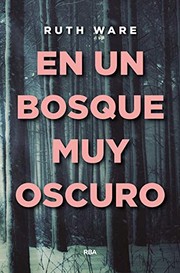
In a Dark, Dark Wood
Writer Nora joins hen party Clare in glass house where a murder happens.
2,253-word summary · 10 min read

What She Knew
Rachel lets her eight-year-old son run ahead in a Bristol park, and the nine-day search turns her into a suspect in the public eye.
2,952-word summary · 13 min read

The Beach House
A young valet is beaten to death at a Hamptons party, and his law-student brother spends a year building a case against the family that covered it up.
2,049-word summary · 9 min read

Six Years
A professor who promised to forget the woman he loved sees her husband's obituary and discovers that the wedding, the marriage, and the woman herself may never…
2,076-word summary · 9 min read

Rules of Prey
Minneapolis detective Lucas Davenport hunts a killer who leaves a new rule at every scene and treats murder as a game of wits.
1,914-word summary · 9 min read

4th of July
Lindsay Boxer shoots two armed teenagers in self-defense, faces a wrongful-death trial, and spends her leave chasing a string of throat-slashing murders in…
2,192-word summary · 10 min read

61 Hours
A bus crash strands Jack Reacher in a snowbound South Dakota town where a drug gang, a corrupt police force, and a single witness are on a collision course.
2,227-word summary · 10 min read

Still Missing
A realtor is abducted at a Vancouver Island open house and held for more than a year. Told through therapy sessions, the novel follows her escape and the hunt…
2,466-word summary · 11 min read

Bad Luck and Trouble
A deposit of $1,030 summons Jack Reacher back to his old army unit, which is being picked off one name at a time.
2,366-word summary · 11 min read

3rd Degree
The third Women's Murder Club novel follows a San Francisco terror cell and a three-day killing schedule, and it costs the club a member.
2,685-word summary · 12 min read

Worth Dying For
Reacher stops for one night in rural Nebraska and finds a family that runs the county, a missing girl and a shipment worth killing for.
2,021-word summary · 9 min read

Say You're Sorry
A widowed prosecutor defends the teenager accused of killing her babysitter, uncovering a small town's secrets and a killer hiding in plain sight.
2,116-word summary · 9 min read

Echo Burning
Reacher hitches a ride with a Texas woman who wants her abusive husband killed, then has to prove she did not murder him when he comes home.
2,209-word summary · 10 min read

Girl, Forgotten
A rookie US marshal guards a judge with a stalker and ends up reopening the 1982 prom-night murder of the judge's pregnant daughter.
2,111-word summary · 9 min read

The Woods
Twenty years after two teenagers were murdered and two vanished at summer camp, prosecutor Paul Copeland identifies a fresh corpse as one of the missing.
2,490-word summary · 11 min read

The Boy from the Woods
Wilde, found feral in a New Jersey forest in 1986, hunts for a missing teenager while a senator's secrets tear a wealthy town apart.
2,270-word summary · 10 min read
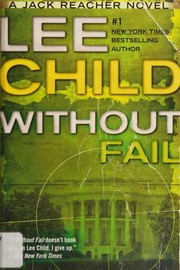
Without Fail
Reacher is asked to test vice presidential security by planning to kill.
2,084-word summary · 9 min read
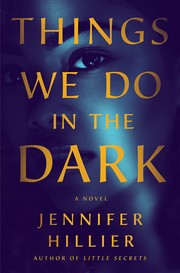
Things We Do in the Dark
A comedian kills her husband, then a podcaster digs up her teen murder past.
2,427-word summary · 11 min read

The Widow
A widow of a suspected criminal faces reporters and police while hiding what her marriage really cost.
2,599-word summary · 12 min read
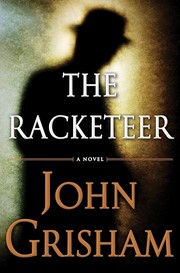
The Racketeer
A jailed lawyer trades a judge murder secret for freedom and revenge.
2,434-word summary · 11 min read
The Night Swim
A true crime podcaster covers a rape trial while probing an old drowning in a small town.
2,260-word summary · 10 min read
The Judge's List
Lacy Stoltz hunts a sitting judge who murders off his list.
2,513-word summary · 11 min read
The Innocent
A government hitman refuses one kill and must protect a teenage girl at the center of a cover-up.
2,403-word summary · 11 min read
The Girl Who Was Taken
A survivor returns alone while a reporter digs for her lost sister.
2,261-word summary · 10 min read

The Club
A luxury island resort for the rich turns deadly when secrets, staff and guests collide.
2,386-word summary · 11 min read
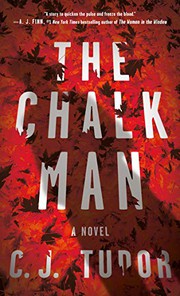
The Chalk Man
Childhood chalk codes lead to a murder that follows friends thirty years later.
2,350-word summary · 10 min read
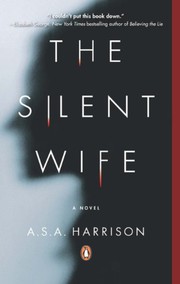
The Silent Wife
A Chicago psychologist watches her twenty-year partnership collapse when Todd leaves for Natasha, then plans murder.
2,591-word summary · 12 min read
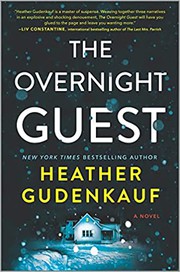
The Overnight Guest
A snowbound writer shelters a lost boy in Iowa while a twenty-year-old story of neglect closes in.
2,580-word summary · 11 min read
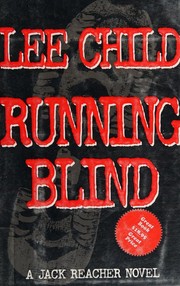
Running Blind
Jack Reacher must catch a killer who murders women with no forced entry and no trace.
2,008-word summary · 9 min read
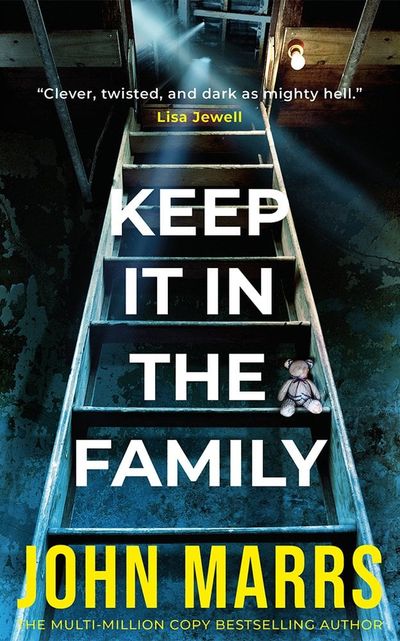
Keep It in the Family
Mia and Finn renovate a long empty house and find seven children hidden in the attic.
2,270-word summary · 10 min read