
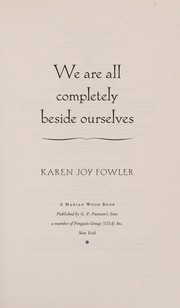
We Are All Completely Beside Ourselves
2,058-word summary 9 min read 320 pages in the book
- First published
- 2013
- Publisher
- G.P. Putnam's Sons
- Pages
- 320
- ISBN
- 9780399162091
Reading options
What's inside (6 sections)
I started We Are All Completely Beside Ourselves knowing the twist and found it did not matter, because the book is about aftermath, not reveal. G.P. Putnam's Sons published it in 2013, a 320 page hardcover with ISBN 9780399162091. It is a standalone novel, winner of the PEN/Faulkner Award, finalist for the Man Booker. Rosemary Cooke tells of growing up with a chimp twin sister Fern and losing her to science. If you can handle animal testing talk and family grief, read. It will change how you see siblings, science, and stories.
Rosemary begins in the middle. She has her reasons. In college, she talks too much or not at all. She was chatty as a child, then silent after something happened. She has a brother Lowell who vanished. She had a sister Fern, same age, taken away. She does not say at first that Fern is a chimpanzee, raised as human twin in her father psychology study. Reviewers spoil this, but the book reveals early. The power is not surprise. It is what family does after. How do you grieve a sister taken by science. How do you talk when no one understands. Rosemary tells out of order because memory loops. Listen that way.
The Cooke family seemed ordinary with one twist. Dad, psychology professor studying language and empathy. Mom, loving and overwhelmed. Lowell, older brother, protective. Rosemary, chatty. Fern, chimp, dressed, fed, taught sign, loved as daughter. For five years it worked. Photos show two toddlers playing. Then Fern removed after an incident, a bite? Actually after she hurt Rosemary? The details unfold slowly. Dad kept studying. Mom broke. Lowell protested and left. Rosemary stopped talking because no one would answer where Fern went. Silence as protest and protection. If you do not speak, you cannot lie about sister.
Fern and family
Fern as character shines through Rosemary memory, which is the book triumph. Fern is not symbol. She is toddler, funny, jealous, bright. She signs, steals food, hugs hard, throws tantrums. She loves Rosemary fiercely and bites when scared. Their twin games, mirror play, chase, hide, comfort, feel real to anyone with siblings close in age. That Fern is a chimp matters less than that she is sister. When Fern is taken to a lab, Rosemary loses twin the way others lose to death or divorce. Absence with no grave. Worse, because science says it was right. Was it. The book asks without preaching. Research helped many. It broke one family fully. Hold both.
Dad as scientist father breaks heart slowly. He loves his children, including Fern as subject daughter. He believes study helps humanity understand language, empathy. He publishes. He keeps Fern in human home past safe to prove point. When university ends study after incident, he sends Fern away though he could fight. He chooses career over daughter, then lives with it by working harder. Rosemary adores and resents him in tangled adult way. College Rosemary visits? Actually avoids. Their talks, when they happen, circle. He explains. She hears excuses. Neither fully wrong. Science needs data. Families need sisters. The book refuses to pick. It shows cost of picking science. Fern in cage. Rosemary mute. Lowell gone. Mom drinking. Data published. Was it worth. You decide after last page. Most say no. Fowler lets you sit with yes arguments first, fairly, which makes no hit harder.
Mom and Lowell carry other griefs. Mom, who mothered a chimp as daughter, loses two children at once when Fern taken and Lowell blames her for not stopping. She copes with wine and silence. Rosemary remembers her singing to both twins, then humming alone. That image aches. Lowell, older, understands experiment ethics sooner. He protests, runs away, joins animal liberation, disappears into activism and prison? His chapters, via Rosemary search in college, show a brother who turned grief into cause. He loves Rosemary but uses her to find Fern. Their reunion is awkward and loving. Siblings who share wound but not coping. Anyone with activist siblings will recognize. Causes help and consume. Lowell saves chimps and loses sister. Again. Irony hurts because intended kindly.
College Rosemary search drives present plot. She looks for Lowell who looks for Fern. She befriends Harlow, a dramatic girl who loves Rosemary stories without understanding. Harlow pushes Rosemary to talk, to drink, to perform. Their friendship is messy and useful. Through Harlow, Rosemary learns to narrate without apologizing. She tells Fern story at a party and watches faces shift. Some laugh. Some cry. One understands. That one matters. Telling is how Rosemary reclaims twin. Silence protected pain. Speech shares it. By end she talks to Dad plainly, to Lowell honestly, to readers directly. The middle she started in finds beginning and end. Not healed. Telling.
Science and stories
The book argues about science with stories, not slogans, which is why it lasts. Dad study followed real 1970s ape language projects, Washoe, Nim, that raised chimps as human then caged them when grown. Fowler researched deeply. Lab scenes, told via Lowell infiltration? Actually via memory and research, show chimps in small cages after human childhoods. They sign for freedom. Staff care but system grinds. Rosemary visits a sanctuary later and sees Fern? I will not spoil if reunion happens. The question lingers. Can science love subjects and still use them. Fowler suggests no, not with kin. If you raise as daughter, she is daughter. Cannot reclassify when inconvenient. That principle extends beyond chimps. Treat subjects as ends, Kant would say. Science forgets when grants press. Remember Fern when reading methods sections. Who pays for knowledge. Who decides. Ask before approving.
Story structure itself teaches. Rosemary starts middle, loops back twice, warns about twist to defuse. Why. Because memory after trauma loops. Because stories about family need context before facts. Fowler trusts readers to handle. Reviewers who spoil Fern miss point. Knowing early lets you watch family, not guess species. Teach this to writing students. Withhold to thrill or reveal to deepen. Fowler reveals to deepen. Follow her lead when telling hard family stories. Say the hard thing early. Then show what it cost over years. That cost is story, not shock.
Fair criticism is gentle. At 320 pages, college party scenes meander. Harlow drama repeats. Lowell search stalls. Readers wanting plot may fidget. The twist known, some wait for reunion that may not satisfy. Animal testing descriptions, though not graphic, upset. There is biting, caging, separation. Sensitive readers should know. The book is funny and sad at once, which some find tonal whiplash. Stay with it. Tone matches Rosemary coping. Laugh while grieving is how families survive labs, losses. Fowler nails that mix from life.
Who should read. Adults and older teens ready for animal ethics and family grief fit best. Fans of literary fiction with heart, Gaines, Kingsolver, will feel home. Pair with Next of Kin memoirs or with ape language nonfiction for context. Read with tissues and willingness to question science you benefit from. Medicines tested on chimps like Fern helped many. Acknowledge debt. Support sanctuaries. Tell Fern story without using her again. That is the book ask. We are all beside ourselves with love and guilt. Sit there. Listen. Then act kinder to kin, human and otherwise.
Lowell, Harlow, and telling
Lowell as lost brother needs pages because his activism shapes Rosemary search. Older by years, he understood experiment first. He protested to parents, to university, to no avail. When Fern taken, he broke furniture, then left. He joined animal liberation raids, freed lab chimps, went underground. Rosemary in college seeks him through activist networks, county fairs, rumors. When they meet, he is tired, wanted, kind. He asks Rosemary to help find Fern in sanctuaries. She agrees though scared of breaking law. Their road trip to see Fern, if she lives, is the book present spine. Siblings who shared wound but not coping reunite over steering wheel. He drives fast. She navigates badly. They laugh like kids. Then they argue about tactics. He wants to break in. She wants to ask. Both want Fern free. Methods divide as politics do. Family stays though. That staying through tactical fights models how causes should hold kin. Argue. Do not abandon. Drive together even when lost. Fern taught them sharing. Remember in car when lost. Share map. Share blame. Keep driving.
Harlow as college friend deserves note as catalyst, not just comic relief. Dramatic, curious, a little selfish, Harlow loves Rosemary stories and pushes her to tell more. At a party, drunk, Harlow outs Fern secret Rosemary told in confidence. Betrayal stings. Rosemary flees. Harlow apologizes badly, then better, by listening without using. Their repair matters because Rosemary must learn to trust listeners after family silences. Not all listeners exploit. Some hold. Harlow learns too. Stories are not party tricks. They are someones sister. Ask before sharing. That lesson, learned by a side character, lifts the book above misery. People can change after messing up. Give them room, as Rosemary gives Harlow second chance. Friendship survives one bad night if both work. Work it. Talk plainly. Forgive slowly. Keep the friend who stays after knowing.
Telling as healing closes the theme worth underlining for writers. Rosemary starts mid story because starts hurt too much. She loops back twice to approach Fern loss sideways. Fowler mirrors trauma narrative honestly. Direct order lies about how memory works. Loops tell truth. By end Rosemary tells straight through, beginning to now, without warnings. That straight telling signals readiness, not cure. She still misses Fern. Still hardly talks to Dad. Still worries about Lowell wanted. But she can say it in order and keep going. That is recovery as narrative competence. Practice it with hard stories. Start middle. Loop back. End where you are, not where you wish. Readers will follow if voice stays honest. Rosemary voice, chatty then silent then steady, earns follow. Follow to end. Sit beside yourself kindly. Then act. Support sanctuaries. Question labs. Love siblings out loud while you can. Fern would sign approval, then steal your fries. Remember her that way. Alive in gesture, not cage.
Sanctuary, science, and what remains
Sanctuary visit late in the book needs gentle detail because hope lives there carefully. Rosemary goes with Lowell to see chimps retired from labs, living in groups with blankets, puzzles, friends. Staff know names and histories. Some chimps sign. One reminds Rosemary of Fern in gesture, head tilt. Is it Fern. Fowler leaves blurry on purpose. Recognition across years, species, trauma is uncertain. Rosemary wants it to be. Lowell warns against needing. They watch. The chimp watches back. Whether or not she is Fern matters less than how Rosemary acts. She donates. She volunteers to clean. She tells the chimp stories about childhood games without expecting answer. That giving without taking reverses lab logic. Science took to learn. Sanctuary gives to heal. Support such places with money and time if moved. Visit respectfully. Do not tap glass. Sit. Let them approach. Learn their names as staff know. They are someones, not somethings. Fern taught Rosemary that first. Remember in grocery lines with meat, in labs with mice, in choices daily. Kinship costs convenience. Pay gladly. The book asks no more and no less. Look, then act kinder tomorrow than today.
Science ethics as lived, not debated, close the book with weight beyond thesis. Dad publishes papers that help understand development. Those papers cite Fern as subject C, not sister. Rosemary reads them in college library and shakes. Footnotes erase childhood. Methods sections omit love. That erasure is the book quietest horror. Not cages. Citations. Knowledge built on unnamed kin. Fowler, who debated her psychologist father growing up, knows both sides love truth. Dad loves discovery. Rosemary loves Fern. Both loves are real. Only one required caging. Choose loves that do not cage when you can. When caging seems needed for greater good, ask who decides greater and who pays. Fern paid. Rosemary pays still in silence broken only by telling. Tell her story without using her again. That means no more experiments, even narrative ones, that cost dignity. Write with consent of memory. Love out loud while you can. Then act. Support retirement. Fund alternatives. Teach kids that sisters come in species. All are beside ourselves with love. Sit there together. Enough.
FAQ
When was it published?
G.P. Putnam s Sons published it in 2013. The hardcover runs 320 pages with ISBN 9780399162091.
Is it part of a series?
No. It is a standalone novel, winner of the PEN/Faulkner Award.
Who should read it?
Adults and older teens fit best. There is animal testing and family trauma.
Similar books

We Are Okay
Marin fled San Francisco after her grandfather vanished and stopped answering anyone. When Mabel visits her college dorm, she has to say what happened.
2,253-word summary · 10 min read
The House We Grew Up In
The Bird family of the Cotswolds breaks apart after a suicide and spends twenty years not talking about what happened.
2,198-word summary · 10 min read

A Spool of Blue Thread
Four generations of the Whitshank family in Baltimore, and the silences, resentments and quiet love they hand down without ever saying so.
2,408-word summary · 11 min read
And Every Morning the Way Home Gets Longer and Longer
An elderly grandfather, his son, and his grandson share memories and fears as the old man's mind begins to fade, in a short novel about grief and love.
2,078-word summary · 9 min read
The Tiger's Wife
A young doctor in a war-scarred Balkan country chases the stories her grandfather left behind, including a deathless man and a deaf girl who loved an escaped…
2,232-word summary · 10 min read
The Storm Sister
Ally D'Aplièse loses her father and her lover within weeks, then follows a brass frog and a Norwegian biography into Anna Landvik's music and the world of…
2,376-word summary · 11 min read
Clap When You Land
Two half sisters, one in Sosúa and one in Queens, discover each other after their father dies in a plane crash, in Elizabeth Acevedo's novel in verse.
2,890-word summary · 13 min read
The Most Fun We Ever Had
Four Sorenson sisters orbit perfect parents hiding old cracks.
2,590-word summary · 12 min read
The Accidental Tourist
Grieving Macon writes travel guides for haters of travel, then Muriel intrudes.
2,252-word summary · 10 min read

Kitchen
Orphan Mikage finds home in a kitchen with Yuichi and Eriko after loss.
2,597-word summary · 12 min read
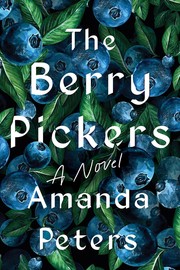
The Berry Pickers
A four year old vanishes from a Maine blueberry camp in 1962, and two families carry the loss for decades until Joe and Norma face the truth.
2,606-word summary · 12 min read
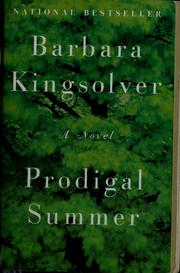
Prodigal Summer
Three lives in one Virginia mountain valley summer: a ranger watching coyotes, a widow learning moths and goats, and feuding elders guarding chestnuts, retold…
2,308-word summary · 10 min read
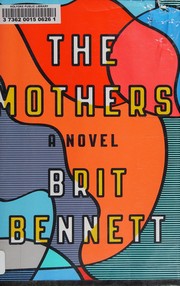
The Mothers
Nadia hides abortion from church Mothers while Luke and Aubrey circle for years.
2,078-word summary · 9 min read
A Tale for the Time Being
A diary by bullied Tokyo teen Nao washes up in Canada, pulling novelist Ruth into her family past.
2,148-word summary · 10 min read
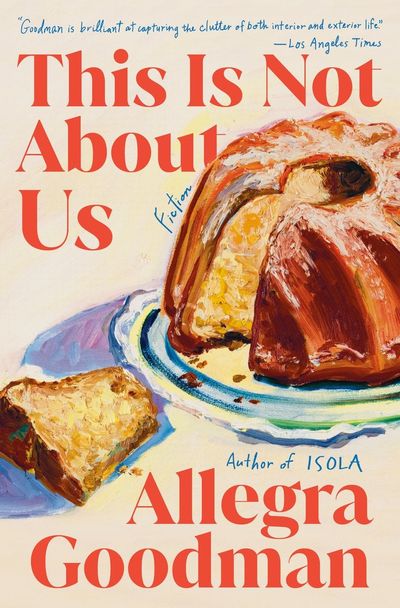
This Is Not About Us
Sisters Sylvia and Helen Rubinstein feud over apple cake in linked stories spanning divorces, bat mitzvahs and three generations of family life.
2,064-word summary · 9 min read
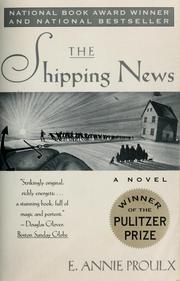
The Shipping News
At thirty-six, failed newsman Quoyle loses his cruel wife and flees to ancestral Newfoundland with his daughters, where a small-paper job slowly rebuilds him.
2,833-word summary · 13 min read
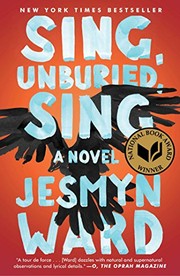
Sing, Unburied, Sing
A Mississippi family drives to Parchman prison while ghosts press close, and a dying grandmother holds the house together.
2,871-word summary · 13 min read
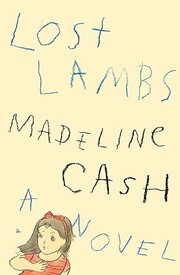
Lost Lambs
A coastal family fractures as an open marriage fails and three sisters spiral while the youngest traces a shipping magnate's plot.
2,471-word summary · 11 min read
Dear Edward
Twelve-year-old Edward Adler survives a plane crash that kills his family, then learns how to live with grief, letters, and love.
2,903-word summary · 13 min read
In Her Shoes
Philadelphia lawyer Rose takes in her wayward sister Maggie until a betrayal splits them, sending both toward their long-lost grandmother in Florida.
2,781-word summary · 12 min read
I Know This Much Is True
A housepainter fights to free his schizophrenic twin from a locked ward while a grandfather's memoir and a lost marriage resurface. Long, heavy, hard to forget.
2,533-word summary · 11 min read
Hamnet
Agnes Hathaway holds her Stratford family together while her husband works in London, until plague takes eleven-year-old Hamnet in 1596.
3,164-word summary · 14 min read
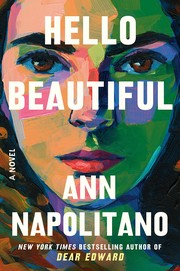
Hello Beautiful
Four sisters in Chicago love, lose, and find each other again across thirty years.
2,144-word summary · 10 min read

Extremely Loud and Incredibly Close
Nine year old Oskar searches New York for a lock matching his father's key after 9/11.
2,999-word summary · 13 min read
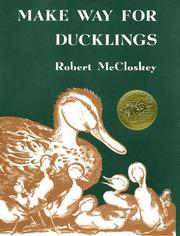
Make Way for Ducklings
A pair of mallards raise eight ducklings on the Charles River and lead them across Boston to the Public Garden, with a little help from a friendly policeman.
2,044-word summary · 9 min read

Lisey's Story
Two years after her novelist husband dies, Lisey Landon follows a trail of clues into his childhood and the other world that made him a writer.
1,998-word summary · 9 min read

The Shadow Sister
Star D'Apliese steps out of her sister's shadow and follows a bookshop clue into the Edwardian life of Flora MacNichol, a woman who gave up love for duty.
2,260-word summary · 10 min read

Little Town on the Prairie
In the spring after the Long Winter, fifteen-year-old Laura sews shirts, studies for a teaching certificate, and helps send her blind sister Mary to college.
2,071-word summary · 9 min read
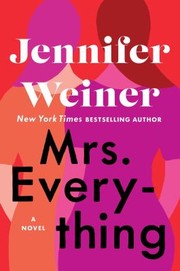
Mrs. Everything
Two Jewish sisters in Detroit grow up, apart and together, across seven decades of American life, from the 1950s to the 2016 election.
2,362-word summary · 10 min read

Howards End
Forster's 1910 novel follows two families, a house in Hertfordshire, and a burned note, asking whether money and feeling can ever be connected.
2,187-word summary · 10 min read