
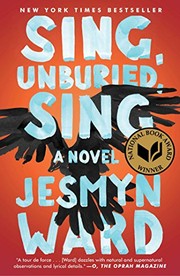
Sing, Unburied, Sing
2,871-word summary 13 min read 304 pages in the book
- First published
- 2017
- Publisher
- Scribner
- Pages
- 304
- ISBN
- 9781501126062
Reading options
What's inside (8 sections)
I picked up Sing, Unburied, Sing because a friend kept telling me it was the saddest road trip book she had ever read. That sounded strange enough to try. Jesmyn Ward published the novel in 2017 with Scribner. The first hardcover runs 304 pages and carries ISBN 9781501126062. It won the National Book Award for Fiction in 2017. I finished it slowly over four evenings, not because it is boring but because some chapters left me needing to sit quiet for a while.
The setting is Bois Sauvage, Mississippi, a small Black community on the Gulf Coast. Yards with goats and chickens. A kitchen that smells of bleach and greens. A bar called the Cold Drink where the floor sticks to shoes. The time is roughly the present, with cell phones and cheap cars and jobs that do not pay enough.
At the center is Jojo, thirteen years old and biracial, trying hard to act like a man while still being a kid. He lives with his grandparents, Pop and Mam, plus his toddler sister Kayla. His mother Leonie drifts in and out. His white father Michael is locked up at Parchman Farm, the Mississippi State Penitentiary. Mam has cancer and is getting chemo. Pop worked Parchman himself as a young man. That history hangs over every room.
The book is told in three voices. Jojo tells part. Leonie tells part. Later a boy named Richie tells part. Richie is dead. That is not a twist. Ward tells you early that ghosts are real here. Jojo and little Kayla can see them. Leonie sees her dead brother when she is high. Mam comes from a line of women who know herbs and prayers and how to listen to the dead. If ghost stories usually turn you off, I get it. Here they felt less like scares and more like unpaid debts walking around.
A birthday and a phone call
The opening stays with me. It is Jojo's thirteenth birthday. Pop asks him to help kill a goat for dinner. Pop does it clean and fast, the way he learned from his own father. He wants Jojo to learn how to hold, how to cut, how to not flinch away from blood. Jojo wants to prove he can do it. He tries. His stomach turns. He vomits in the yard. Pop does not shame him, but he does not soften it either. He tells him to try again next time.
That scene sets up their whole bond. Pop, whose given name is River, is the steady parent Jojo never got from Leonie or Michael. He teaches by showing. He tells stories in pieces while they work. He slipped a small gris-gris bag into Jojo's pocket before the trip later, with a feather inside and a note to keep it close. He believes protection can be carried.
Mam, whose given name is Philomene, is sick in bed through much of this. Chemo has thinned her. She sleeps a lot. When she is awake she watches everything. She knows Leonie does not feed the kids the way they need. She knows Pop is holding the house together with routine. Bacon in the morning. Goat stew at night. Chickens fed. Yard swept.
Leonie brings home a store cake for Jojo and sings happy birthday with everyone. Then the phone rings. It is Michael. He is getting out of Parchman that week. Leonie lights up in a way she never does for the kids. That contrast hurts to read, and Ward does not look away from it. Leonie loves Michael with a clinging focus. She loves her children too, but in a thin and distracted way that keeps failing them.
Leonie works at the Cold Drink with her friend Misty, who is white and loud and loyal in a messy way. After her shift Leonie picks up extra hours for trip cash. Then she and Misty get high on cocaine at Misty's place. When Leonie is high she sees Given, her older brother. Given was a high school football star with college ahead of him. He was shot dead on a hunting trip by Michael's cousin. Nobody paid for it in any real way. The ghost does not speak. He just looks at her.
Pop does not want Jojo and Kayla to go to Parchman. He says it plainly. He did time there. He does not want the kids breathing that air. Leonie insists. Mam suggests Leonie bring Misty, since Misty's boyfriend is also locked up there. Leonie agrees fast, more for company than for wisdom. Before they leave, Pop pulls Jojo aside. He starts telling him about Parchman in the 1940s, about a white overseer named Kinnie Wagner who treated Black boys like dogs, about a twelve year old named Richie who stole food to feed his siblings and ended up inside. The story stops halfway. Pop cannot yet tell the end.
The drive north with a sick baby
The middle of the book is a road trip, and it is uncomfortable on purpose. Leonie drives with Misty up front, Jojo and three year old Kayla in back. Kayla's full name is Michaela, after her father, but everyone calls her Kayla. She is small for her age, clingy, sick to her stomach for much of the ride. She trusts Jojo more than Leonie. When she cries, she reaches for her brother.
Leonie and Misty stop at the house of a woman named Carlotta to pick up a bag of meth. Her husband Fred cooks it in a shed out back. Jojo wanders near and understands enough. Michael went to prison for cooking and moving this stuff. Now Leonie is moving it again to pay a lawyer and to have something to sell or smoke later. The house is packed with bulk food and diapers and TVs, the kind of stockpile that tells you money comes fast and goes strange.
Kayla keeps vomiting. Leonie tries to remember what Mam taught her about plants. She finds blackberry leaves instead of the wild strawberry leaves Mam would have used. She boils them with sugar at the house of Al, a lawyer who works for Michael and for Misty's boyfriend and who uses with them. Jojo does not trust the brew. He has watched Leonie forget doses and mix things wrong. After the adults leave the room to get high, he makes Kayla throw it back up with his finger. It is rough to read. It is also the most parental act in that house that night.
Al's place is bleak. Low light. Dishes in the sink. Leonie and Misty and Al stay up smoking. Jojo lies near Kayla and listens. He is thirteen and starting to notice Misty in a way that embarrasses him, and Ward writes that without making it gross.
What I appreciated here is how Ward shows neglect without turning Leonie into a cartoon. Leonie tells herself she is doing her best. She buys food. She buckles the car seats. Then she leaves the kids to get high in the next room. Addiction has narrowed her attention to Michael and to Given's ghost and to the next hit.
What dragged for me was the pacing in this stretch. The car scenes and the Al scenes circle a bit. Sick baby, stop, smoke, argue, drive. I understood the repetition was meant to wear you down the way it wears Jojo down, but around the second night at Al's I wanted the plot to move.
Parchman and the boy who follows
They reach Parchman in the morning. The prison sits on flat farm land that used to be a plantation. Fields stretch out. Men work in white. Jojo looks out and for a second sees rows of men picking cotton that are not really there, or not there now. Kayla stares too. She sees more than she can say.
Michael walks out. He is thin, tattooed, blinking in daylight. He and Leonie hold each other hard. He tries to hold Kayla and she stiffens. She does not know him. Jojo shakes his hand more than hugs him. There is a lot of feeling but no ease.
On the way back to the car Jojo sees a boy near the window. Black, about his own age, ragged clothes, hungry eyes. The boy says he is going home. Only Jojo and Kayla can see him. This is Richie. He latches onto Jojo because Jojo is Pop's blood. He believes Pop knows how he died and that hearing the truth will let him rest. From here Richie starts narrating some chapters. His memory is broken. He remembers Parchman and Pop sharing food and warnings. He remembers running. He does not remember dying.
Richie is one of the best parts of the book for me. He is not wise or calm. He is scared and angry and sometimes selfish. He tugs at Jojo and begs. He wants answers the way a kid wants answers, now and loud. Death did not make him mature. It froze him at the age he stopped.
Ward connects Parchman past and present without lectures. Pop was sent there as a teen with his older brother Stag after white men grabbed them. Pop learned to survive by being useful, especially with dogs. Richie was twelve and tiny and Pop tried to shield him. The farm grew cotton with prison labor in conditions meant to echo slavery.
The supernatural rules stay loose. Why Jojo and Kayla see ghosts and Pop does not, why Given mostly comes when Leonie is high, none of this gets a manual. If you want hard magic with clear limits, you will be annoyed. I came to accept it as grief logic. The dead stay where pain was heaviest until someone listens.
A traffic stop and a visit that breaks
The drive home almost ends in disaster. A police car pulls behind them. Michael tells Leonie to hide the meth from Al. The stash is in a plastic bag with a small leak. There is no time to fit it in the car's hide. Leonie swallows the whole bag.
The officer says she was swerving. When Leonie says they just came from Parchman, his manner hardens. He cuffs Leonie, then Michael. Jojo gets out with Kayla crying. The officer grabs Jojo, kicks his feet out, points a gun at him. Jojo reaches for the gris-gris bag without thinking. The officer thinks it could be a weapon. Kayla runs to her brother, wraps around him, and vomits all over the officer. The mess and the crying and Misty shouting break the spell. The officer searches, finds no gun, lets them go with a warning.
It is a short scene and the scariest in the book. The officer is young and nervous, which makes him more dangerous rather than less. Race is right at the surface. A Black mother saying Parchman, a white father with prison tattoos, two mixed kids. The officer reads threat where there is mostly sickness and fear.
Leonie starts to overdose as the meth leaks in her stomach. Michael acts fast. He has Jojo buy milk and a charcoal product at a store, mixes a slurry, and makes Leonie drink until she throws up the bag. Given's ghost watches. The scene is gross and tense and weirdly tender.
They drop Misty and then, finding Pop and Mam gone from the house, Michael insists on stopping at his parents. His mother Maggie is polite in a strained way. His father Big Joseph is openly hateful. He uses a slur against Leonie and the kids. Michael headbutts him. They fight while Maggie screams and Kayla cries.
I found Big Joseph hard to read because he is so flat in his hate. That may be honest. Still, after the careful work Ward does with Pop and Mam and even Misty, Big Joseph felt more like a wall than a person.
What Pop finally tells
Back at Mam and Pop's, Mam is worse. Pop tells Leonie her mother is close to dying and needs help with a ritual. Mam follows Maman Brigitte, a mother figure for the dead in Vodou practice. She wants certain stones placed right and a litany said so she can pass with guidance. Leonie goes to fetch what Mam wants because Mam asks, not because she believes.
Meanwhile Richie presses Jojo harder. Talk to Pop. Get the end. Jojo resists, then gives in. He and Pop go outside near the old animal pen that has termites. Pop finally tells the whole Parchman story.
Blue was another inmate, older, disturbed. He assaulted a woman in the prison. Richie saw part of it. Blue forced Richie to run with him that Sunday. They got out past dogs and fences for a while. Blue then grabbed at a white girl outside. She reported it. A white mob formed fast. They caught Blue and killed him in a slow and cruel way, cutting and burning. Pop was there with his dogs because the prison made him hunt. He knew the mob would do the same or worse to Richie. Richie was twelve. Pop told Richie he would get him home, then stabbed him in the neck to give him a quick death. He reported it as a dog attack.
Pop has smelled blood ever since, he says. He weeps telling it. Jojo holds him the way Jojo holds Kayla. Richie hears it all. He screams without sound and pulls air into a black point and vanishes inward. Kayla cries that a Black boy and a black bird want to take Mam.
This chapter is the moral core, and Ward does not make it easy. Pop murdered a boy he loved to spare him torture. He calls it mercy and also calls it guilt. Jojo does not forgive him in a speech. He just stays close. There is no clean view here.
Some readers may find the violence here too much, especially against kids. It is not described for shock, but it is clear. Ward is writing about a place where Black boys have long been treated as disposable, from plantation to prison to hunting woods.
Letting Mam go
The last movement happens in Mam's room. It smells sour and close. Mam says Leonie is too late, meaning Richie got turbulent before the ritual was ready. Richie is on the ceiling in Jojo's sight, raging for a mother to take him. Given shouts that Mam is not his mother. Leonie lays out the stones and tries to say the litany for Maman Brigitte. Her voice shakes. She gets words wrong. She keeps going.
Jojo steps in and tells Richie he got what he came for and owes nothing more. Given tells him to go too. For the first time Jojo sees Given clearly. Given greets Jojo, then lies down with Mam and says he came to take her home. Mam dies with Given holding her.
Jojo blames Leonie for calling the rite that let Mam die. Leonie, raw and sleepless, hits him until Pop pulls her off. It is ugly. Then Leonie begs Michael to take her away for a bit. They drive back north to Al's to get high and go numb. They start coming home only a few days a week. Pop sleeps in Mam's room. Jojo keeps Kayla close.
The final image is at a big live oak. Jojo finds Richie there with a tree full of ghosts, Black men and boys who died by violence across years. They stare with need. Jojo freezes. Pop and Kayla find him. Kayla starts singing a garbled version of a lullaby Leonie used to sing to them as babies. The ghosts ease. They repeat a single word back, home, over and over.
I did not read that as fixing anything. Richie is still there. Leonie and Michael are still gone most days. Pop is grieving. What changes is Kayla. She can give the dead a small comfort without being swallowed by them. It is hopeful but not healed, which suited me.
Who should read this. If you like character driven literary fiction that moves between past and present, if you can sit with ghosts as part of real life, this is for you. If you need likable parents or steady pace, you may struggle. Leonie is difficult to love for long stretches. Michael is gentle in flashes and absent in the ways that count.
Content notes. Parental neglect and addiction, meth and cocaine use and overdose, cancer sickness, child vomiting, animal slaughter for food, gun violence and hunting death of a teen, prison labor and beatings, lynching described clearly, racist slurs and police gun threat, hitting of a child, death of a grandparent, grief and haunting throughout.
I closed the book thinking about Pop's hands. How they kill a goat kindly, how they held dogs for a prison, how they hold Jojo at the end. Ward lets a man be tender and guilty at once, without asking us to excuse him. Sing, Unburied, Sing is not a comfort read. It is a companion for thinking about how families pass pain down and sometimes pass a little rest down too.
FAQ
Is Sing, Unburied, Sing based on a true story?
No. Bois Sauvage is fictional, but Parchman Farm is a real Mississippi prison built on plantation land, and Ward uses its history of forced labor to frame the story.
Who narrates the novel?
Jojo, his mother Leonie, and the ghost Richie narrate. Richie was a boy Pop knew at Parchman who follows Jojo home to learn how he died.
Did Sing, Unburied, Sing win the National Book Award?
Yes. It won the 2017 National Book Award for Fiction. Scribner published it in 2017, and the first hardcover runs 304 pages.
Similar books
The Mothers
Nadia hides abortion from church Mothers while Luke and Aubrey circle for years.
2,078-word summary · 9 min read

We Are Okay
Marin fled San Francisco after her grandfather vanished and stopped answering anyone. When Mabel visits her college dorm, she has to say what happened.
2,253-word summary · 10 min read

A Spool of Blue Thread
Four generations of the Whitshank family in Baltimore, and the silences, resentments and quiet love they hand down without ever saying so.
2,408-word summary · 11 min read

This Is How You Lose Her
Yunior cycles through love affairs and betrayals in nine linked stories, tracing the damage he does and the family history behind it.
2,195-word summary · 10 min read

And Every Morning the Way Home Gets Longer and Longer
An elderly grandfather, his son, and his grandson share memories and fears as the old man's mind begins to fade, in a short novel about grief and love.
2,078-word summary · 9 min read

The Tiger's Wife
A young doctor in a war-scarred Balkan country chases the stories her grandfather left behind, including a deathless man and a deaf girl who loved an escaped…
2,232-word summary · 10 min read

The Accidental Tourist
Grieving Macon writes travel guides for haters of travel, then Muriel intrudes.
2,252-word summary · 10 min read

Kitchen
Orphan Mikage finds home in a kitchen with Yuichi and Eriko after loss.
2,597-word summary · 12 min read
Song of Solomon
Milkman Dead leaves Michigan to hunt for family gold and finds instead the old song of his ancestor Solomon.
2,465-word summary · 11 min read

The Berry Pickers
A four year old vanishes from a Maine blueberry camp in 1962, and two families carry the loss for decades until Joe and Norma face the truth.
2,606-word summary · 12 min read
We Are All Completely Beside Ourselves
Rosemary tells of twin sister Fern, a chimp raised as family, and research fallout.
2,058-word summary · 9 min read
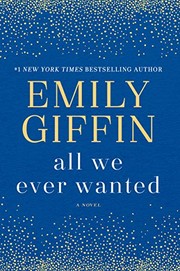
All We Ever Wanted
A Nashville photo of a drunk boy over a passed out girl splits three families along money and race lines.
2,278-word summary · 10 min read
A Tale for the Time Being
A diary by bullied Tokyo teen Nao washes up in Canada, pulling novelist Ruth into her family past.
2,148-word summary · 10 min read
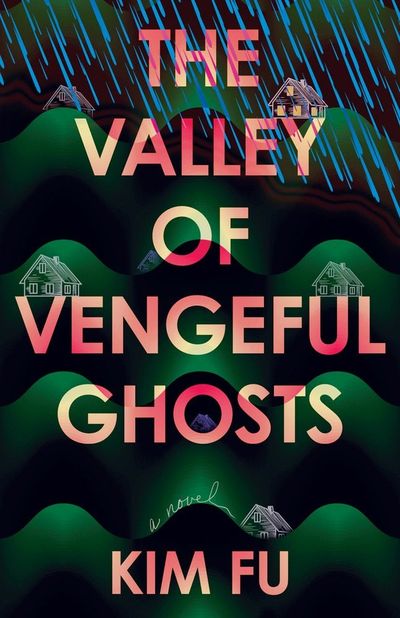
The Valley of Vengeful Ghosts
A grieving therapist buys a model home in a rainy valley where the walls leak ghosts.
2,035-word summary · 9 min read
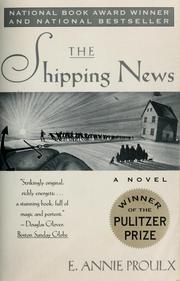
The Shipping News
At thirty-six, failed newsman Quoyle loses his cruel wife and flees to ancestral Newfoundland with his daughters, where a small-paper job slowly rebuilds him.
2,833-word summary · 13 min read
Lincoln in the Bardo
Willie Lincoln dies in 1862 and lingers while 166 cemetery voices squabble his father toward release.
2,032-word summary · 9 min read
Our Missing Hearts
In a fearful future America, twelve-year-old Bird crosses the country to find the poet mother who left him.
2,434-word summary · 11 min read
Dear Edward
Twelve-year-old Edward Adler survives a plane crash that kills his family, then learns how to live with grief, letters, and love.
2,903-word summary · 13 min read
I Know This Much Is True
A housepainter fights to free his schizophrenic twin from a locked ward while a grandfather's memoir and a lost marriage resurface. Long, heavy, hard to forget.
2,533-word summary · 11 min read
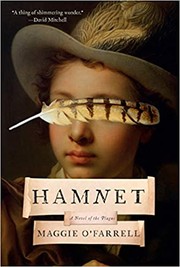
Hamnet
Agnes Hathaway holds her Stratford family together while her husband works in London, until plague takes eleven-year-old Hamnet in 1596.
3,164-word summary · 14 min read

Extremely Loud and Incredibly Close
Nine year old Oskar searches New York for a lock matching his father's key after 9/11.
2,999-word summary · 13 min read
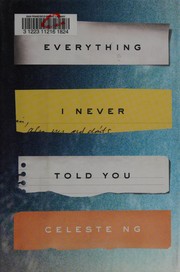
Everything I Never Told You
In 1977 Ohio, sixteen-year-old Lydia Lee is found dead in a lake, forcing her interracial family to face the secret pressures around race, school and duty that…
2,711-word summary · 12 min read
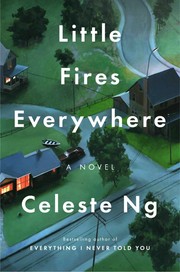
Little Fires Everywhere
In planned Shaker Heights, Elena Richardson rents to drifting artist Mia Warren, and a custody fight over baby May Ling splits friends and teens.
1,911-word summary · 8 min read

Lisey's Story
Two years after her novelist husband dies, Lisey Landon follows a trail of clues into his childhood and the other world that made him a writer.
1,998-word summary · 9 min read
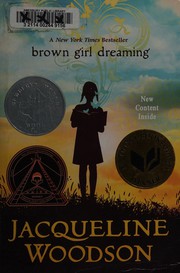
Brown Girl Dreaming
Jacqueline Woodson retells her childhood in verse, moving from Ohio to South Carolina to Brooklyn while the civil rights movement reshapes the world around her.
2,727-word summary · 12 min read

Howards End
Forster's 1910 novel follows two families, a house in Hertfordshire, and a burned note, asking whether money and feeling can ever be connected.
2,187-word summary · 10 min read

James
Percival Everett retells Huckleberry Finn from Jim's side, giving him a library, a hidden school, and a voice the novel lets loose.
2,211-word summary · 10 min read

Fathers and Sons
Arkady brings the nihilist Bazarov home to his father's estate, and a generational argument turns into love, a duel, and an early death.
2,192-word summary · 10 min read

A Head Full of Ghosts
A broke Massachusetts family lets a reality TV crew film their daughter's exorcism, and fifteen years later the only survivor tries to explain what really…
2,588-word summary · 12 min read

Unaccustomed Earth
Lahiri’s second story collection follows Bengali families in America and abroad, tracing the quiet distances between parents and children, spouses, and the…
2,333-word summary · 10 min read